Published by:
CGP EDU Academic Team
Published on: August 11, 2026
Let ƒ(x) = 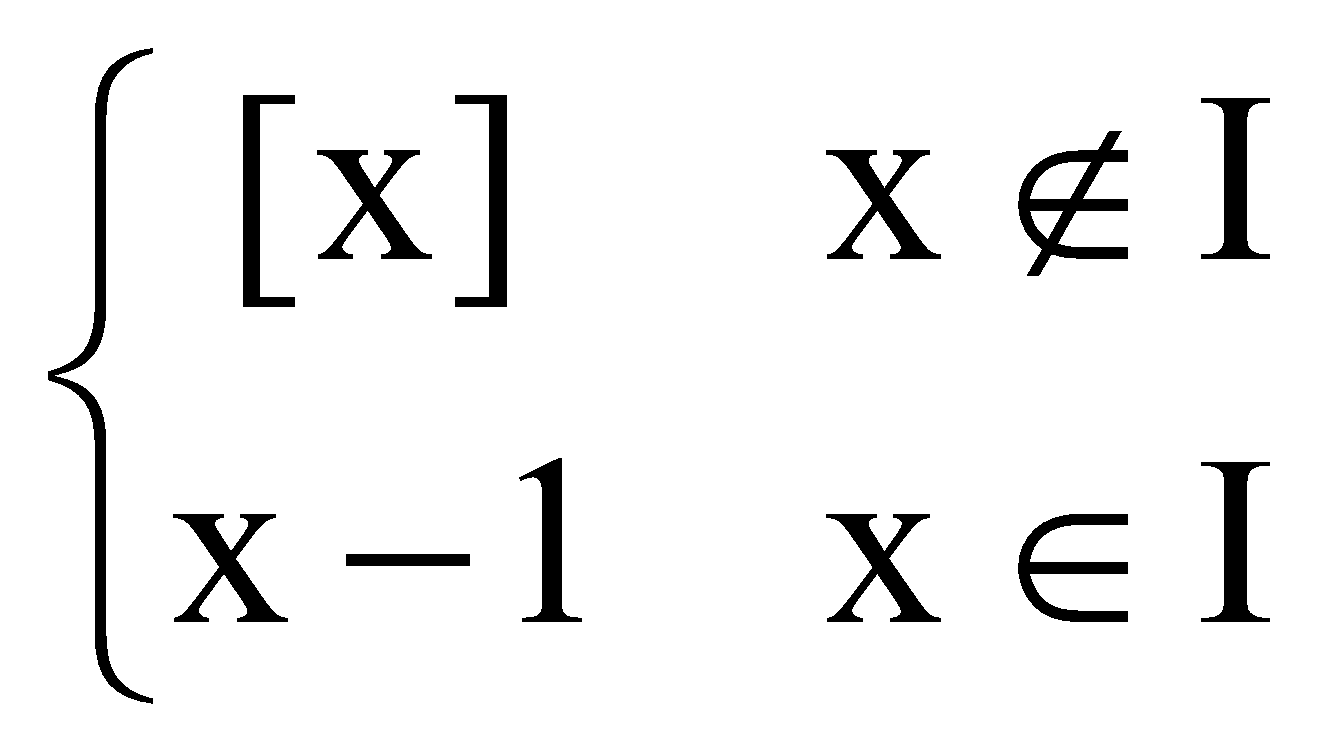 (where, [ ] denotes the greatest integer function) and
g (x) = 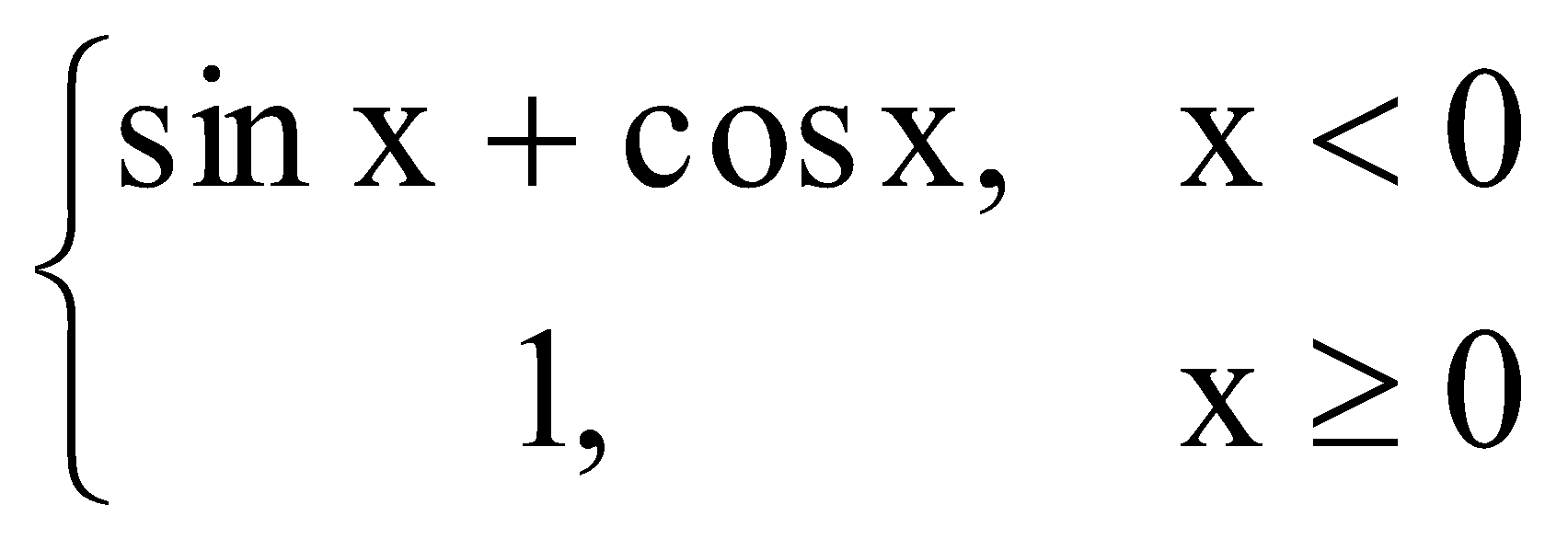 . Then for ƒ(g(x)) at x = 0
A
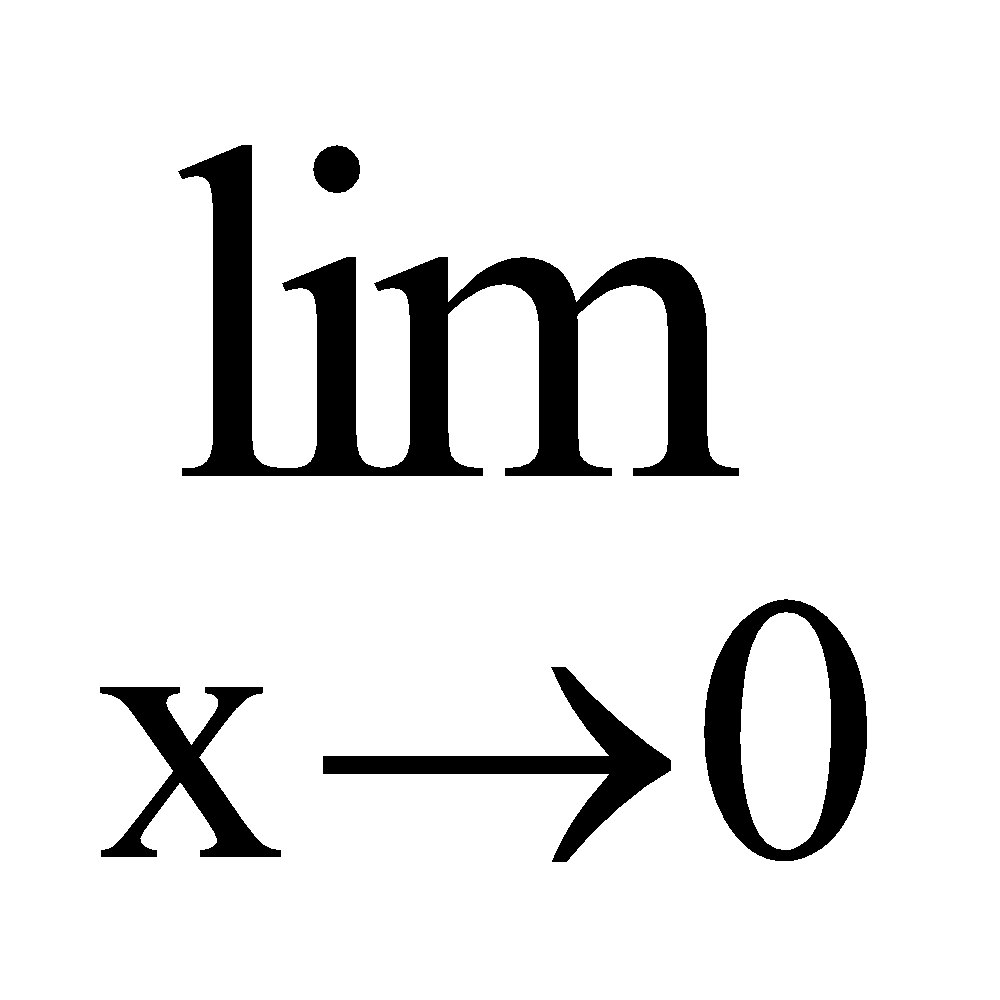 ƒ(g(x)) exist but not continuous
B
Continuous but not differentiable at x = 0
C
Differentiable at x = 0
D
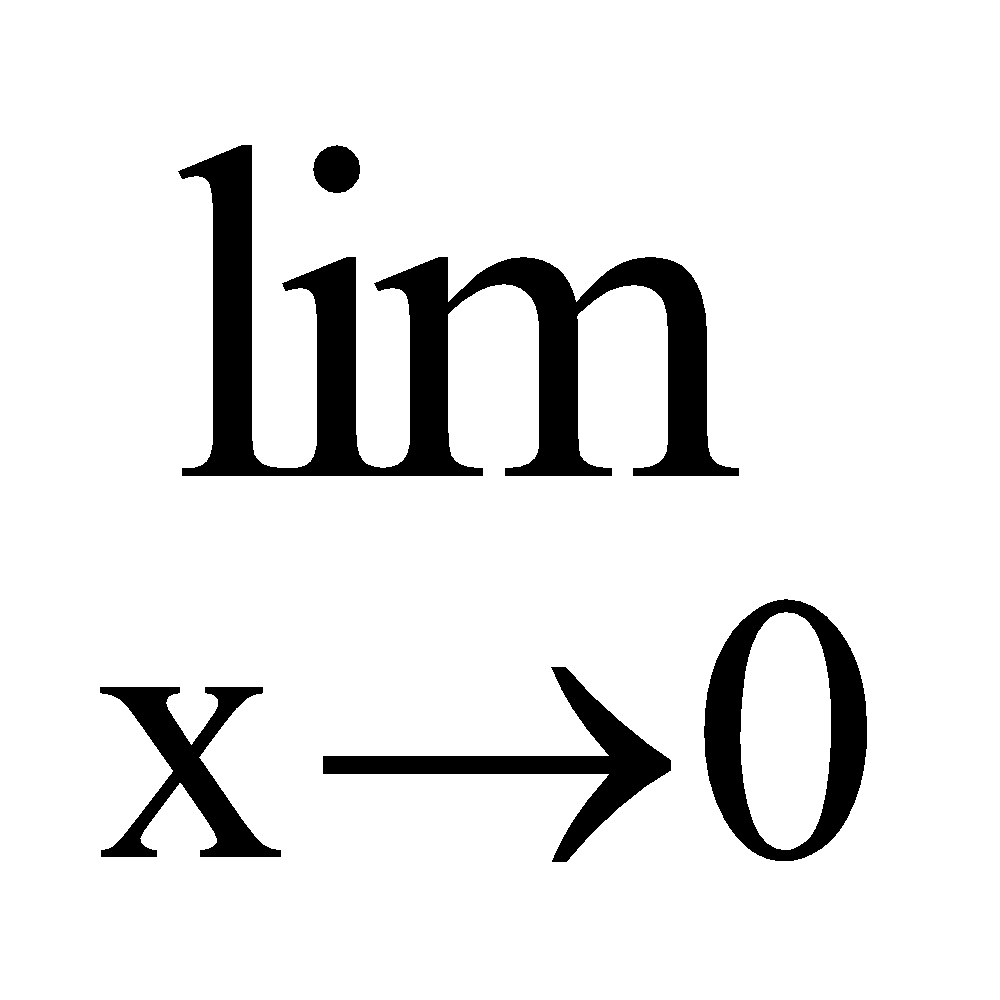 ƒ(g(x)) does not exist
Text Solution
Verified by ExpertsThe correct answer is:
C
Since, ƒ(g(x)) = 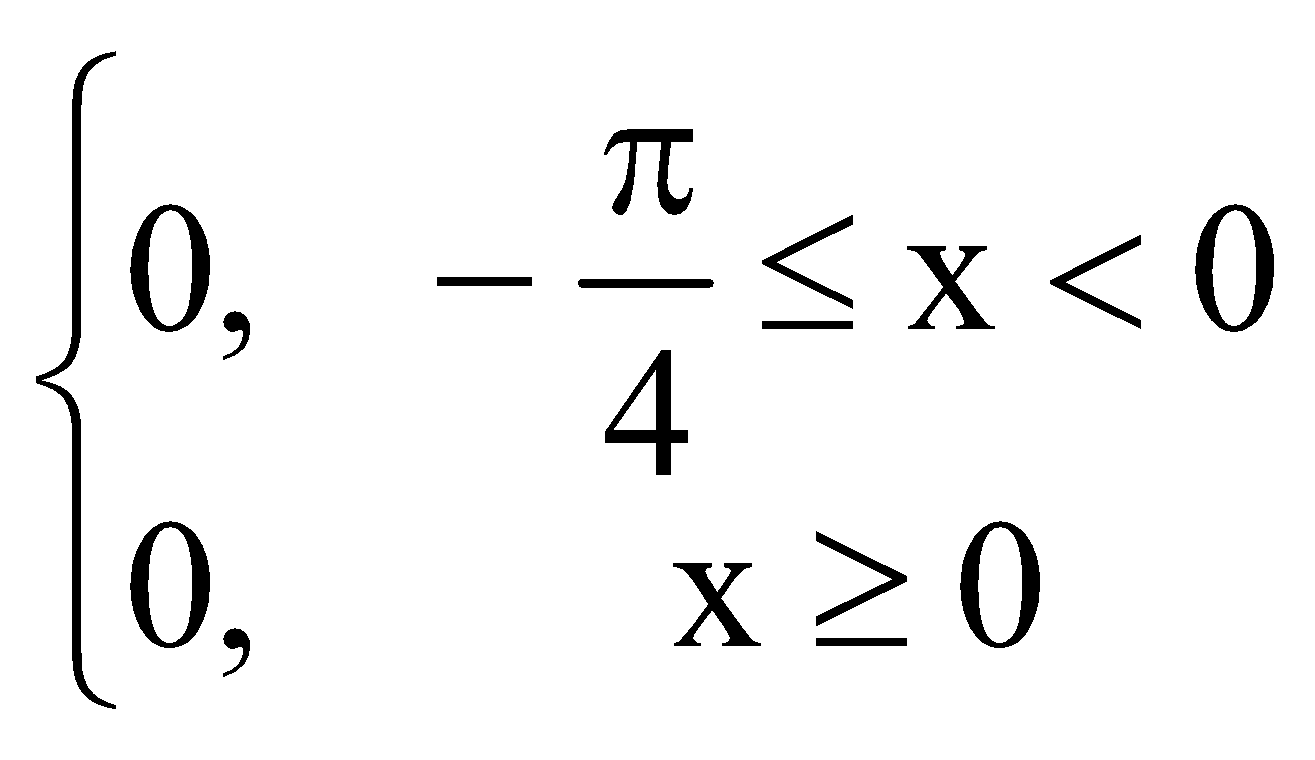
Which is always differentiable in 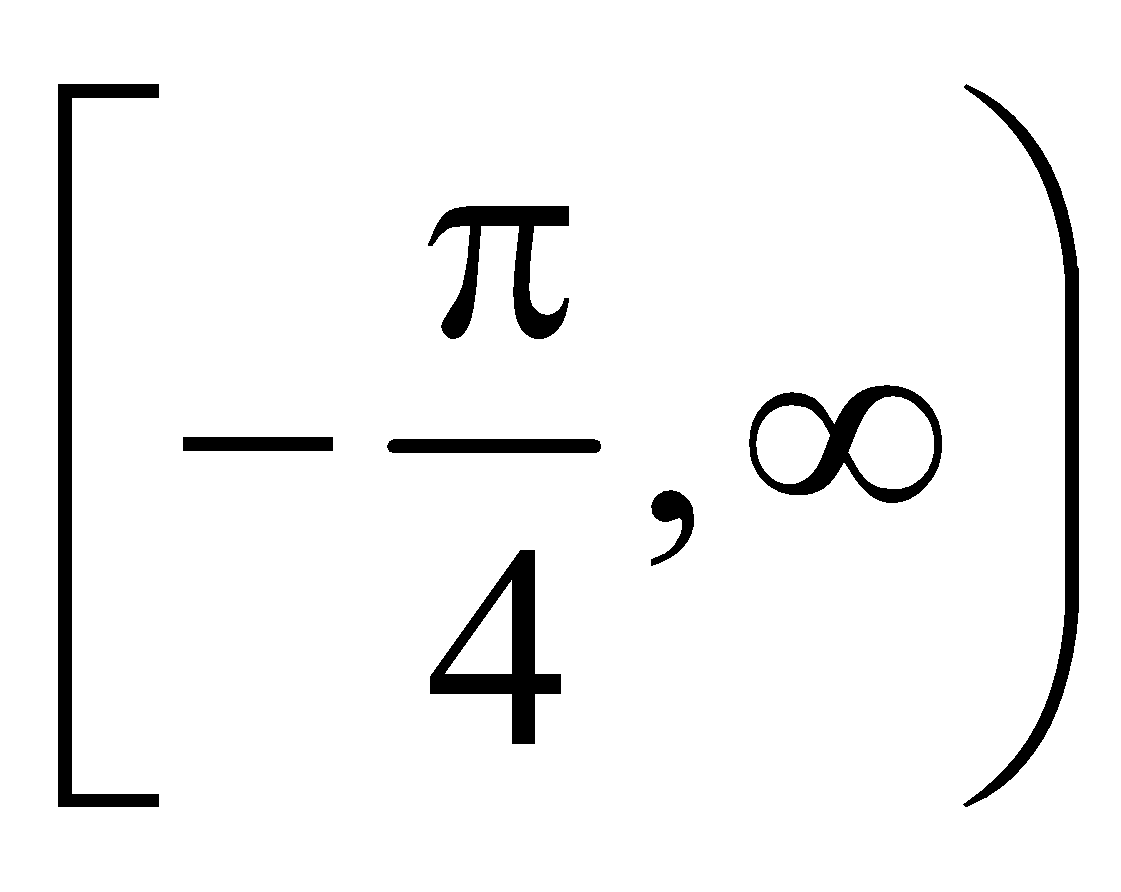 and also continuous.
Prepare Smarter with CGP Edu
Get practice questions, solutions, and test series in one place.
Write a Review
Share your experience with this question and solution.
Commentary
Send your comment, doubt, correction, or feedback to admin.
Similar Questions
Explore conceptually related problems
The function , where assumes its minimum value only at one point, if . Find .
2. If be two fixed positive integers such that for all real , then is a periodic function with …
3. The domain of the function , where the symbols have their usual meanings, is the set . Find nu…
If , then . Find .
, then is equal to . Find .
Let and be the roots of , then is equal to Find .