The limit of a function makes sense if x is defined in the neighbourhood of a. The limit of a sequence makes only when variable approaches ∞ . A sequence a 1 , a 2 , a 3 ,.... of real numbers is said have a limit I, if 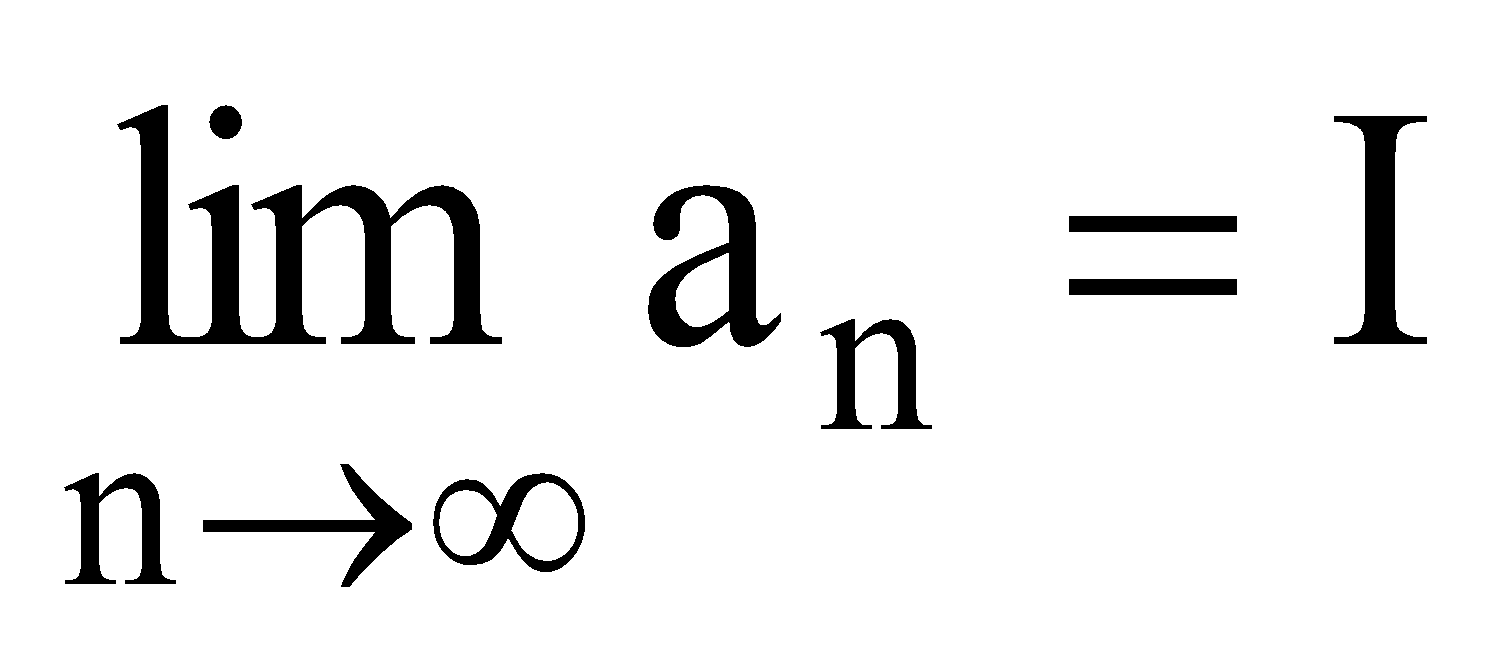
If I is finite the sequence is said to be convergent. If I = ∞ , the sequence is said to be divergent. If a n does not approach a definite number, then the sequence {a n } is oscillatory.If above results are well known.
(i) Which of the following sequences does not converge to zero?
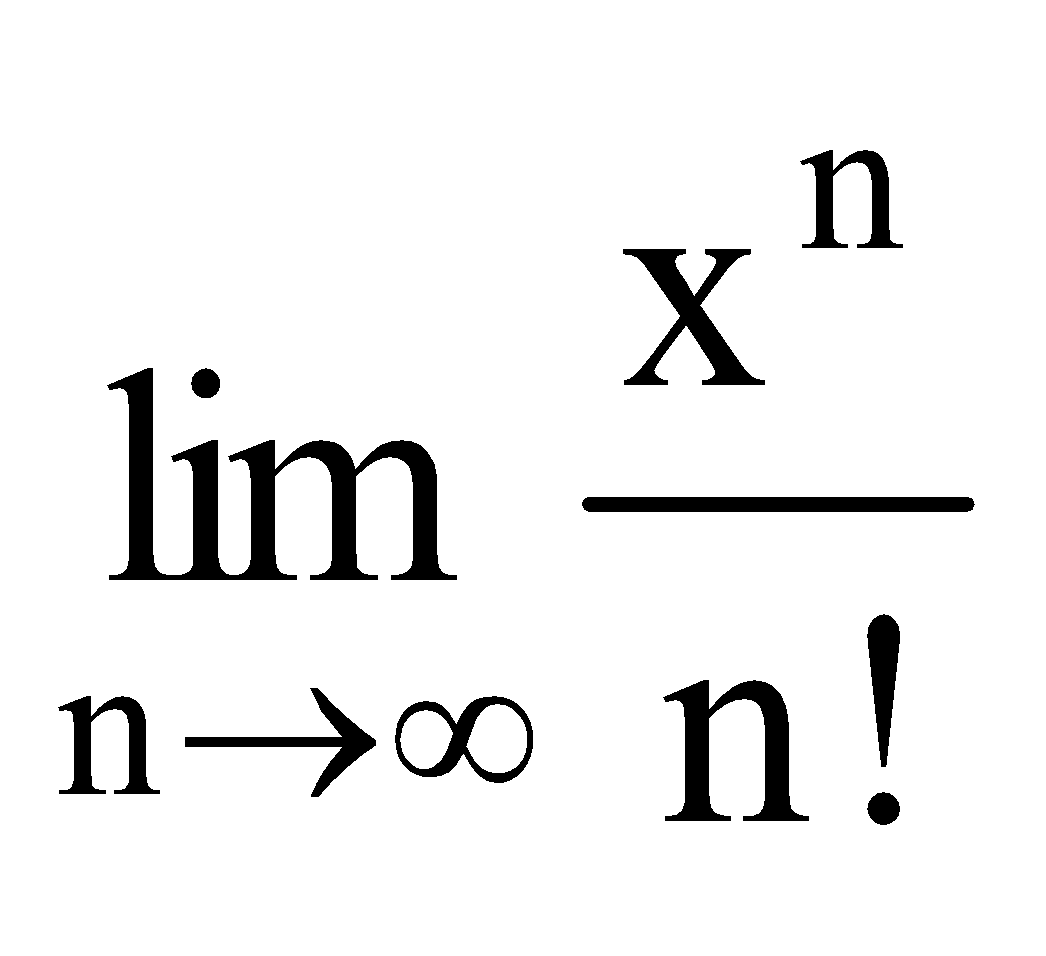 1 + e 2
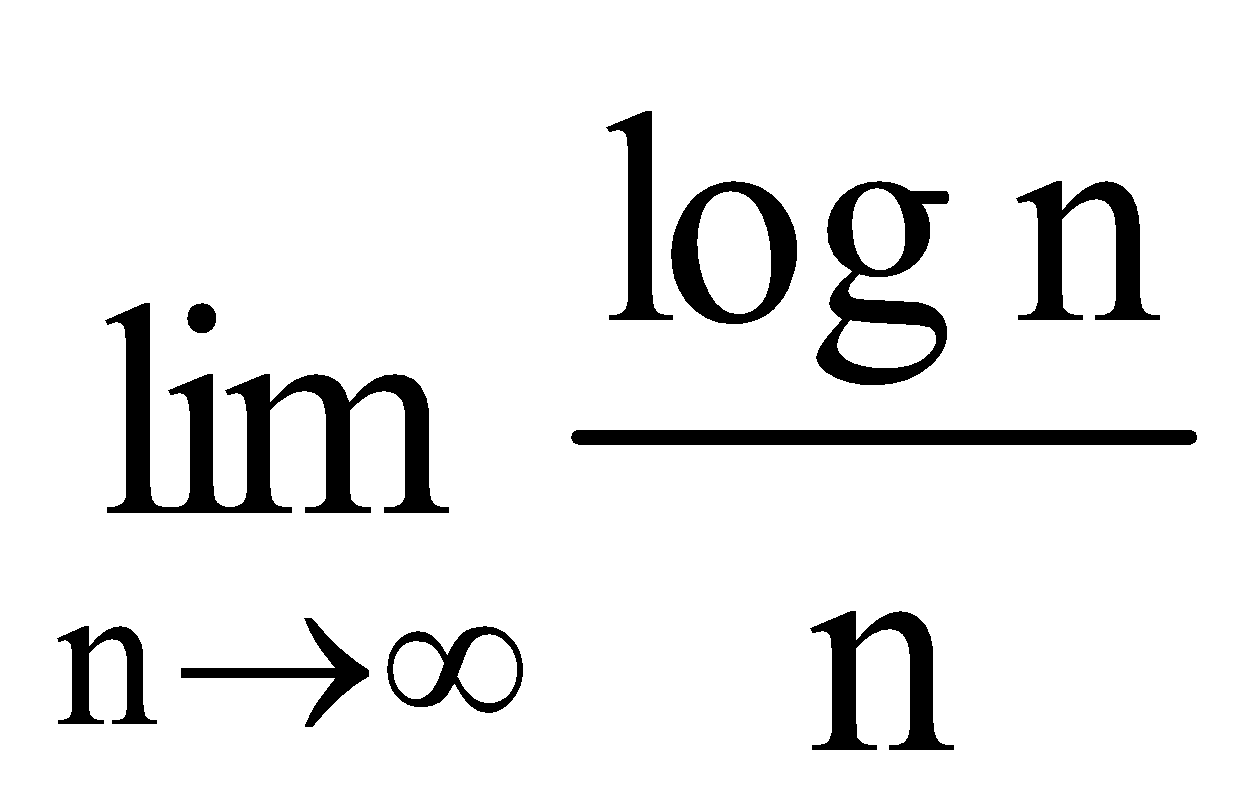 e
e 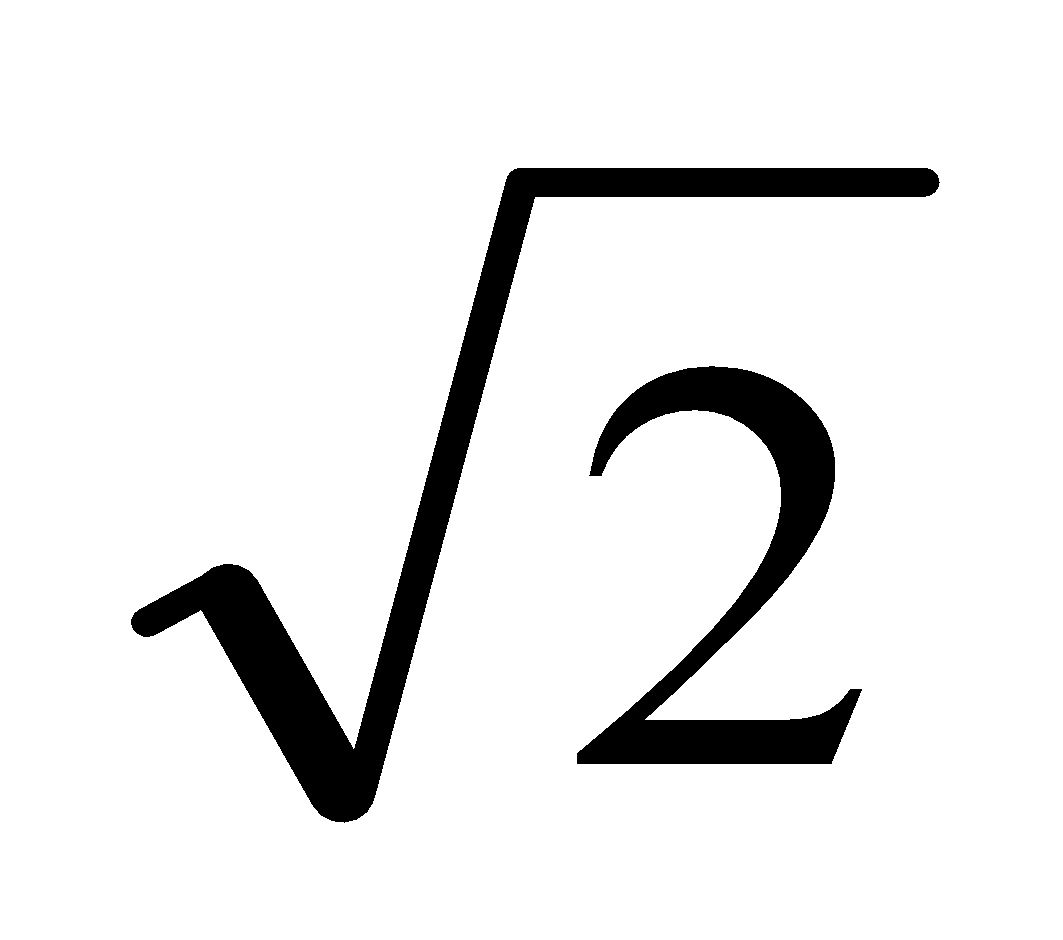
 1 1
1 1
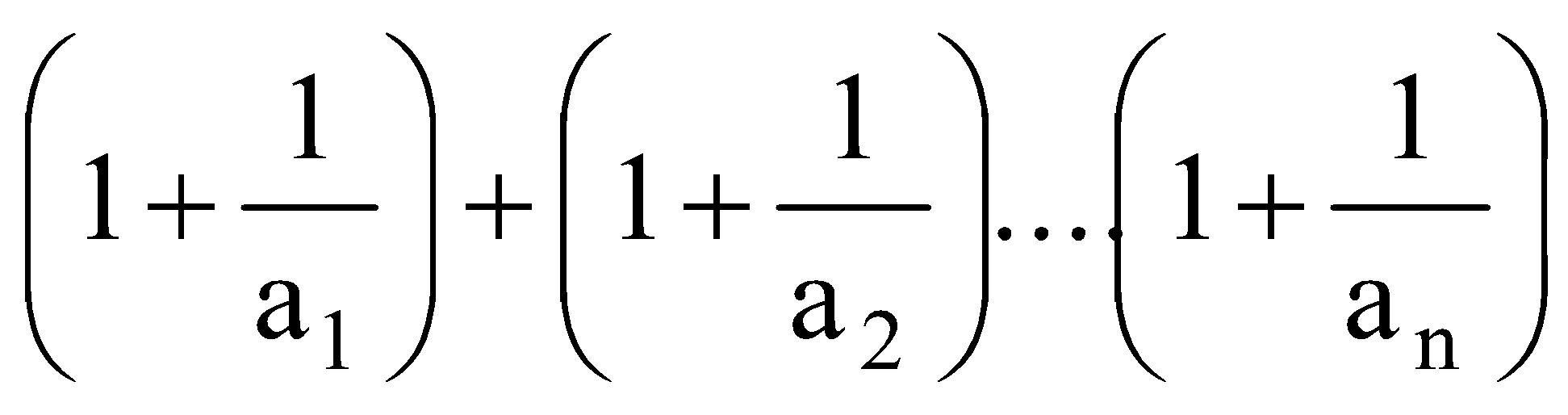
 (ii) Let a 1 = 1, a n = n(a n–1 + 1) for n = 2, 3, ..., where P n =
  , then
 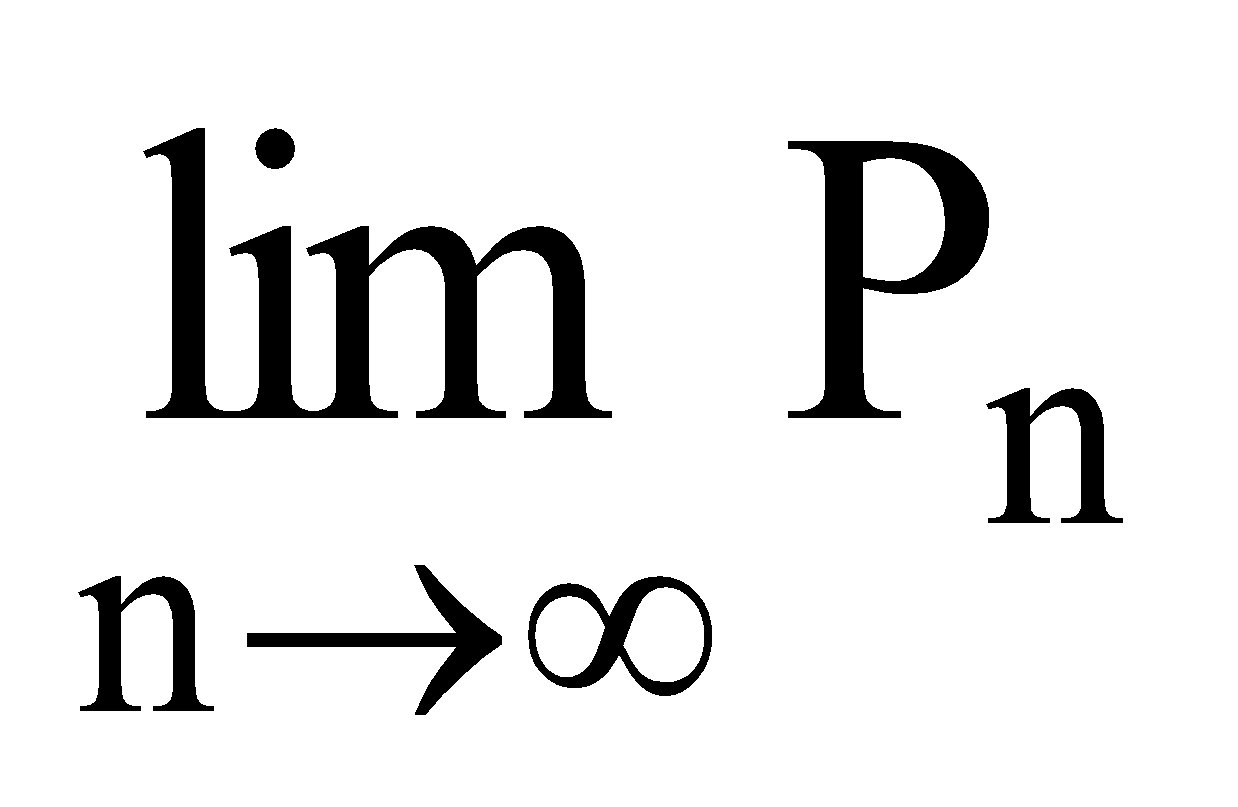 must be- ∞ (iii) Let {a n } be sequence of real numbers defined as a 1 = I,
 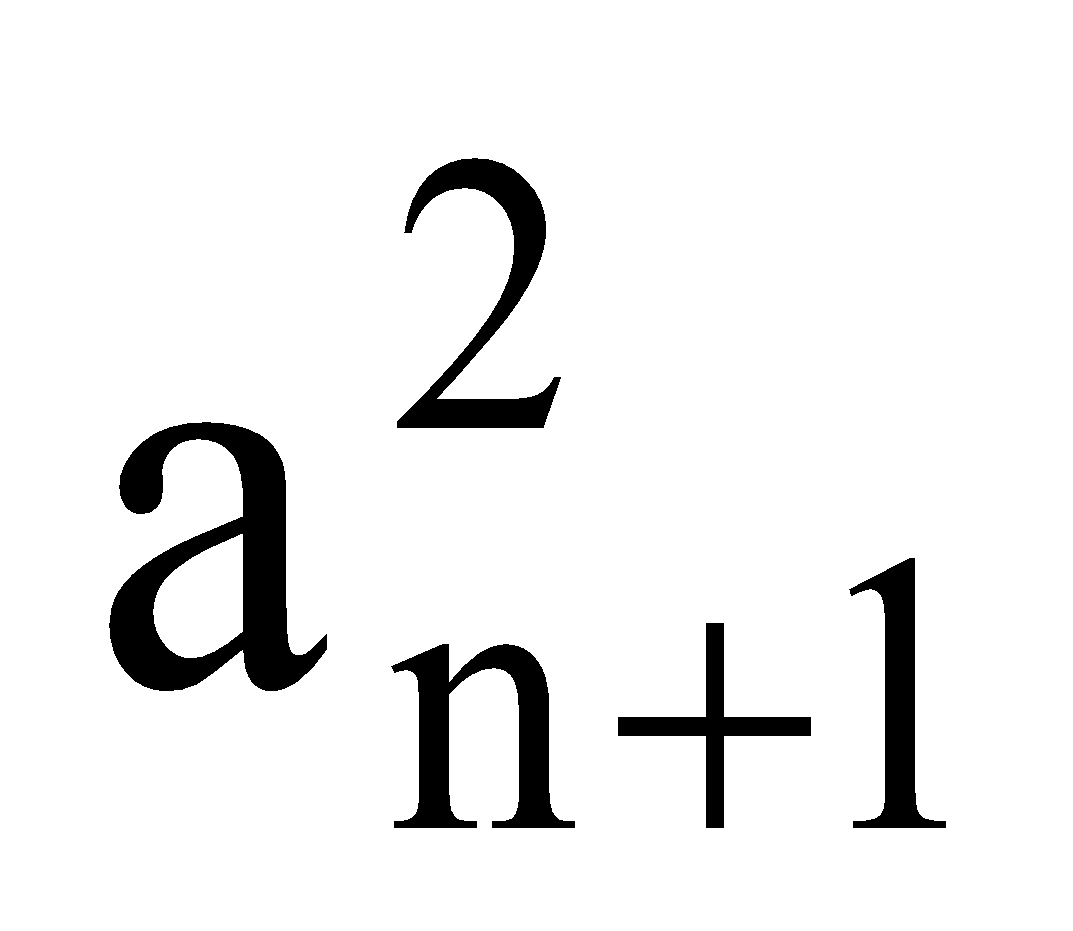 =
= 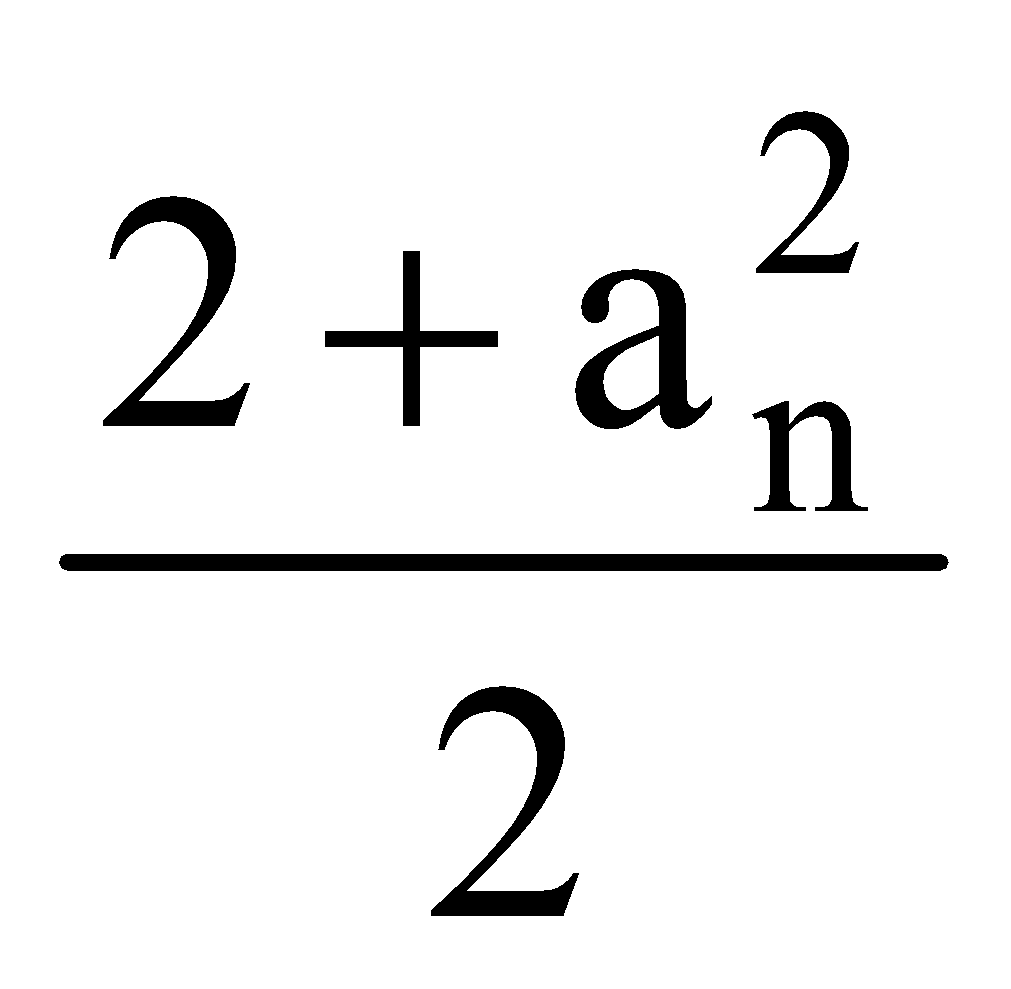 for n ≥ 1, then
 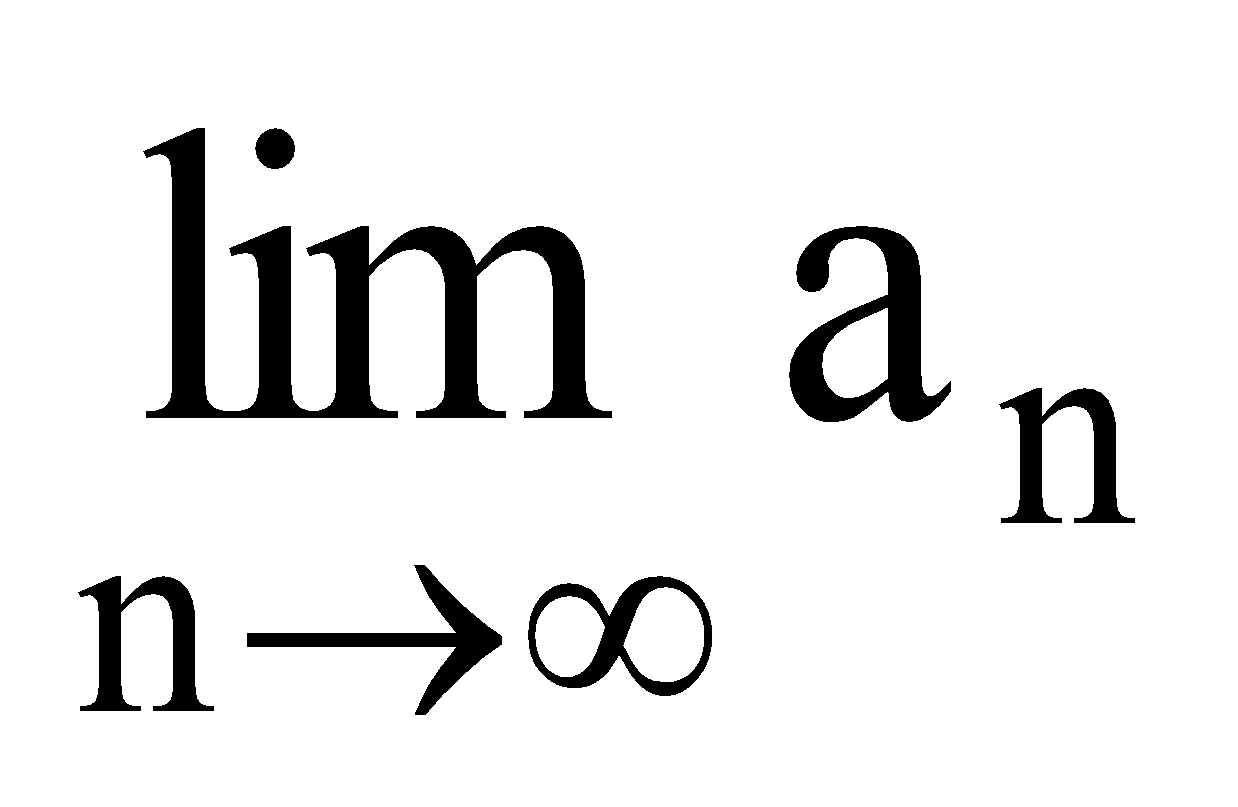 must be- 0
Text Solution
Verified by ExpertsA
Ans.
(i)
Sol. The sequence given in choice converges to zero since after a certain stage 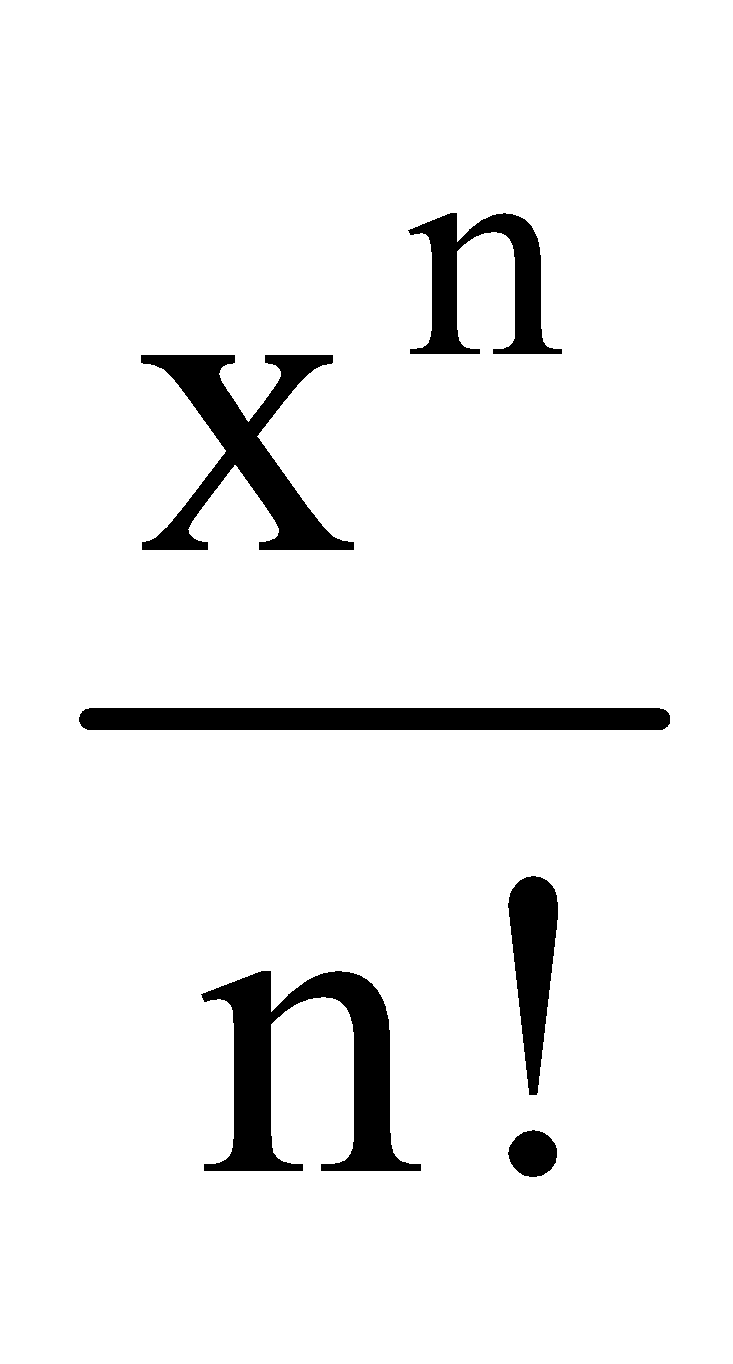 will become very small as n → ∞ .
Let us prove :
Choose a natural number k > 2x, then for
n > k 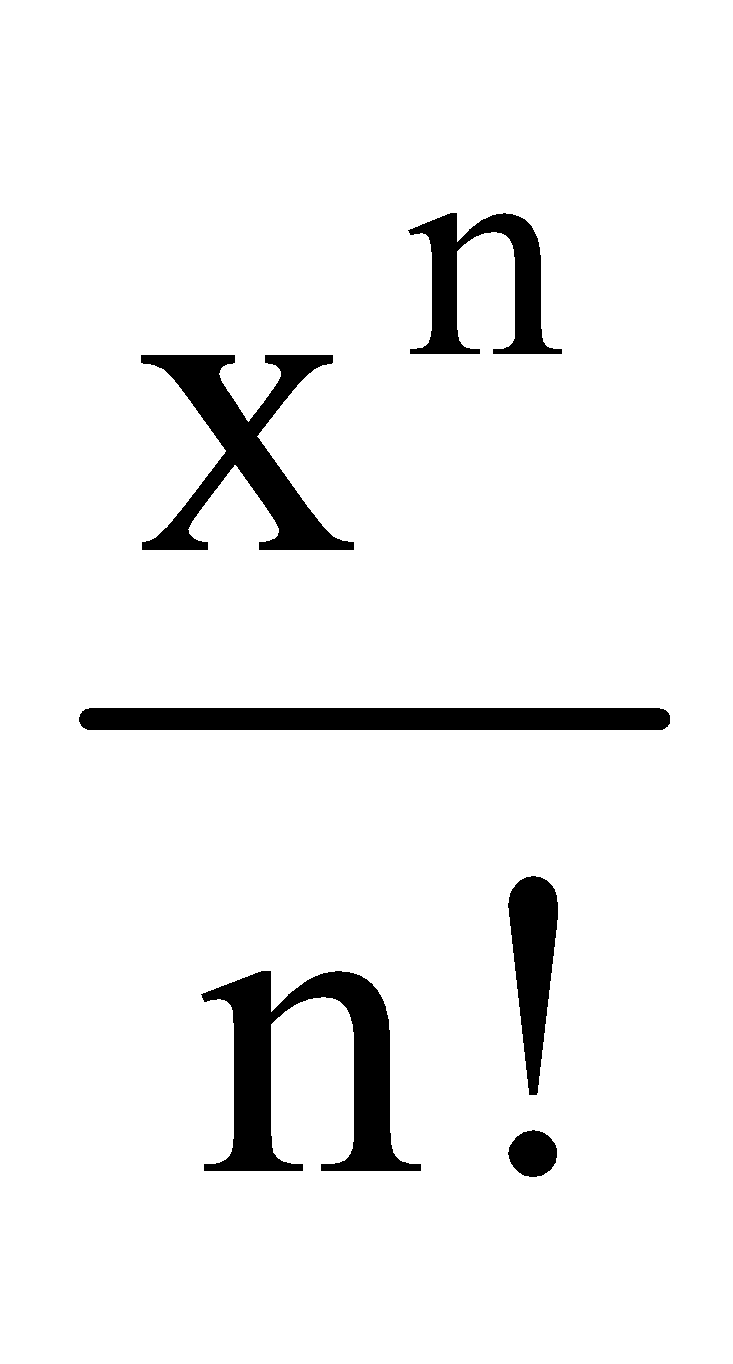 =
= 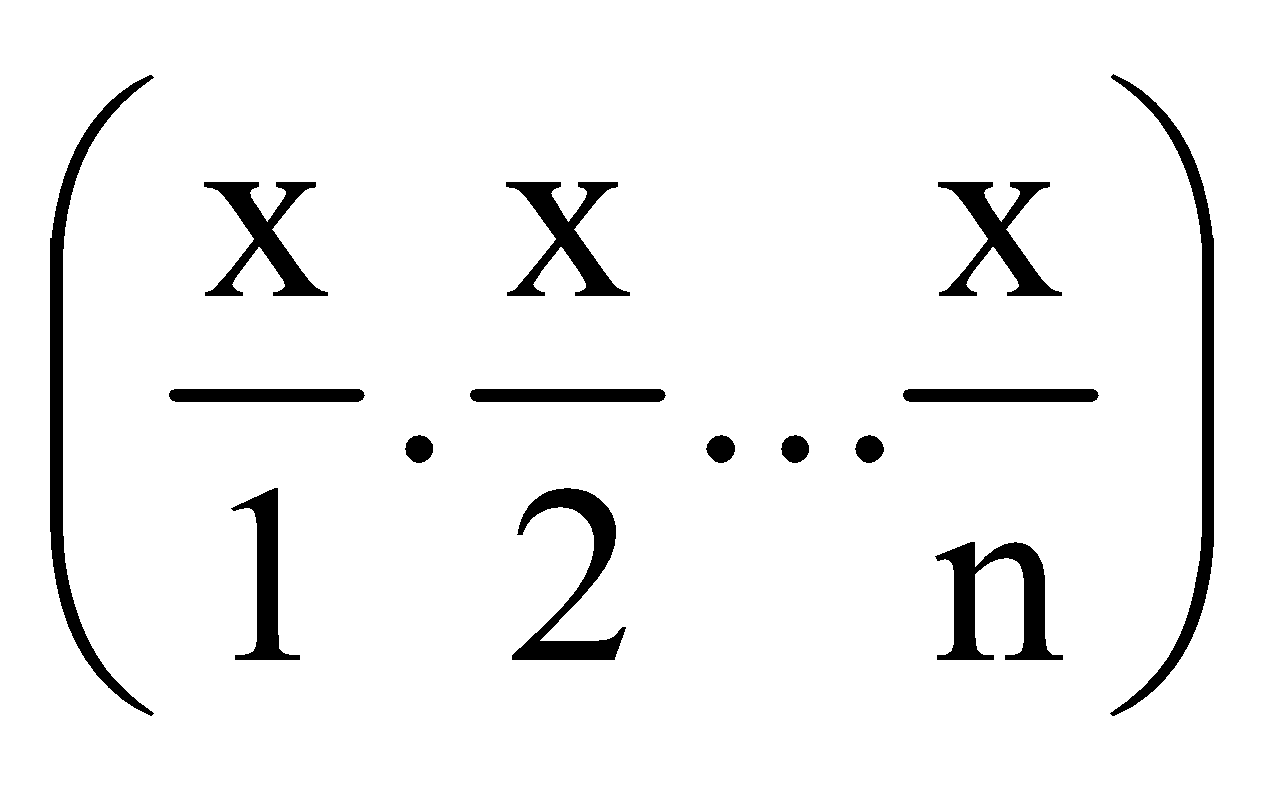

= 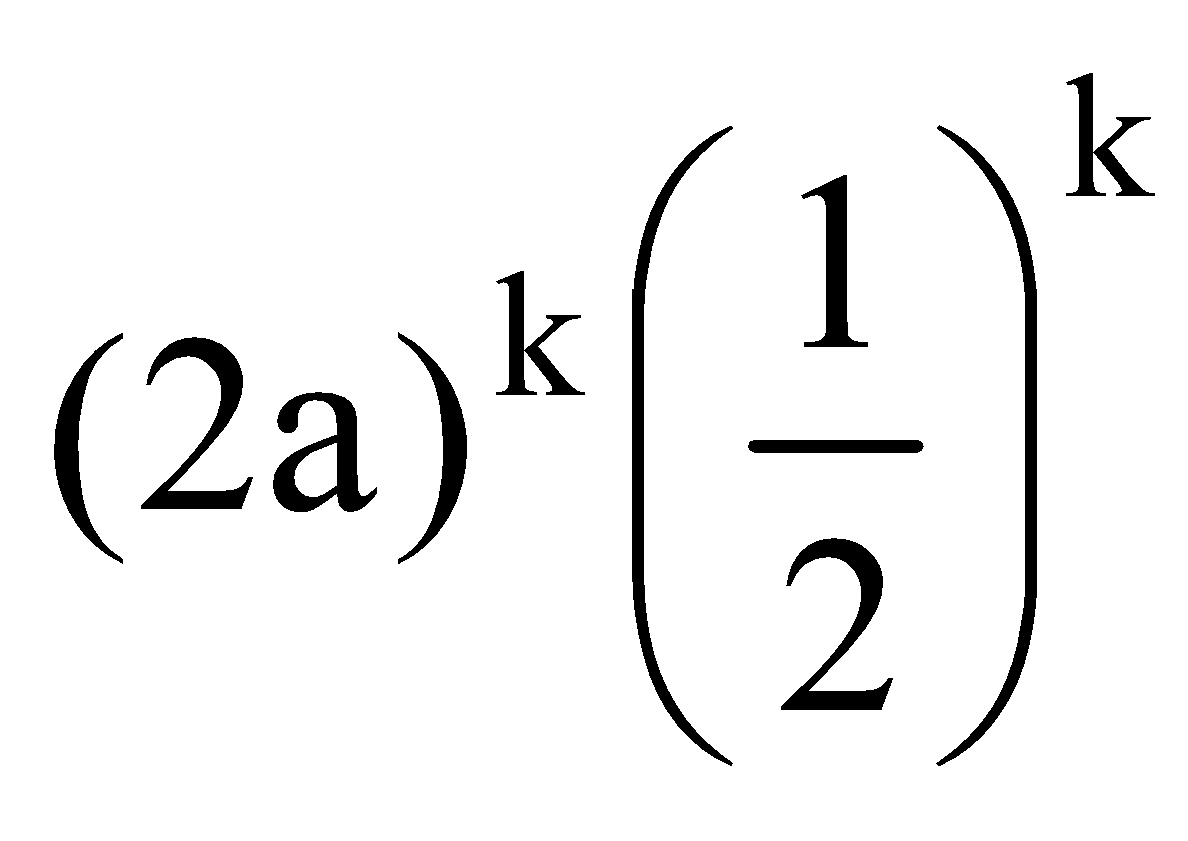 → 0 as n → ∞ .
⇒ 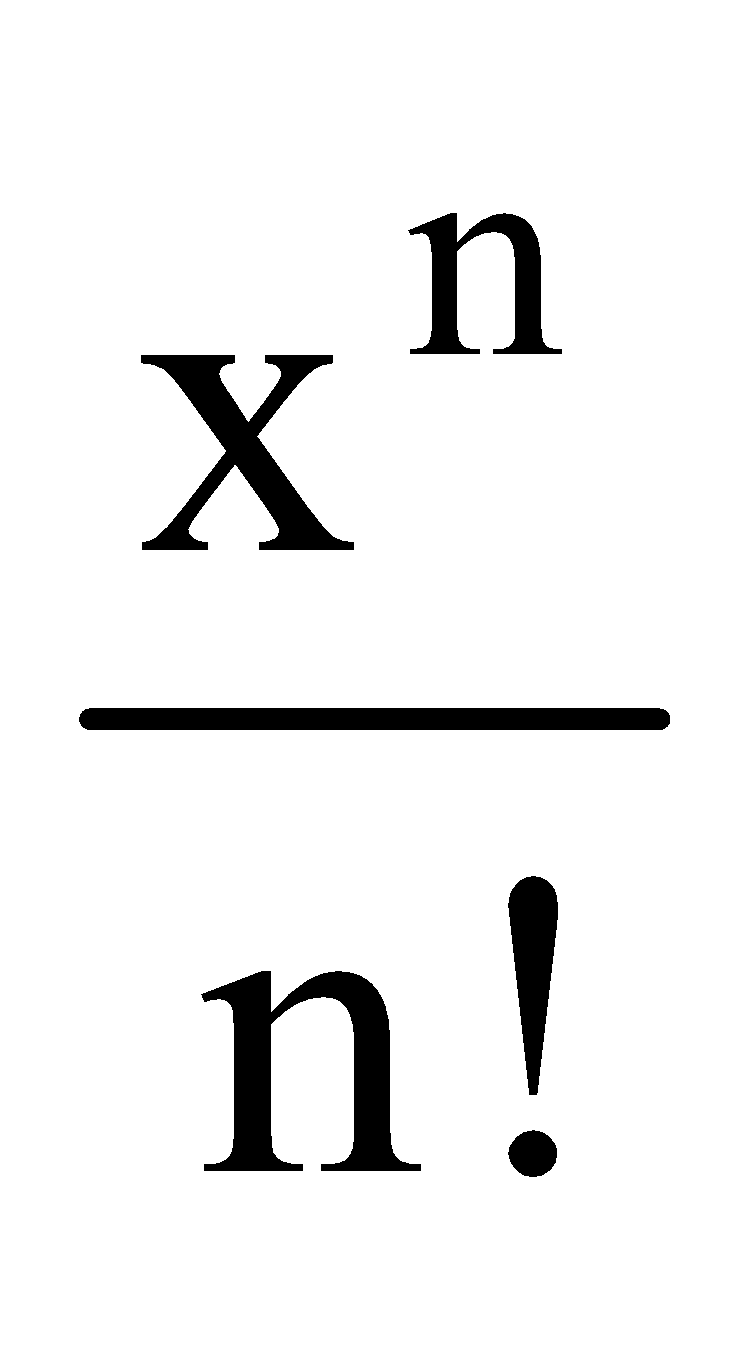 will be less than arbitrarily chosen small positive numbers after some stage.
It is not true since n approaches ∞ much faster than log n.
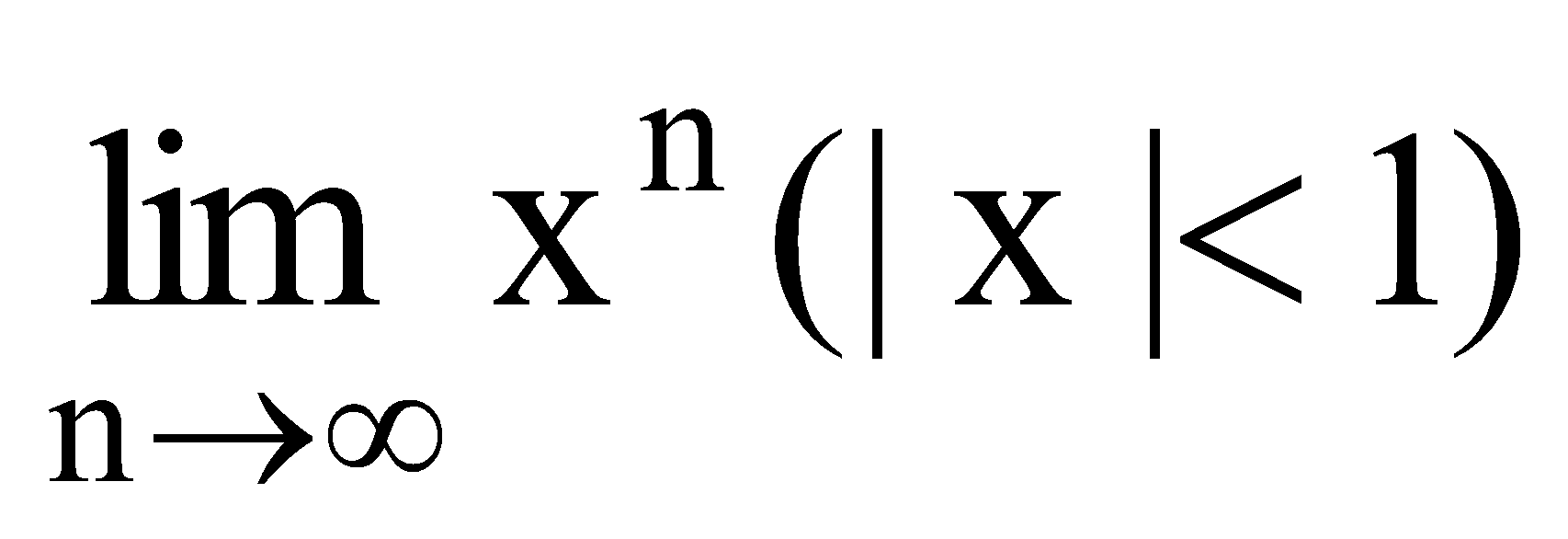
It is wrong since x n → 0 as n → ∞ (Recall infinite GP)
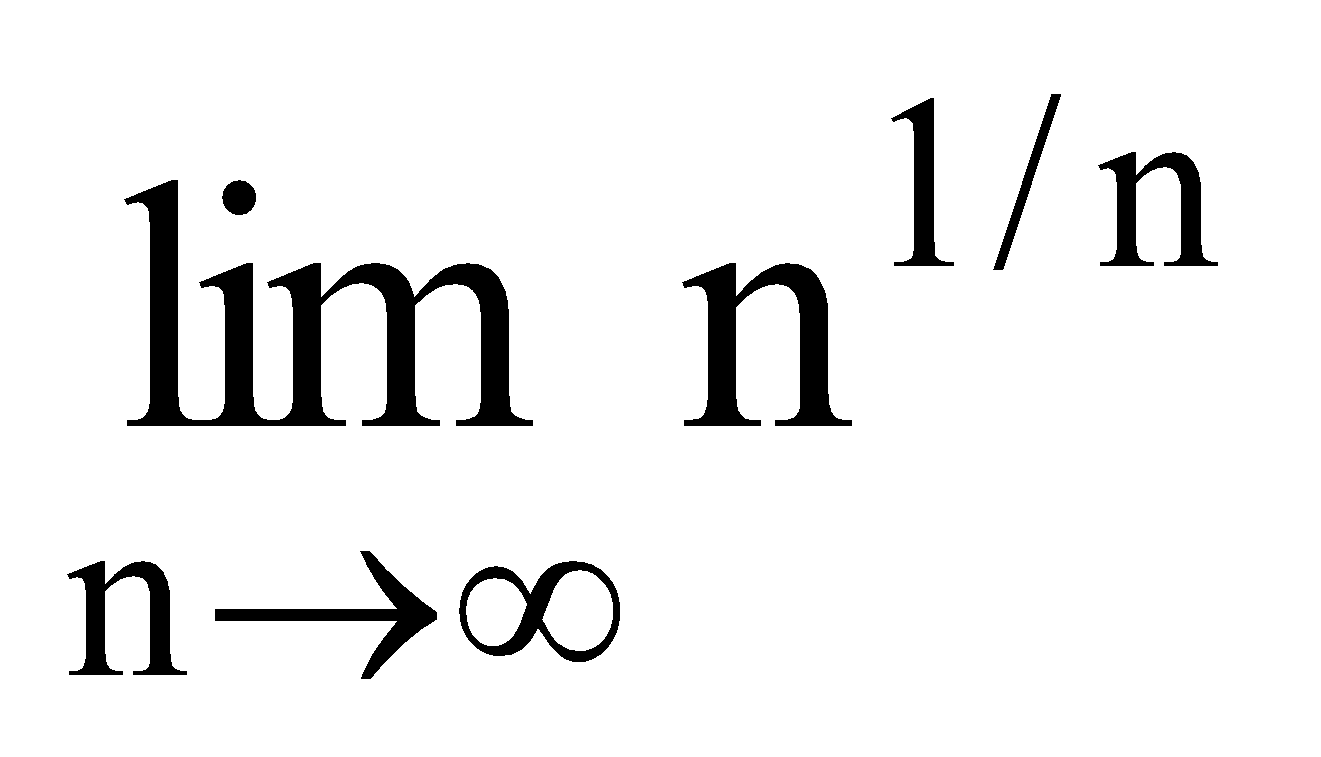
It is correct not only due to the fact that other choices have been eliminated but by the fact that n 1/n will always be greater than n whatever be the value of x. Thus is the correct choice.
(ii)
Sol.a 1 = 1, a 2 = 2(a n–1 + 1) = 4, a 3 = 3(4 + 1) = 15
P 1 = 2 = 1 + 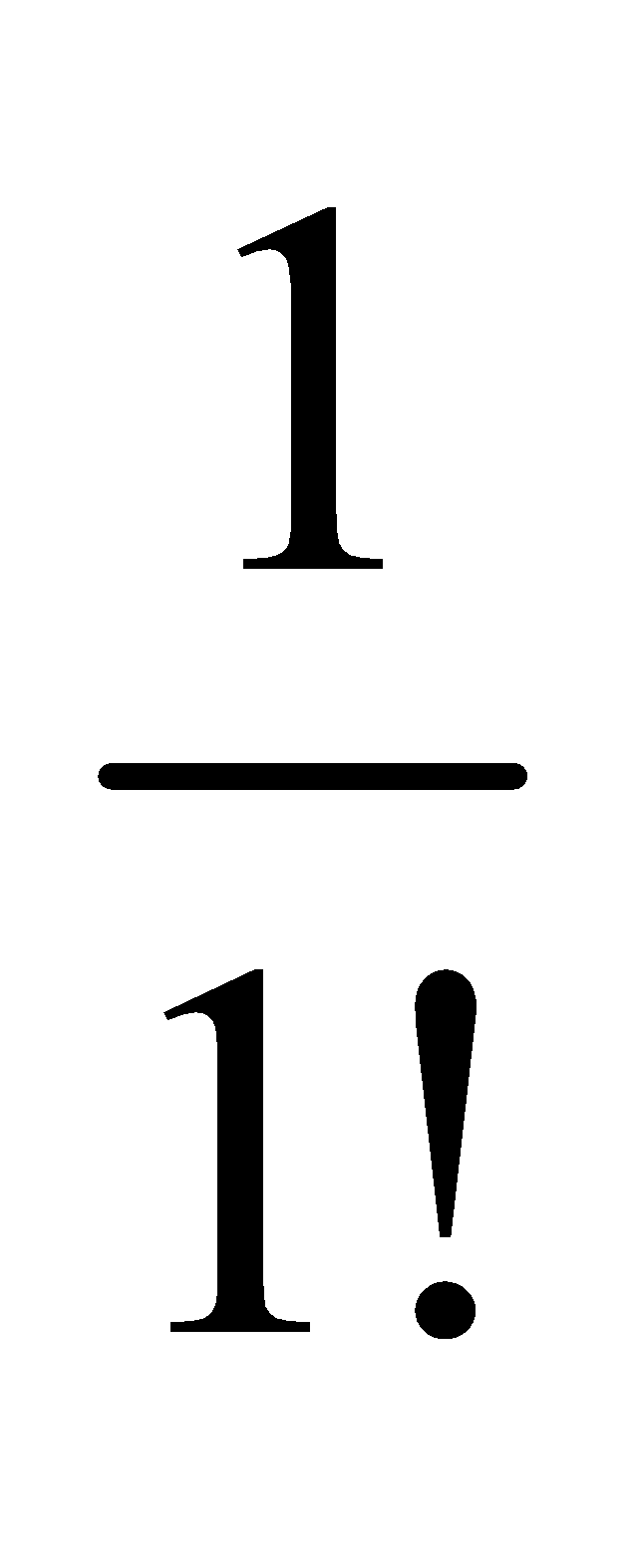 , P 2 =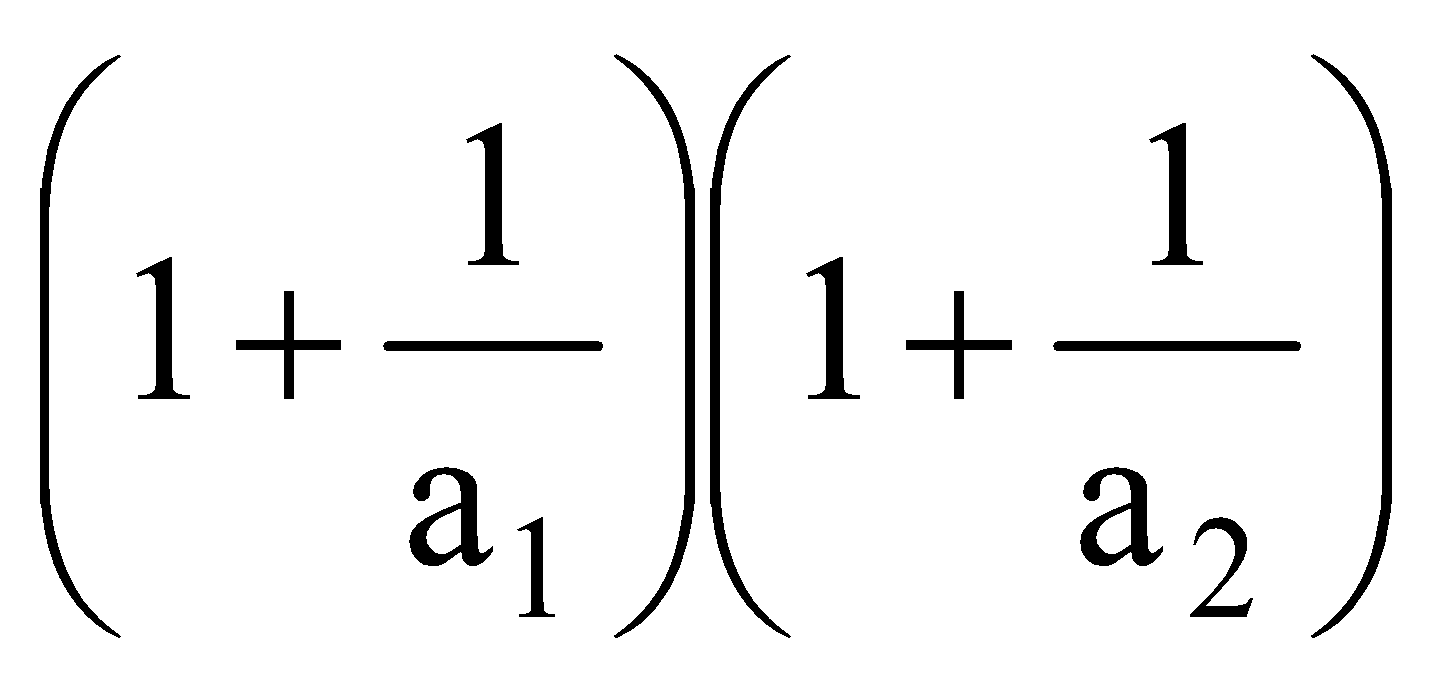
= 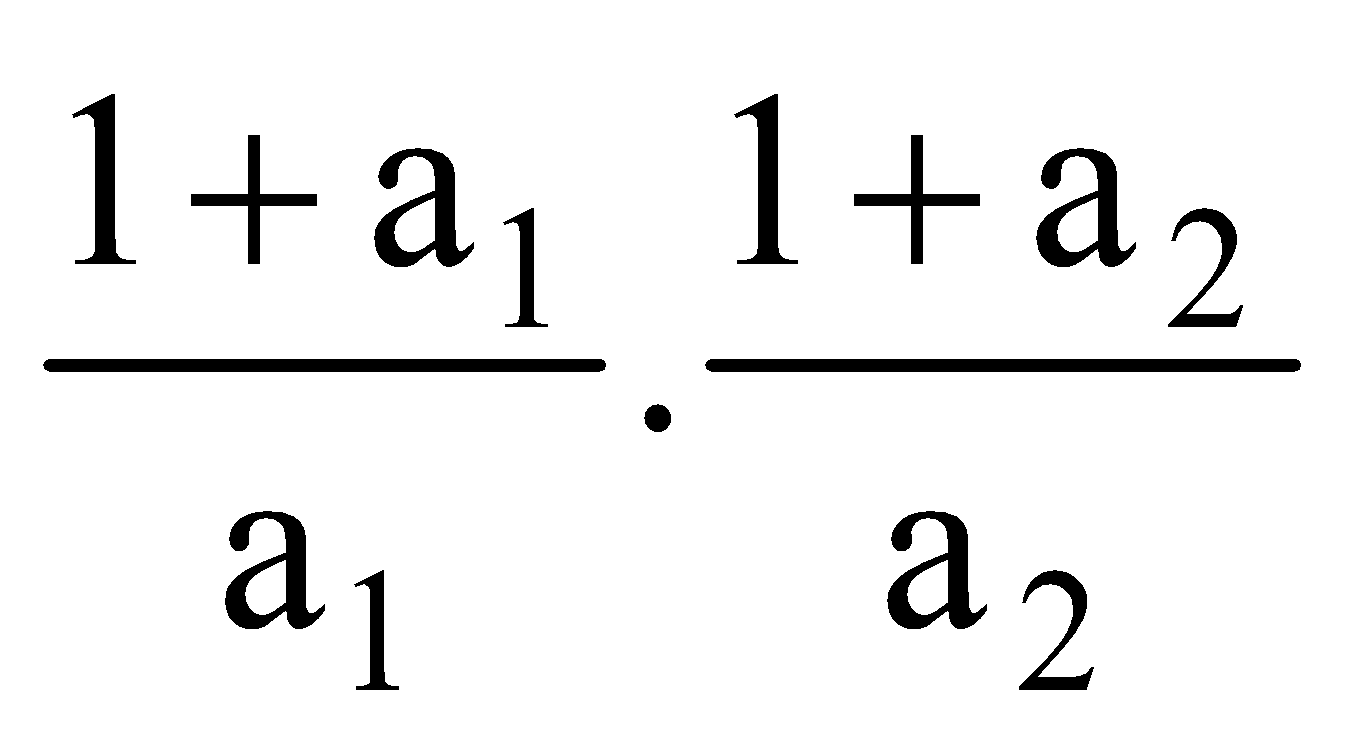 =
= 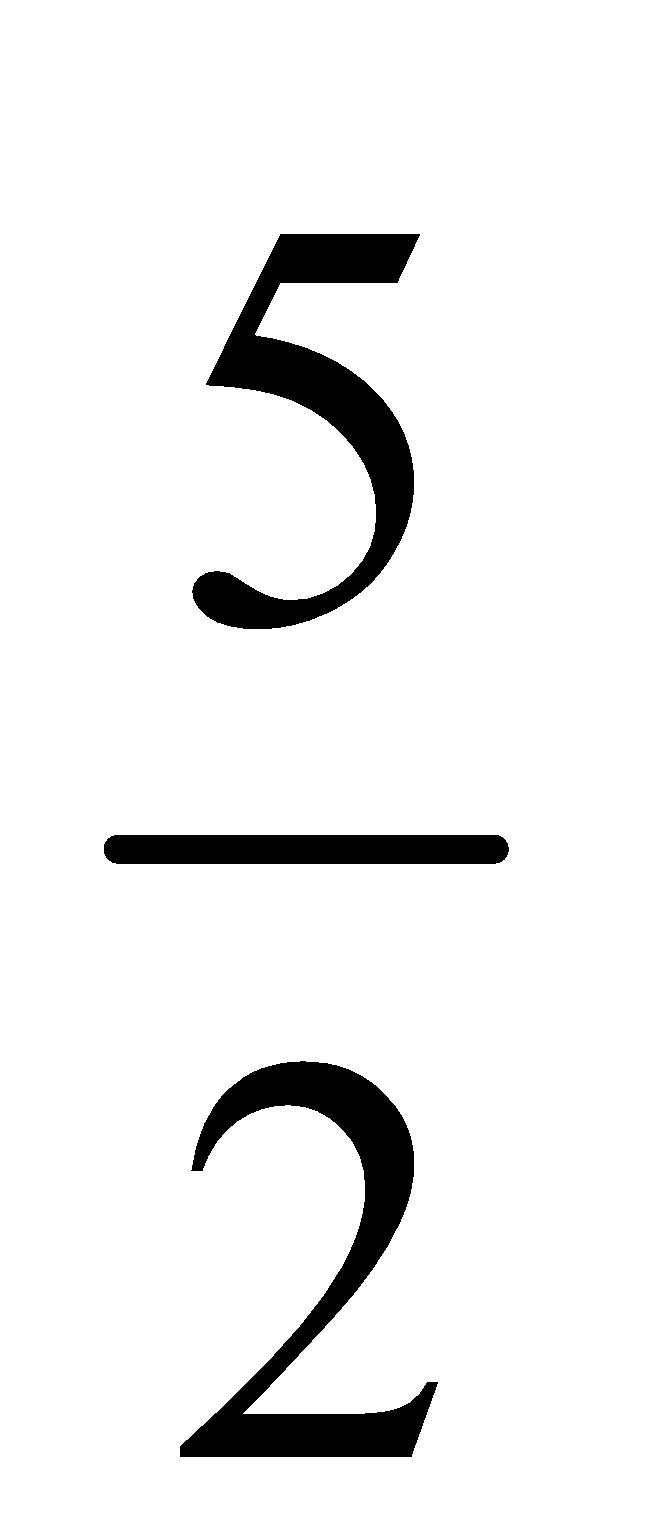 = 1 +
= 1 + 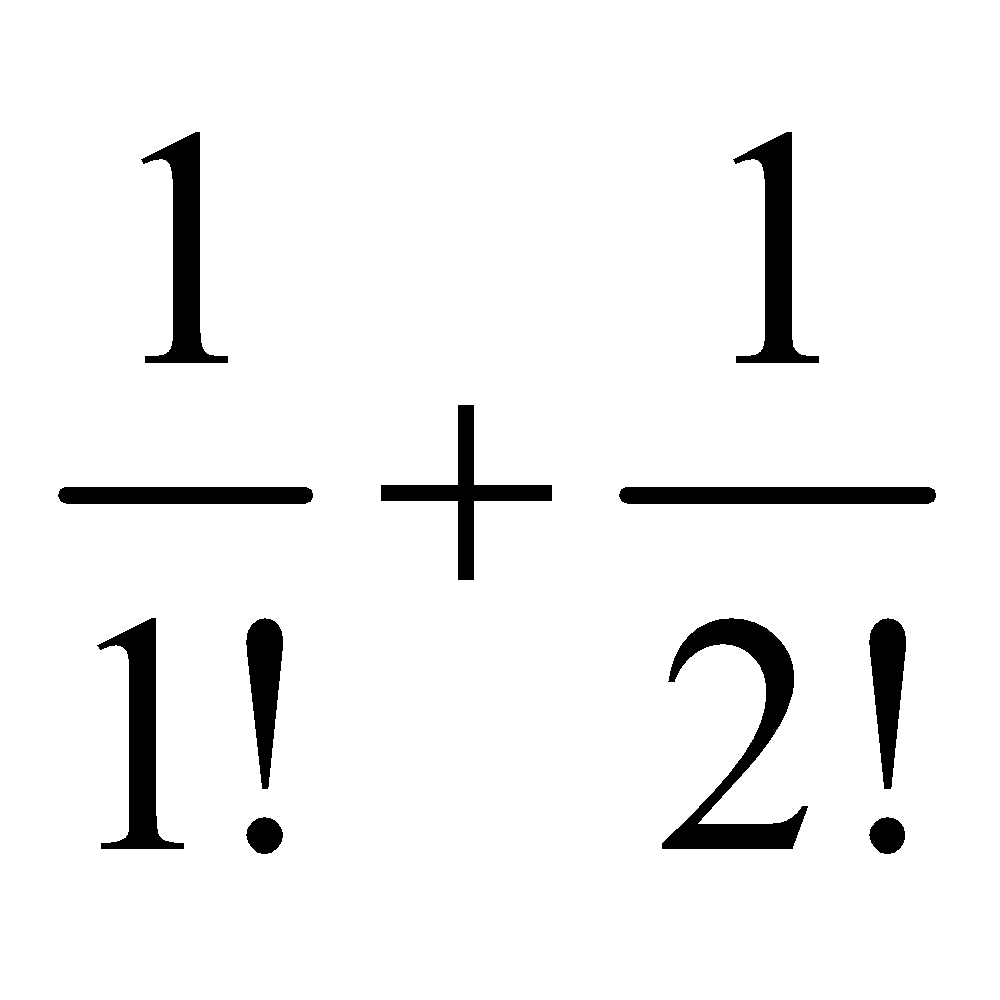
P 3 = 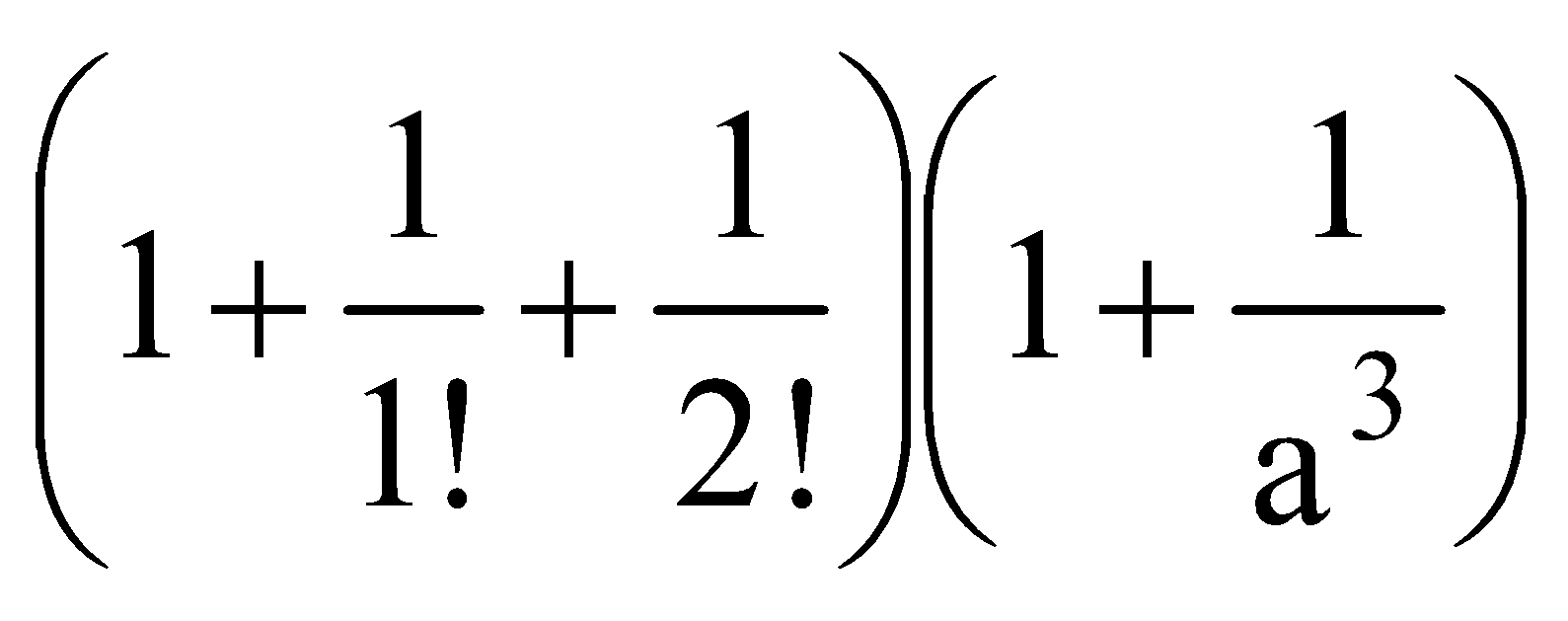 =
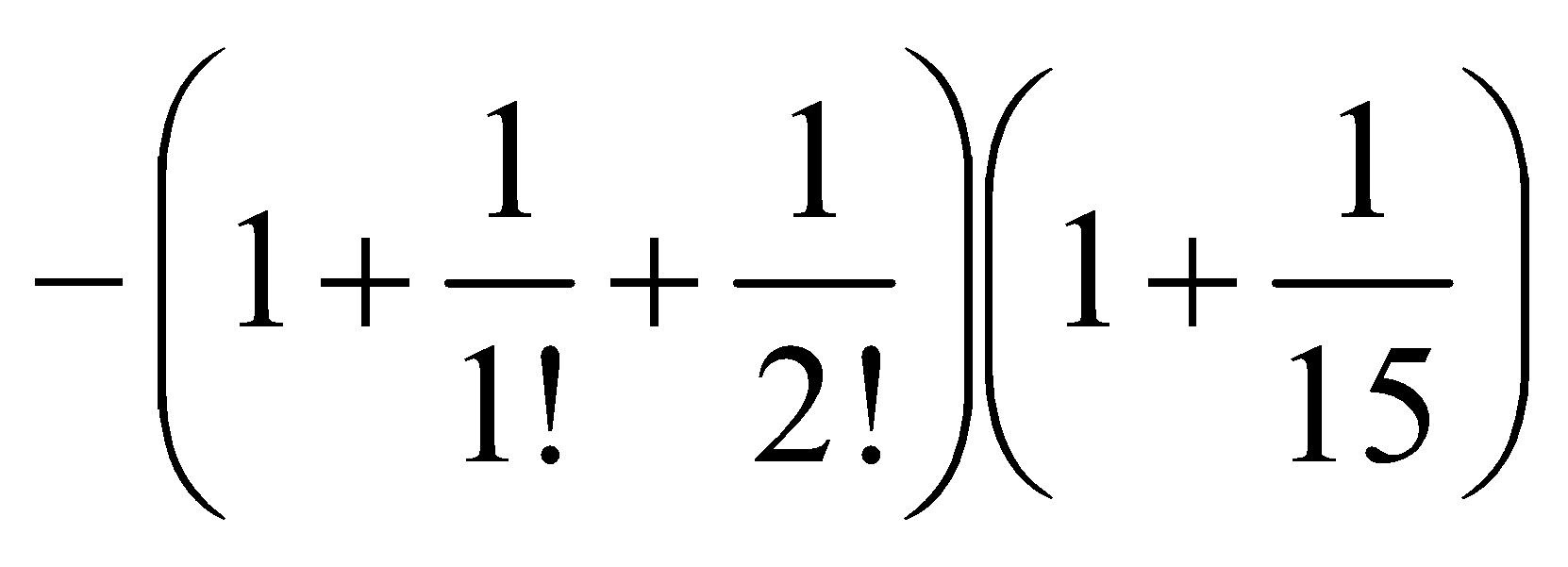
= 
= 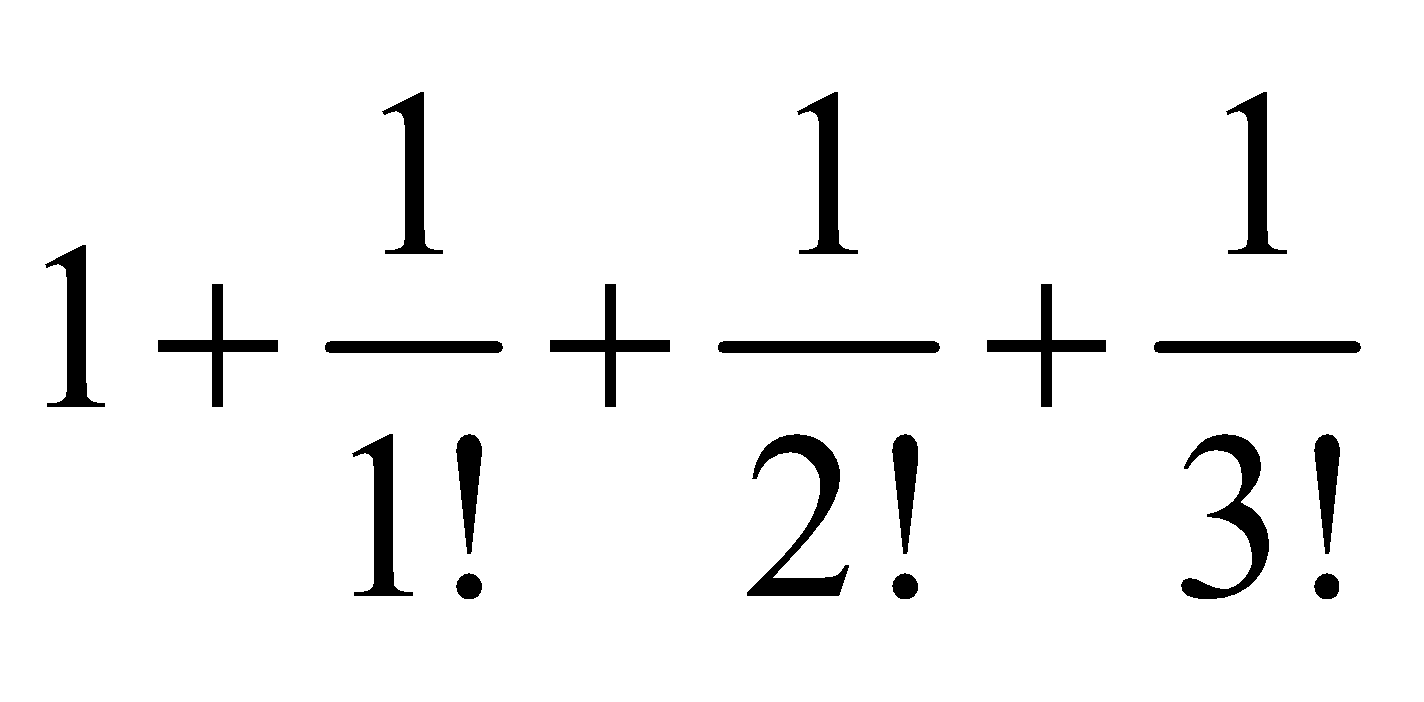 and so on. ⇒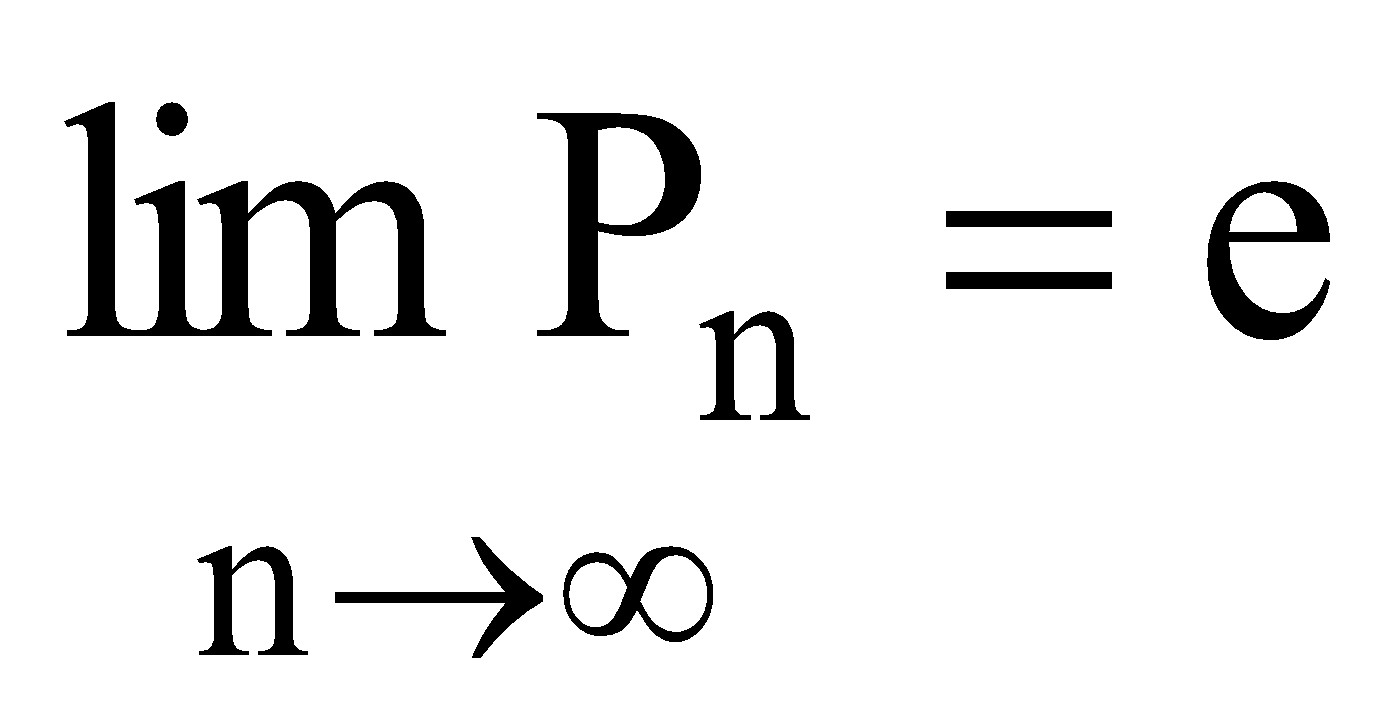
(iii)
Sol. a 2 2 = 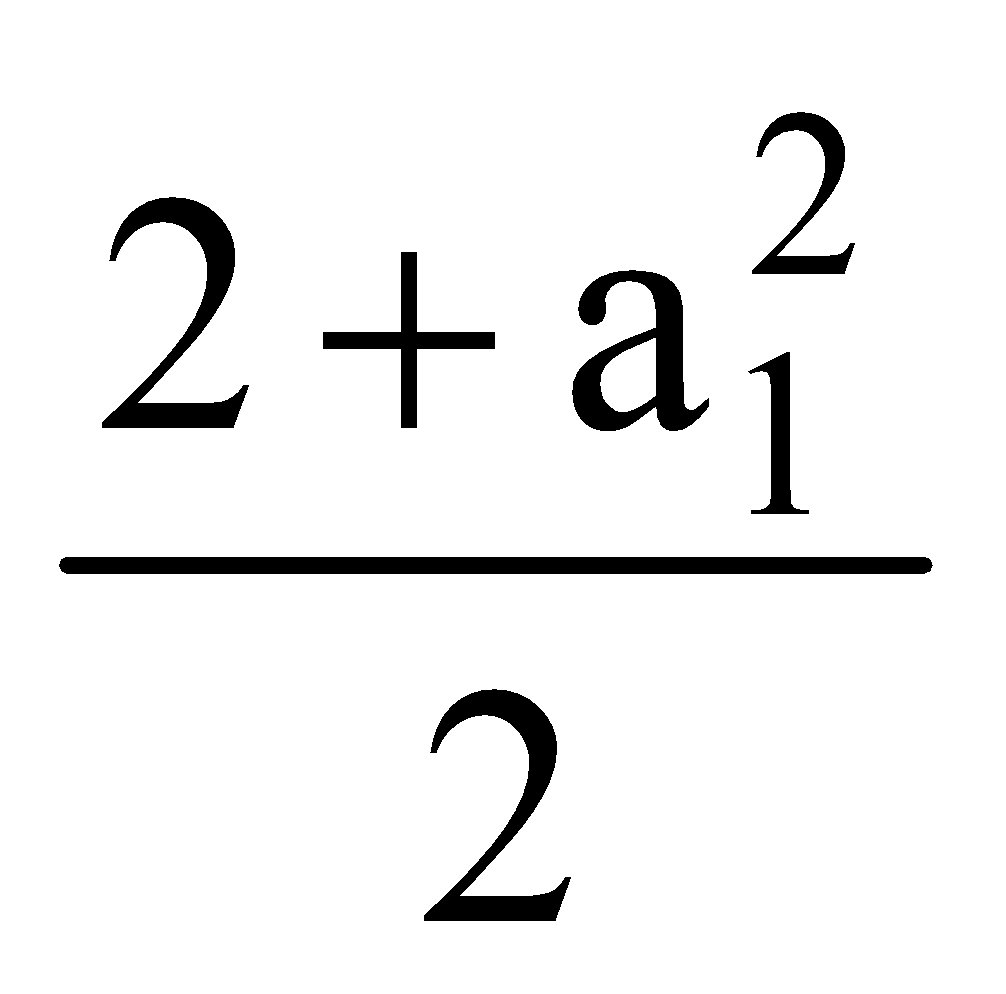 =
= 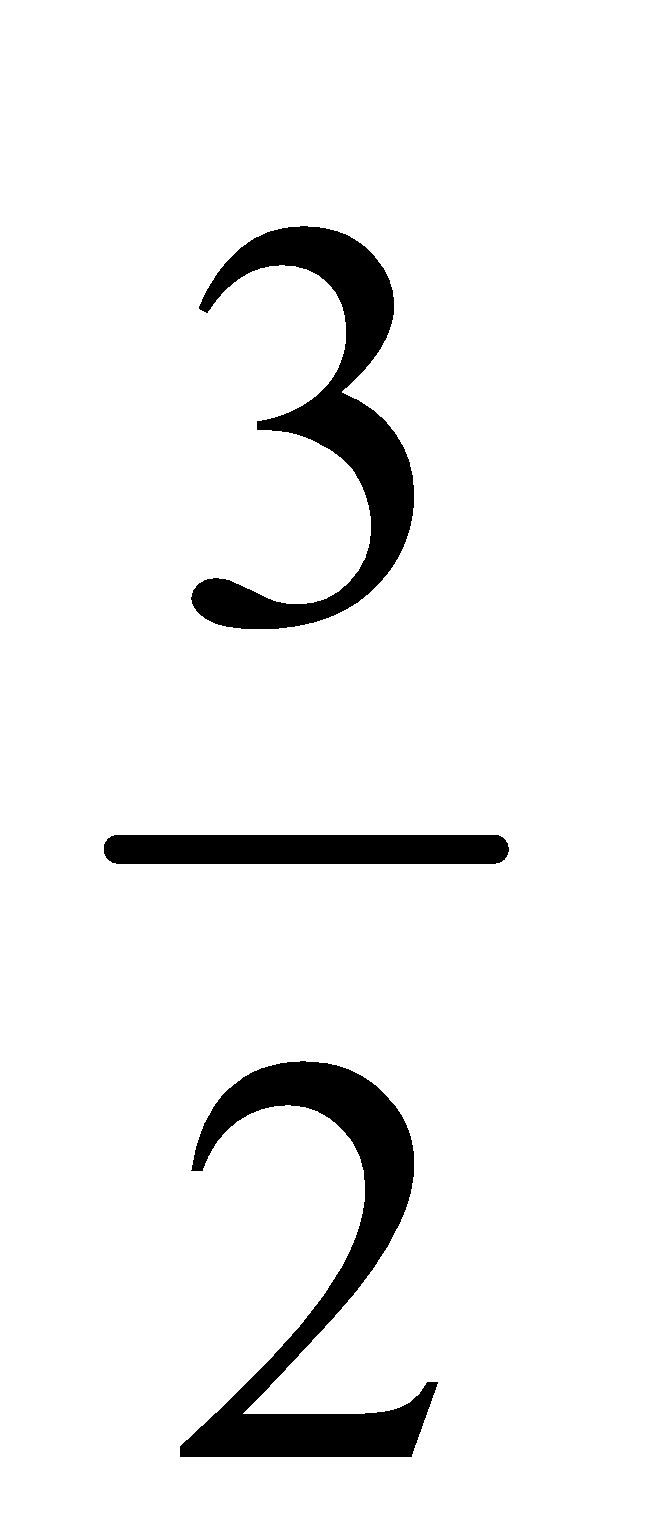 ⇒ a 2 =
 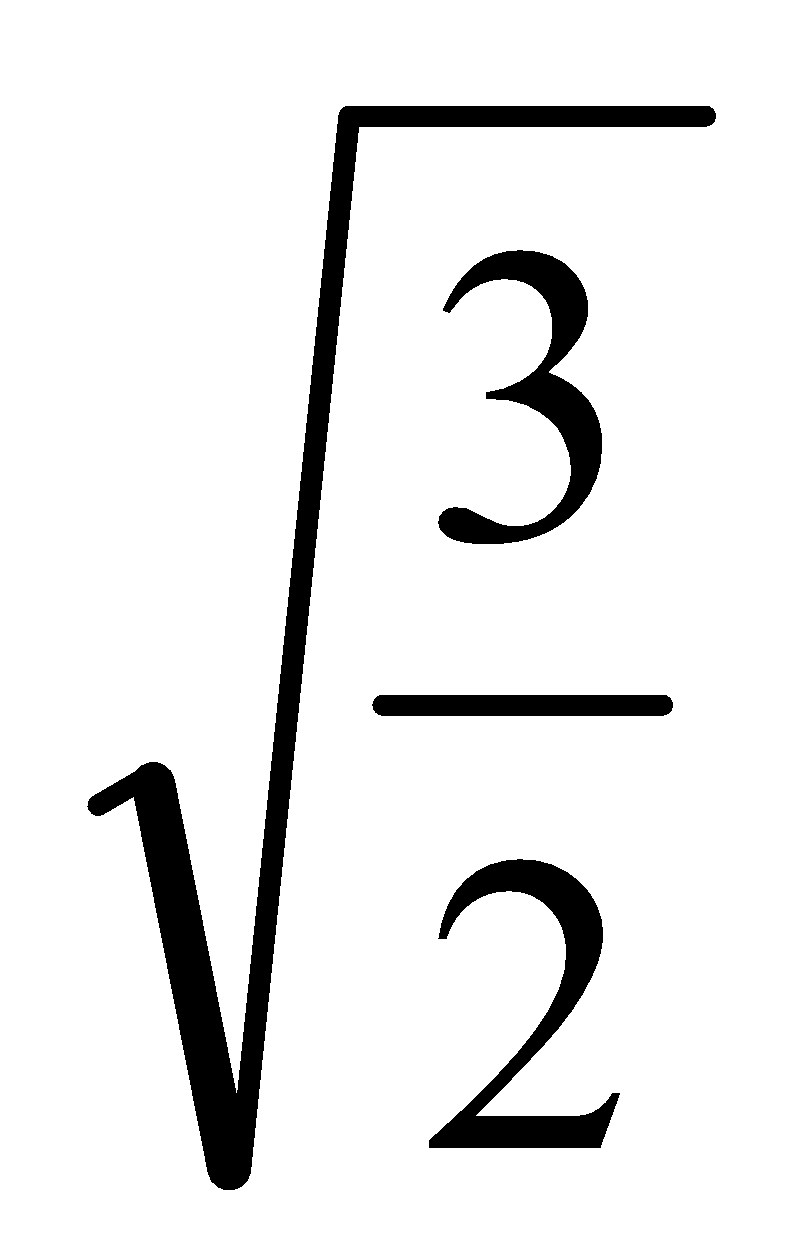 > 1
> 1
⇒ a 2 > a 1
a n 2 = 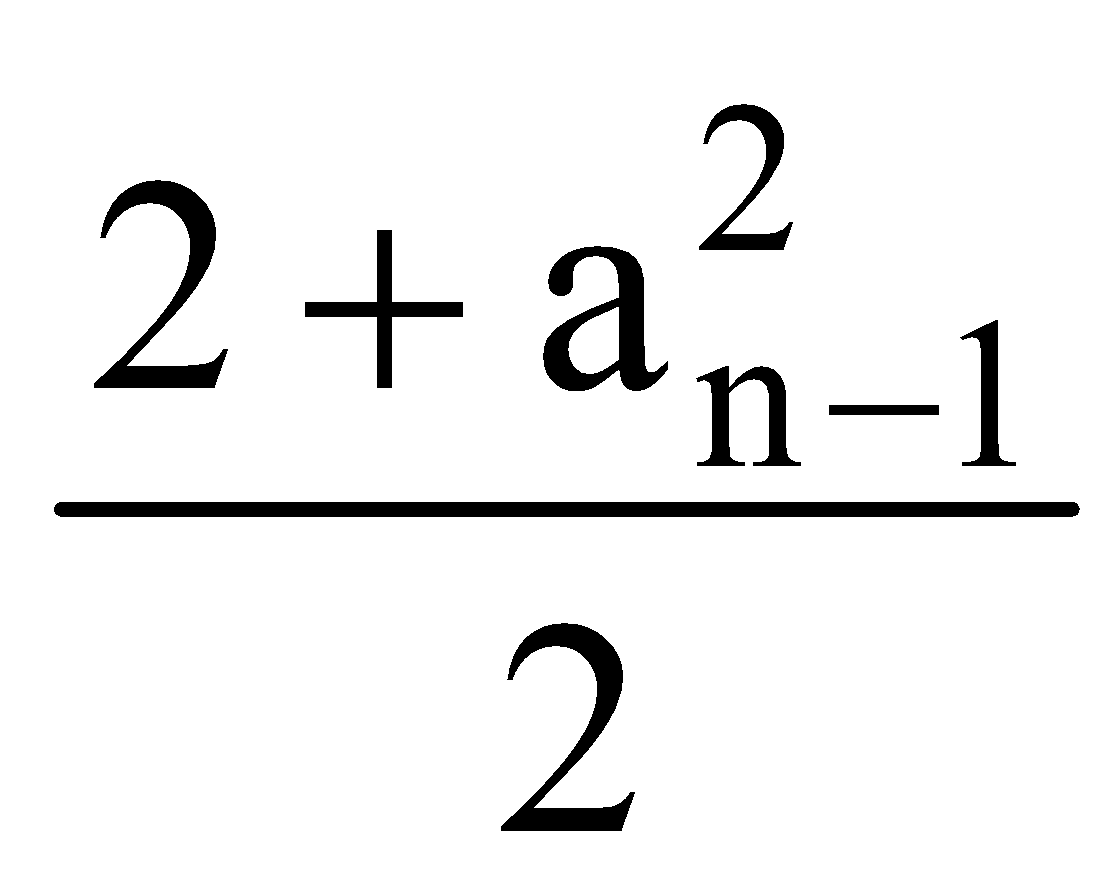 ⇒
⇒ 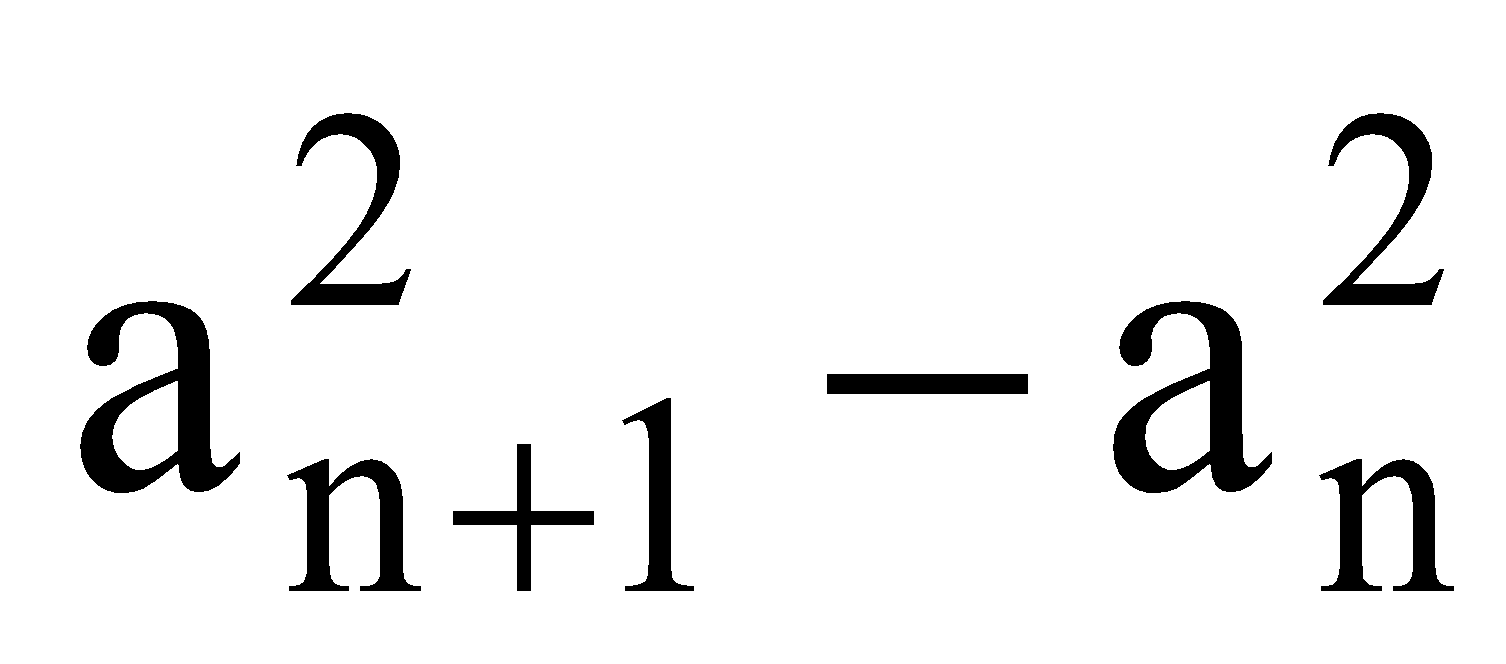 =
= 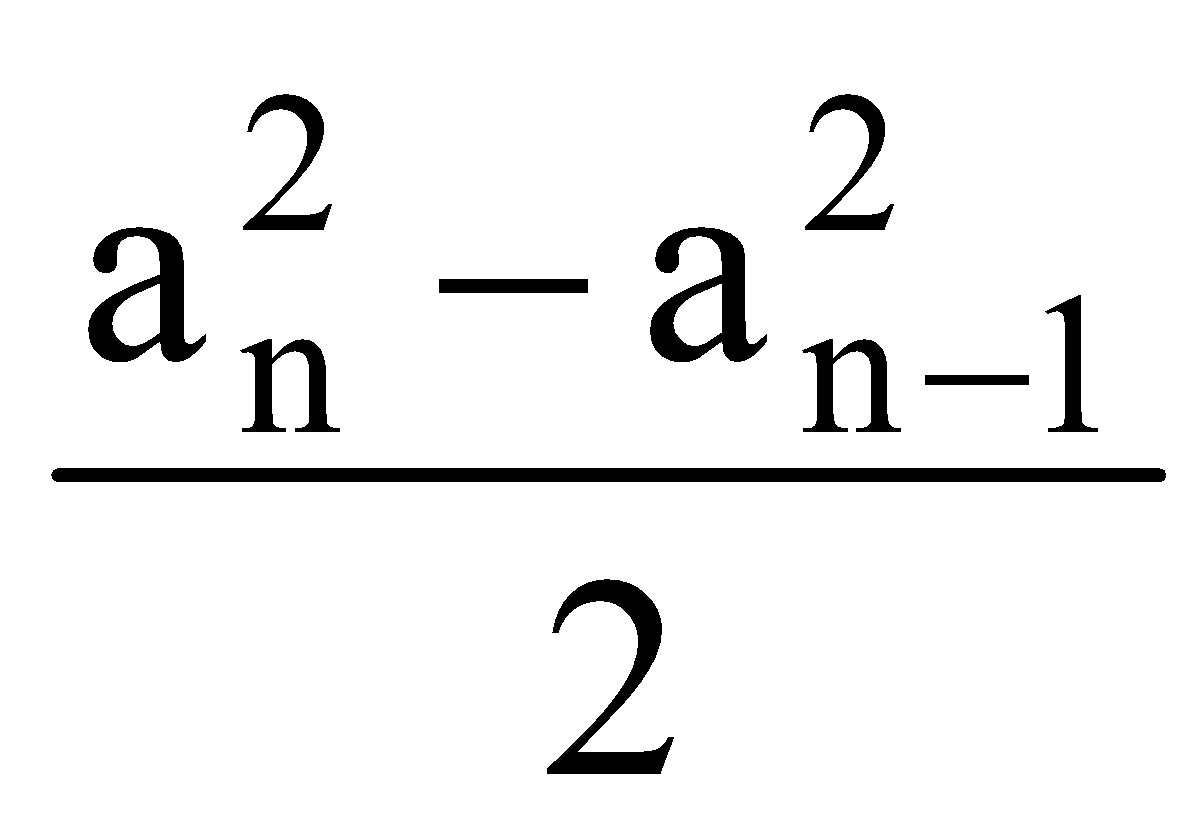 ....(i)
Since a 2 > a 1 , from Eq.(1), a 3 > a 2 and so on.
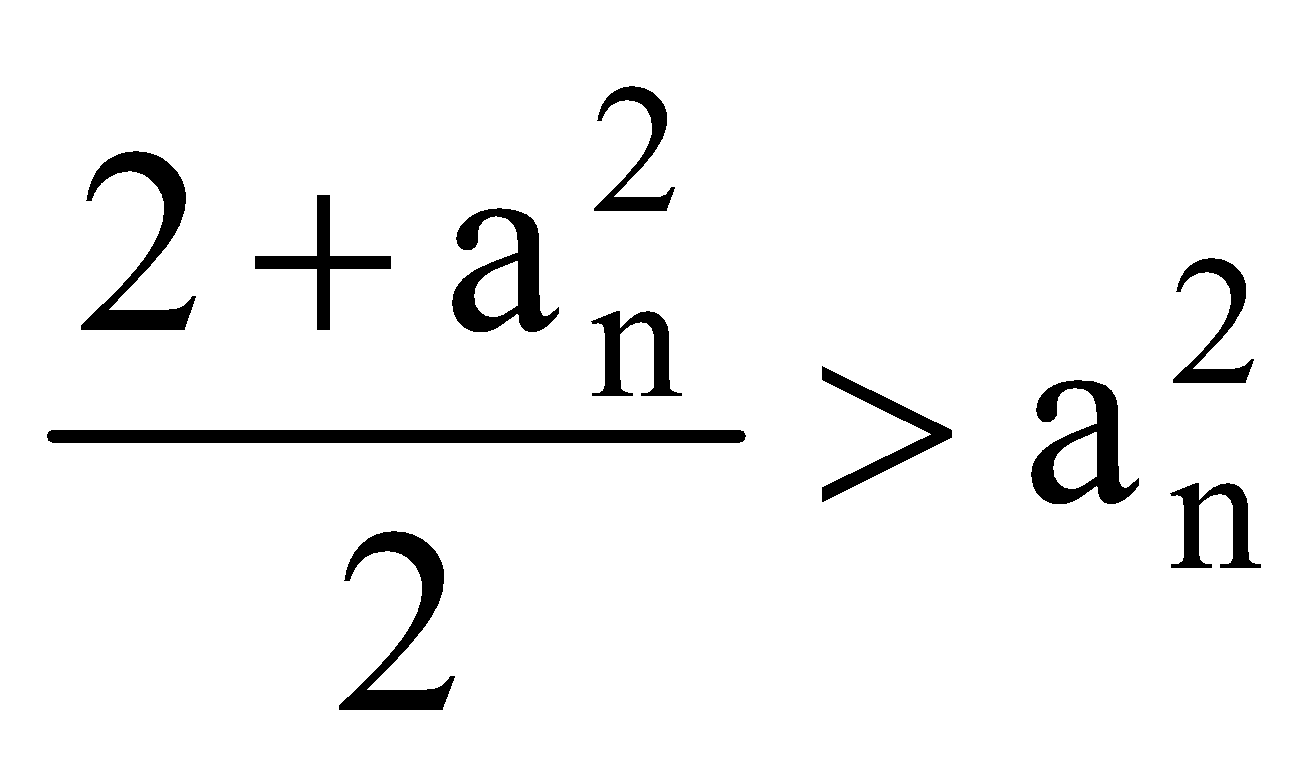
Thus 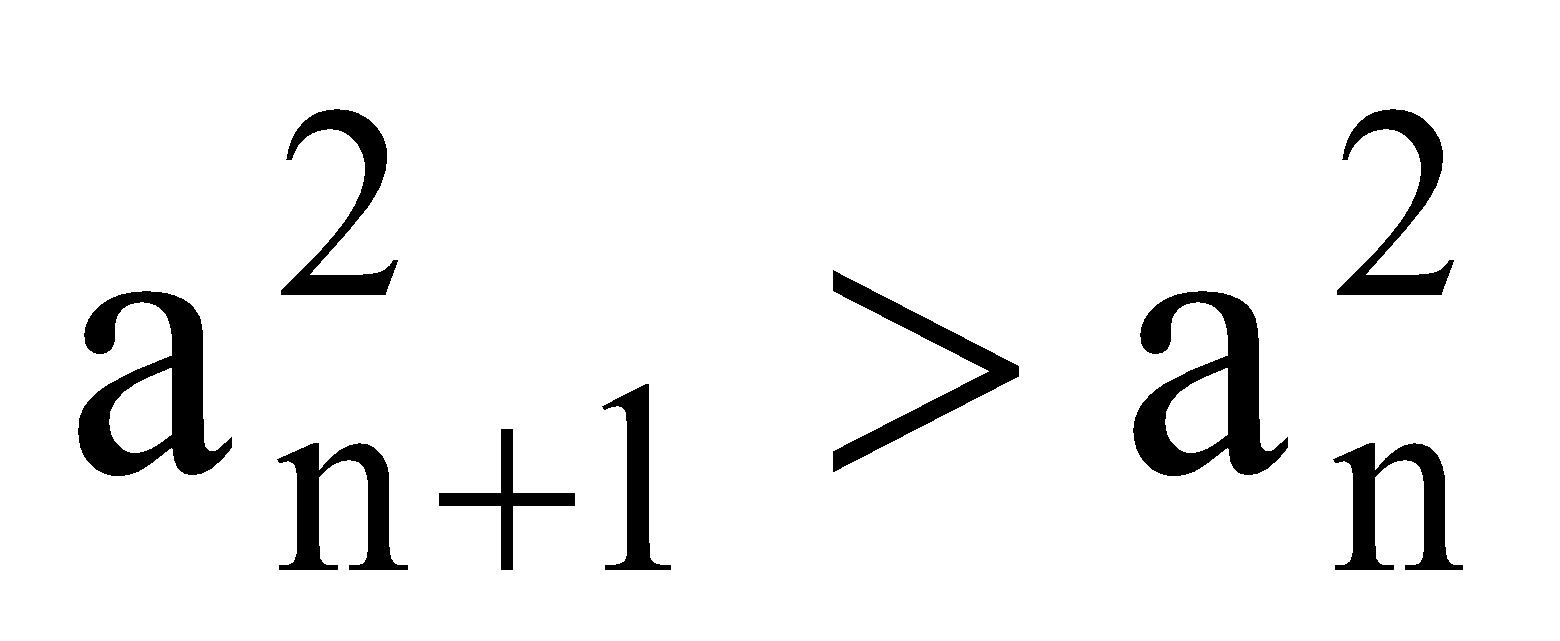 for all n.
⇒ 
⇒ 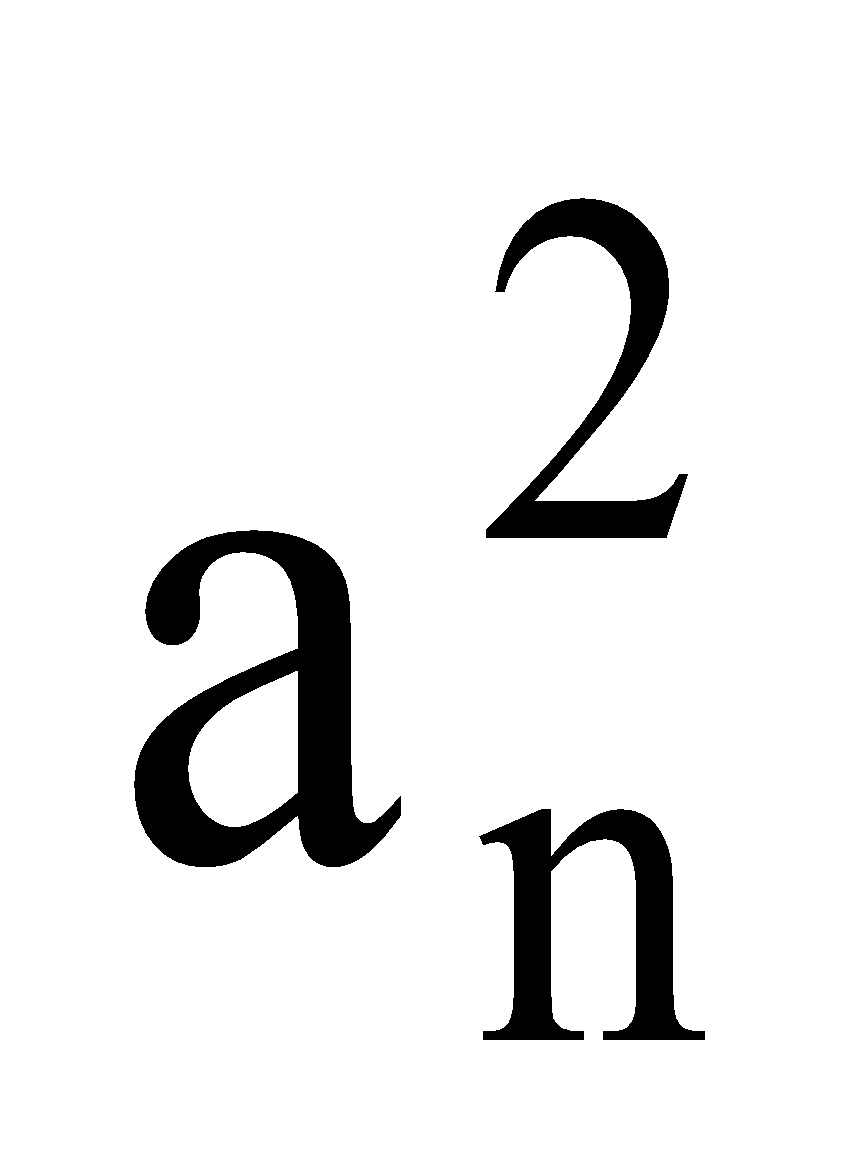 < 2 for all n
⇒ 1 < a n < 2 for all n
Since {a n } is increasing.
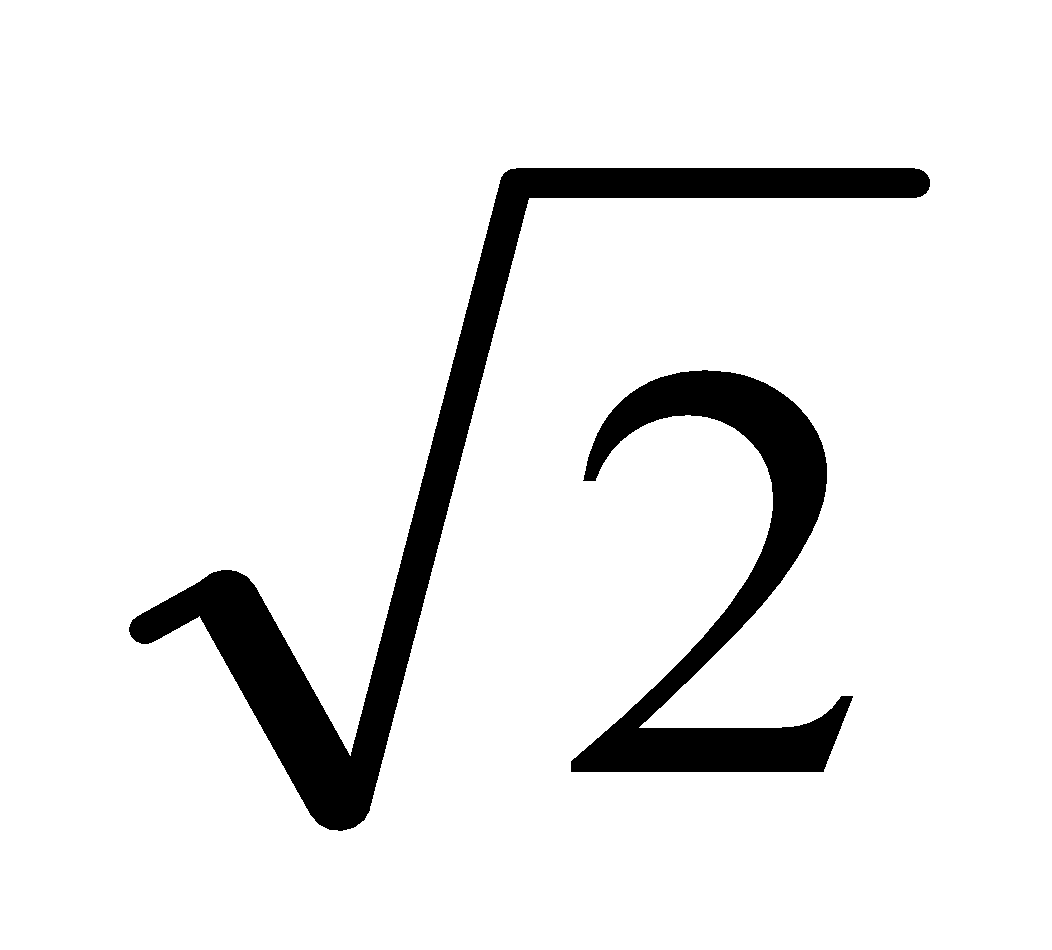
∴ 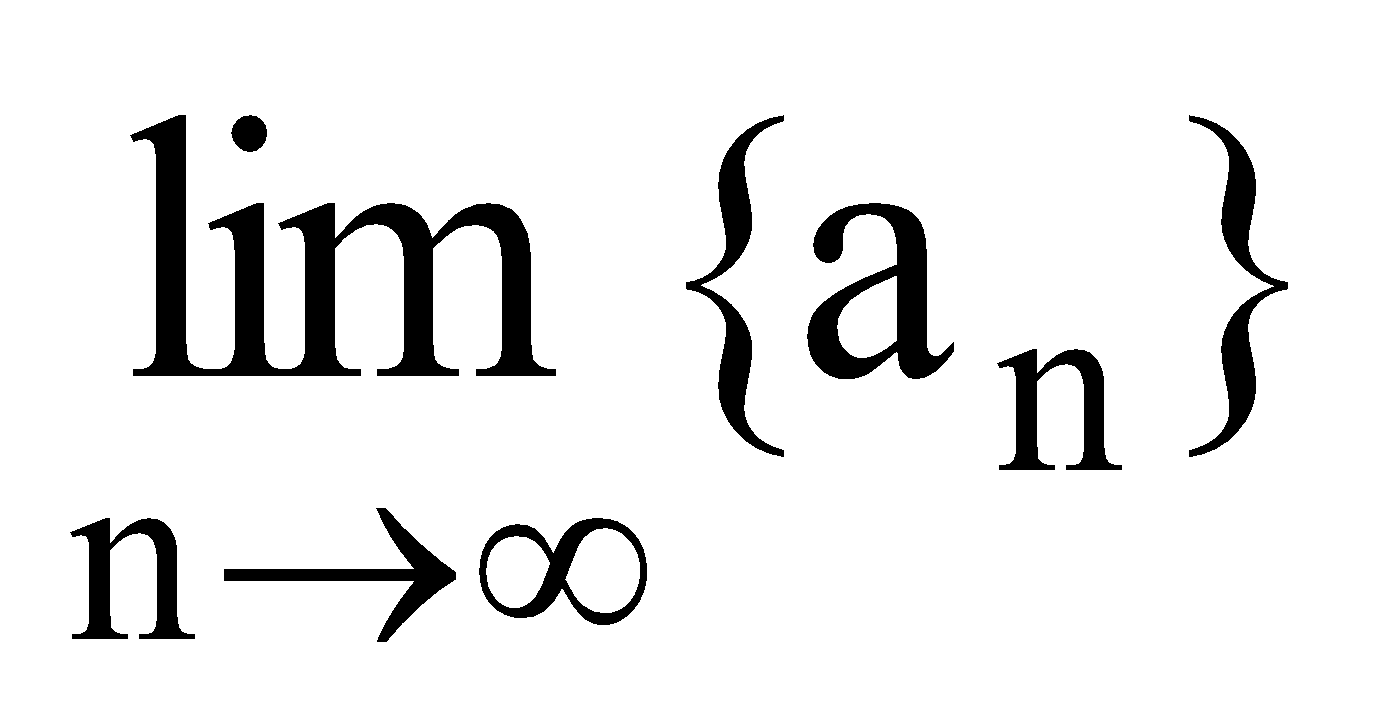 =
= 
Prepare Smarter with CGP Edu
Get practice questions, solutions, and test series in one place.
Write a Review
Share your experience with this question and solution.
Commentary
Send your comment, doubt, correction, or feedback to admin.
Similar Questions
Explore conceptually related problems