There are some coordination compounds given in column-I which may exist in different isomeric forms as given in column-II. Select the correct option(s) for the coordination compounds and their respective isomeric forms .
Column-I | Column-II | ||
(a) | [Co(en)2NH3Cl]SO4 | (p) | Enantiomer |
(b) | [Co(NH3)4(NO2)2](NO3)2 | (q) | Geometrical isomer |
(c) | [Co(en)(pn)(NO2)2]Cl | (r) | Ionization isomer |
(d) | [Co(gly)3] | (s) | Linkage isomer |
Text Solution
Verified by ExpertsA
(A - p,q,r); (B - q,r,s) ; (C - p,q,r,s) ; (D - p,q)
Sol.  SO 4 2– and
  Cl – ionisation isomerism.
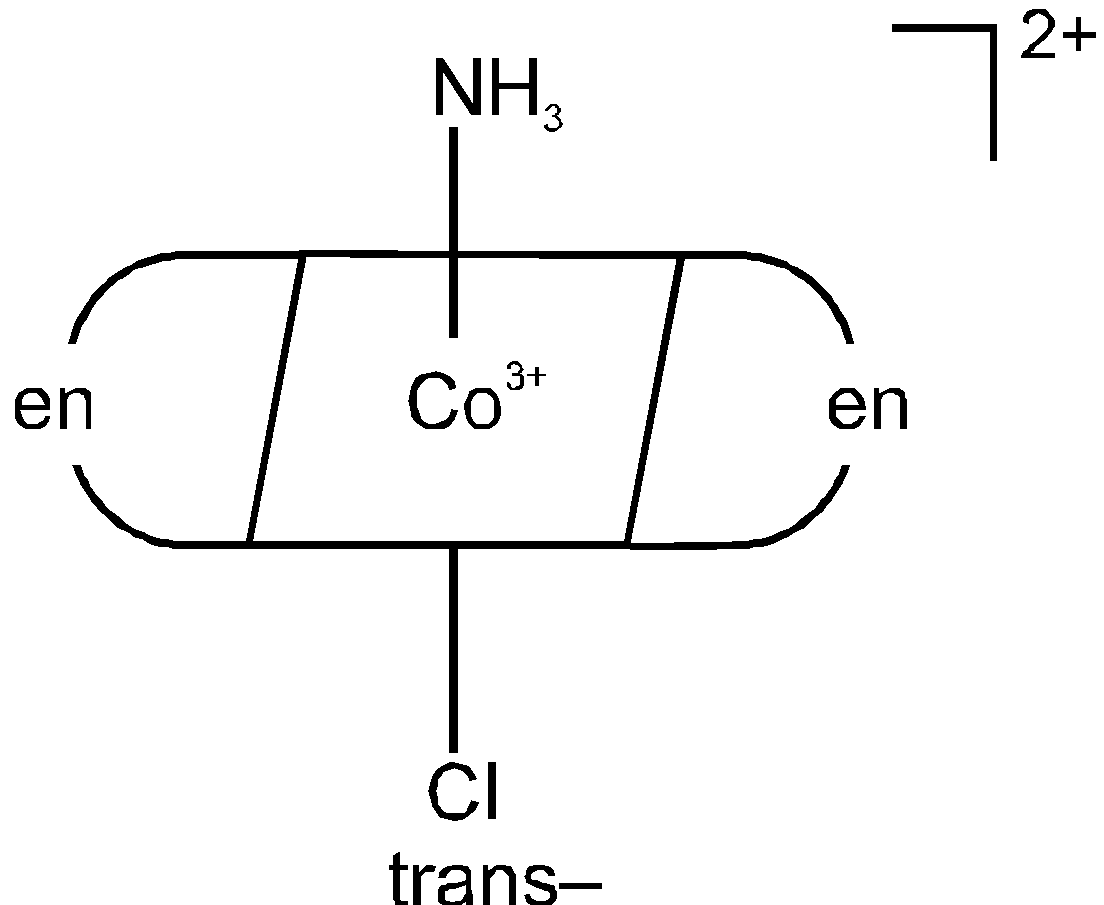
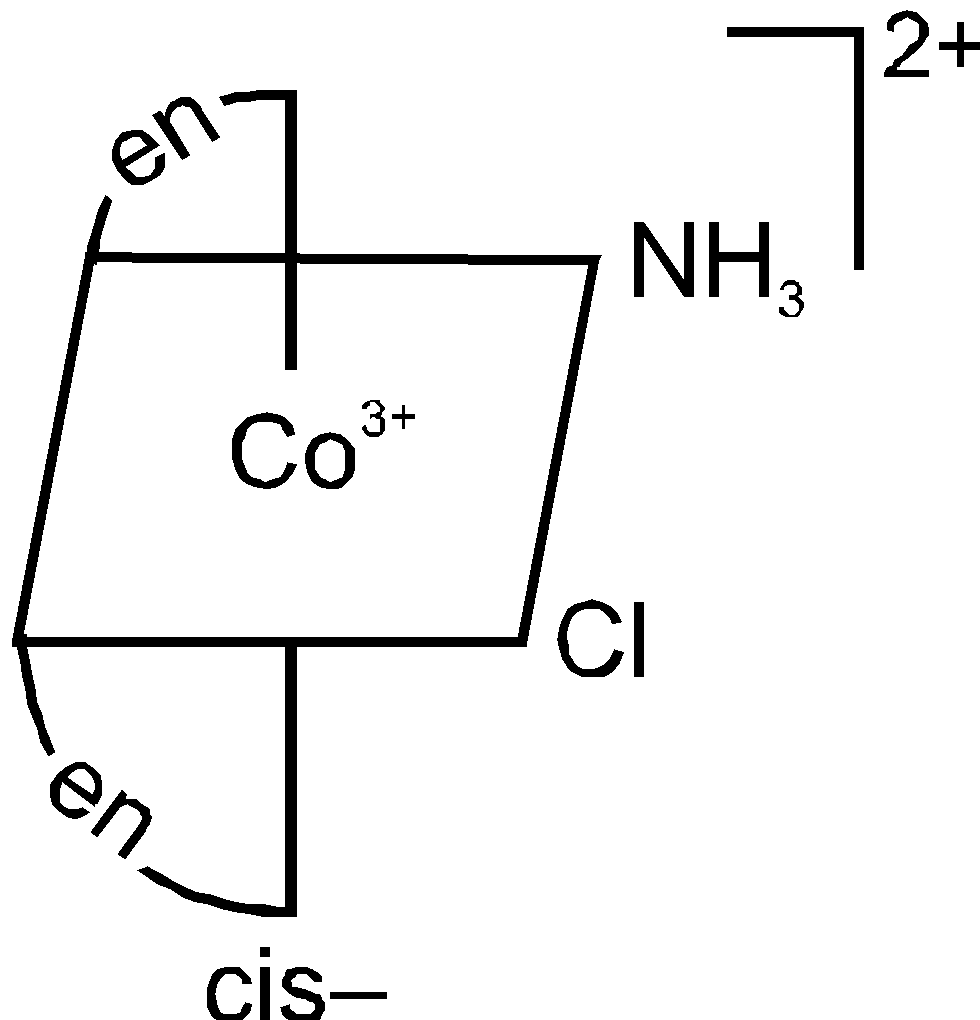

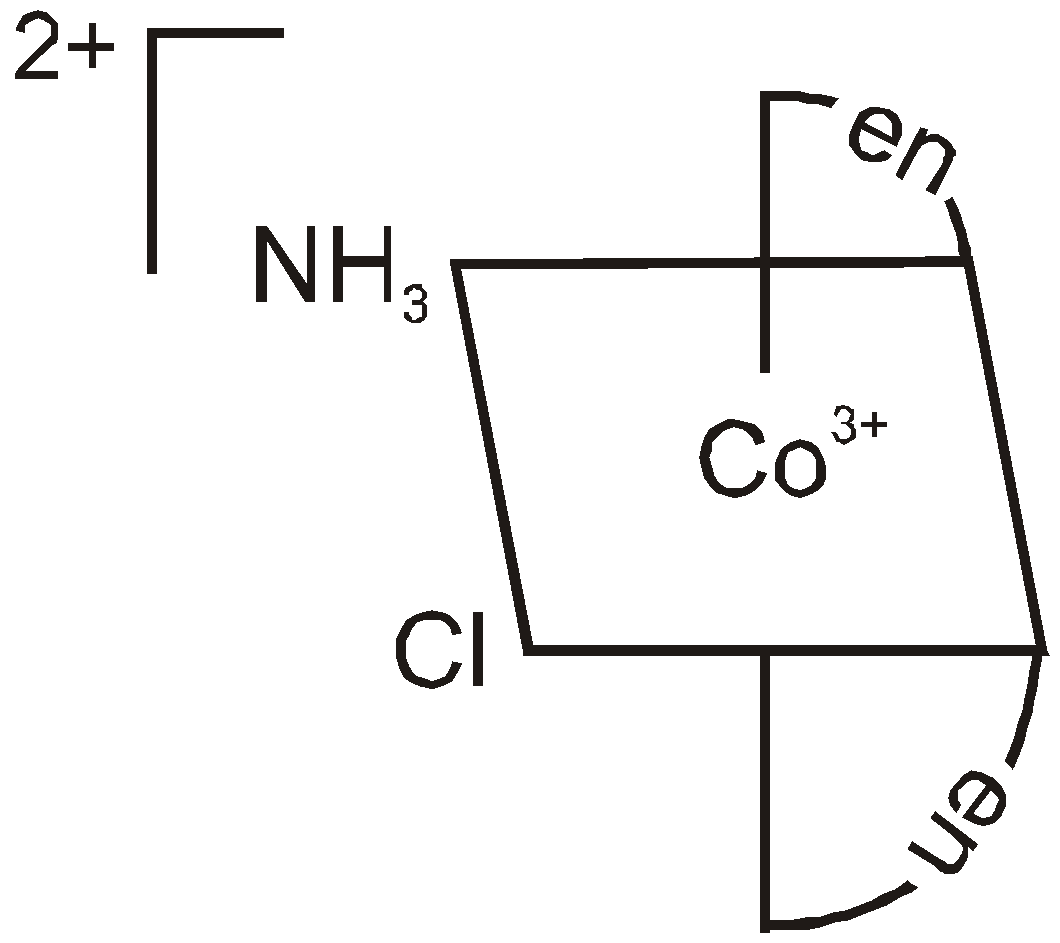
Has total 12-isomeric forms including linkage (NO 2 - ambidentate ligand), ionisation (exchange of NO 2 – and NO 3 – ), geometrical isomers (cis- and trans-).
Compound is optically inactive as cis- as well as trans-forms possess at least one plane of symmetry.
Exchange of NO 2 – and Cl – gives rise to ionisation isomerism.
Linkage through either O– and N– gives rise to linkage isomerism.
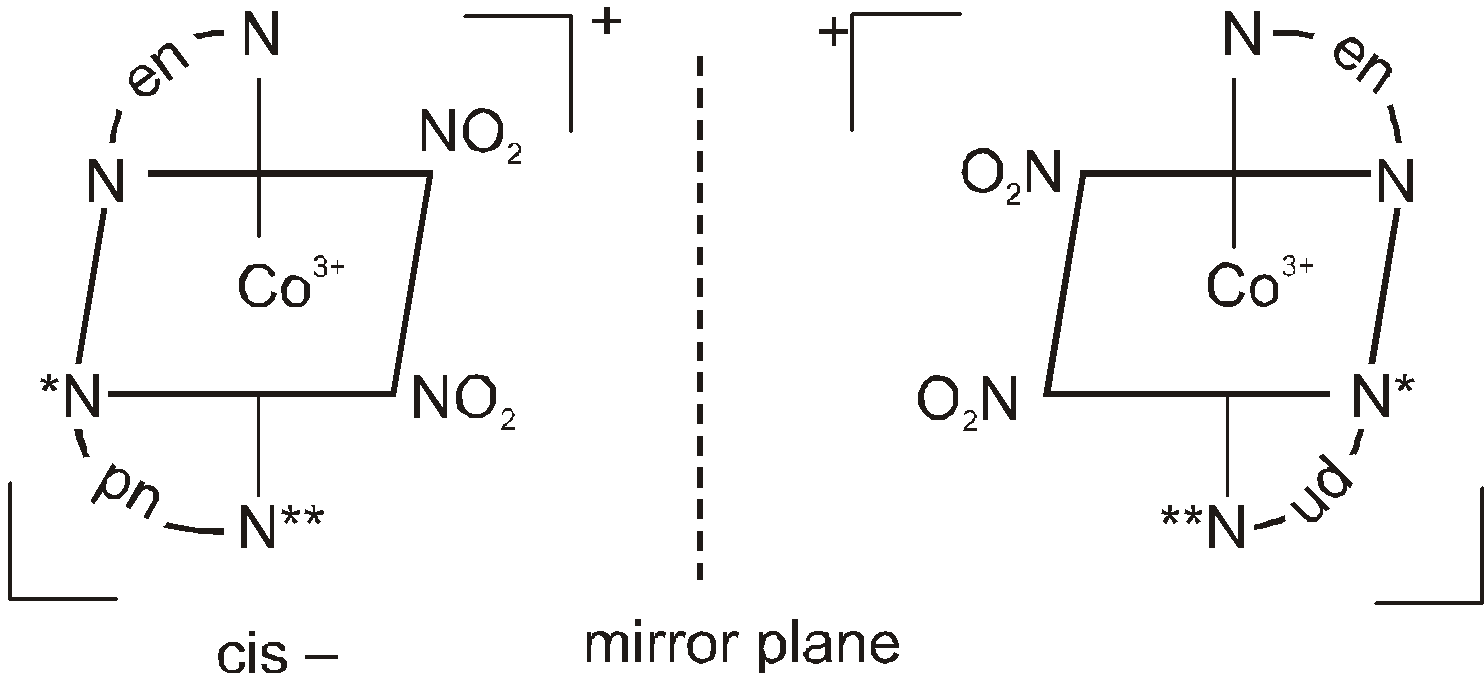
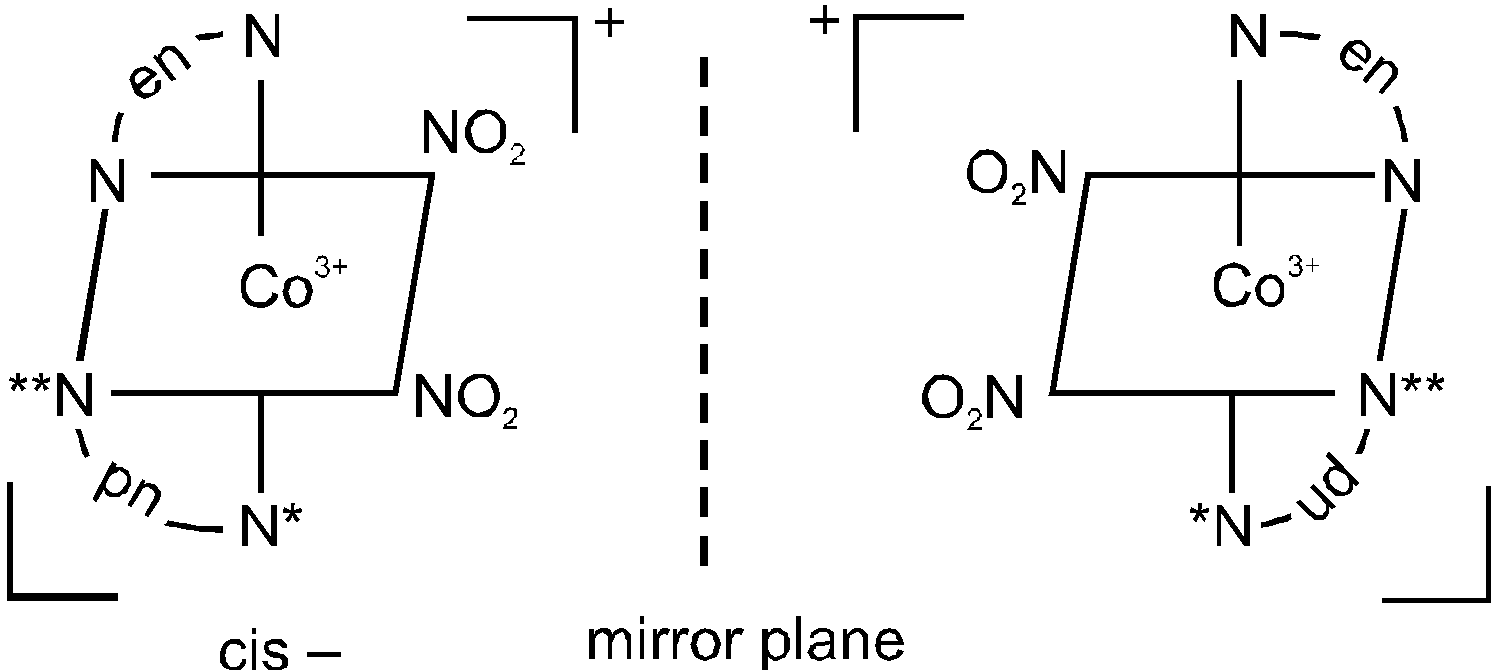
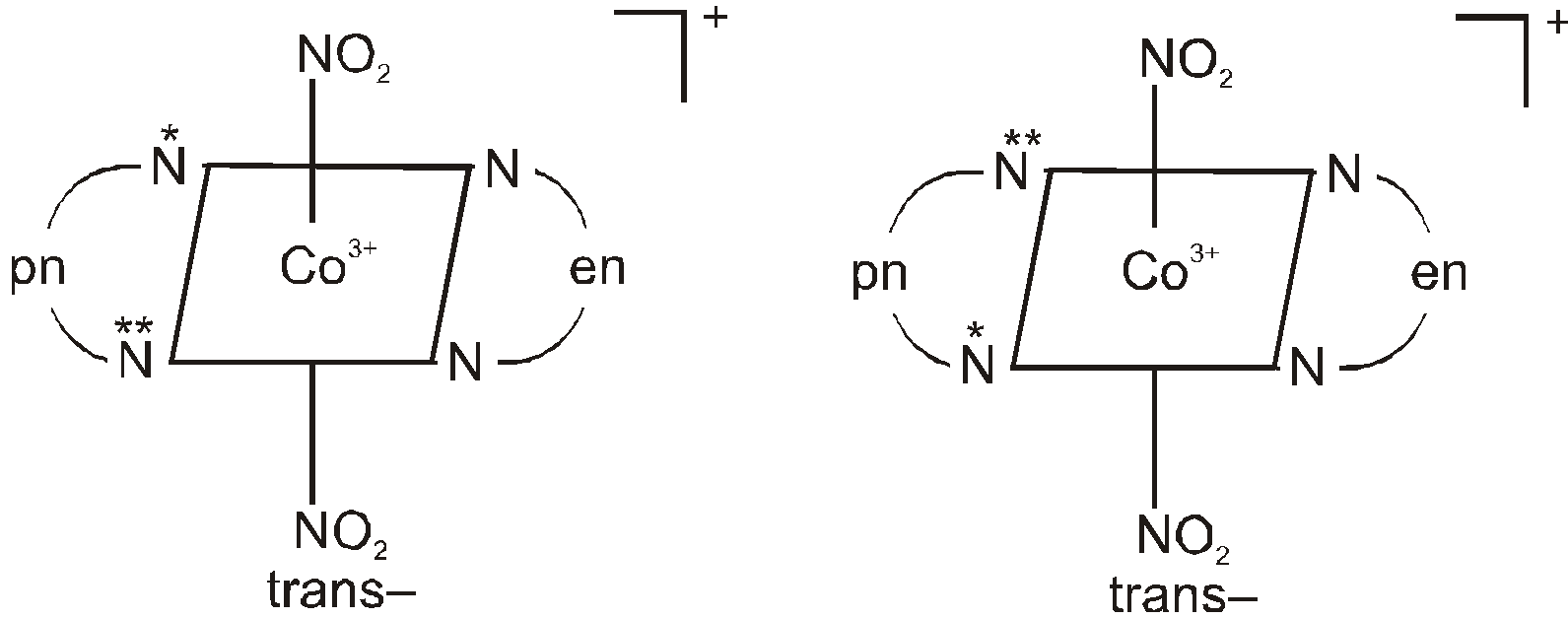
Thus exists in two trans – and two cis-isomers and each of cis-isomers show optical isomerism.
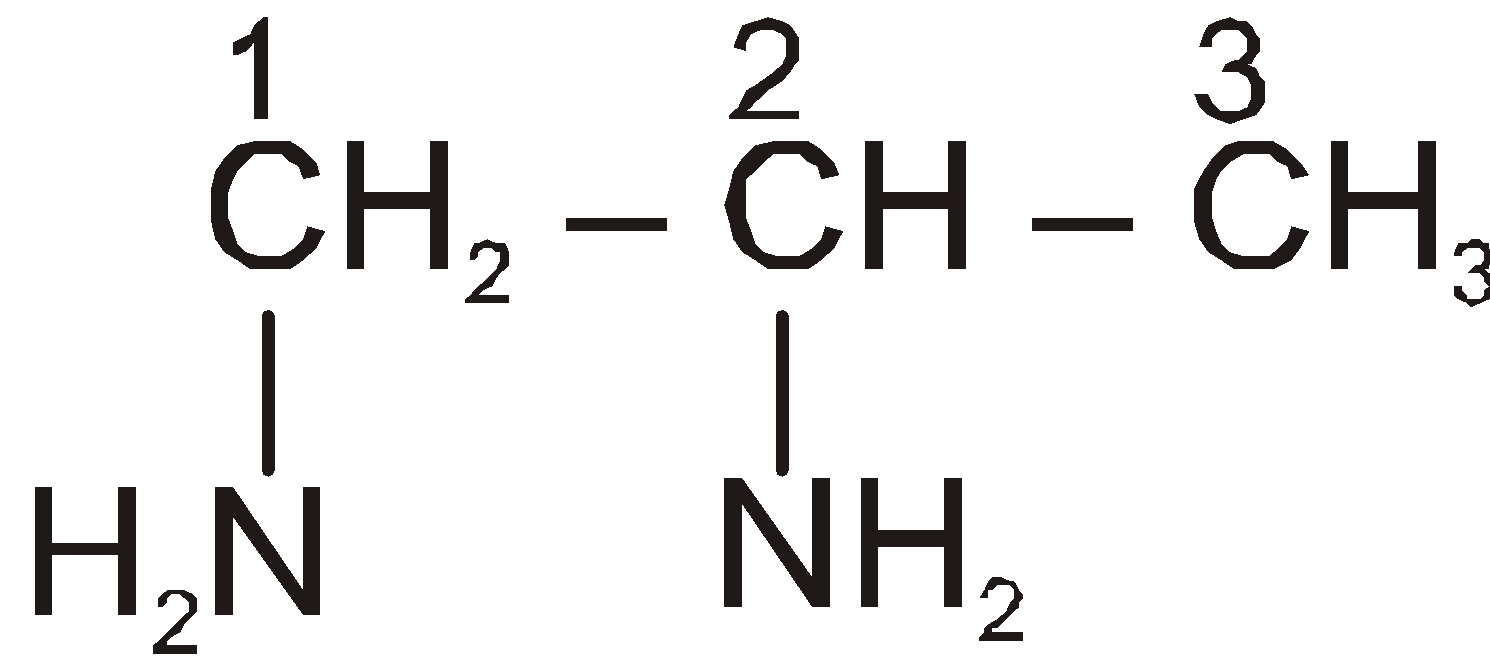 (1, 2-diaminopropane(pn))
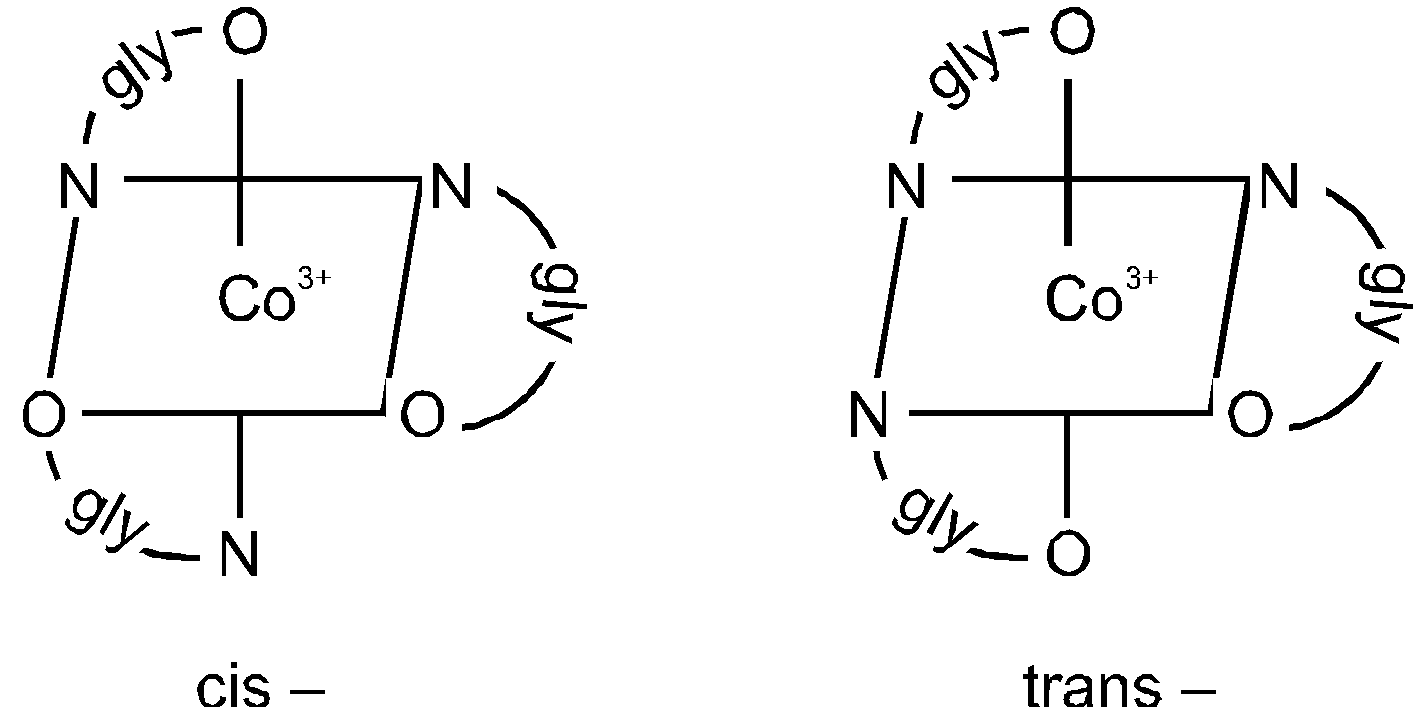
Both cis– and trans – isomers have each a pair of optical isomers because of absence of any one of symmetry elements.
Prepare Smarter with CGP Edu
Get practice questions, solutions, and test series in one place.
Write a Review
Share your experience with this question and solution.
Commentary
Send your comment, doubt, correction, or feedback to admin.
Similar Questions
Explore conceptually related problems