Match the complexes in Column-I with their properties listed in Column-II.
Column-I | Column-II | ||
(a) | [Co(NH3)4(H2O)2]Cl2 | (p) | Geometrical isomers |
(b) | [Pt(NH3)2Cl2] | (q) | Paramagnetic |
(c) | [Co(H2O)5Cl]Cl | (r) | Diamagnetic |
(d) | [Ni(H2O)6]Cl2 | (s) | Metal ion with +2 oxidation state |
Text Solution
Verified by ExpertsA
(A - p,q,s); (B - p,r,s); (C - q,s); (D - q,s)
Sol. [Co(NH 3 ) 4 (H 2 O)Cl 2 ], it shows geometrical isomerism
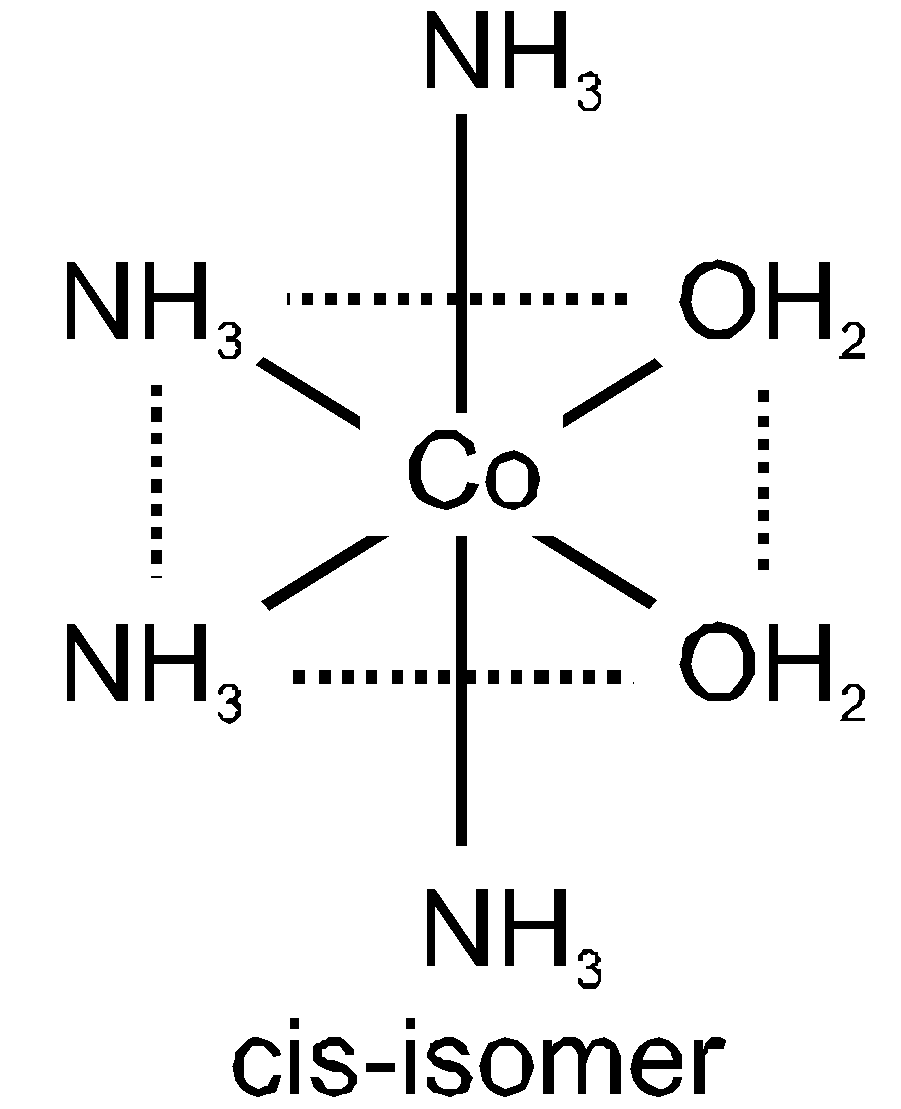
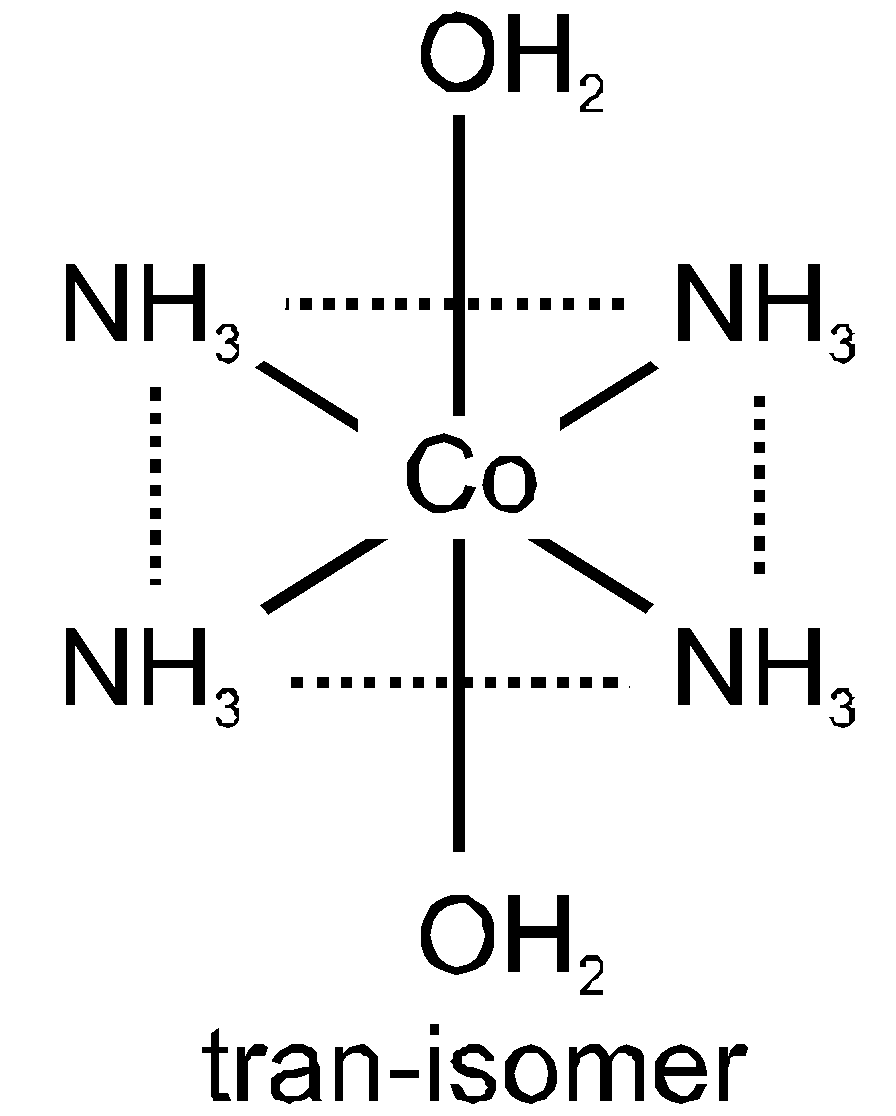
Co is in +2 oxidation state with [Ar] 18 3d 7 4s 0 electron configuration ; so complex is paramagnetic.
So,
[Co(NH 3 ) 4 (H 2 O) 2 ]Cl 2 
[Pt(NH 3 ) 2 Cl 2 ], it show geometrical isomers.
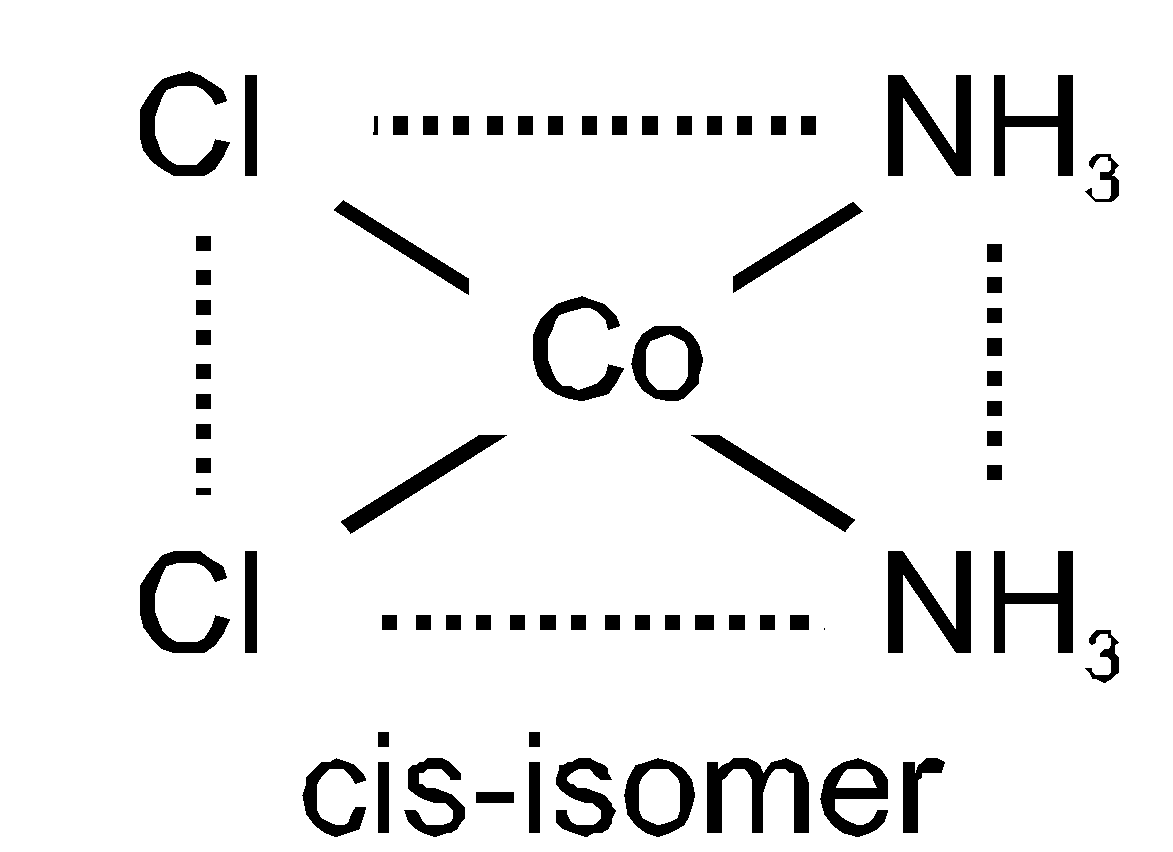
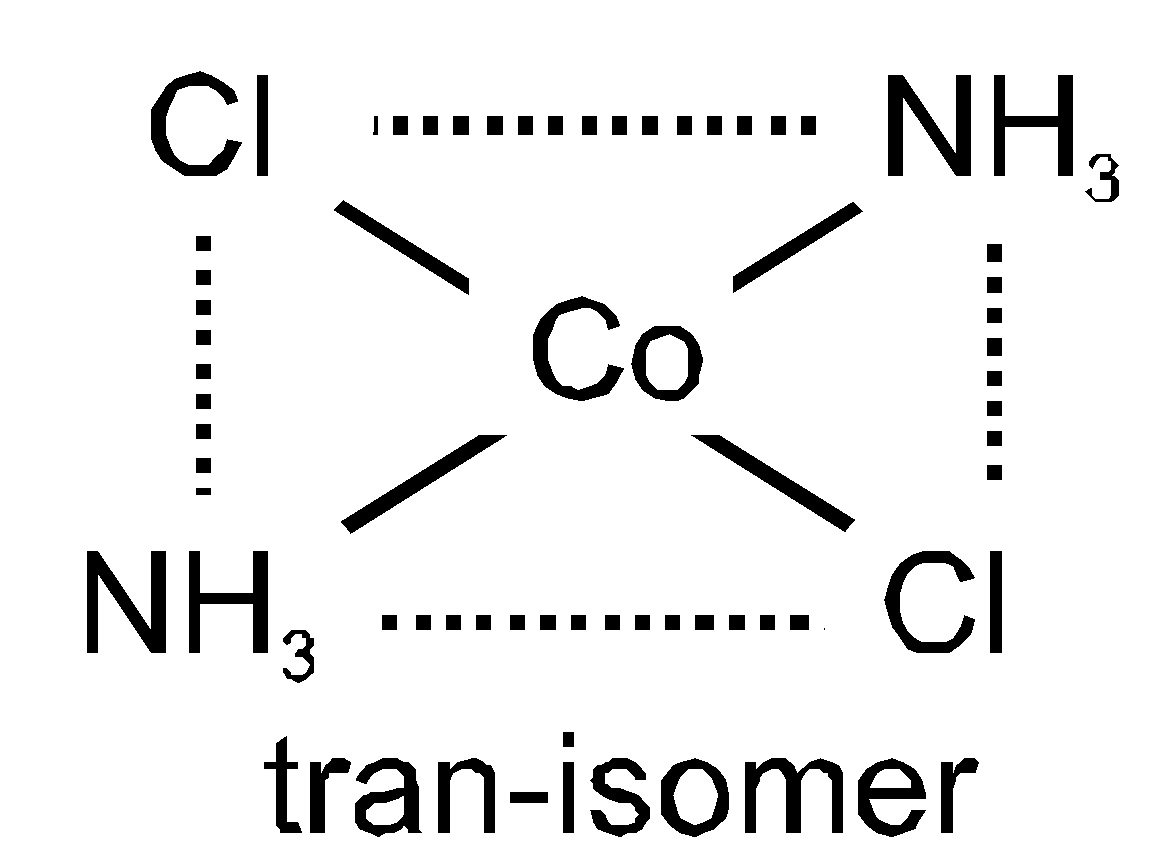
Pt is in +2 oxidation state and because of 5d 8 configuration, it has higher CFSE.
So Δ 0 > P and thus,
[Pt(NH 3 ) 2 Cl 2 ] 
As all electrons are paired so it is diamagnetic.
[Co(H 2 O) 5 Cl]Cl, it does not show geometrical isomerism.
Co is in +2 oxidation state and because H 2 O is weak field ligand. So,
[Co(H 2 O) 5 Cl]Cl 
As it contains 3 unpaired electrons so it is paramagnetic.
[Ni(H 2 O) 6 ]Cl 2 , it does not show geometrical isomerism.
Ni is in + 2 oxidation state and because H 2 O is weak field ligand. So,
[Ni(H 2 O) 6 ]Cl 2 
As it contains two unpaired electrons ; so it is paramagnetic.
Prepare Smarter with CGP Edu
Get practice questions, solutions, and test series in one place.
Write a Review
Share your experience with this question and solution.
Commentary
Send your comment, doubt, correction, or feedback to admin.
Similar Questions
Explore conceptually related problems