Let 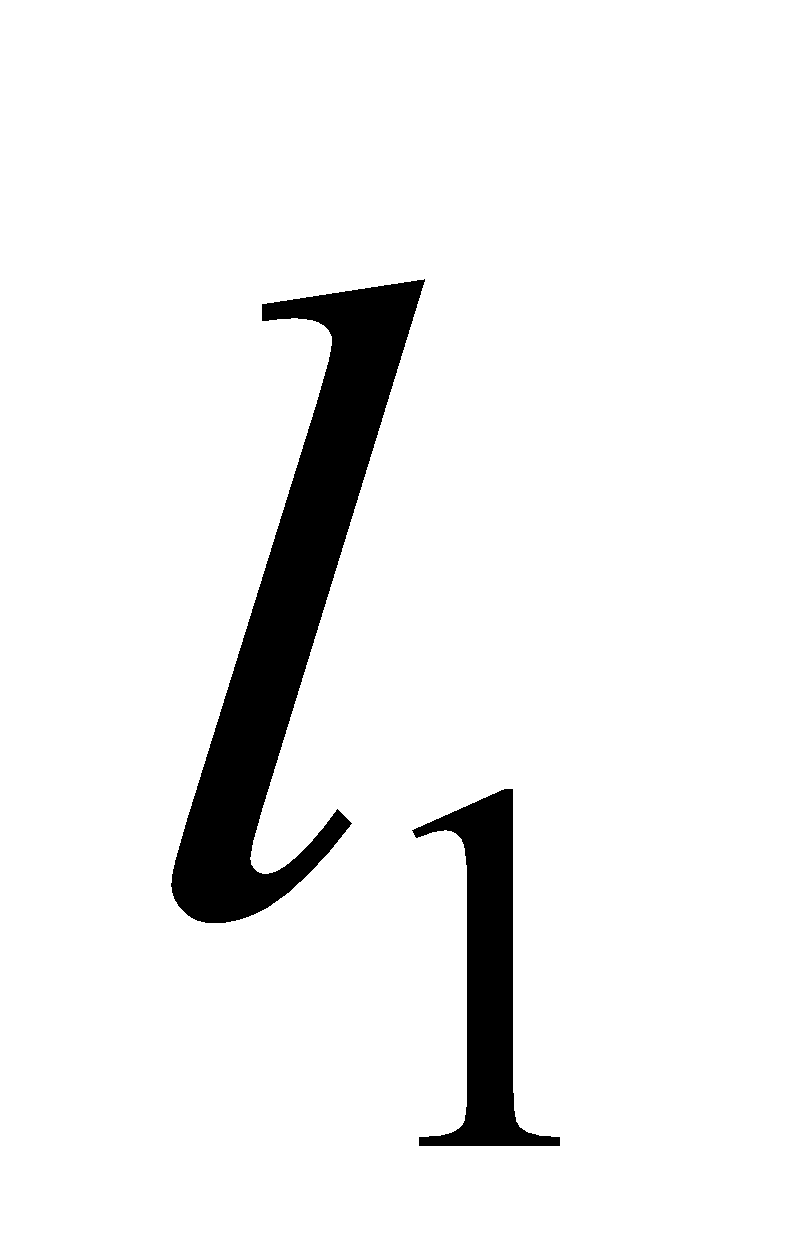 and
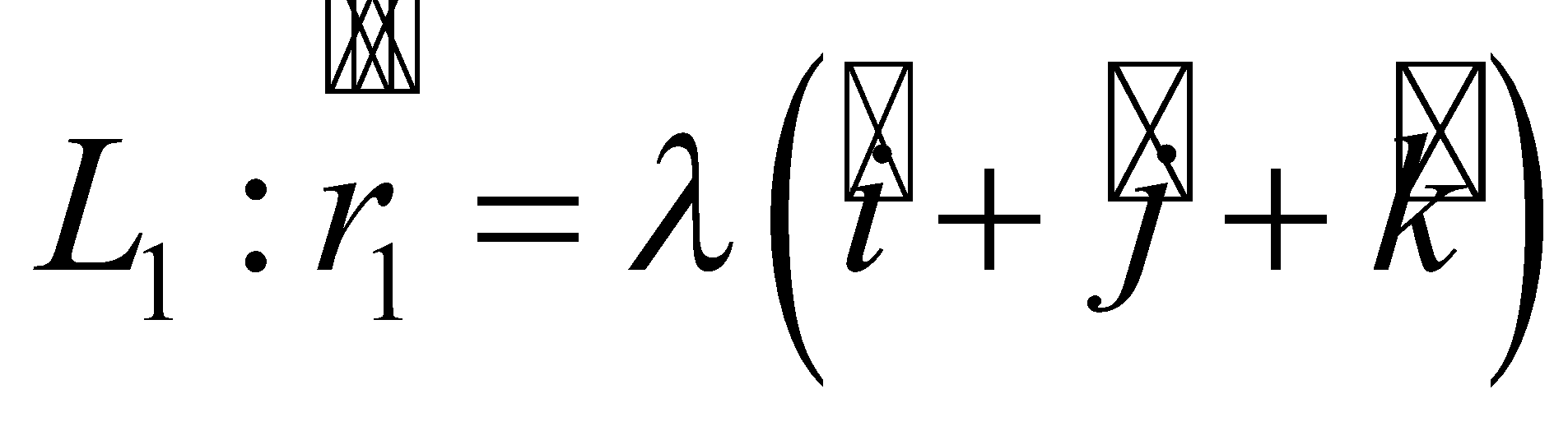
and 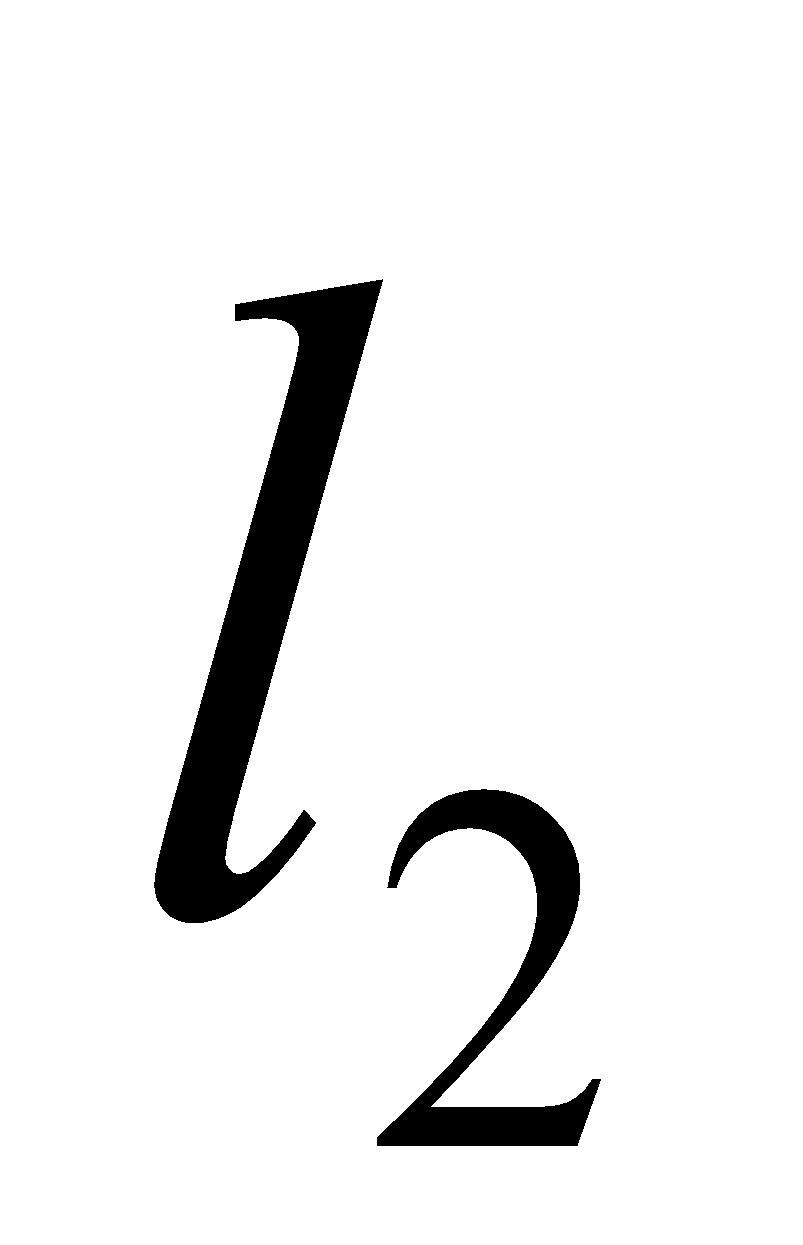 be the lines
 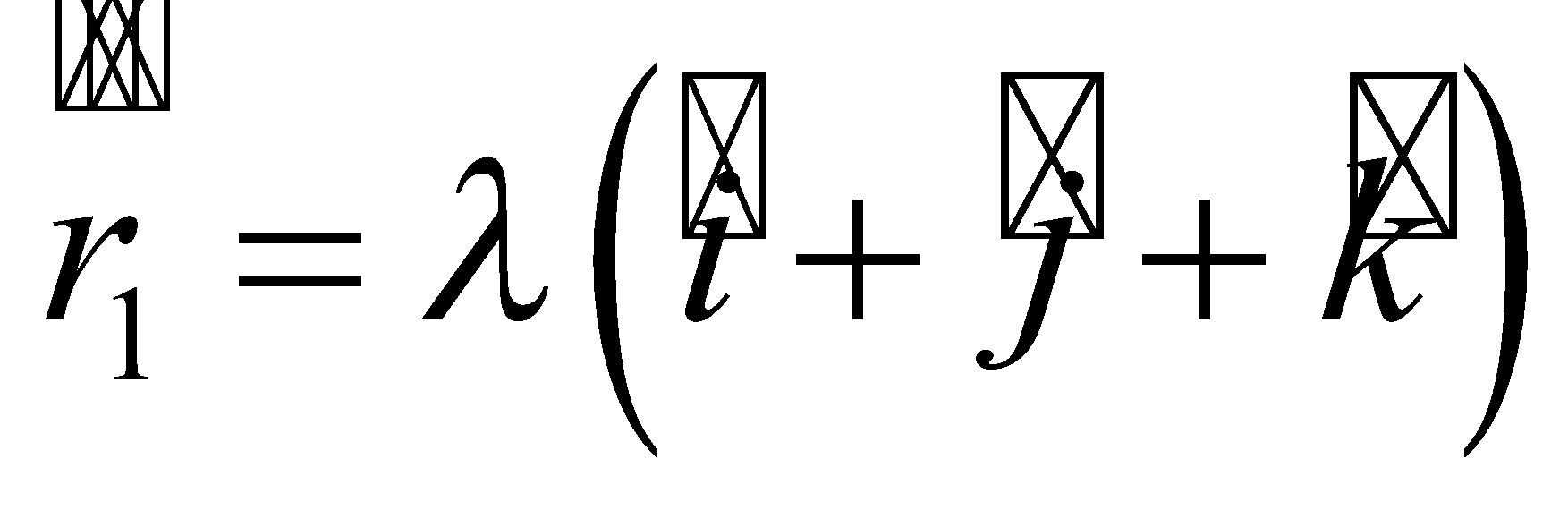 and
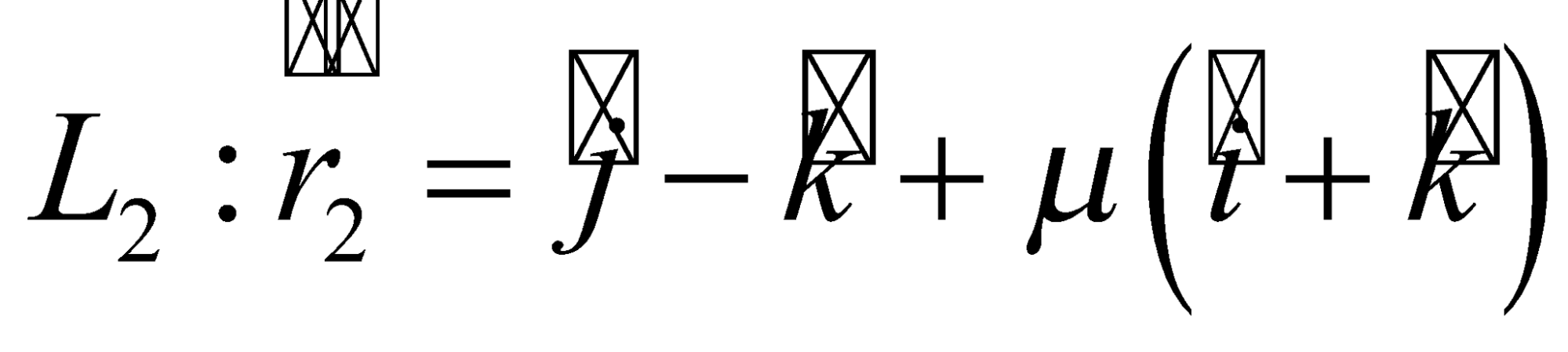
and 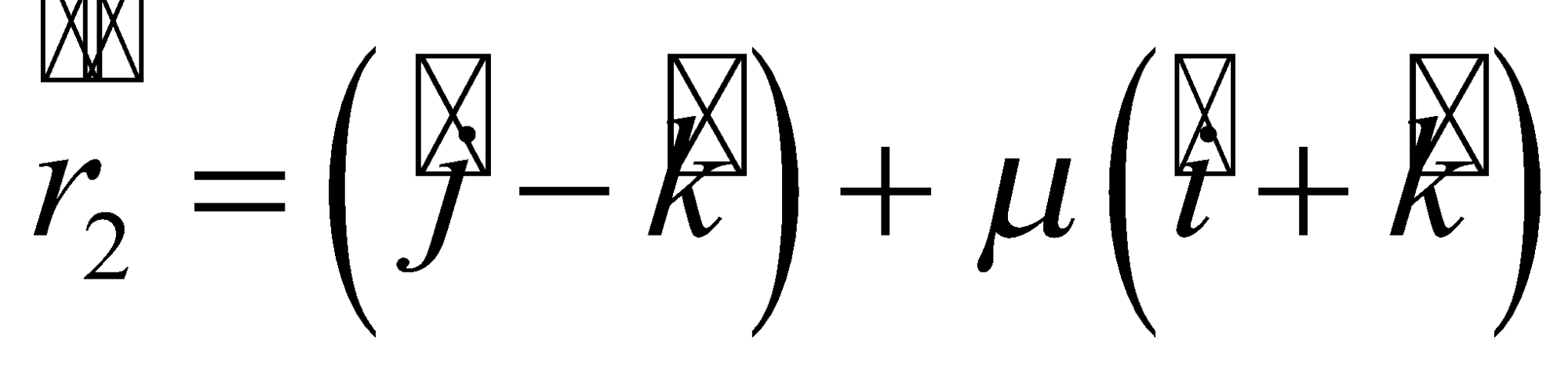 , respectively. Let X be the set of all the planes H that contain the line
 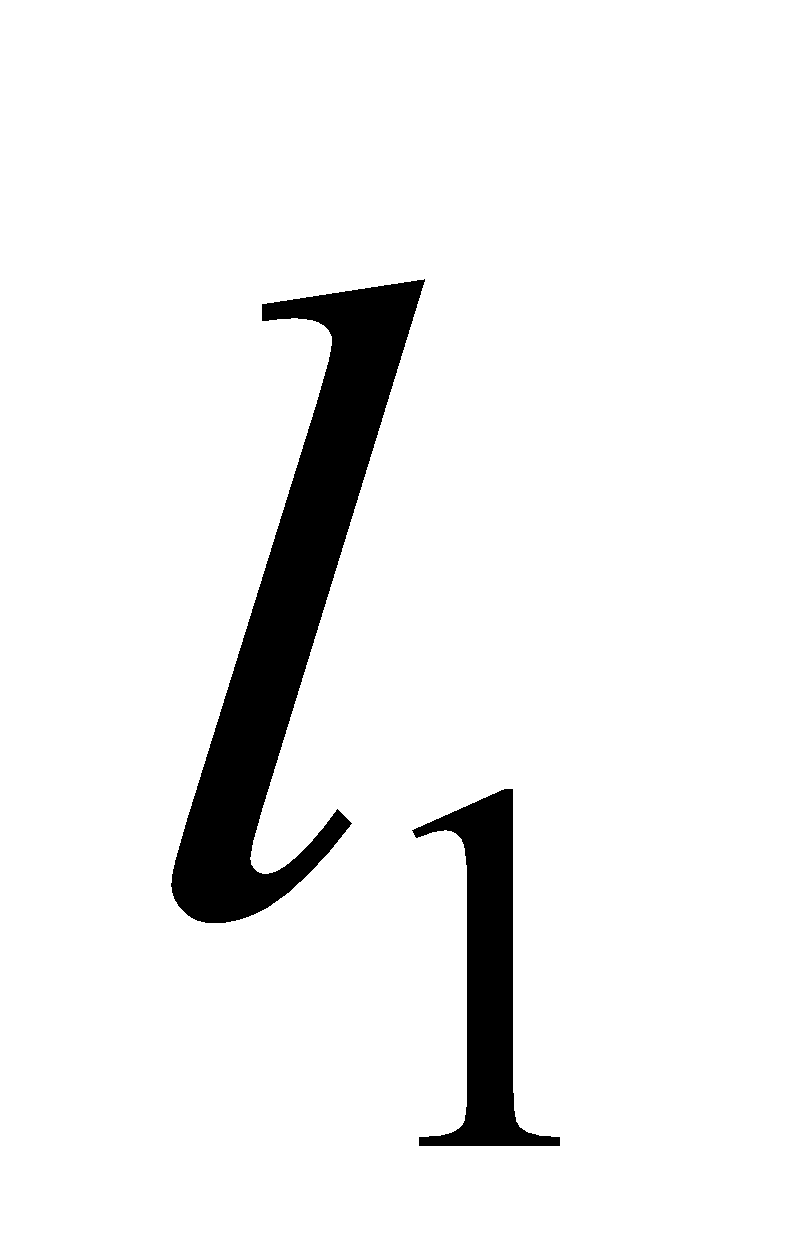 . For a plane H, let d(H) denote the smallest possible distance between the points of
 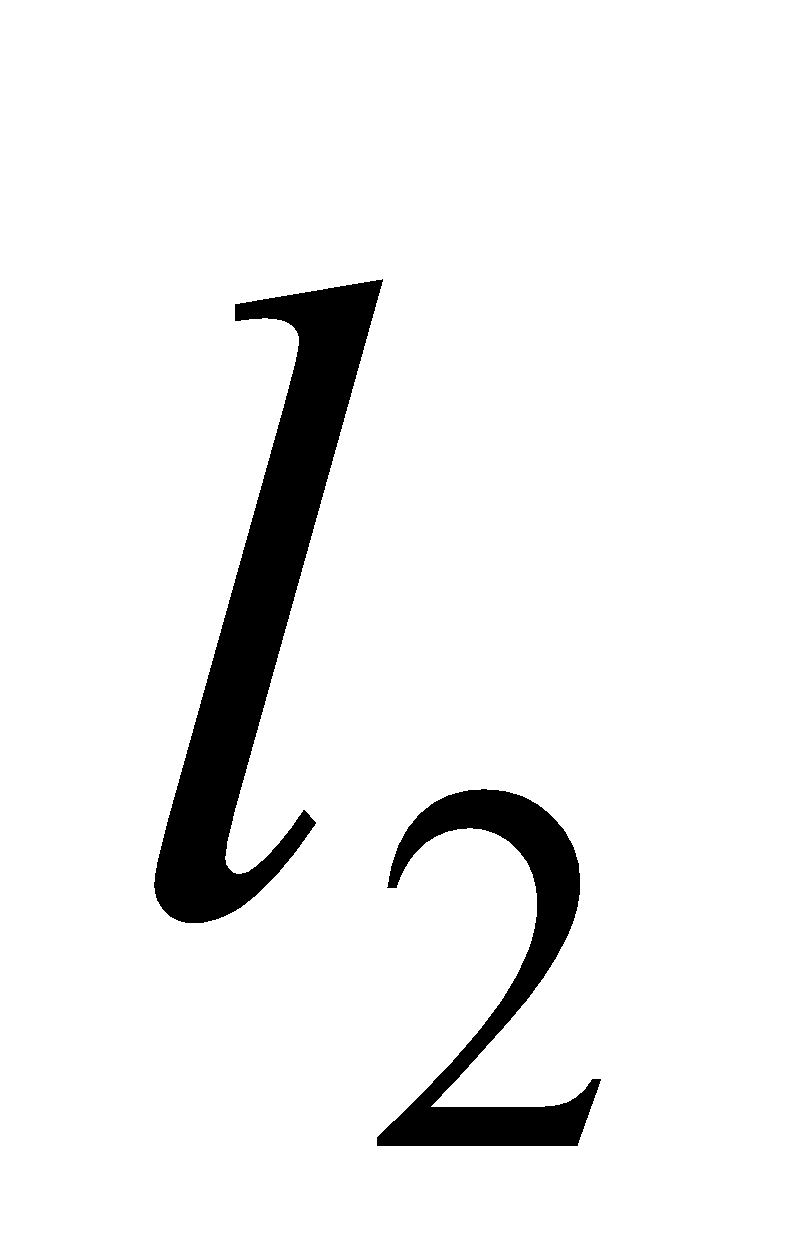 and H. Let H 0 be plane in X for which d(H 0 ) is the maximum value of d(H) as H varies over all planes in X.
Match each entry in List-I to the correct entries in List-II.
List-I List-II
(P) The value of d(H 0 ) is (1) 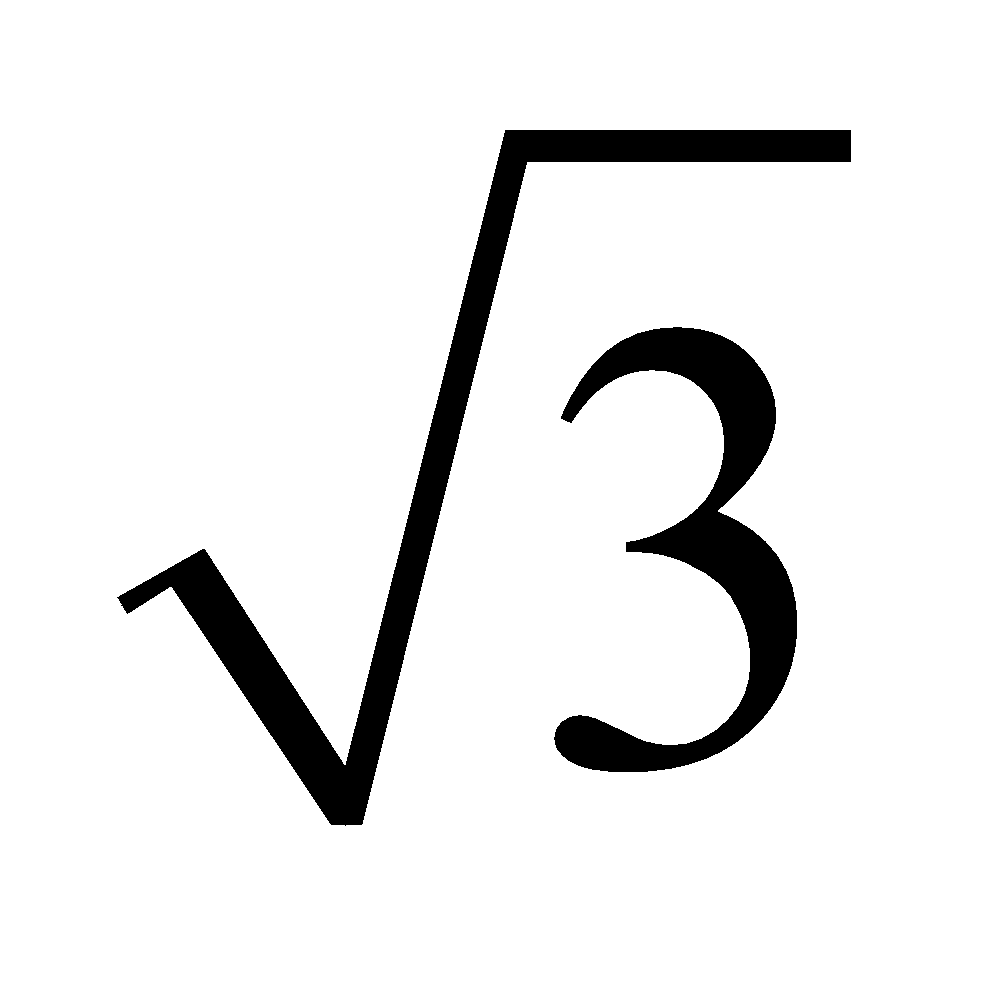
(Q) The distance of the point (0,1,2)
from H 0 is (2) 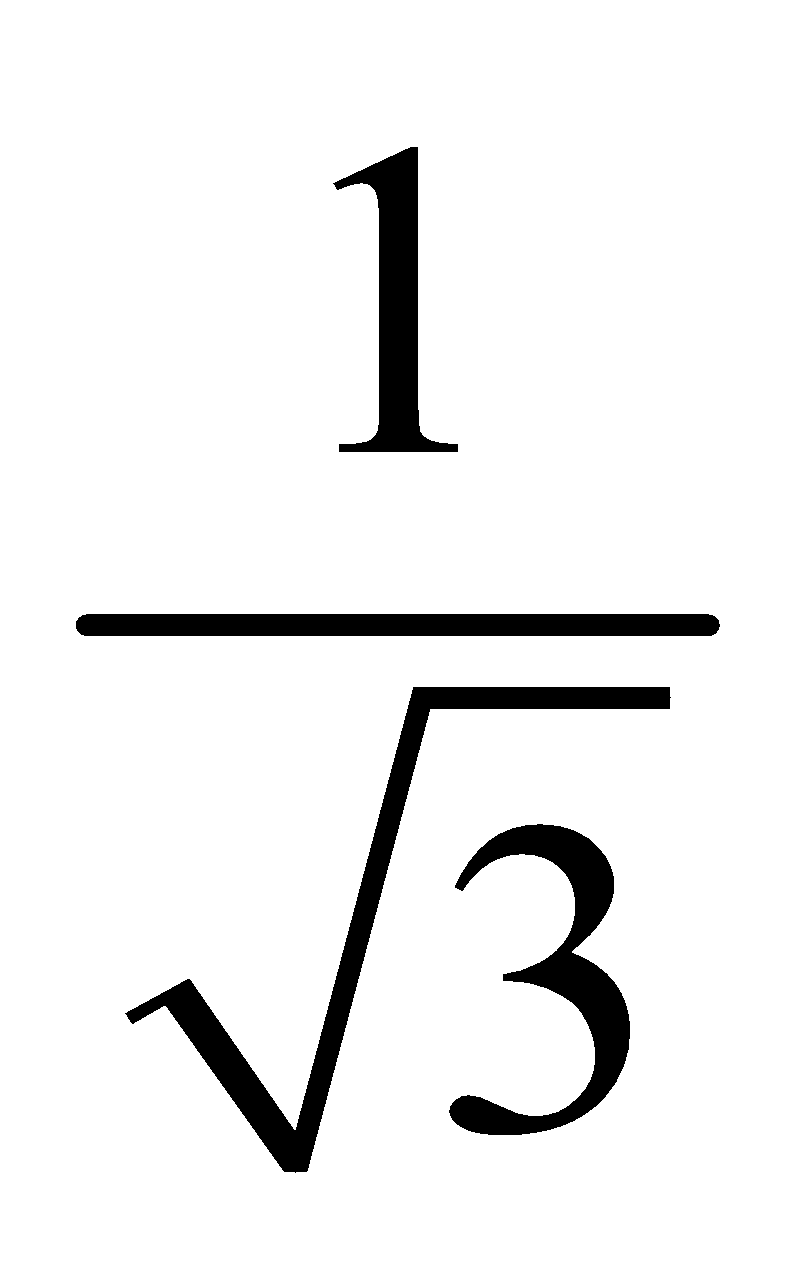
(R) The distance of origin from H 0 is (3) 0
(S) The distance of origin from the
point of intersection (4) 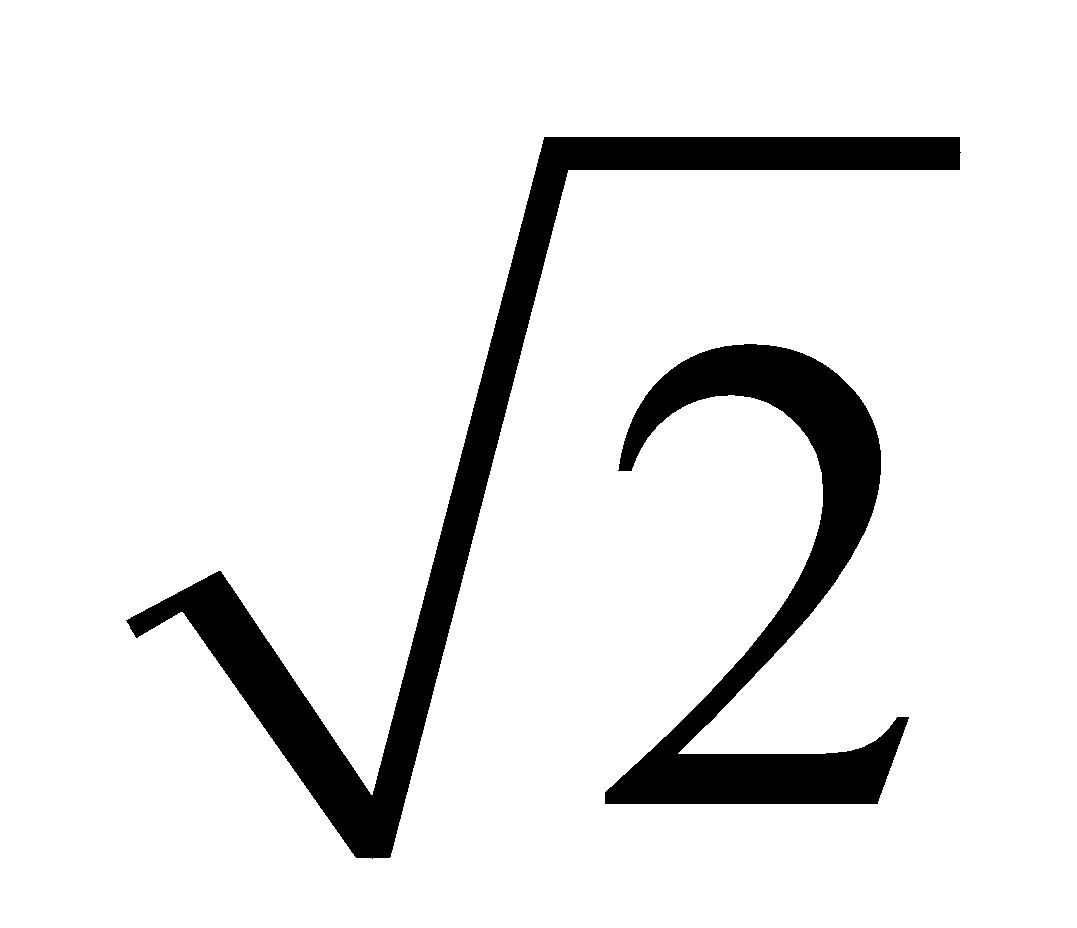
of planes y = z, x = 1 and H 0 is
The correct option is :
 (2) (Q)
  (4) (R)
  (5) (S)
  (1)
(1)
 (5) (Q)
  (4) (R)
  (3(S)
(3(S) 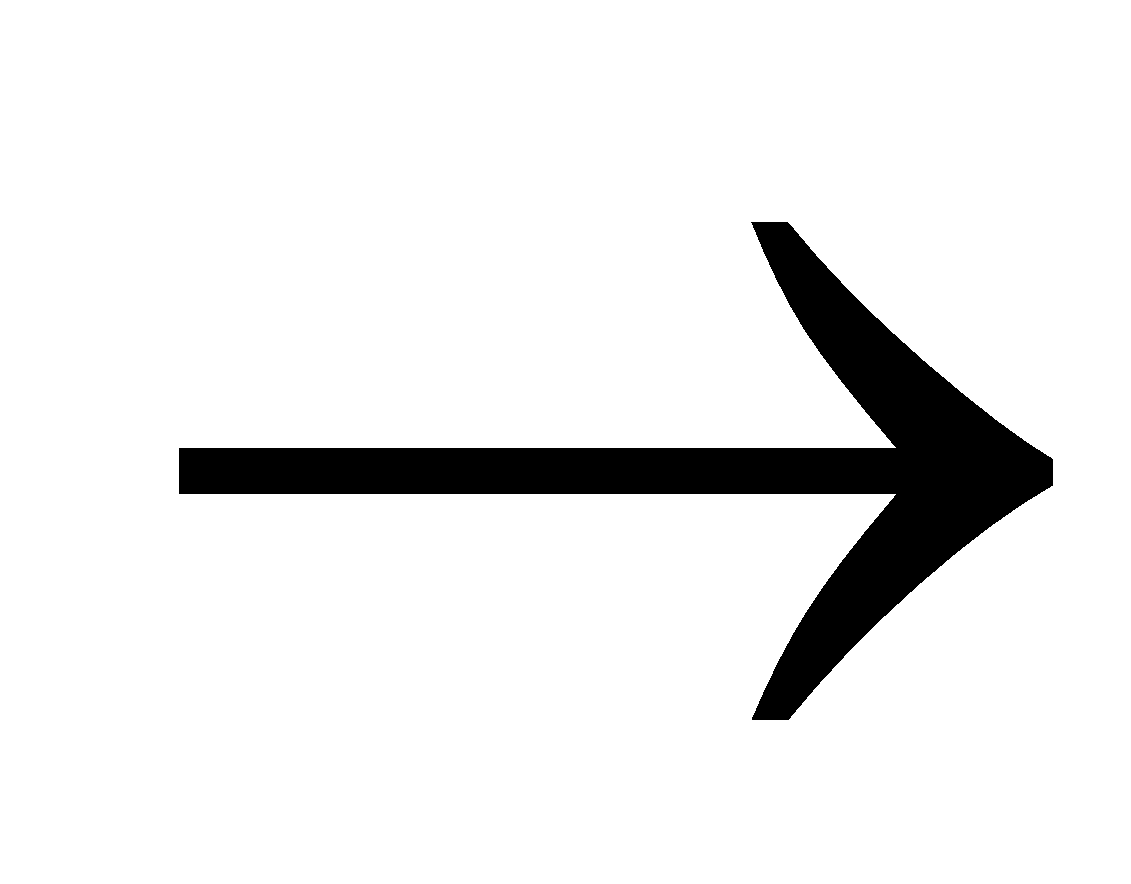 (1)
(1)
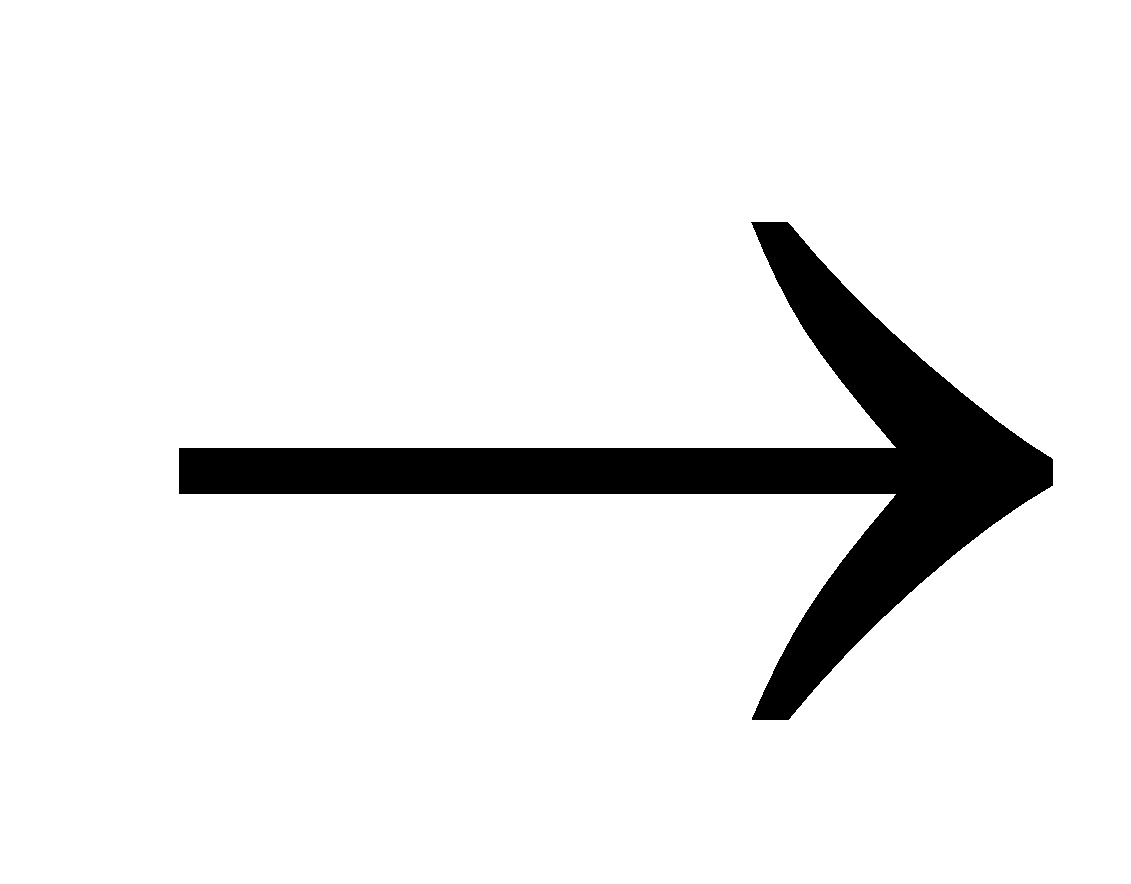 (2) (Q)
 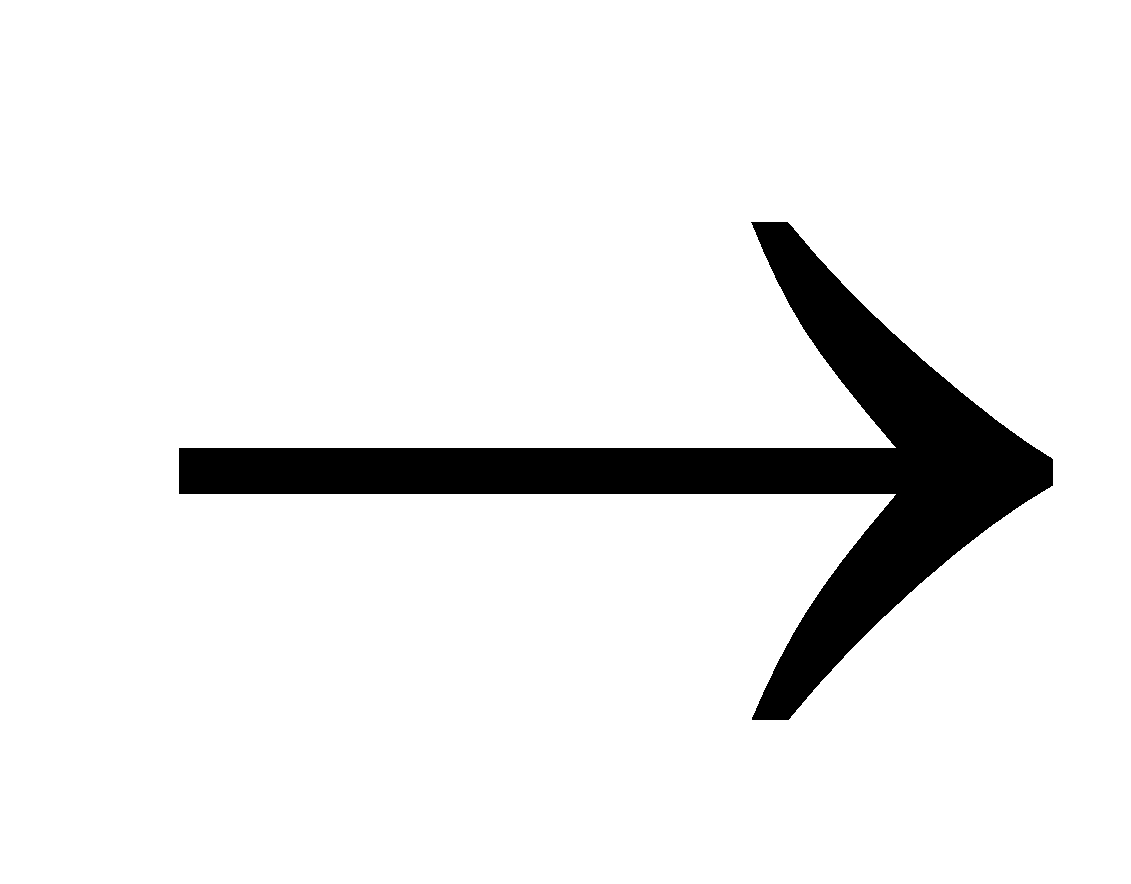 (1) (R)
 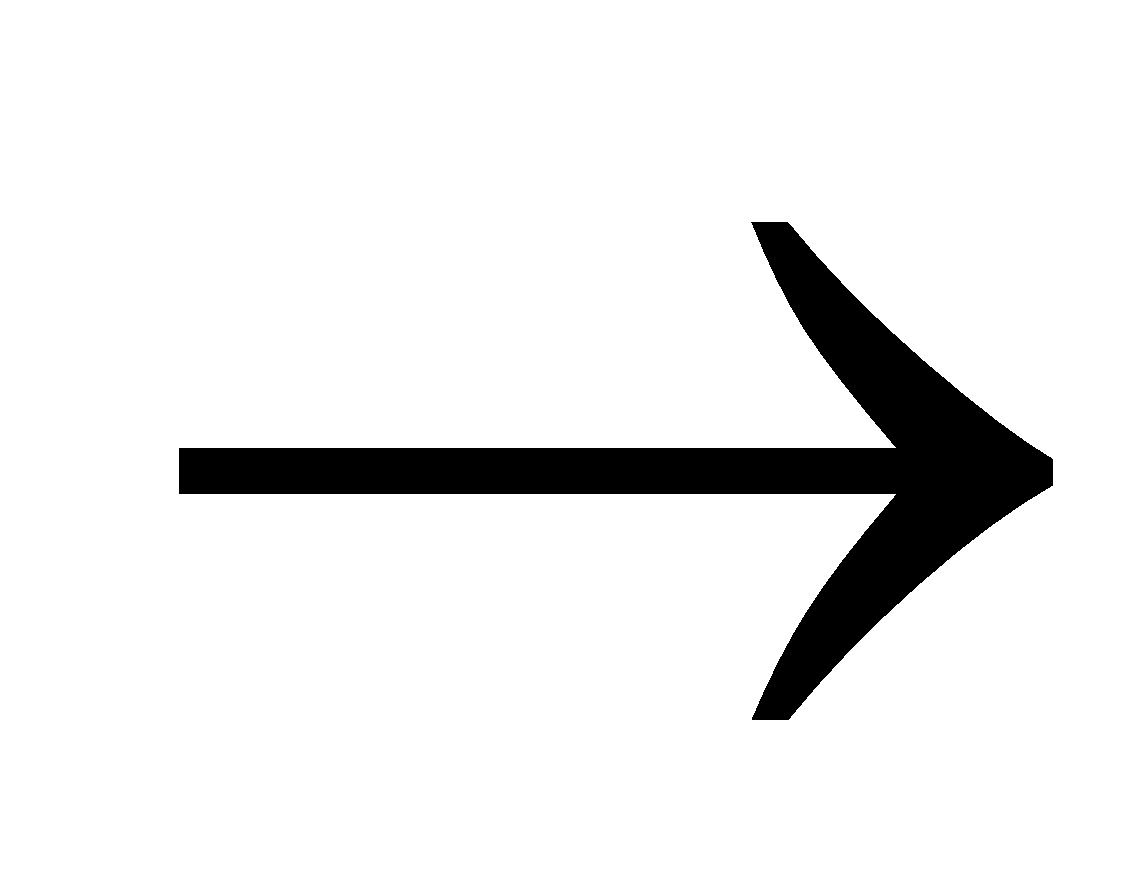 (3) (S)
 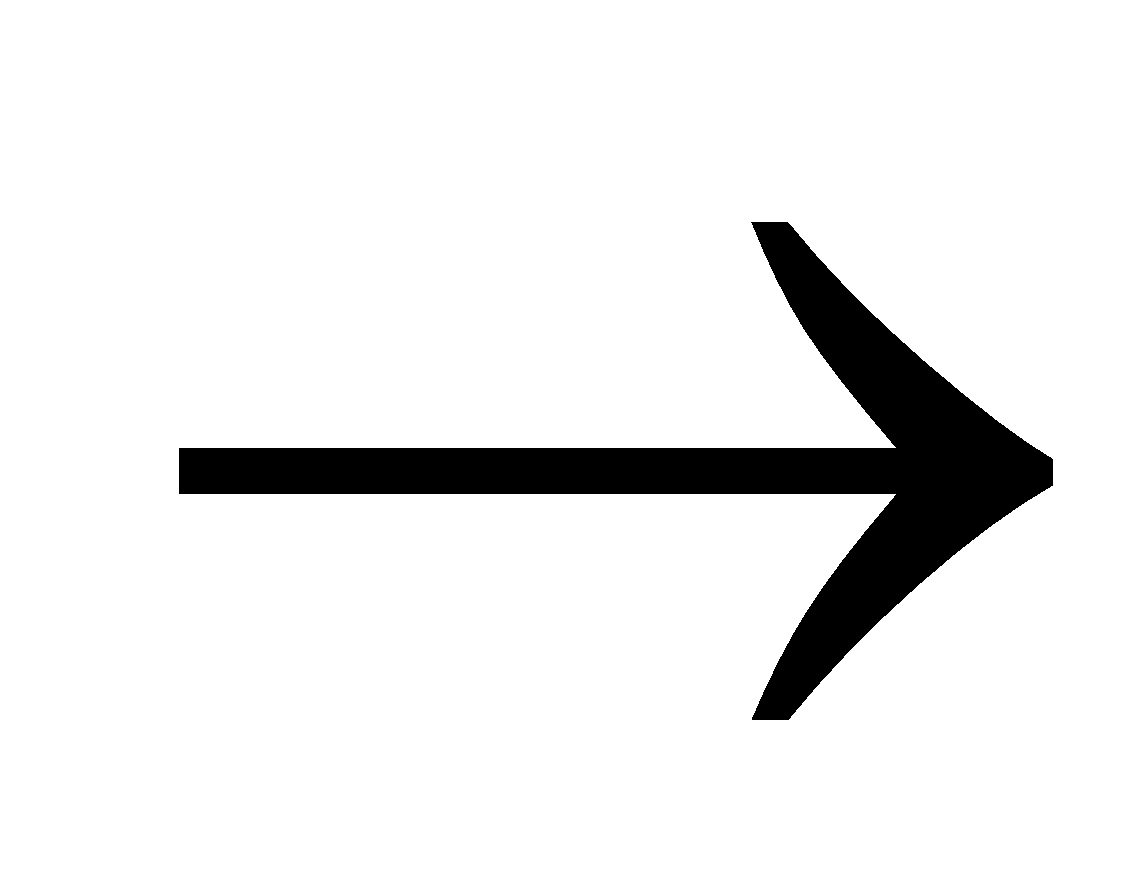 (2)
(2)
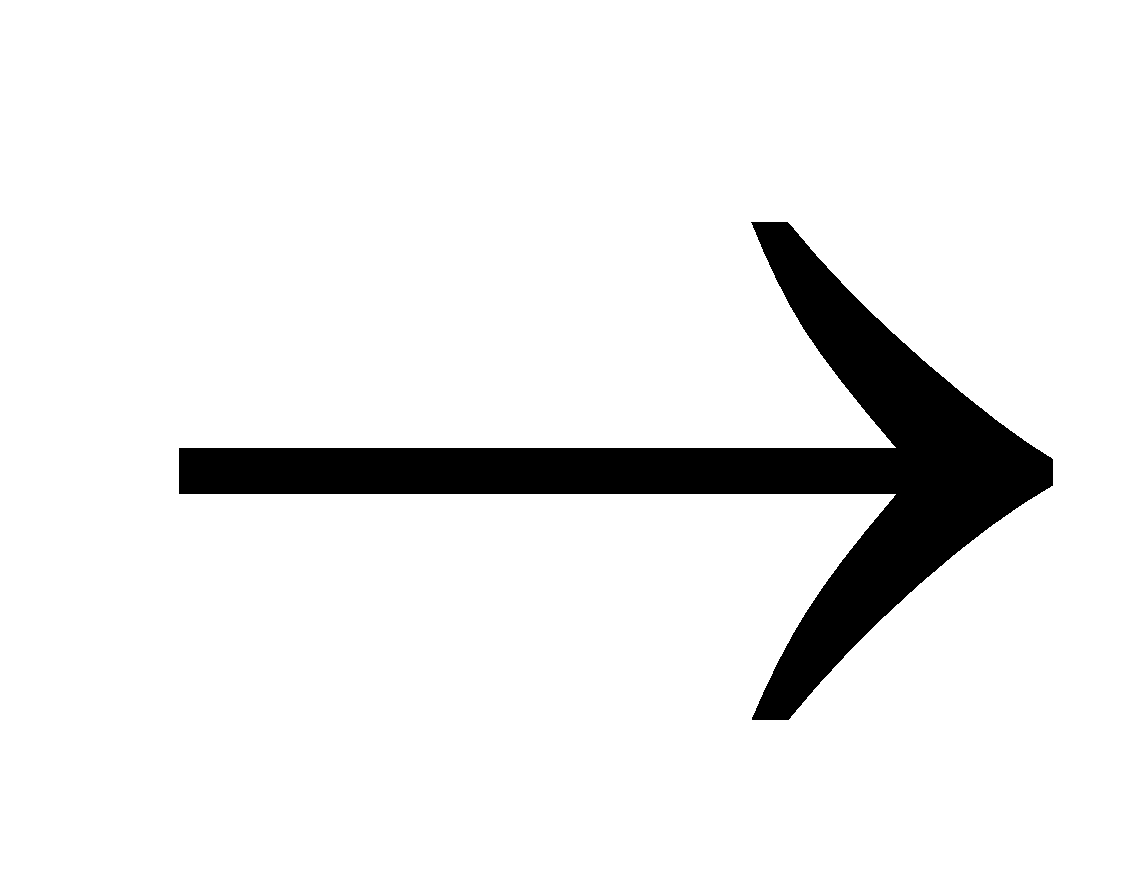 (5) (Q)
 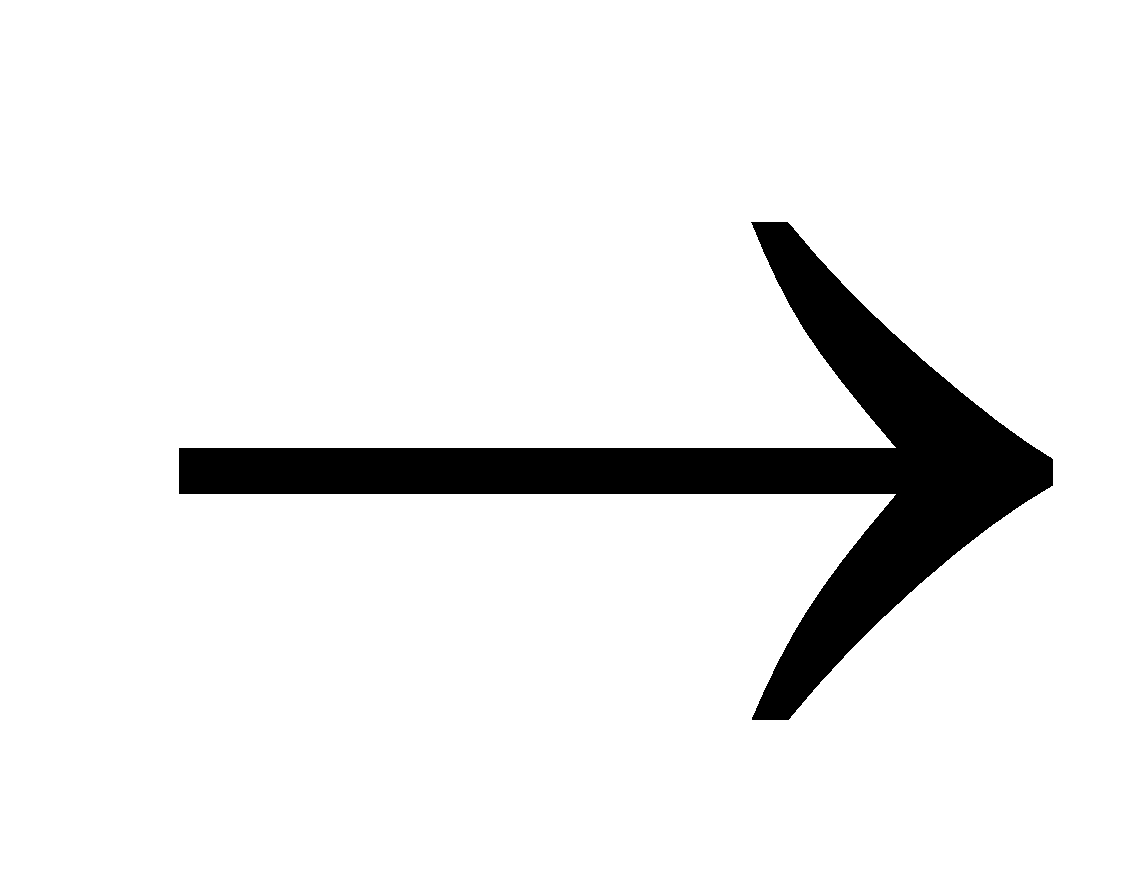 (1) (R)
 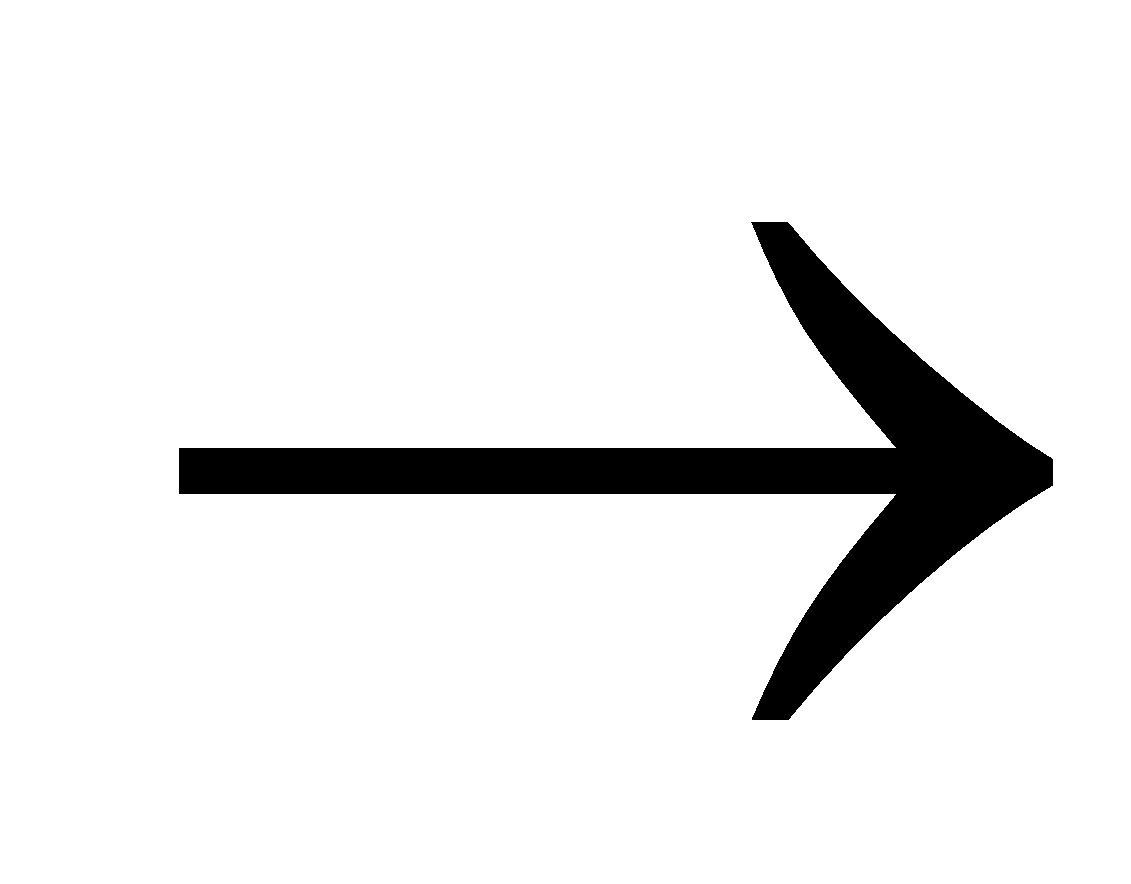 (4) (S)
  (2)
(2)
Text Solution
Verified by ExpertsB
Let system of planes are
ax + by + cz = 0 ----(1)
 It contain L 1
 a + b + c = 0 …..(2)
For largest possible distance between plane (1) and L 2 the line L 2 must be parallel to plane (1)
 a + c = 0 ....(3)
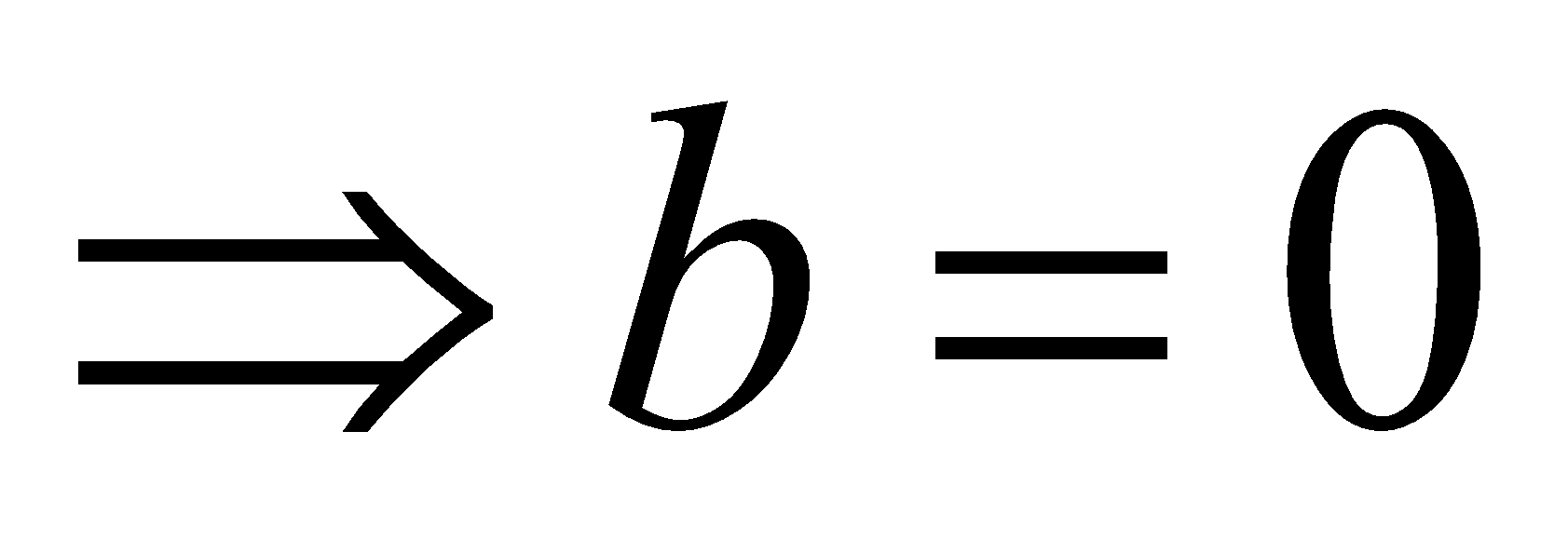
 Plane H 0 : x-z = 0
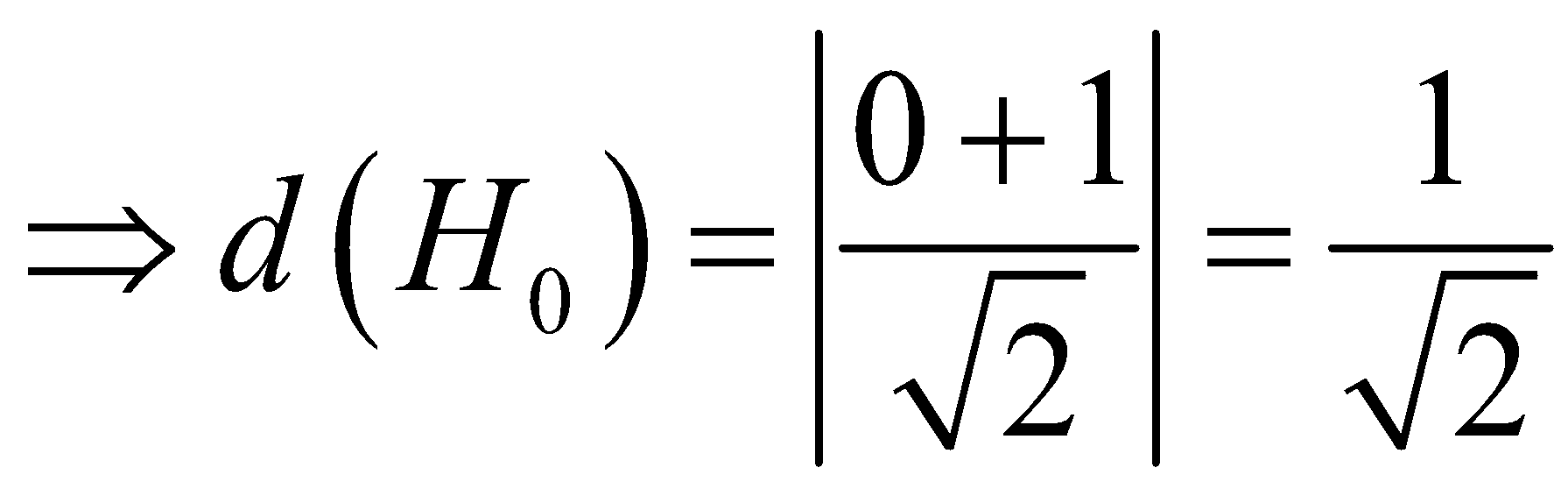
Now d(H 0 ) =  distance from point (0, 1, -1) on L 2 to plane.
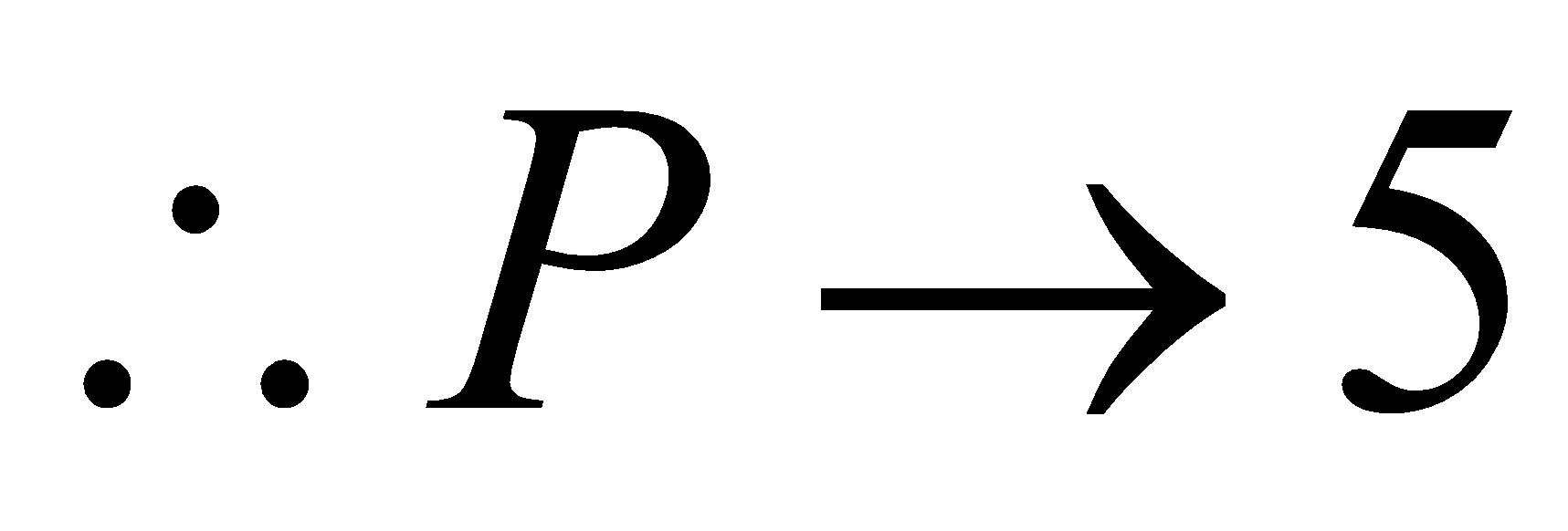
for 'Q' distance 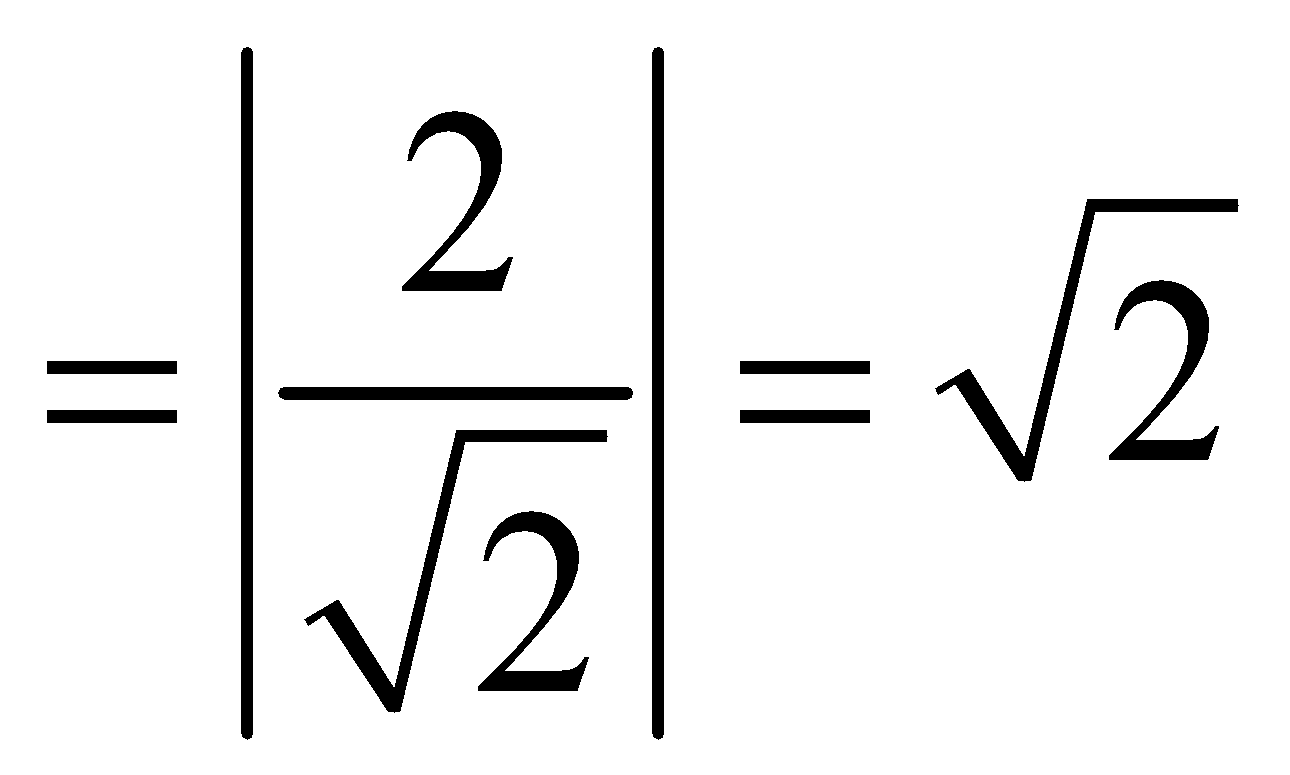
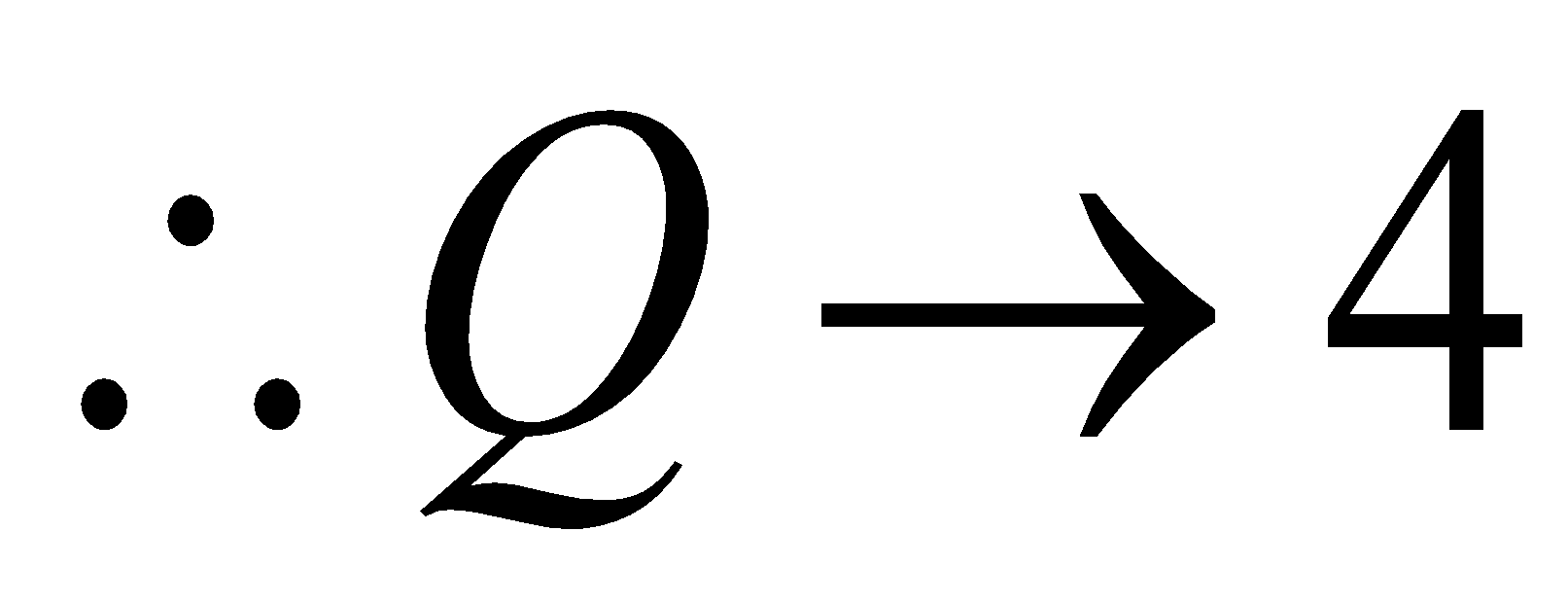
 (0, 0, 0) lies on plane
 R
R 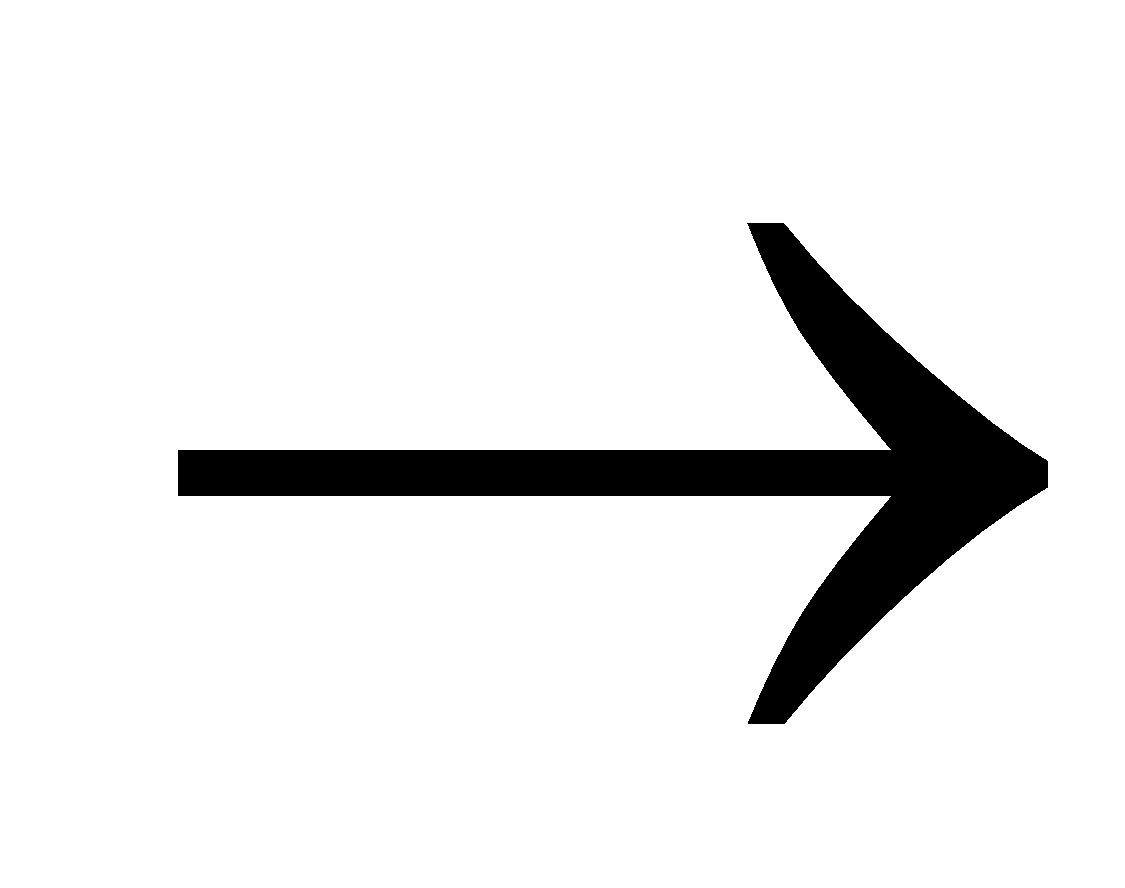 3
3
For 'S' x = z ; y = z ; x = 1
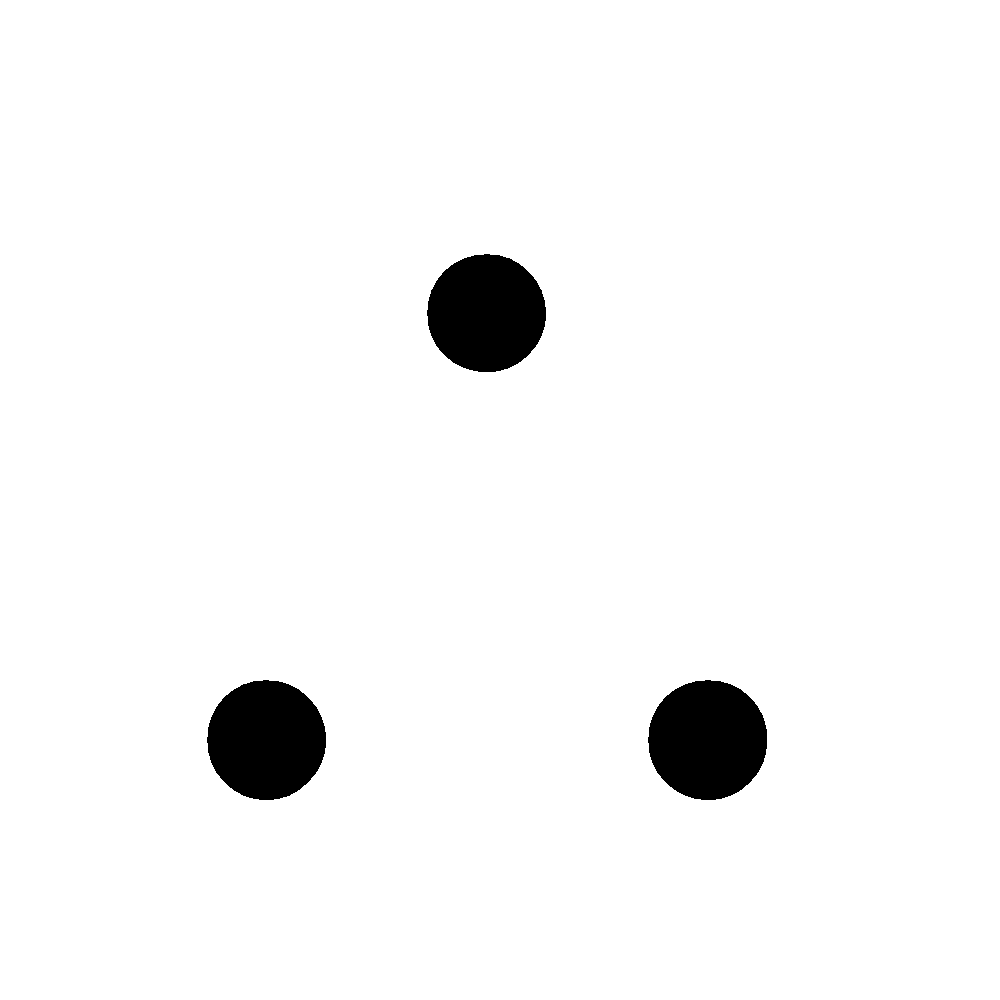 point of intersection p(l, 1, 1).

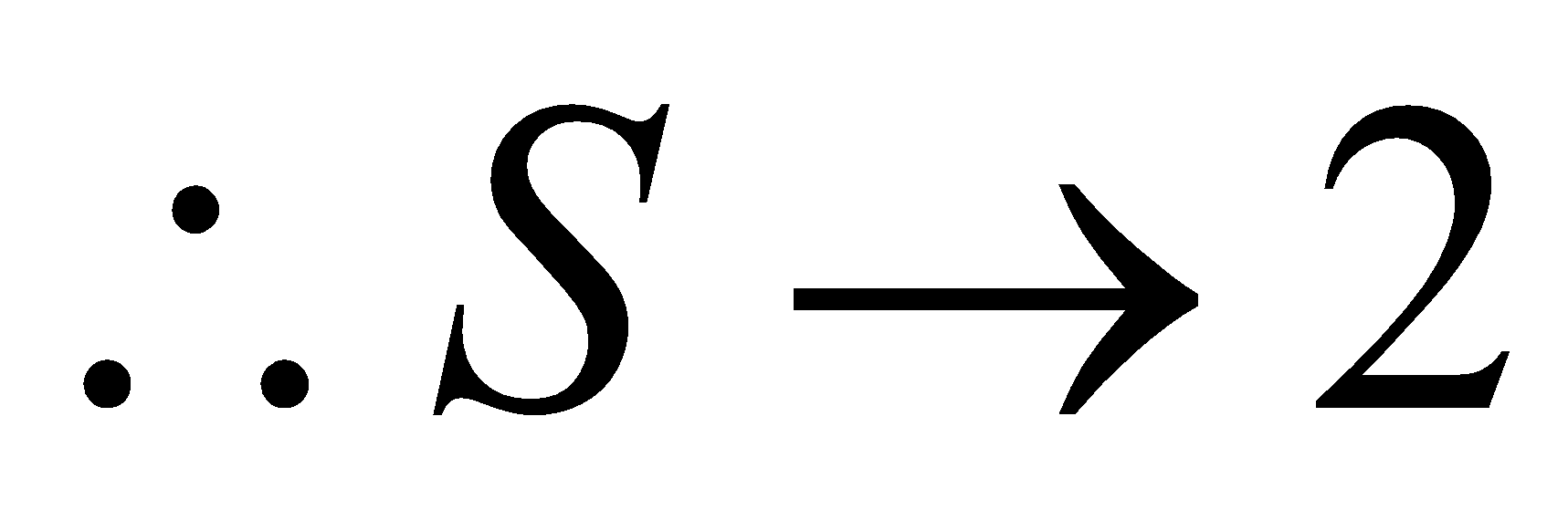
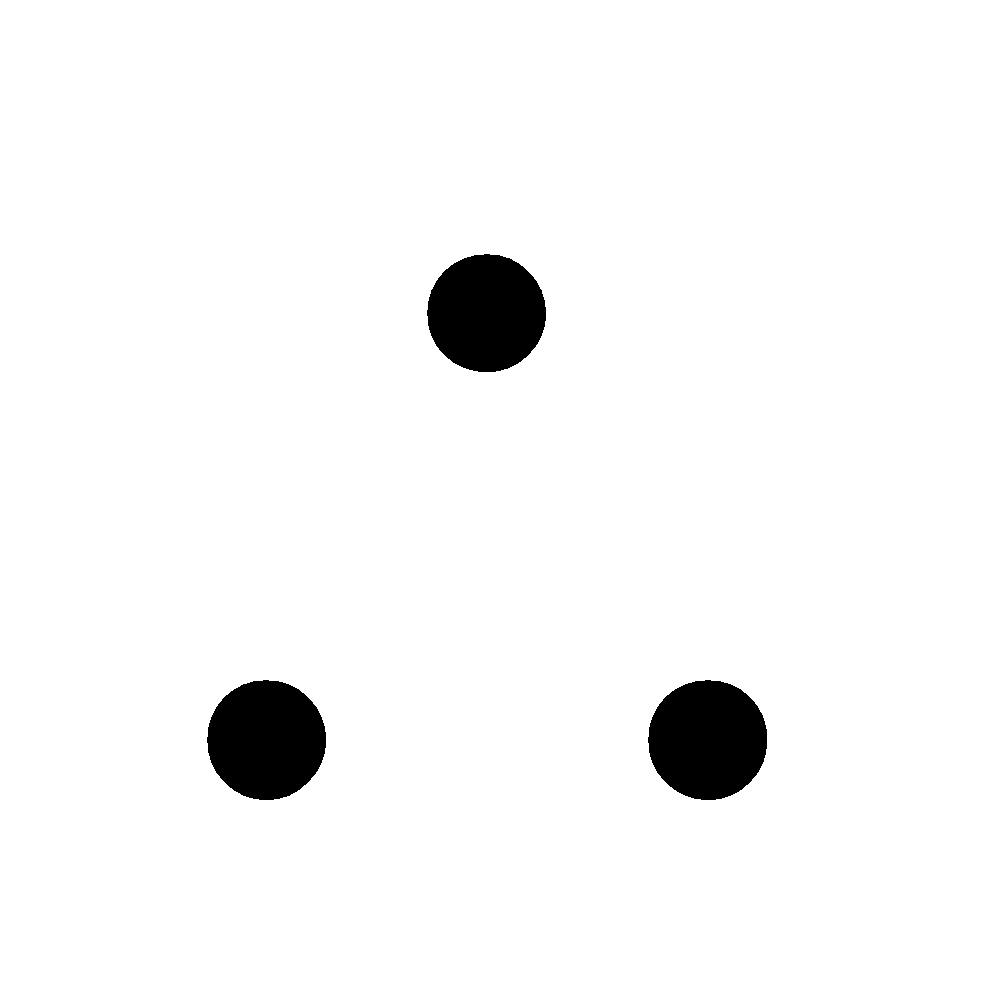 option [b] is correct
──────────────────────────────────────────────────────────────────────────────────────────
Prepare Smarter with CGP Edu
Get practice questions, solutions, and test series in one place.
Write a Review
Share your experience with this question and solution.
Commentary
Send your comment, doubt, correction, or feedback to admin.
Similar Questions
Explore conceptually related problems