Werner conducted many experiments to establish the formula of complexes, one of these were conductivity measurements. On the basis of the experiments performed he obtained the following values of conductivity for different type of complexes.
Type of complex | Electrical Conductivity |
Nonelectrolyte | 0 – 10 (due to impurities) |
1:1 Electrolyte | 90 – 130 |
1:2 or 2:1 Electrolyte | 230 – 290 |
1:3 or 3:1 Electrolyte | 390 – 450 |
1:4 Electrolyte | 500 – 550 |
On the basis of above table Match the following two columns.
COLUMN A | COLUMN B | ||
Formula of compound | Conductivity | Correct Werner’s Representation | |
(a) | PtCl4.2NH3 | 6.99 | (i) [Cr(NH3)5Cl]Cl2 |
(b) | PtCl4.NH3.KCl | 106.8 | (ii) [Co(NH3)5Br]Br2 |
(c) | CrCl3.5NH3 | 260.2 | (iii) [Cr(NH3)6]Cl3 |
(d) | PtCl4.2KCl | 256.8 | (iv) [Pt(NH3)2Cl4] |
(e) | CrCl3.6NH3 | 441.7 | (v) [Pt(NH3)6]Cl4 |
(f) | PtCl4.6NH3 | 522.9 | (vi) [Pt(NH3)3Cl3]Cl |
(g) | CoBr3.5NH3 | 257.6 | (vii) K2[PtCl6] |
(h) | PtCl4.3NH3 | 96.8 | (viii) K[Pt(NH3)Cl5] |
Text Solution
Verified by ExpertsA
– iv, – viii, – i, – vii,
(e) – iii, (f) – v, (g) – ii, (h) – vi
Sol.
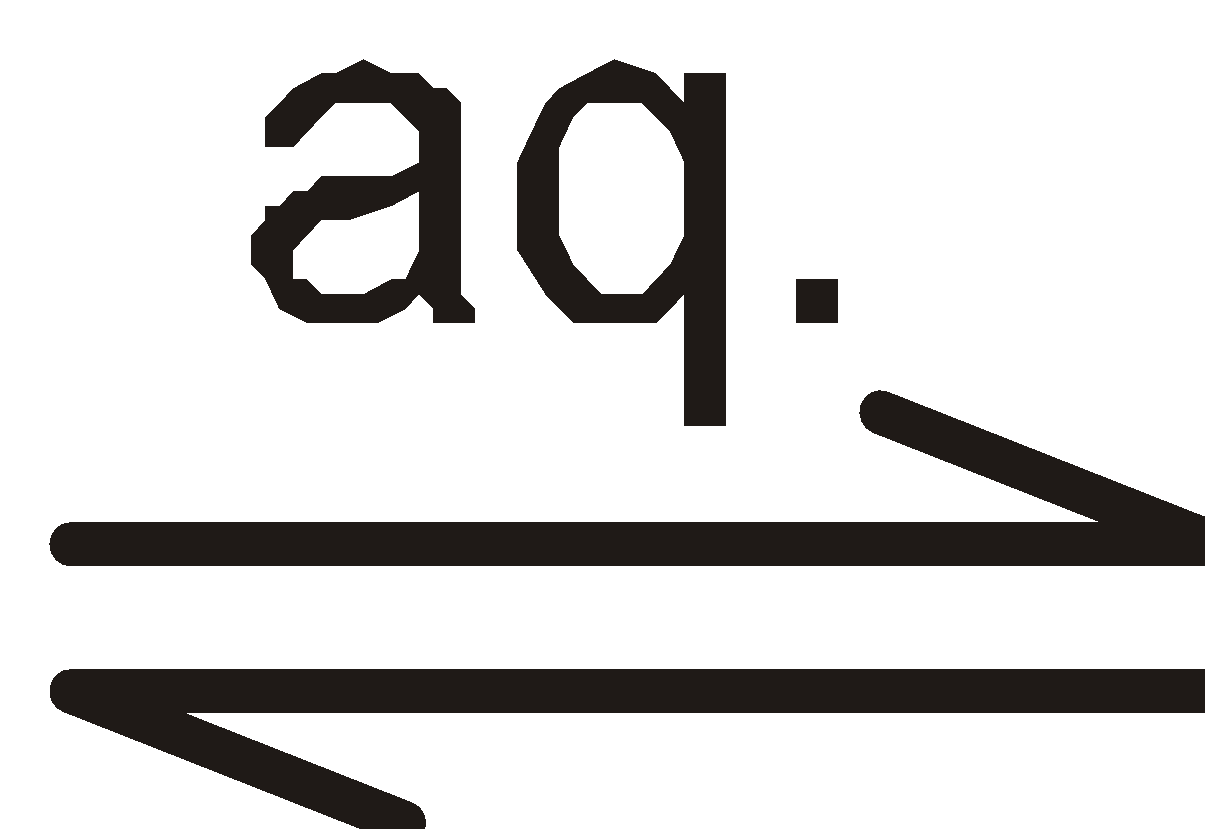
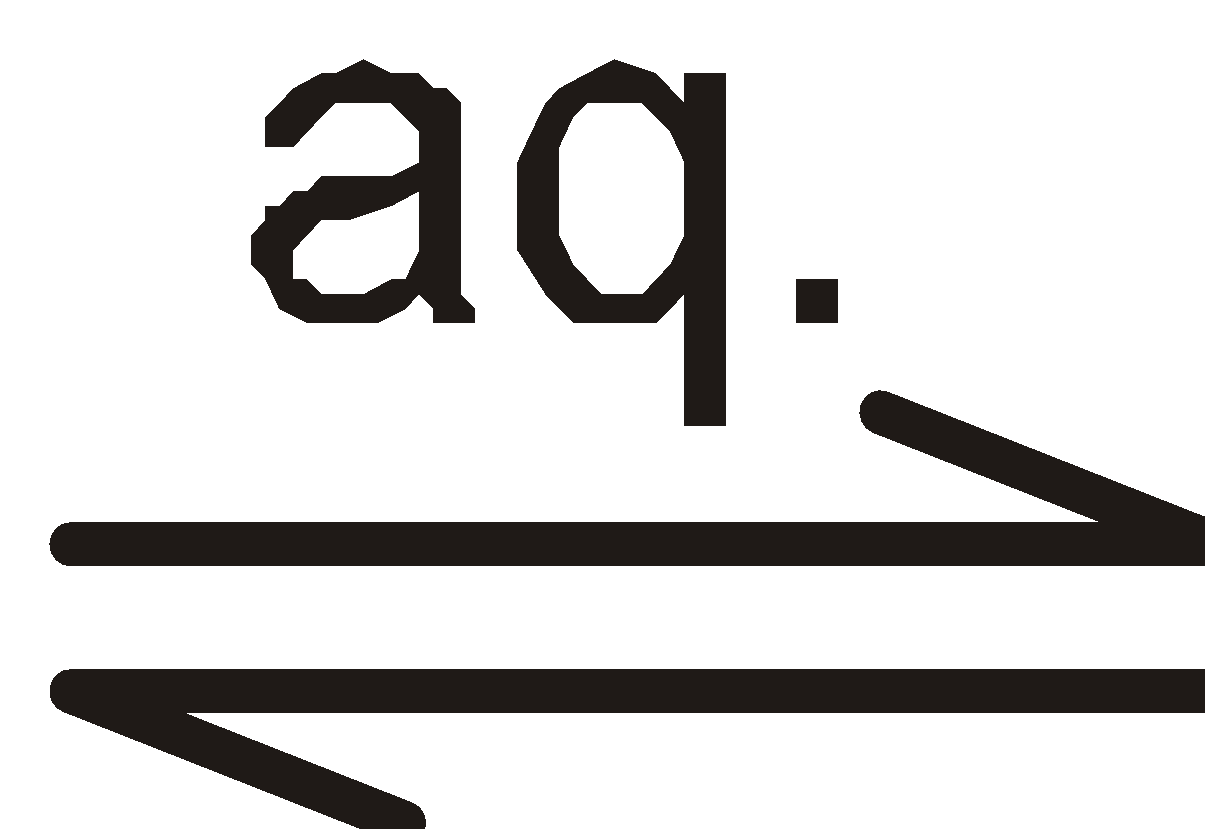
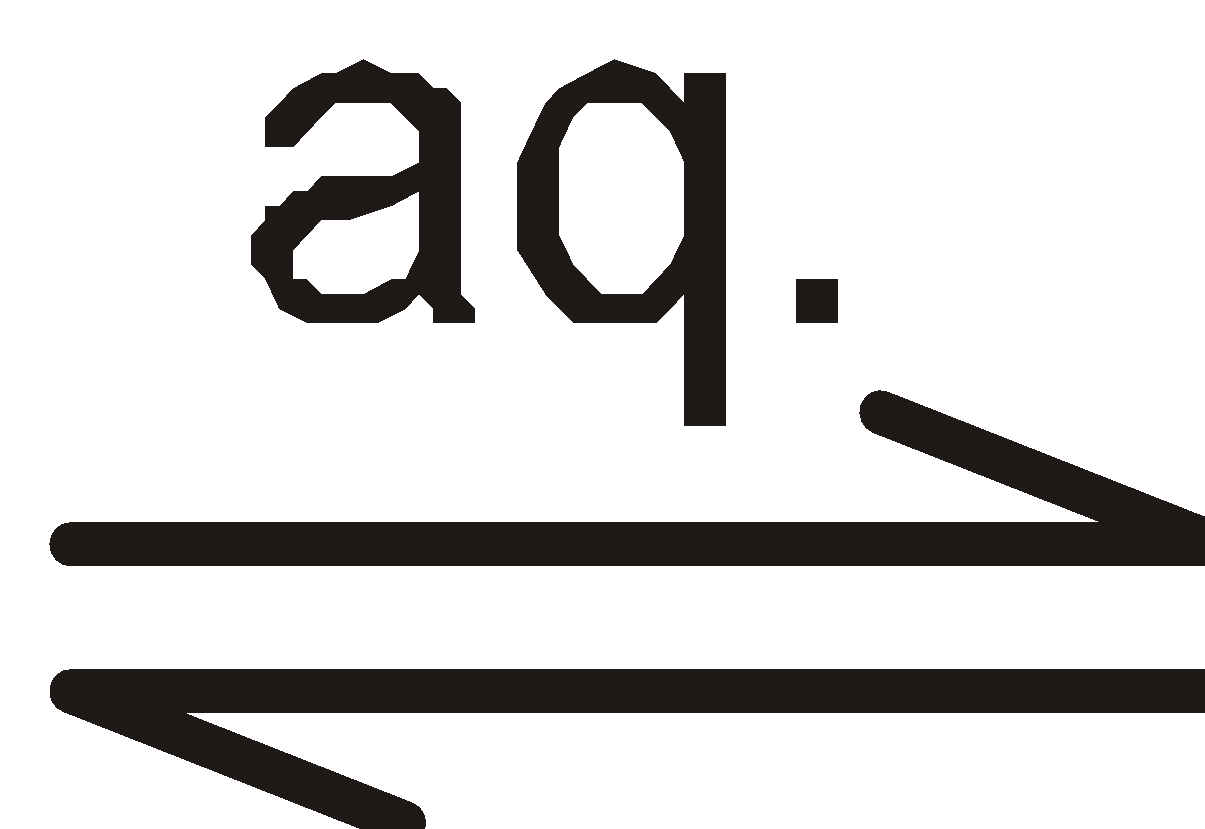
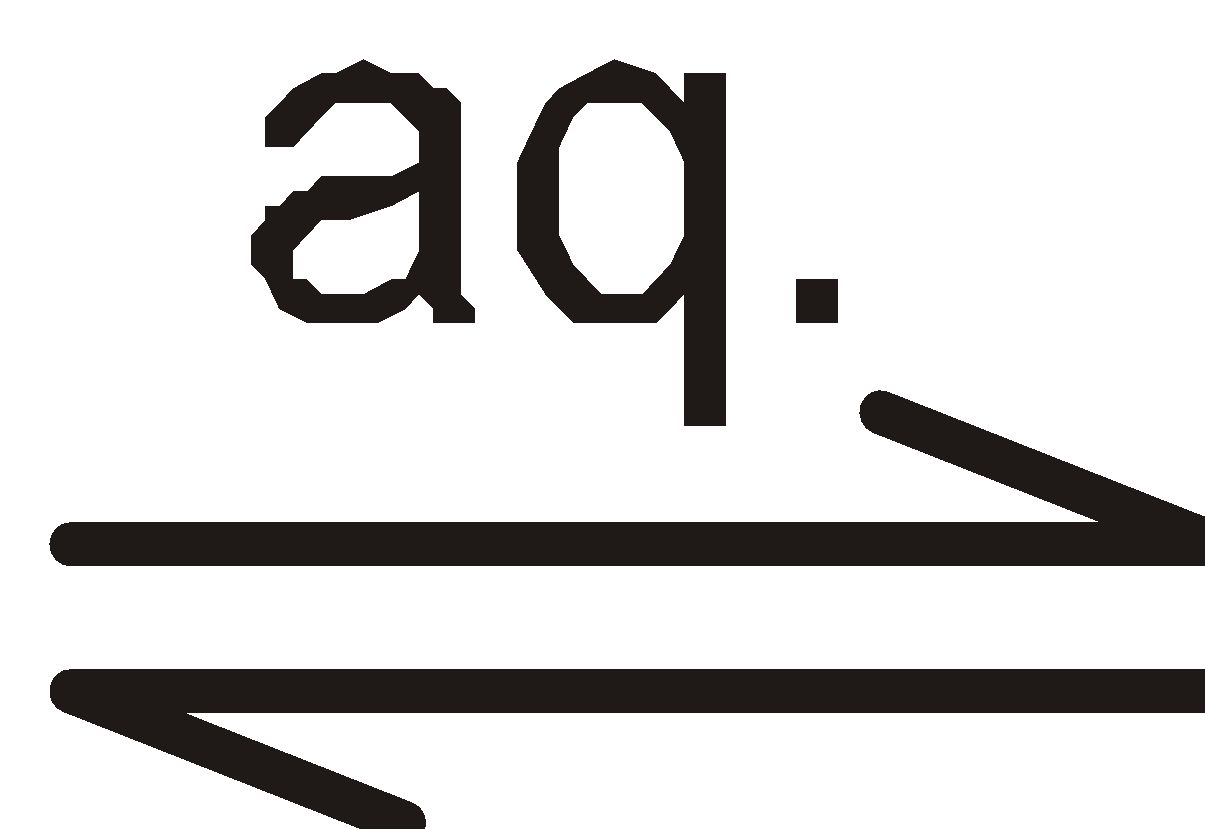
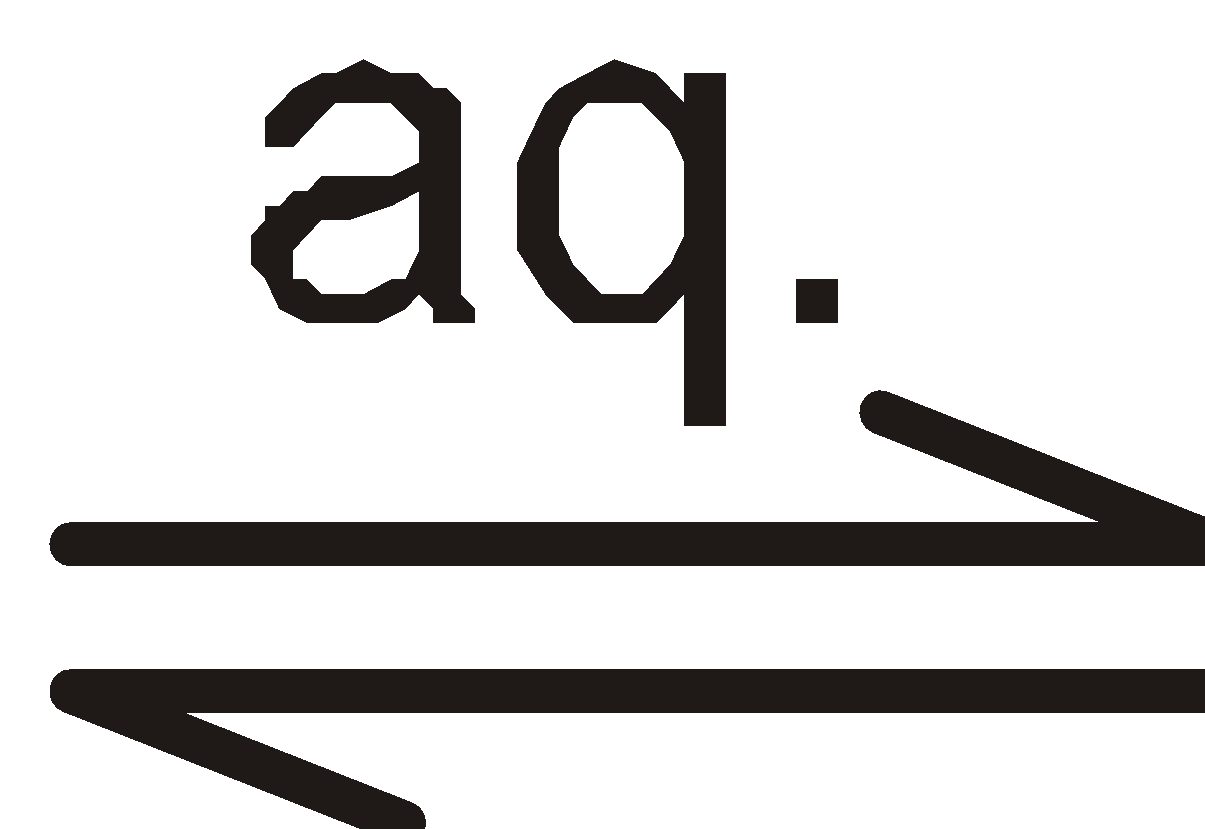
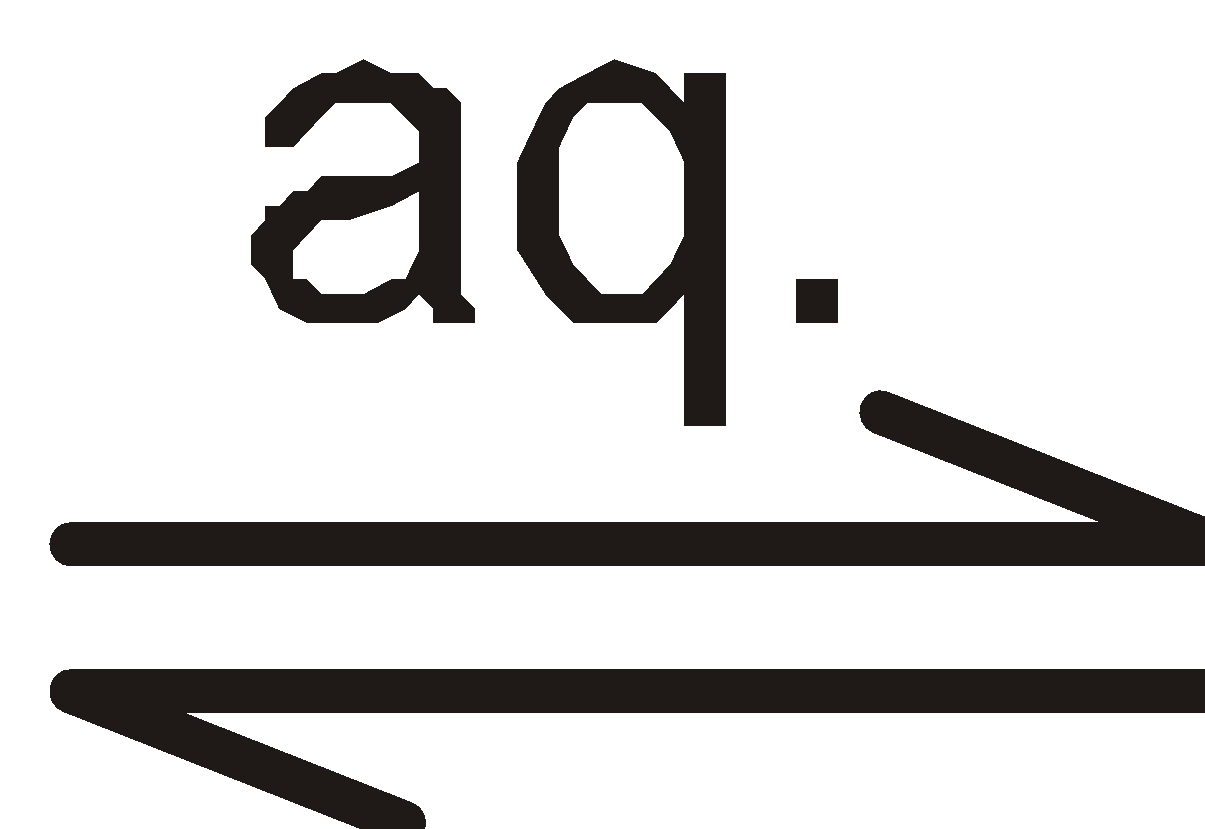
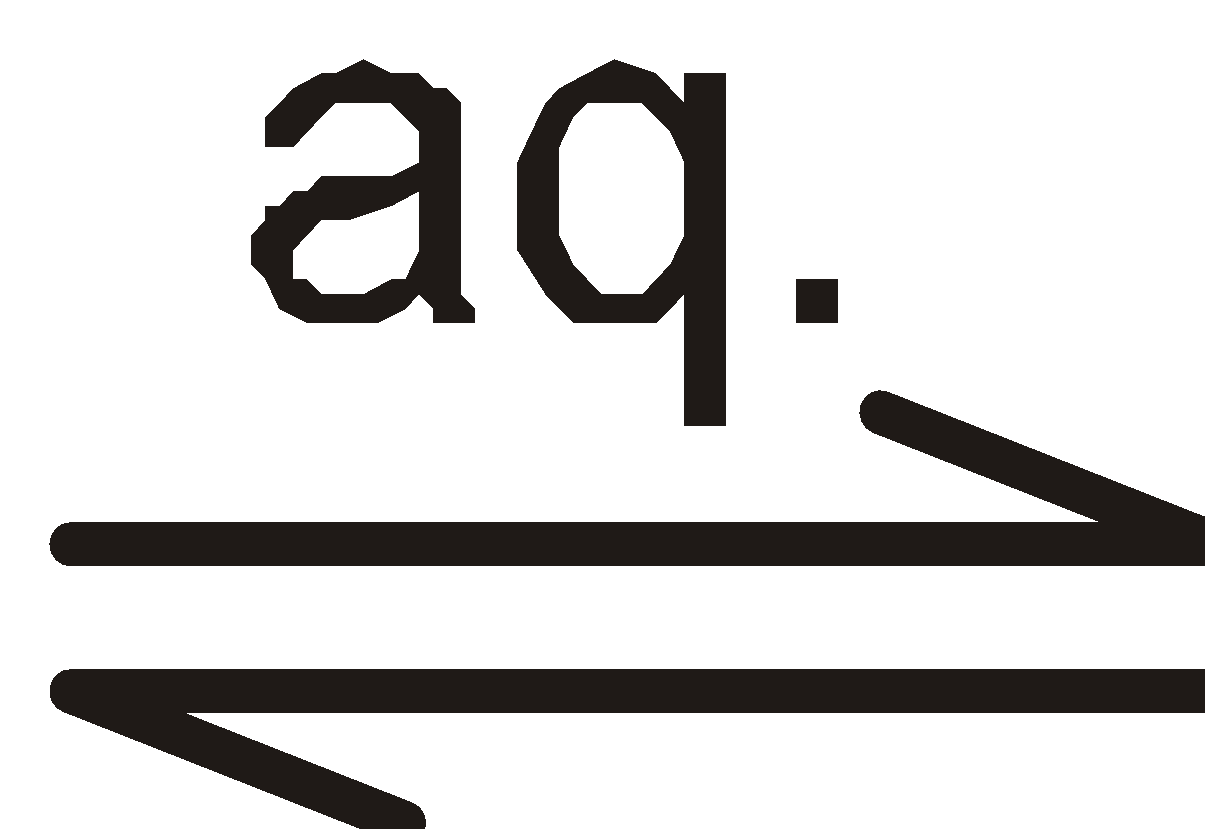
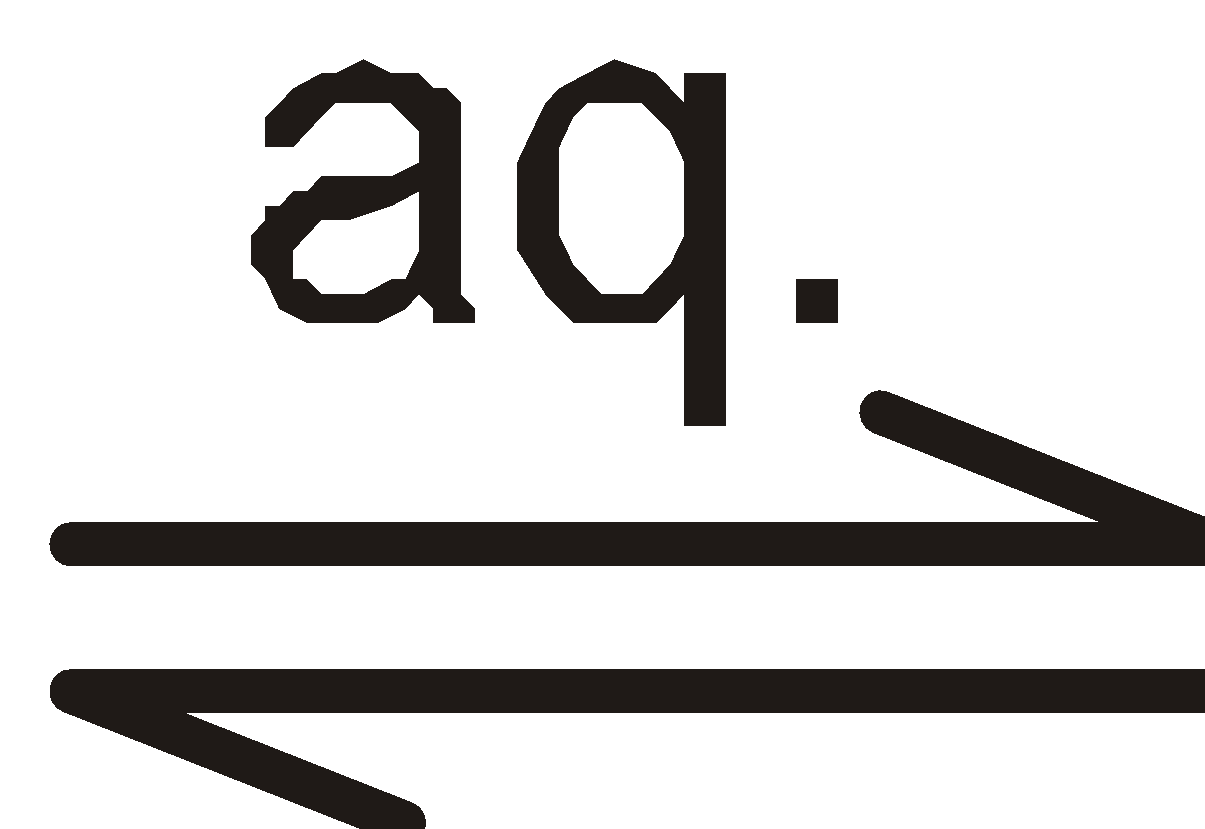
(a) | PtCl4.2NH3 [Pt(NH3)2Cl4] (aq) | |
(b) | PtCl4.NH3.KCl K+ (aq) + [Pt(NH3)Cl5]– (aq) | 1 : 1 electrolyte. |
(c) | CrCl3.5NH3 [Cr(NH3)5Cl]2+ (aq) + 2Cl– (aq) | 1 : 2 electrolyte |
(d) | PtCl4.2KCl 2K+ + [PtCl6]2– | 2 : 1 electrolyte. |
(e) | PtCl4.6NH3 [Cr(NH3)6]3+ + 3Cl– | 1 : 3 electrolyte. |
(f) | PtCl4.6NH3 [Pt(NH3)6]4+ + 4Cl– | 1 : 4 electrolyte. |
(g) | CoBr3.5NH3 [Co(NH3)5Br]2+ + 2Br– | 1 : 2 electrolyte. |
(h) | PtCl4.3NH3 [Pt(NH3)3Cl3]+ + Cl– | 1 : 1 electrolyte |
Prepare Smarter with CGP Edu
Get practice questions, solutions, and test series in one place.
Write a Review
Share your experience with this question and solution.
Commentary
Send your comment, doubt, correction, or feedback to admin.
Similar Questions
Explore conceptually related problems