Published by:
CGP EDU Academic Team
Published on: September 12, 2026
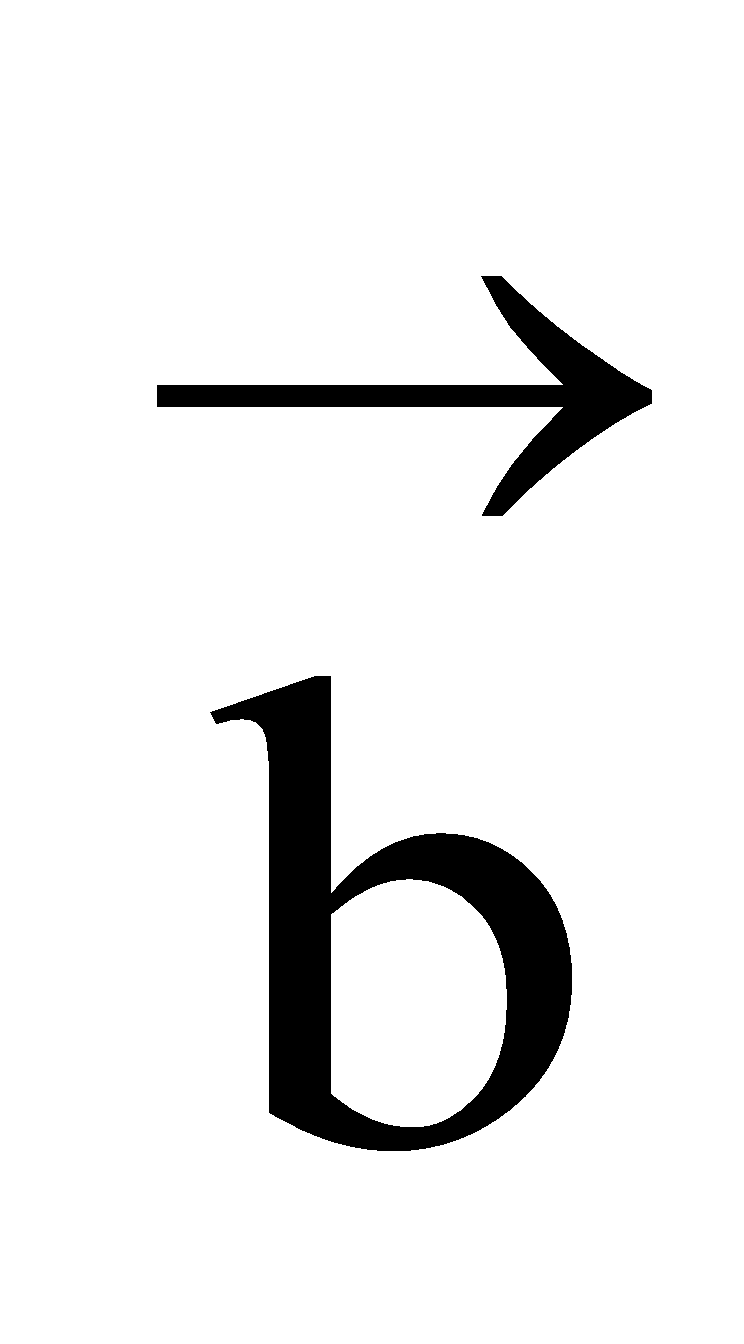
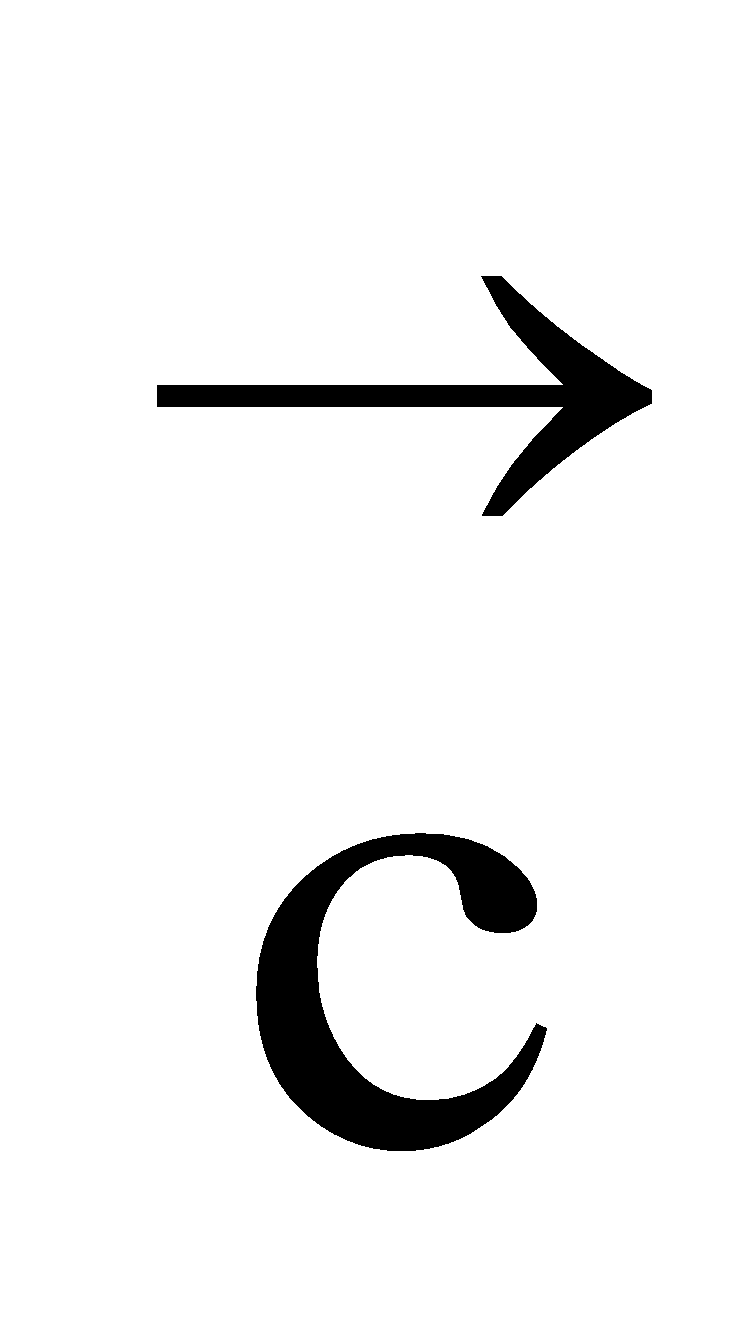
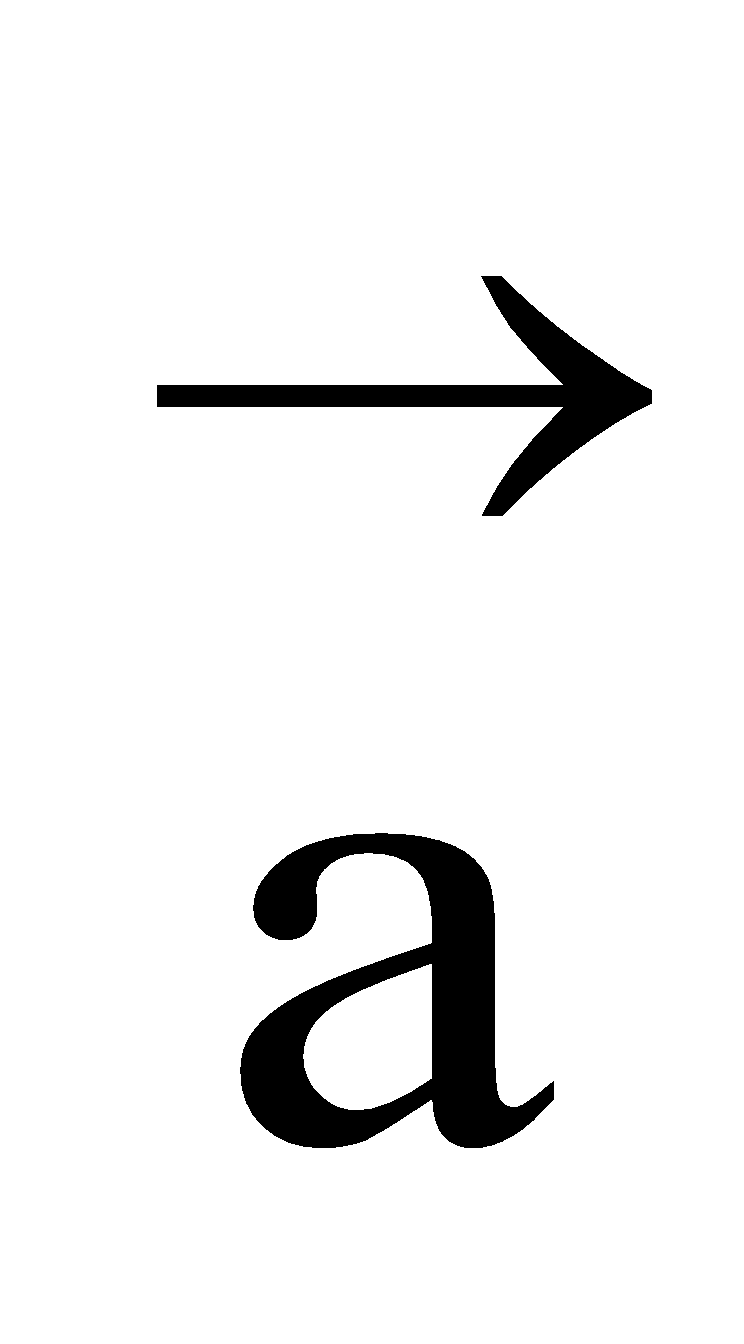
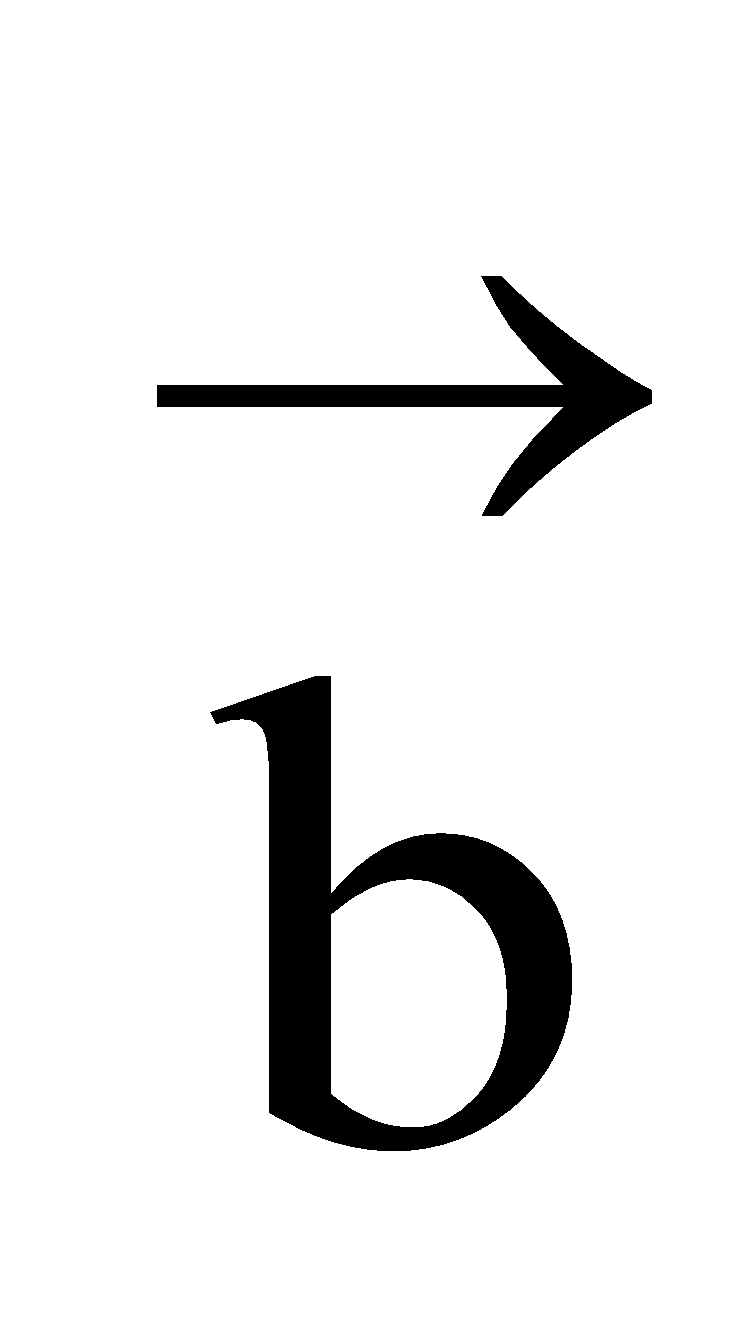
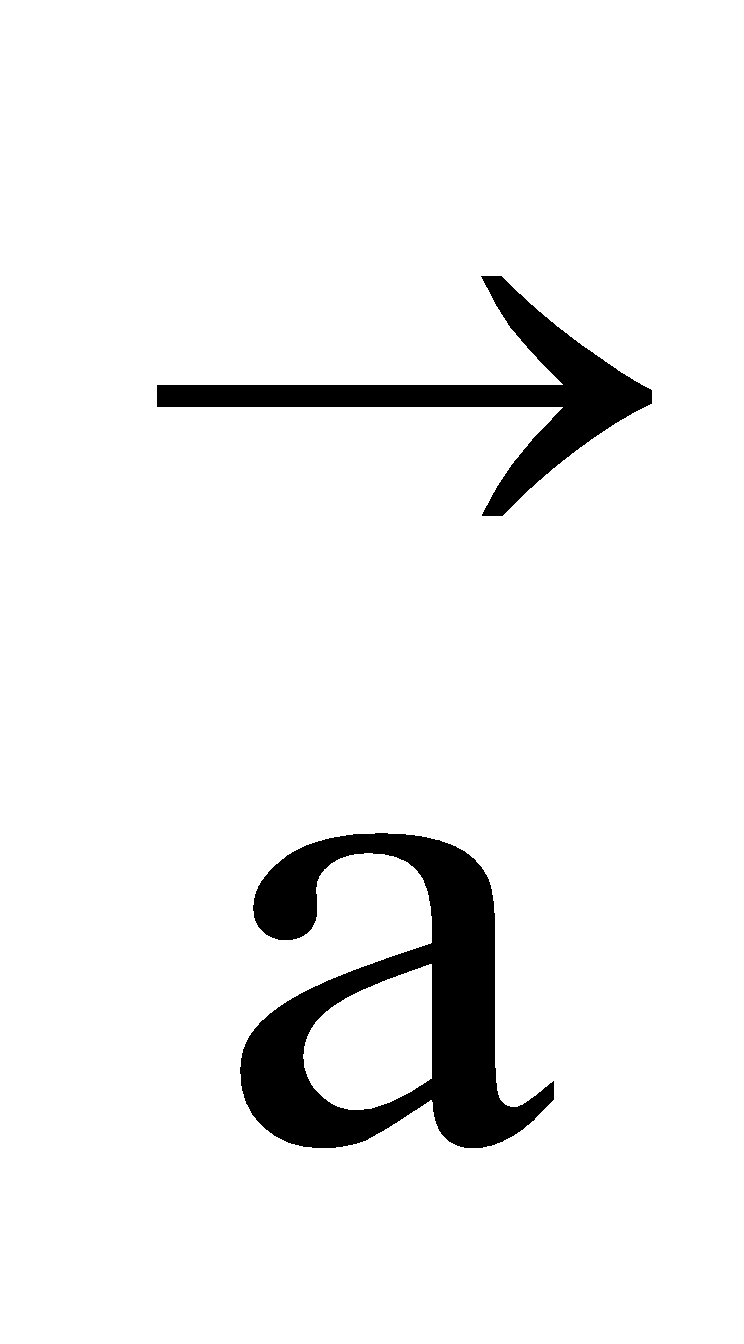
For any three non zero vector
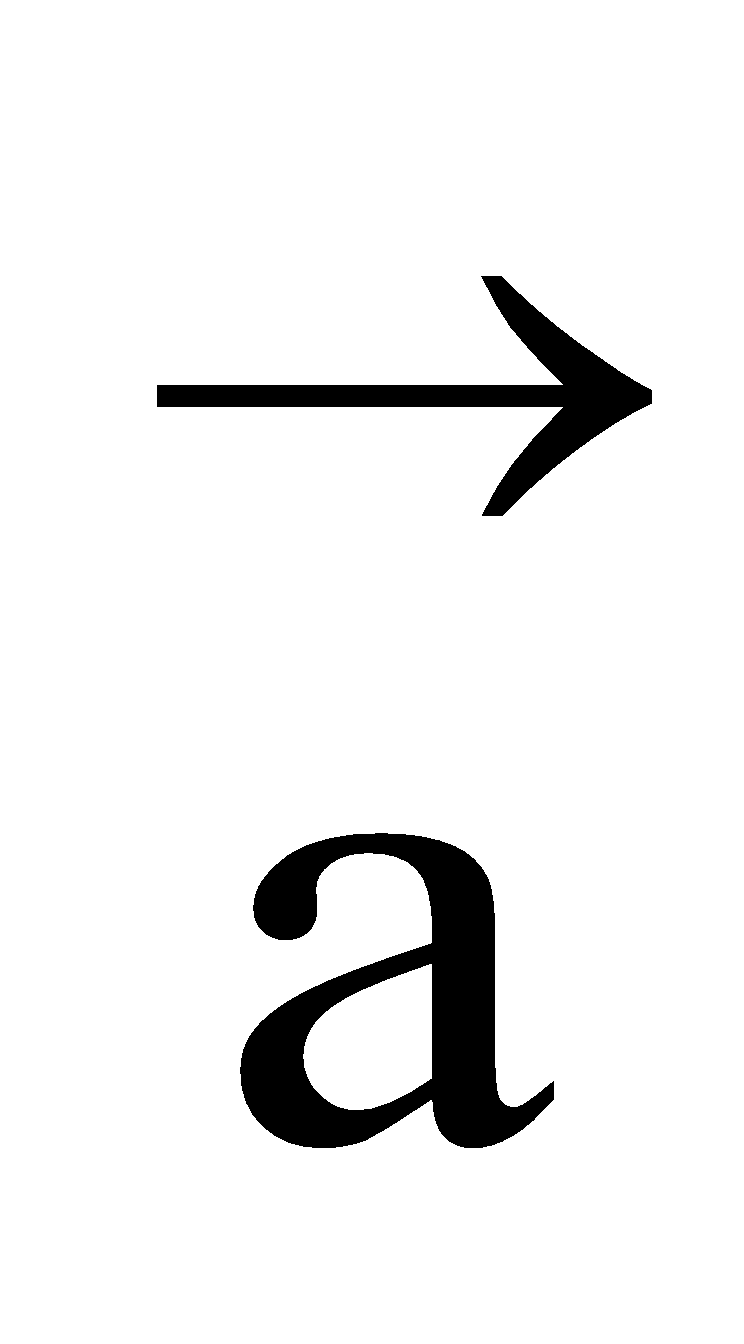
,
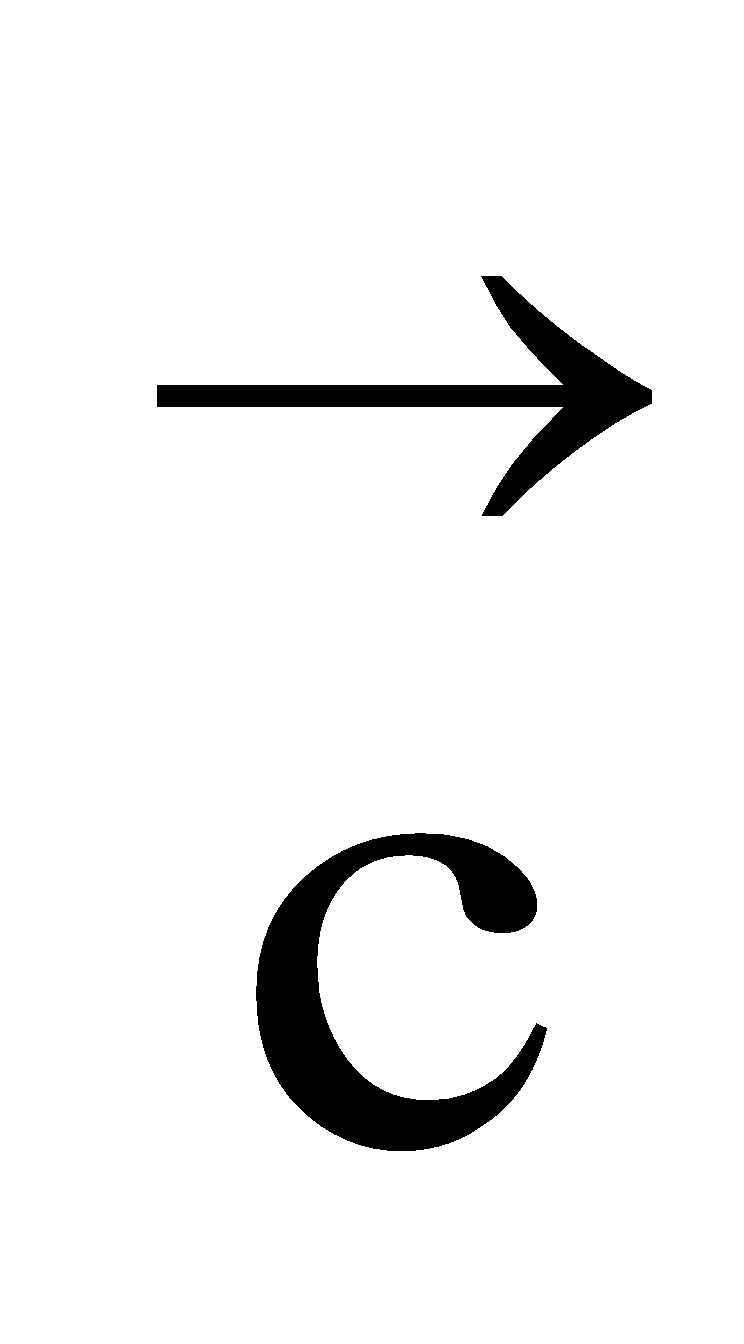
and
if
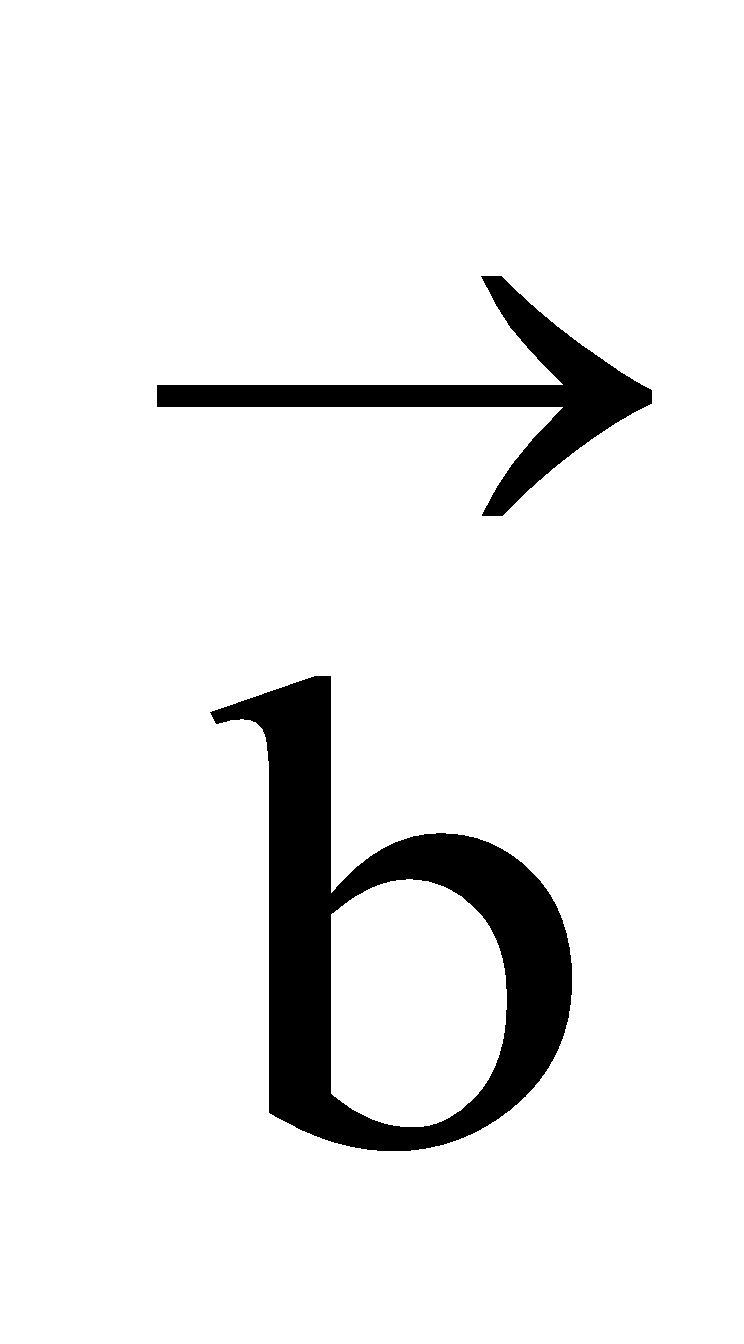
.
=
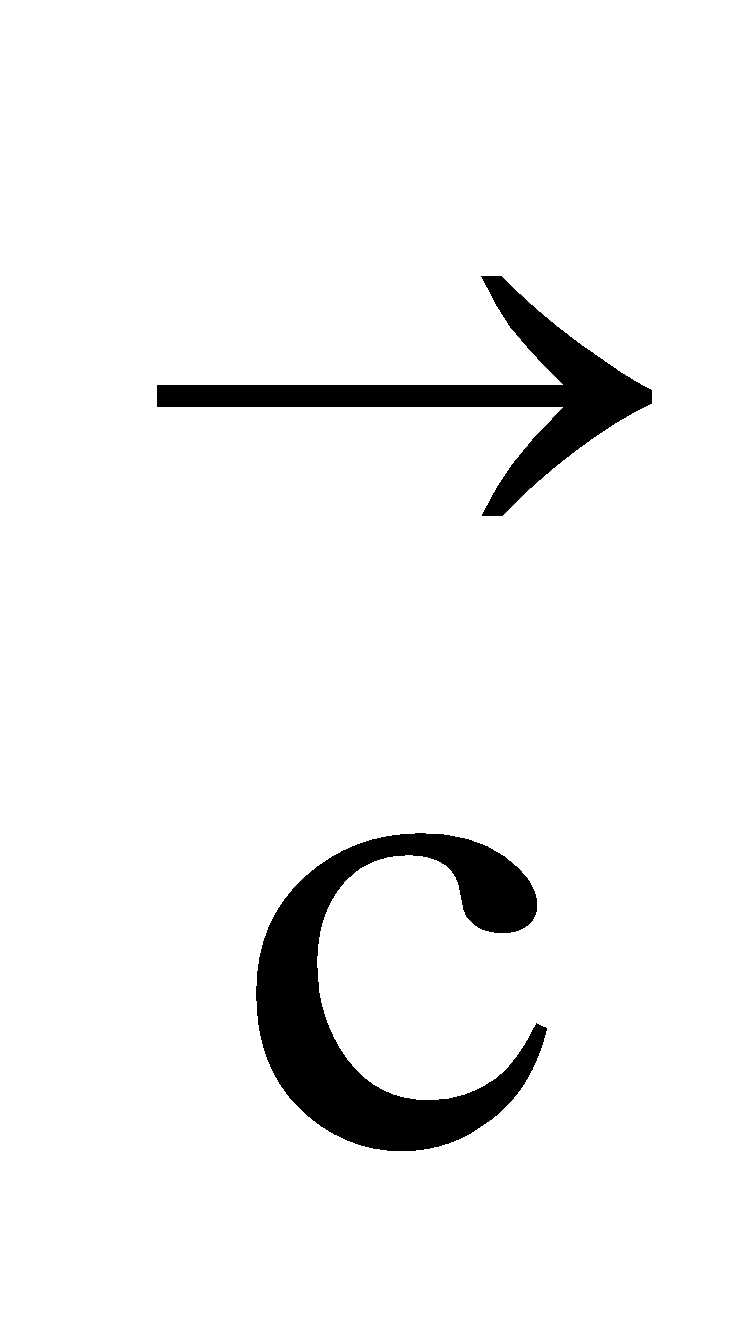
.
then it may be possible that
≠
.
Text Solution
Verified by ExpertsThe correct answer is:
A
Step 1: Identify the given vectors as \( A, B, C \) and the condition involving these vectors.
Step 2: Use the properties of vector addition and the relationship that in a vector space, if \( A + B + C = D \), then the vectors are linearly independent if they do not lie on the same plane.
Step 3: Given that \( A \), \( B \), and \( C \) are non-zero vectors, we analyze the condition provided in the question stating that \( D \) might not equal zero.
Step 4: Conclude that if \( A \), \( B \), and \( C \) do not sum up to form a dependent relationship, the final conclusion aligns with option A. Therefore, the answer is A.
Step 2: Use the properties of vector addition and the relationship that in a vector space, if \( A + B + C = D \), then the vectors are linearly independent if they do not lie on the same plane.
Step 3: Given that \( A \), \( B \), and \( C \) are non-zero vectors, we analyze the condition provided in the question stating that \( D \) might not equal zero.
Step 4: Conclude that if \( A \), \( B \), and \( C \) do not sum up to form a dependent relationship, the final conclusion aligns with option A. Therefore, the answer is A.
Prepare Smarter with CGP Edu
Get practice questions, solutions, and test series in one place.
Write a Review
Share your experience with this question and solution.
Commentary
Send your comment, doubt, correction, or feedback to admin.
Similar Questions
Explore conceptually related problems
If a vector 2\hat{i} + 3\hat{j} + 8\hat{k} is perpendicular to the vector \(4\hat{i} - 4\hat{j} + \…
If two vectors 2\hat{i} + 3\hat{j} - \hat{k} and \(-4\hat{i} - 6\hat{j} - \lambda \hat{k}\) are par…
A body, acted upon by a force of 50 N is displaced through a distance 10 meter in a direction makin…
A particle moves from position 3\hat{i} + 2\hat{j} - 6\hat{k} to 14\hat{i} + 13\hat{j} + 9\hat{k} d…
If for two vector \vec{A} and \vec{B} , sum \(\left(\vec{A} + \vec{B}\right)\) is perpendicular to …
The angle between the vectors \vec{A} and \vec{B} is \(\theta.\) The value of the triple product \(…