Home Physics System of Particles Rotational Motion Mix A small mass particle is given an initial ve…
Physics System of Particles Rotational Motion Mix Subjective Type
Published on: September 12, 2026

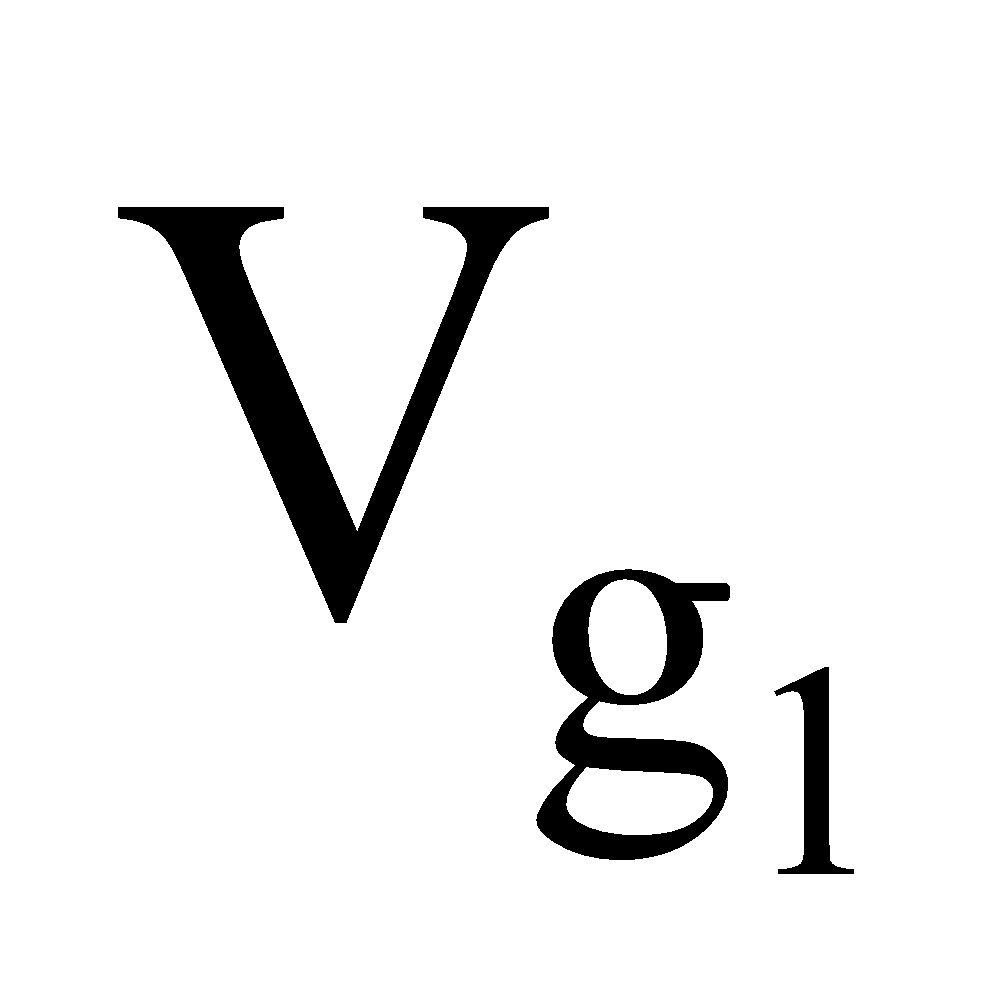
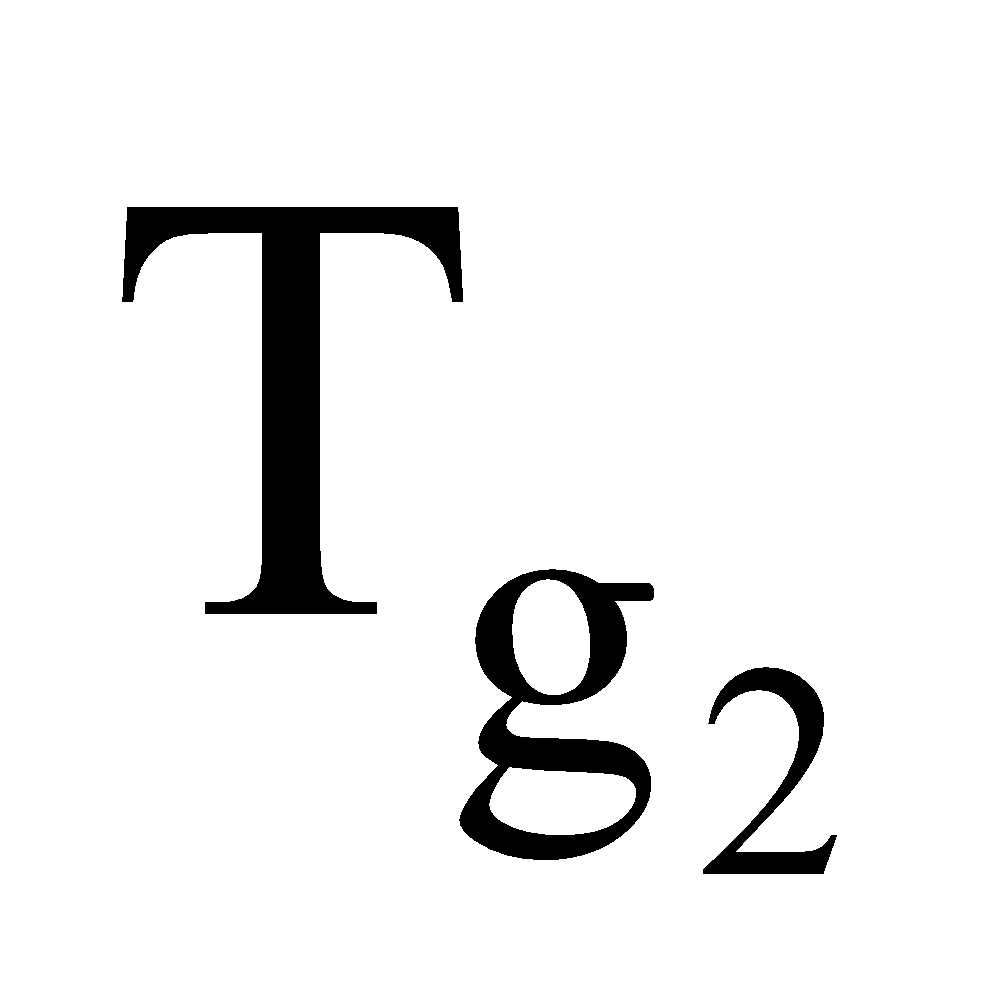
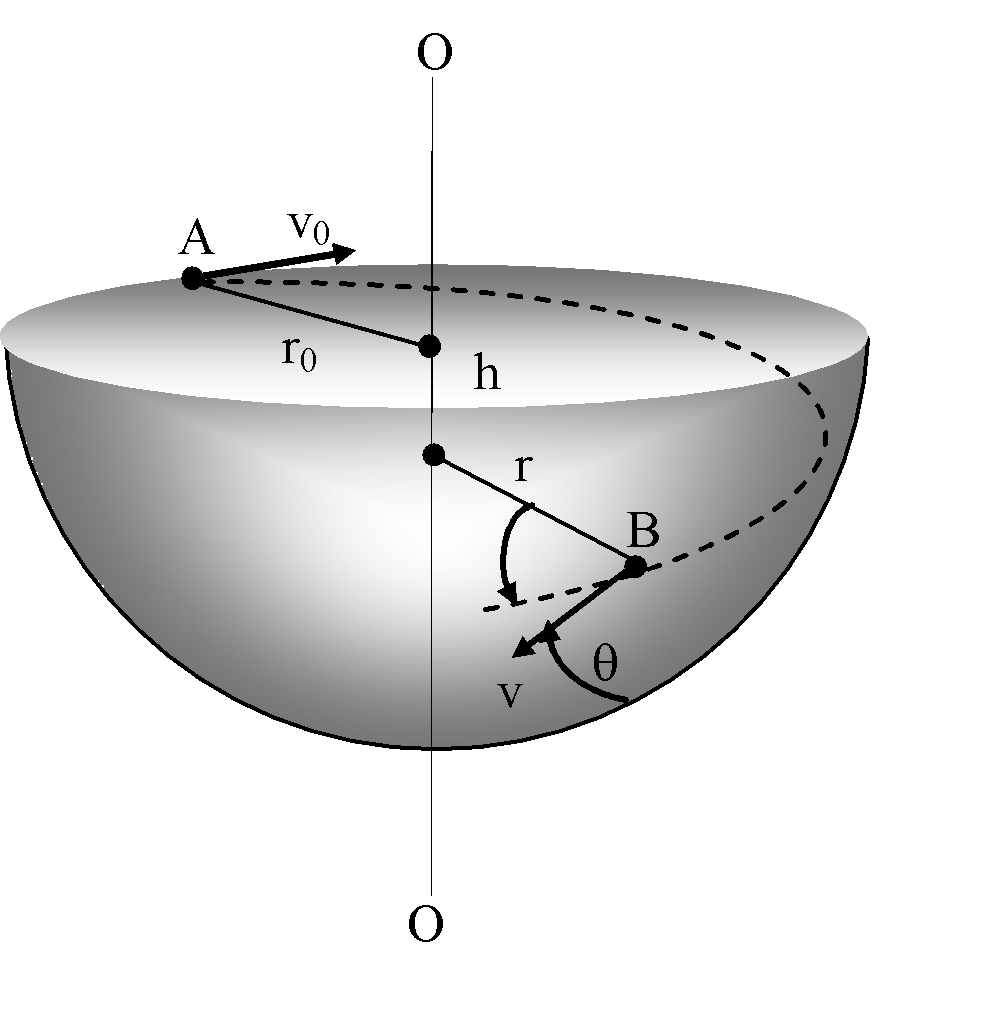
A small mass particle is given an initial velocity v 0 tangent to the horizontal rim of a smooth hemispherical bowl at a radius r 0 from the vertical centerline, as shown at point A . As the particle slides past point B, a distance h below A and a distance r from the vertical centerline, its velocity v makes an angle θ with the horizontal tangent to the bowl through B. Determine θ .
Share this question

For Instagram sharing, use “Apps” on mobile or copy the link.

Text Solution

Verified by Experts
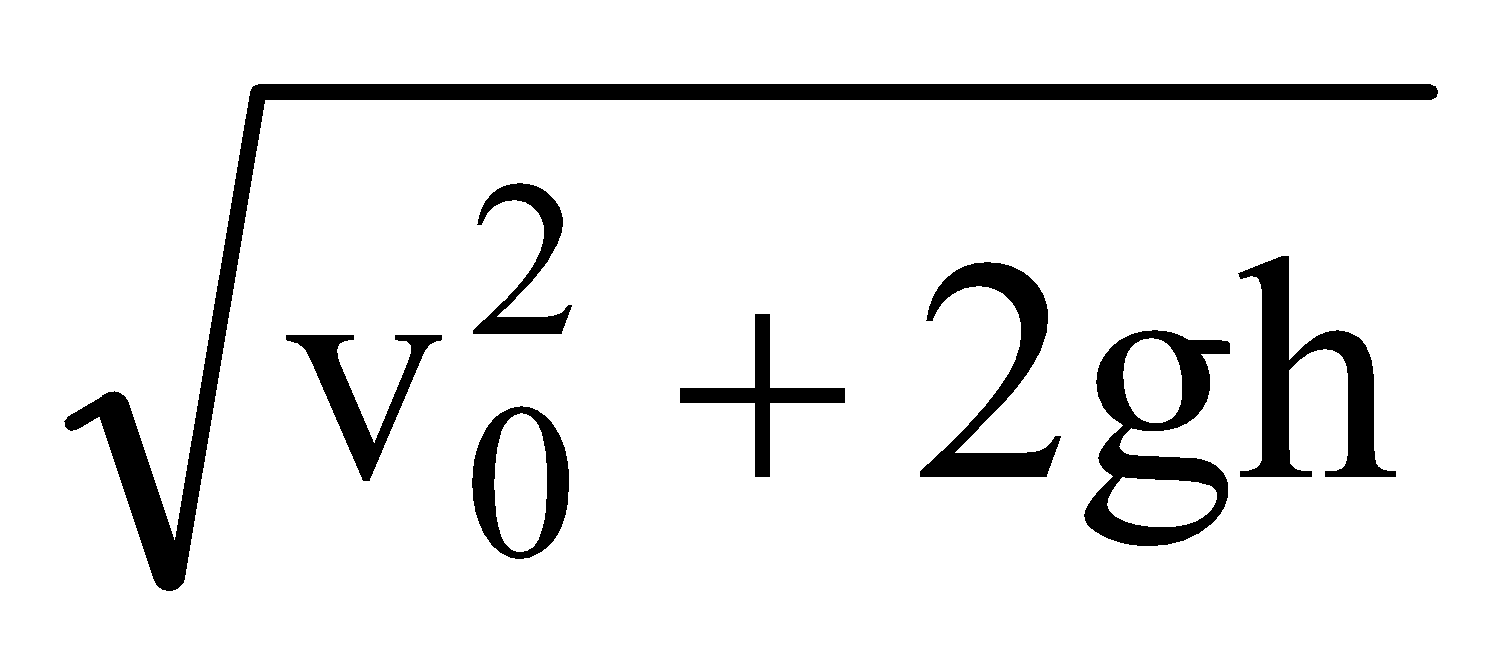
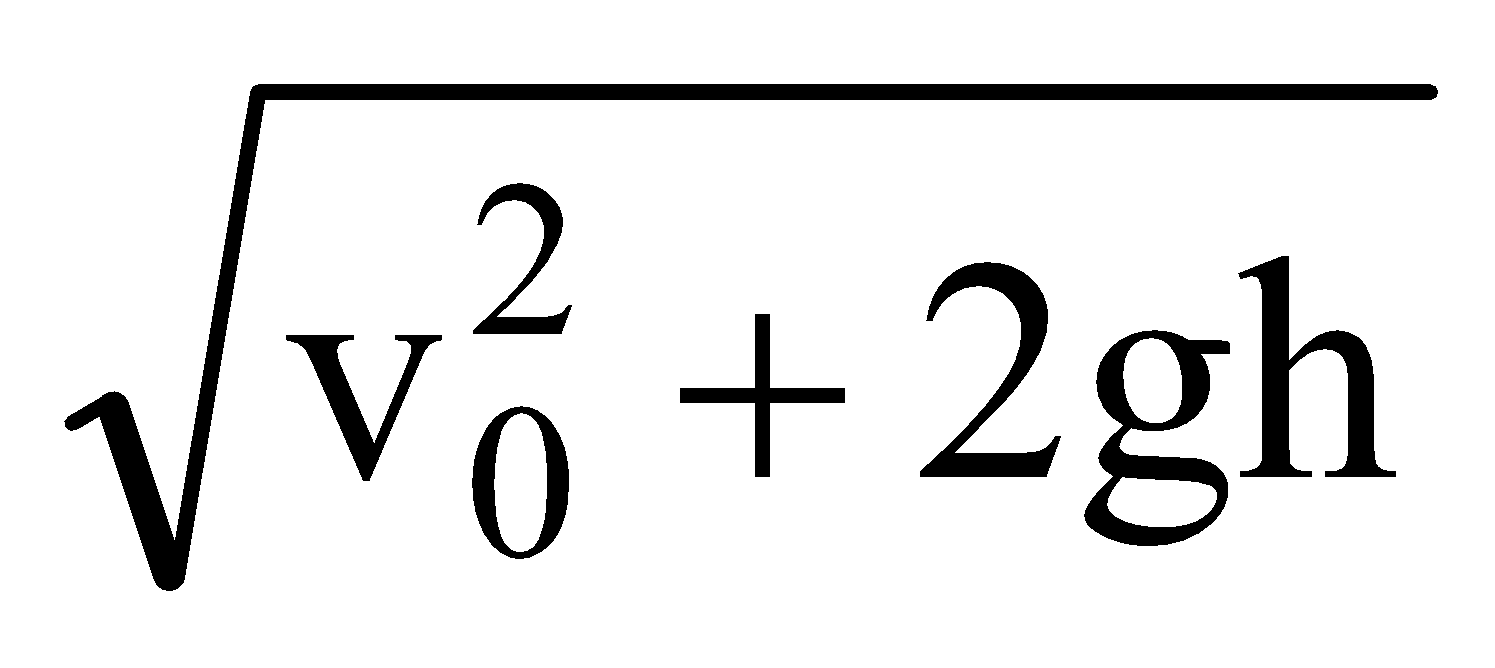
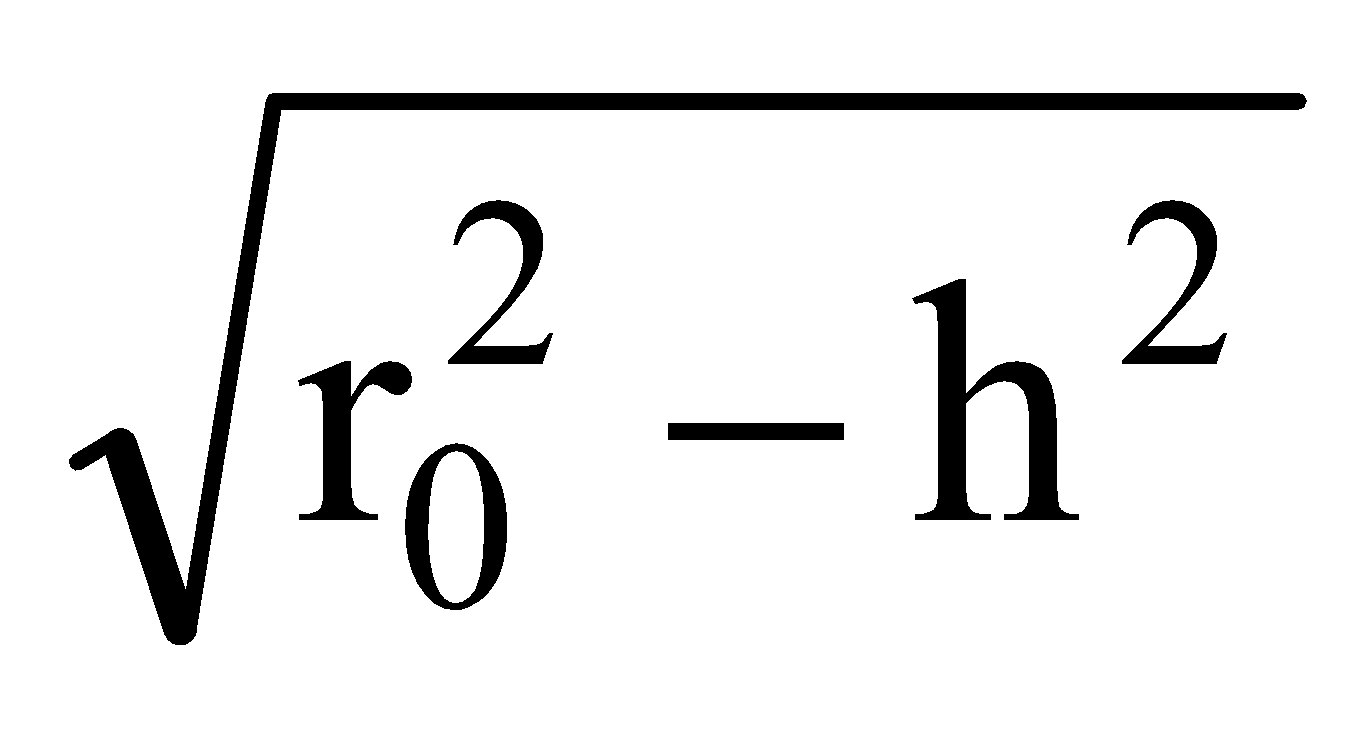
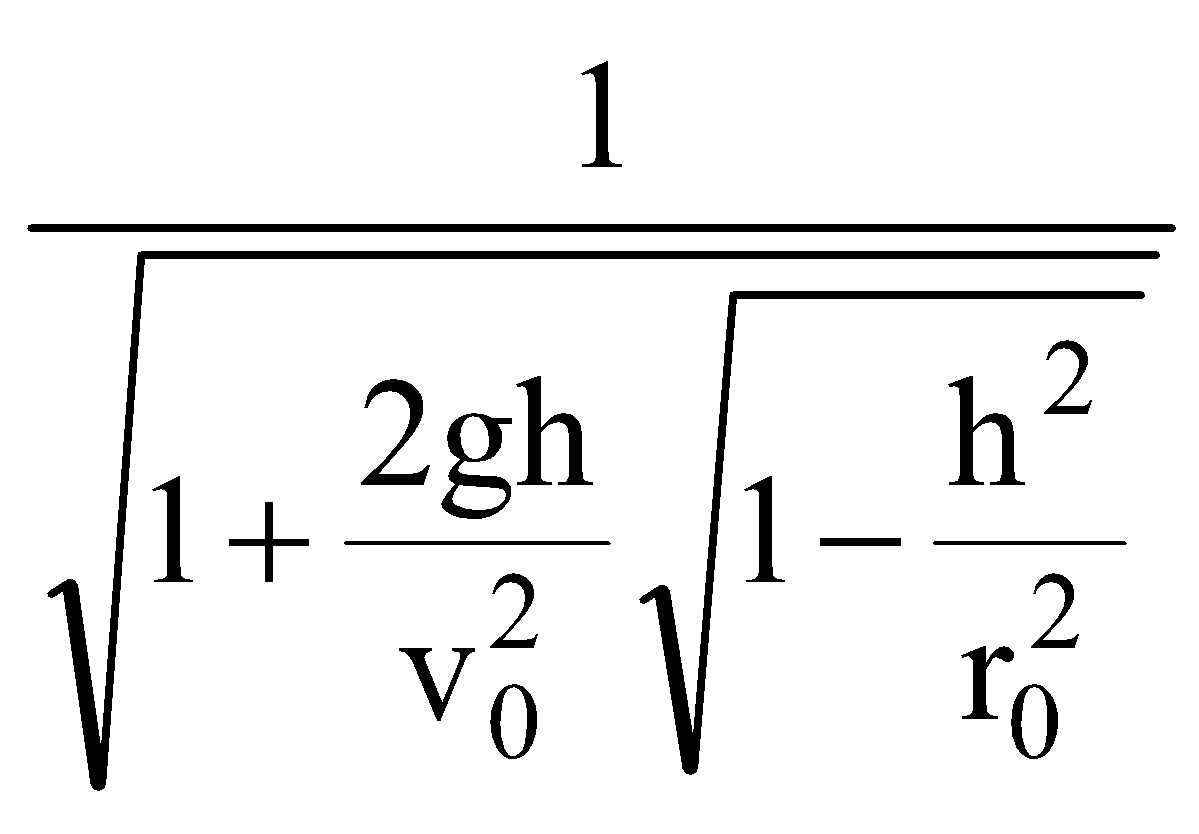
The correct answer is:
A
To determine the angle \( \theta \) at point B for a particle sliding down a smooth hemispherical bowl, we apply the principles of energy conservation and geometry of motion.
Step 1: Energy Conservation.
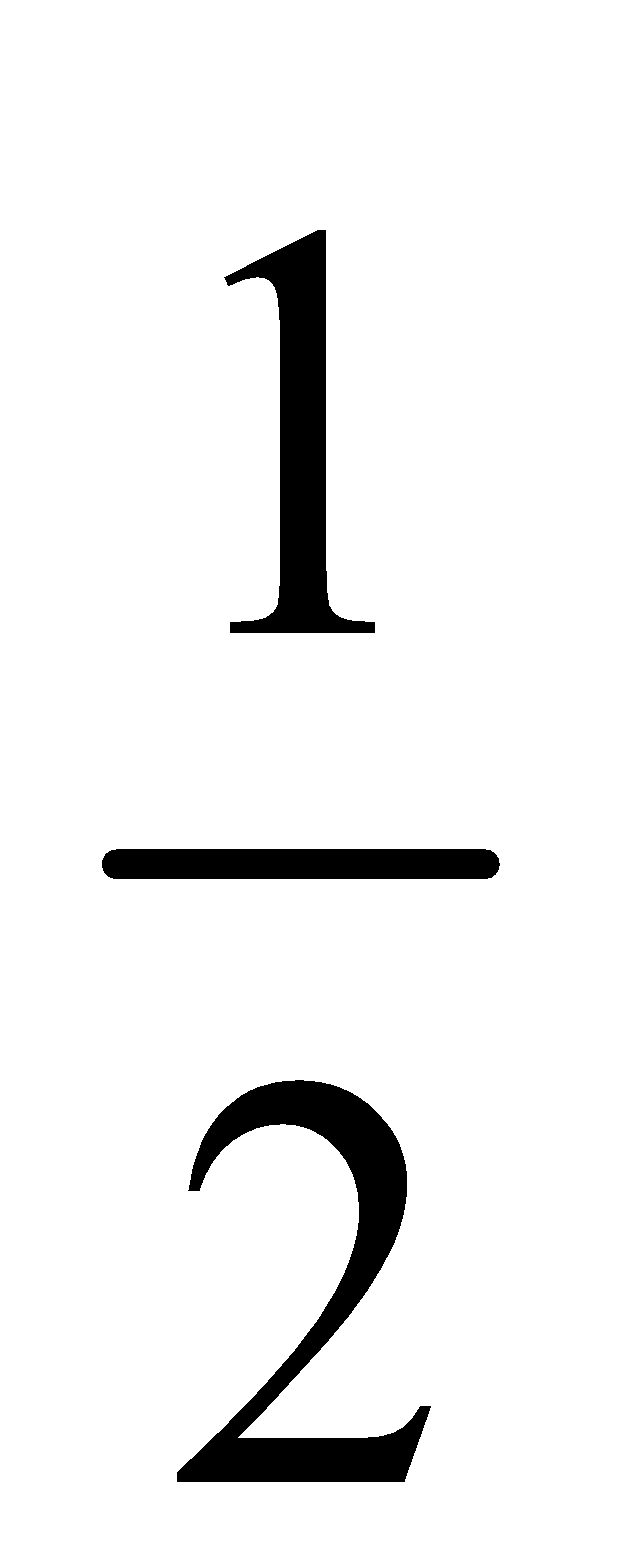
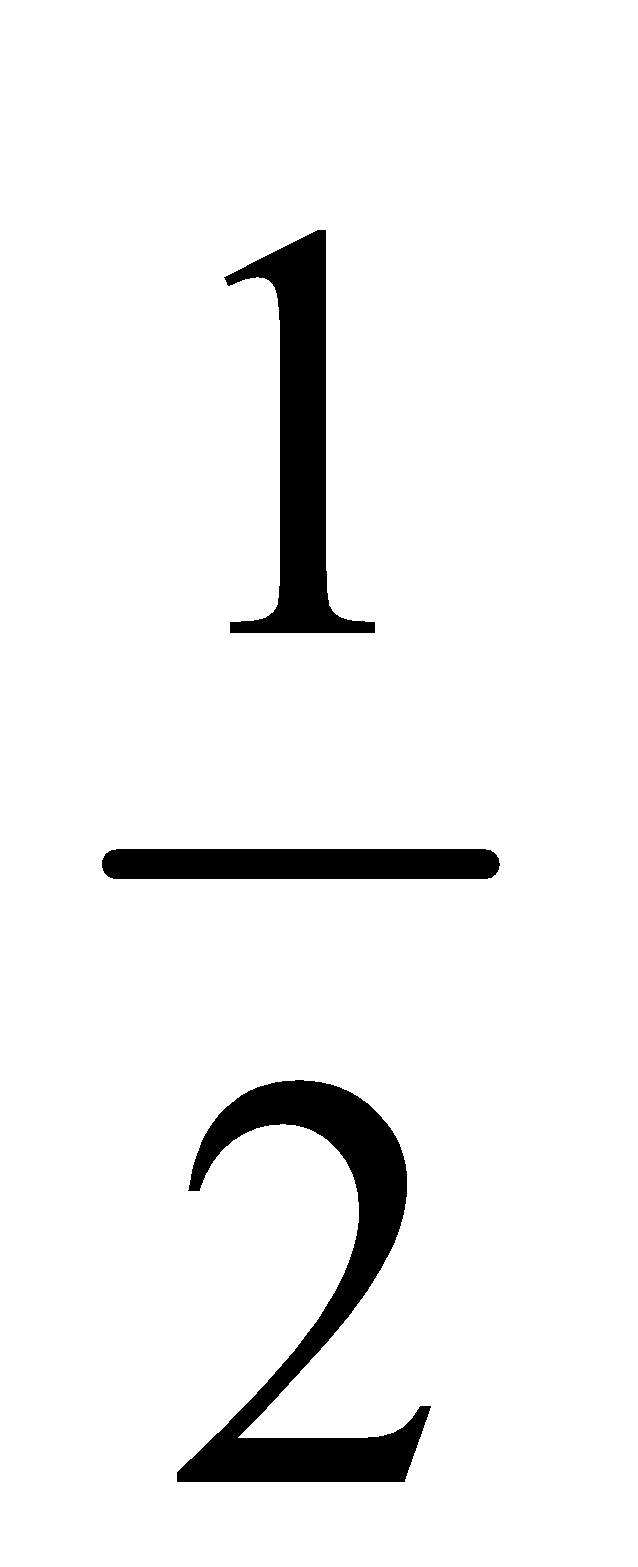
The mechanical energy remains constant because there is no friction. The initial potential energy at point A can be given by \( PE_A = mgh \) where \( h = r_0 \). The initial kinetic energy at point A is given by \( KE_A = \frac{1}{2} mv_0^2 \). At point B, the height is given by |h|=r_0 - h, so \( PE_B = mg(r_0 - h) \).
Equating energy at A and B:
\[ mgh + \frac{1}{2} mv_0^2 = mg(r_0 - h) + \frac{1}{2} mv^2 \]
Step 2: Simplify the equation.
Dividing through by m and rearranging:
\[ gh + \frac{1}{2} v_0^2 = g(r_0 - h) + \frac{1}{2} v^2 \]
Rearranging gives:
\[ v^2 = v_0^2 + 2g(h - (r_0 - h)) \]
Therefore, energy conservation leads us to find \(v^2\) at point B.
Step 3: Geometry of Motion.
The velocity vector at B forms an angle \( \theta \) with the horizontal. This can be analyzed in terms of components. At point B, the centripetal force must equal the gravitational component acting perpendicular to the bowl surface. The relationship can be established using the geometry of the situation:
The vertical component will be \( v_y = v \sin(\theta) \) and the horizontal component \( v_x = v \cos(\theta) \).
Since \(tan(\theta) = \frac{opposite}{adjacent} = \frac{v_y}{v_x}\), geometry helps us connect these velocities to the radius of curvature of the bowl. Hence, after resolving the forces, we obtain \( \tan(\theta) = \frac{h}{r} \) leading to:
\[ \tan(\theta) = \frac{h}{r_0} \]
Finally, we can rewrite \( \theta \\) in terms of h and r, establishing the desired relationship.
Therefore, the solution yields \( \theta \), which represents the angle made by the particle's velocity at point B with the horizontal tangent.

Prepare Smarter with CGP Edu

Get practice questions, solutions, and test series in one place.

Write a Review

Share your experience with this question and solution.

Commentary

Send your comment, doubt, correction, or feedback to admin.

Student Reviews

What students say about this solution

No reviews yet. Be the first to write a review.

Similar Questions

Explore conceptually related problems

CG
CGP Question Assistant Question Bank + AI Help
Hi! Type your question or upload one screenshot. First I will search related questions from CGP Edu Question Bank. If none match, type YES and I will solve it with AI.
Upload only one screenshot at a time. Flow: Question Bank first → If not matched, type YES for AI solution.