Published by:
CGP EDU Academic Team
Published on: September 12, 2026
A river is flowing from west to east at a speed of 5 m/min. A man on the south bank of the river, capable of swimming at 10 m/min in still water, swims across the shortest path distance. In what direction should he swim ?
Text Solution
Verified by ExpertsThe correct answer is:
A
Step 1: Determine the speed of the man and the river.
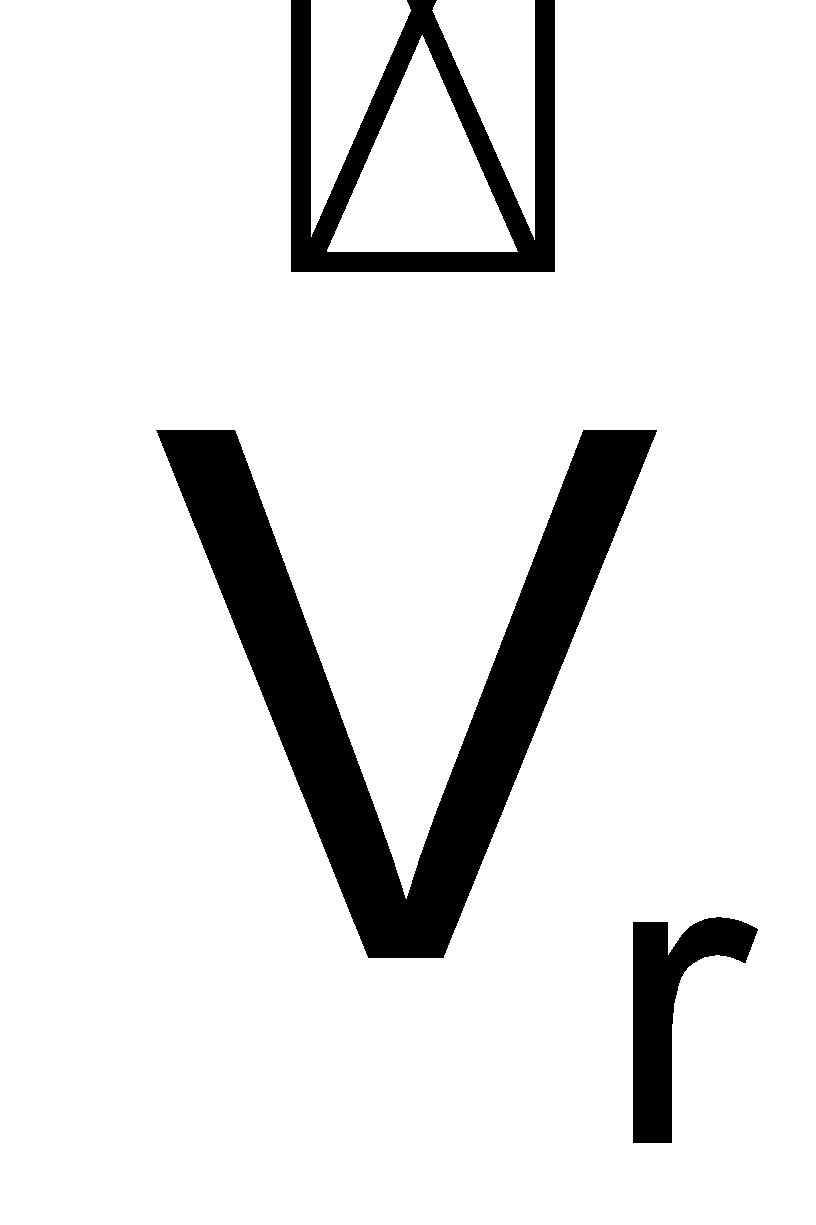
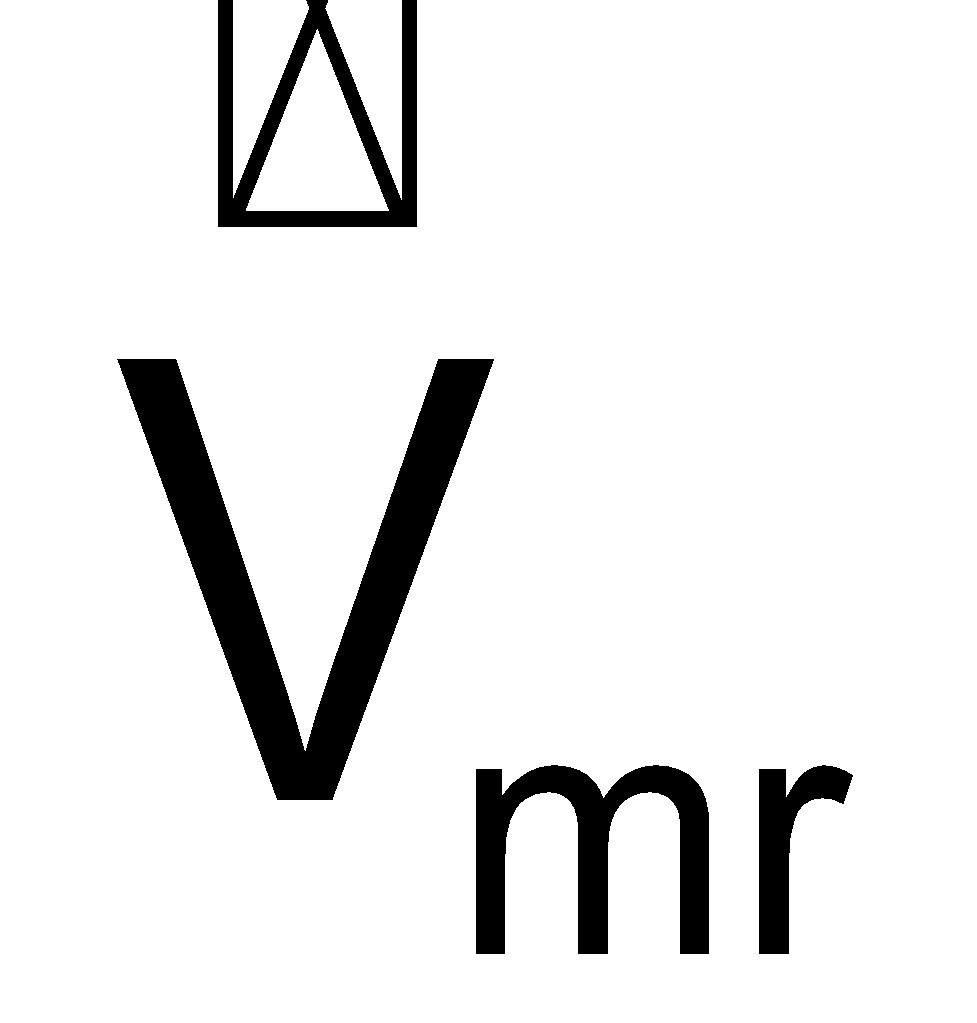
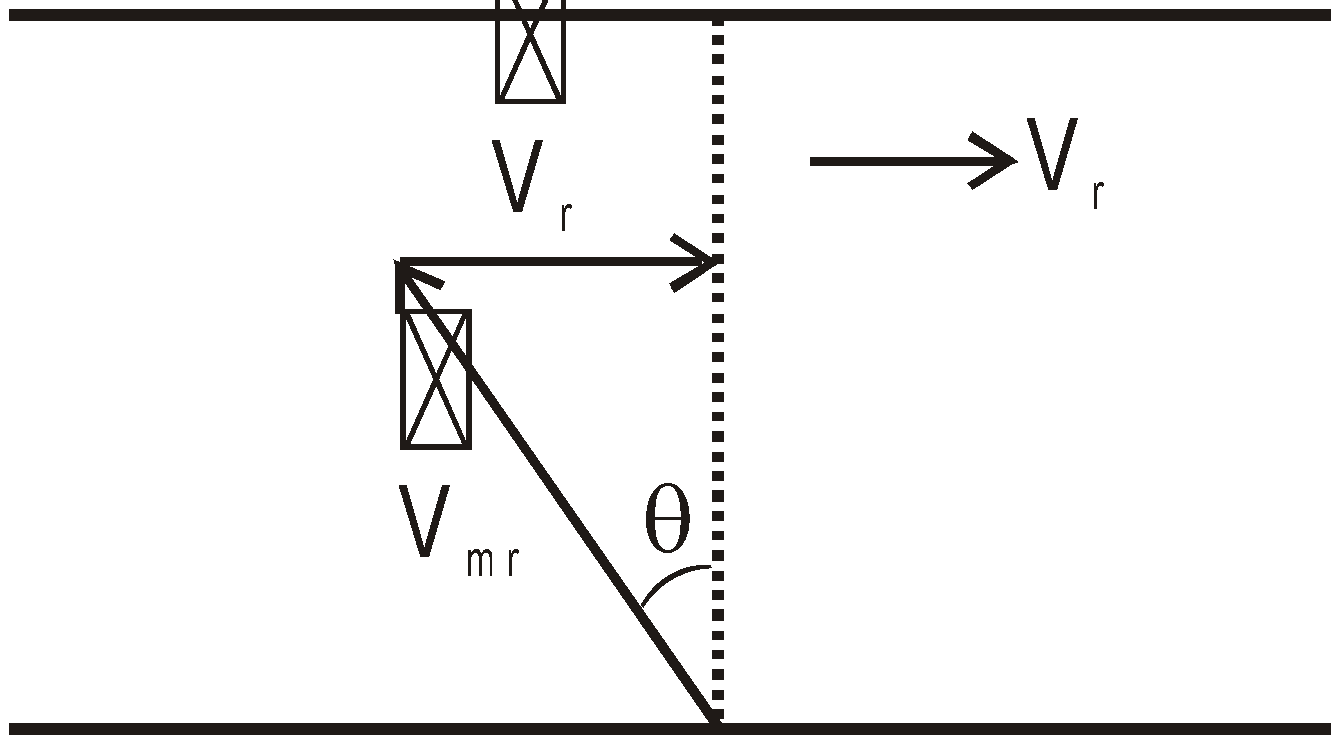
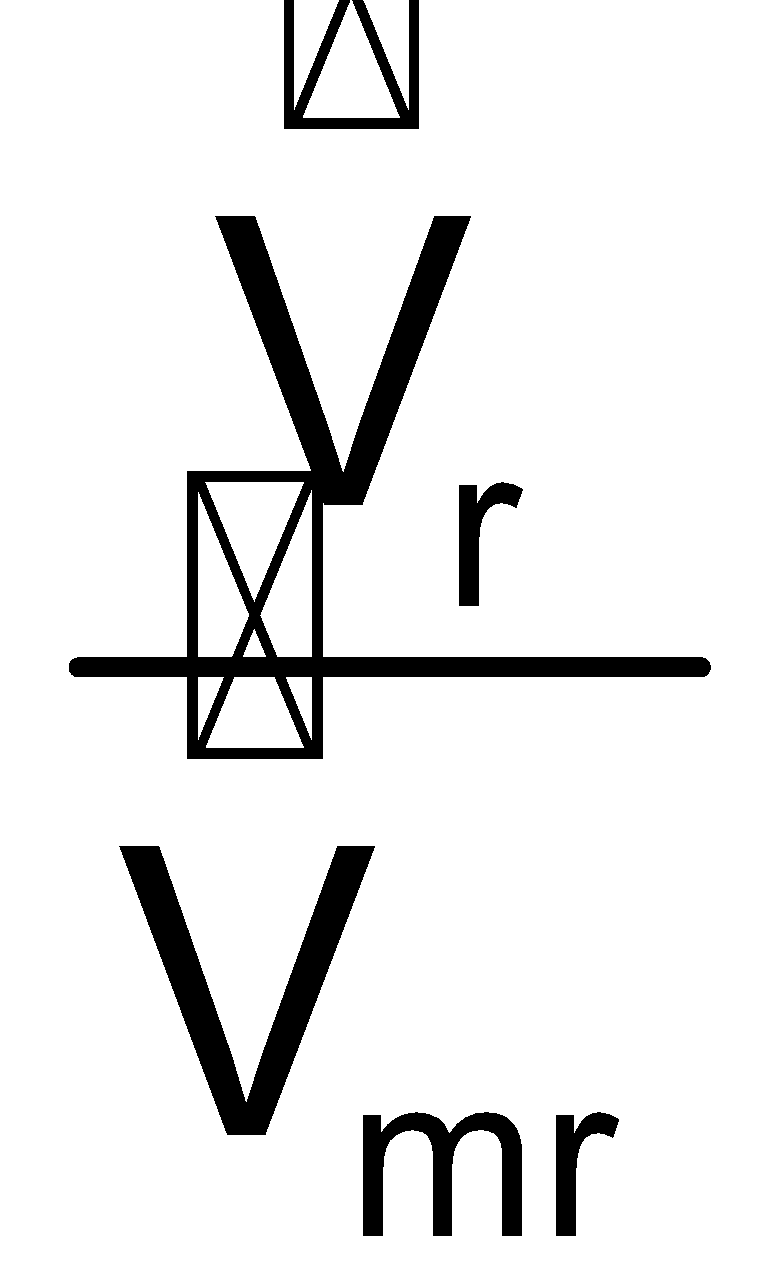
The speed of the river ($v_r$) is 5 m/min (eastwards) and the speed of the man ($v_m$) is 10 m/min (in still water).
Step 2: To swim directly across the river (north to south), the man has to counteract the eastward current of the river.
Using vector decomposition, the man must swim at an angle $ heta$ such that his effective velocity across the river would negate the river's current.
Step 3: The man's velocity can be decomposed into two components:
- One component ($v_{m_y}$) directed across the river (north-south) and the other component ($v_{m_x}$) directed against the river current (west-east).
These components can be expressed as follows:
- $v_{m_x} = v_m imes ext{sin}( heta)$
- $v_{m_y} = v_m imes ext{cos}( heta)$
Step 4: To counter the river's current, $v_{m_x}$ must equal the river's speed:
$$ v_m imes ext{sin}( heta) = v_r$$
which gives us:
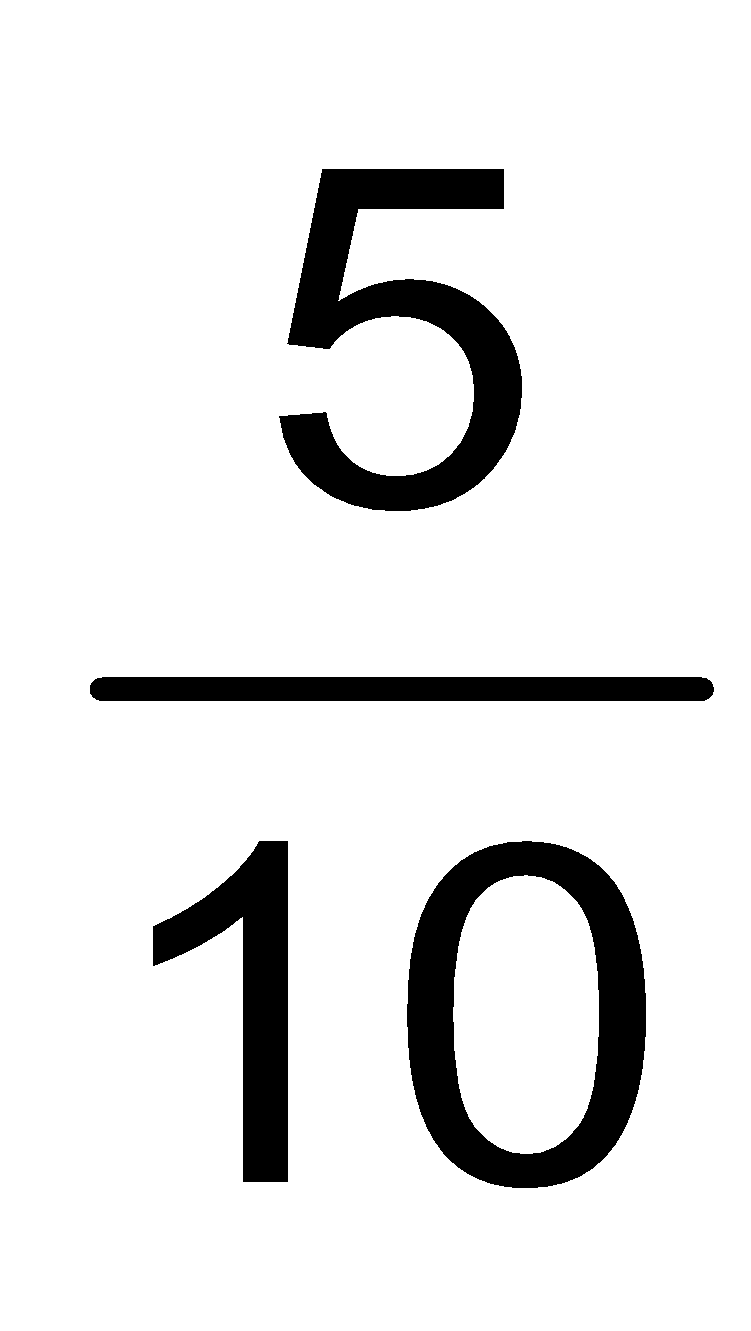
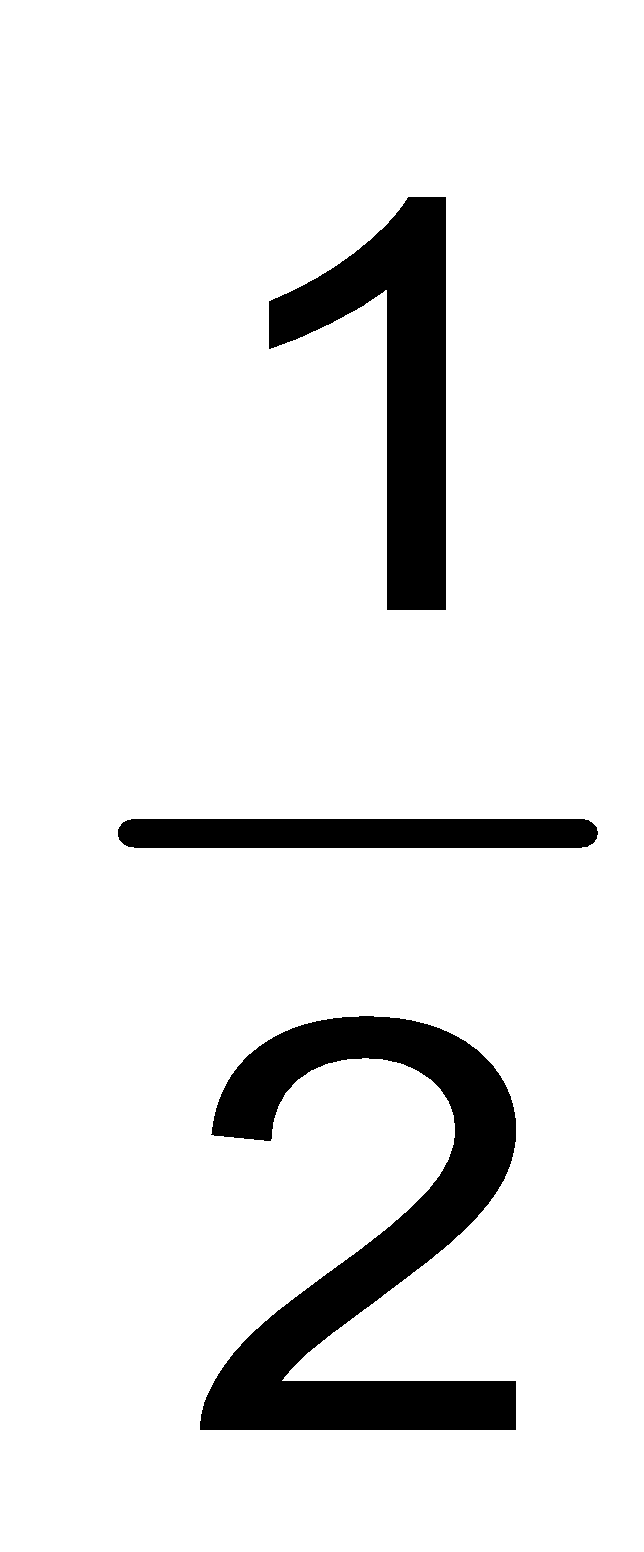
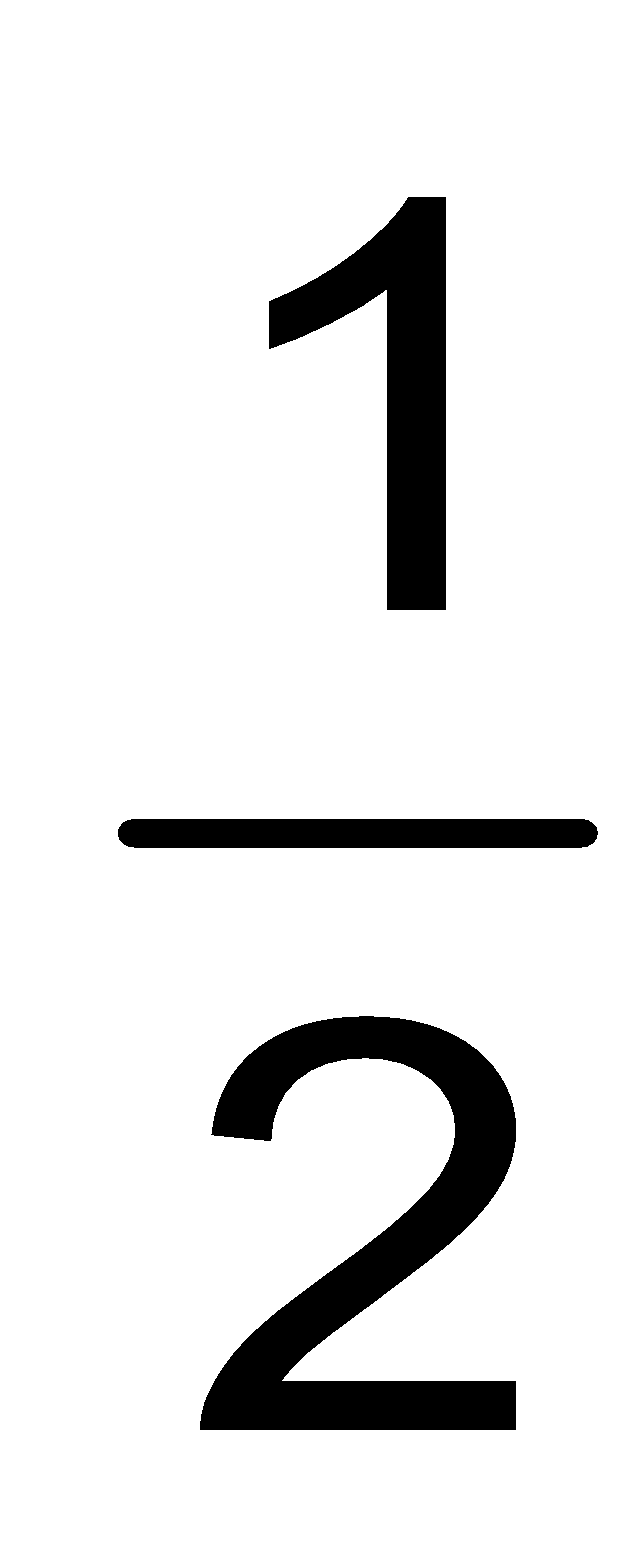
$$ ext{sin}( heta) = \frac{v_r}{v_m} = \frac{5}{10} = 0.5$$
This means $ heta = 30^{ ext{o}}$ with respect to the north direction (the direction across the river).
Step 5: The direction the man should swim is northwest, which means swimming at an angle of 30 degrees on the western side (to compensate for the river's eastward flow).
Therefore, the direction he should swim is to the northwest.
The speed of the river ($v_r$) is 5 m/min (eastwards) and the speed of the man ($v_m$) is 10 m/min (in still water).
Step 2: To swim directly across the river (north to south), the man has to counteract the eastward current of the river.
Using vector decomposition, the man must swim at an angle $ heta$ such that his effective velocity across the river would negate the river's current.
Step 3: The man's velocity can be decomposed into two components:
- One component ($v_{m_y}$) directed across the river (north-south) and the other component ($v_{m_x}$) directed against the river current (west-east).
These components can be expressed as follows:
- $v_{m_x} = v_m imes ext{sin}( heta)$
- $v_{m_y} = v_m imes ext{cos}( heta)$
Step 4: To counter the river's current, $v_{m_x}$ must equal the river's speed:
$$ v_m imes ext{sin}( heta) = v_r$$
which gives us:
$$ ext{sin}( heta) = \frac{v_r}{v_m} = \frac{5}{10} = 0.5$$
This means $ heta = 30^{ ext{o}}$ with respect to the north direction (the direction across the river).
Step 5: The direction the man should swim is northwest, which means swimming at an angle of 30 degrees on the western side (to compensate for the river's eastward flow).
Therefore, the direction he should swim is to the northwest.
Prepare Smarter with CGP Edu
Get practice questions, solutions, and test series in one place.
Write a Review
Share your experience with this question and solution.
Commentary
Send your comment, doubt, correction, or feedback to admin.
Similar Questions
Explore conceptually related problems
Two trains, each 50 m long are travelling in opposite direction with velocity 10 m/s and 15 m/s . T…
A 120 m long train is moving in a direction with speed 20 m/s . A train B moving with 30 m / s in t…
A 210 meter long train is moving due North at a of 25m/s. A small bird is flying due South a little…
A police jeep is chasing with, velocity of 45 km / h a thief in another jeep moving with velocity 1…
A boat is sent across a river with a velocity of 8 km/hr. If the resultant velocity of boat is 10 k…
A train of 150 meter length is going towards north direction at a speed of 10 cm/sec . A parrot fli…