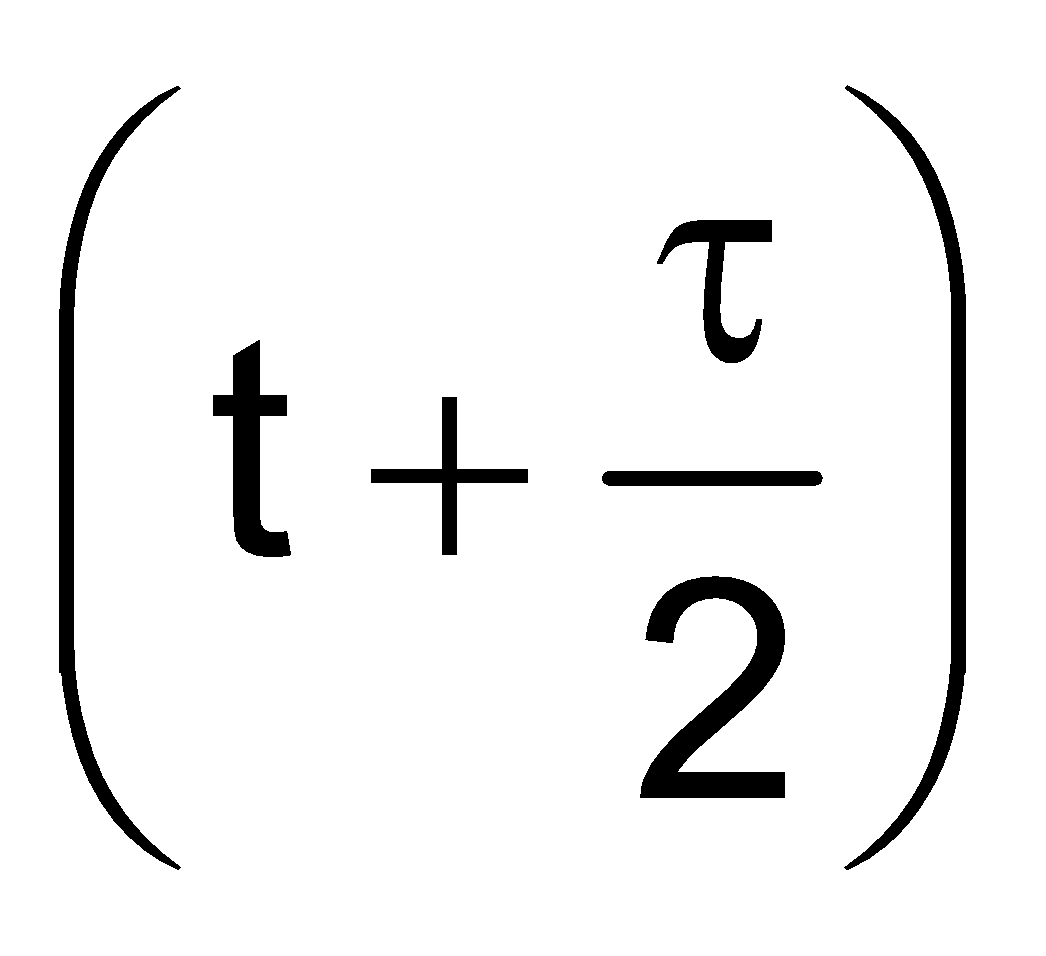
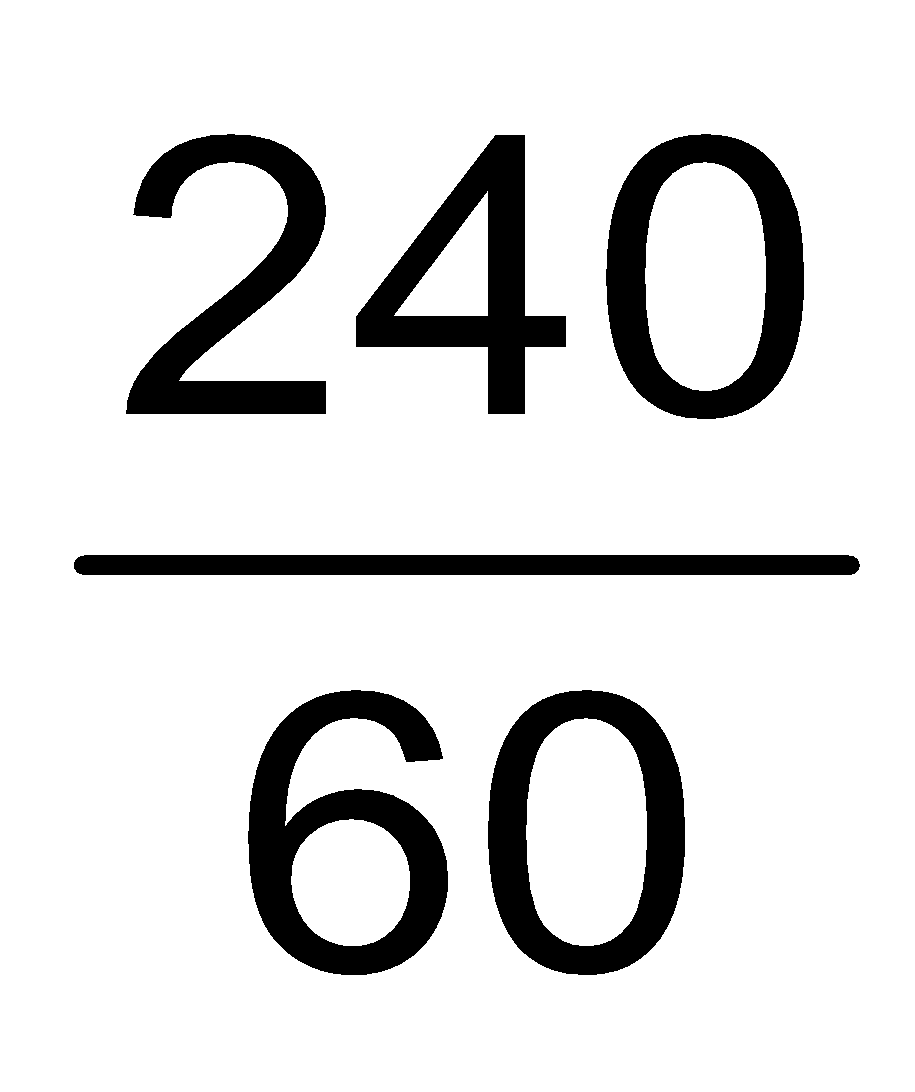
Home Physics Motion in a Straight Line Relative Motion A train of length λ = 350 m starts moving re…
Physics Motion in a Straight Line Relative Motion Subjective Type
Published on: September 12, 2026

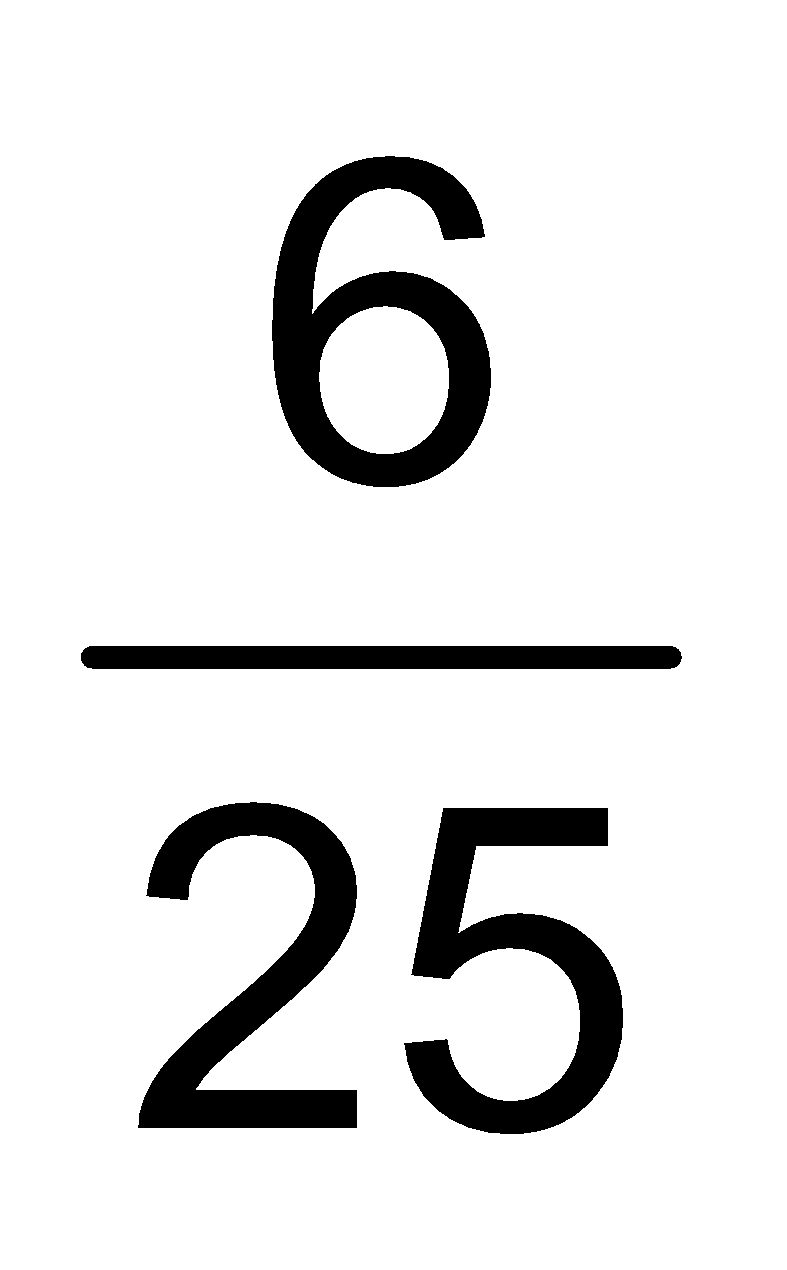
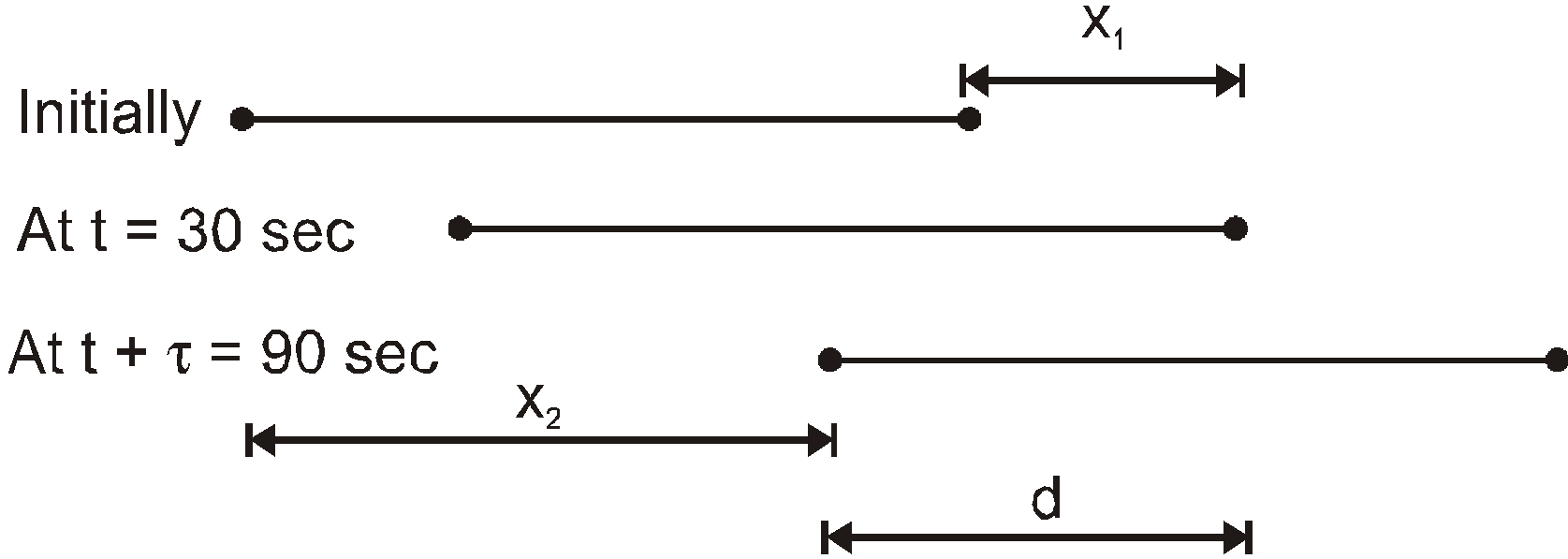
A train of length λ = 350 m starts moving rectilinearly with constant acceleration ω = 3.0 ×10 –2 m/s 2 ; t = 30 s after the start the locomotive headlight is switched on (event 1), and τ = 60 sec after that event the train signal light is switched on (event 2). Find the distance between these events in the reference frames fixed to the train and to the Earth. How and at what constant velocity V relative to the Earth must a certain reference frame K move for the two events to occur in it at the same point?

Share this question

For Instagram sharing, use “Apps” on mobile or copy the link.

Text Solution

Verified by Experts
The correct answer is:
C
Step 1: Calculate the distance traveled by the train when the headlight is switched on.
The distance traveled by the train after 30 seconds can be calculated using the equation of motion:
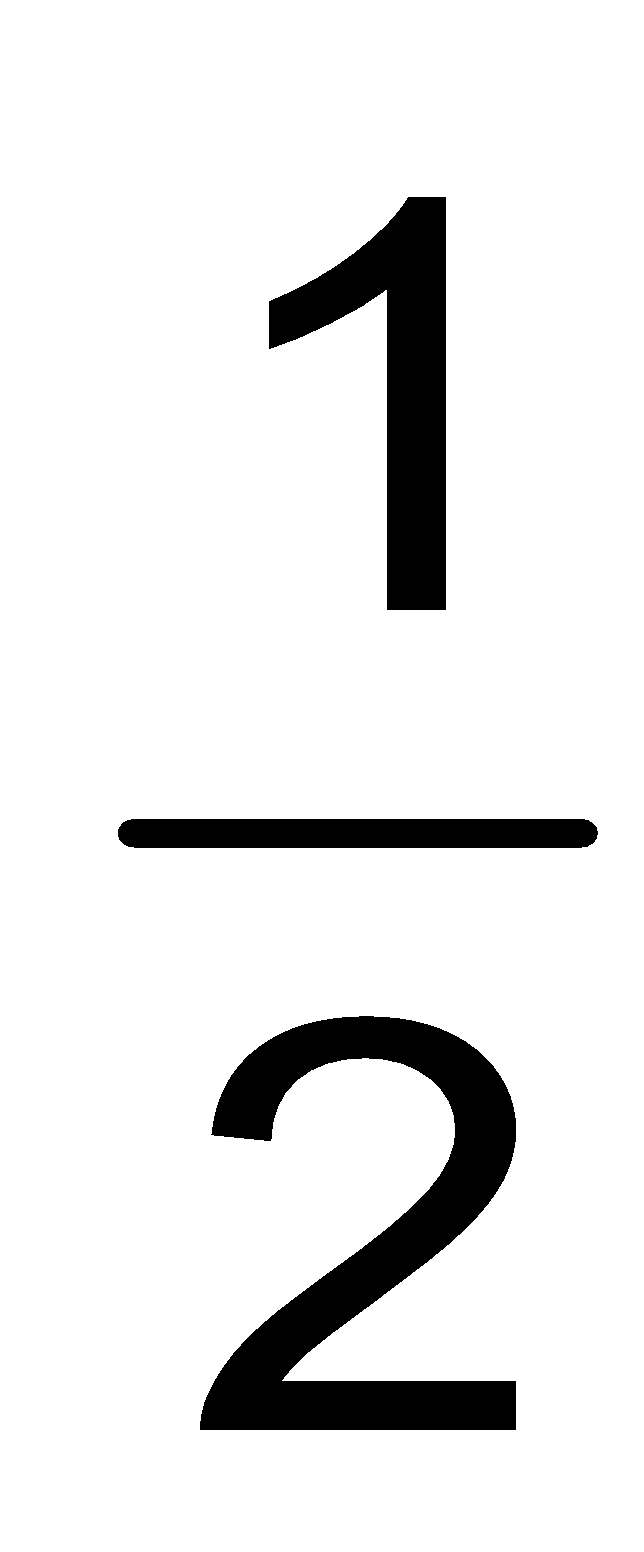
$$ s = ut + \frac{1}{2} a t^2 $$
Here, the initial velocity (u) is 0, acceleration (a) is $3.0 \times 10^{-2}$ m/s², and time (t) is 30 seconds.
So,
$$ s_1 = 0 \cdot 30 + \frac{1}{2} \cdot (3.0 \times 10^{-2}) \cdot (30)^2 $$
$$ s_1 = \frac{1}{2} \cdot (3.0 \times 10^{-2}) \cdot 900 = 13.5 \text{ m} $$

Step 2: Calculate the distance traveled by the train after the headlight is switched on until the signal light is switched on.
The time interval between the two events is 60 seconds, starting from when the headlight is turned on. The train will accelerate during this period, and we need to determine the distance it travels during this interval. The initial velocity at t = 30 s (when the headlight is switched on) can be calculated as follows:
$$ v = u + at = 0 + (3.0 \times 10^{-2}) \cdot 30 = 0.9 \text{ m/s} $$
The distance traveled during the next 60 seconds can be calculated as follows:
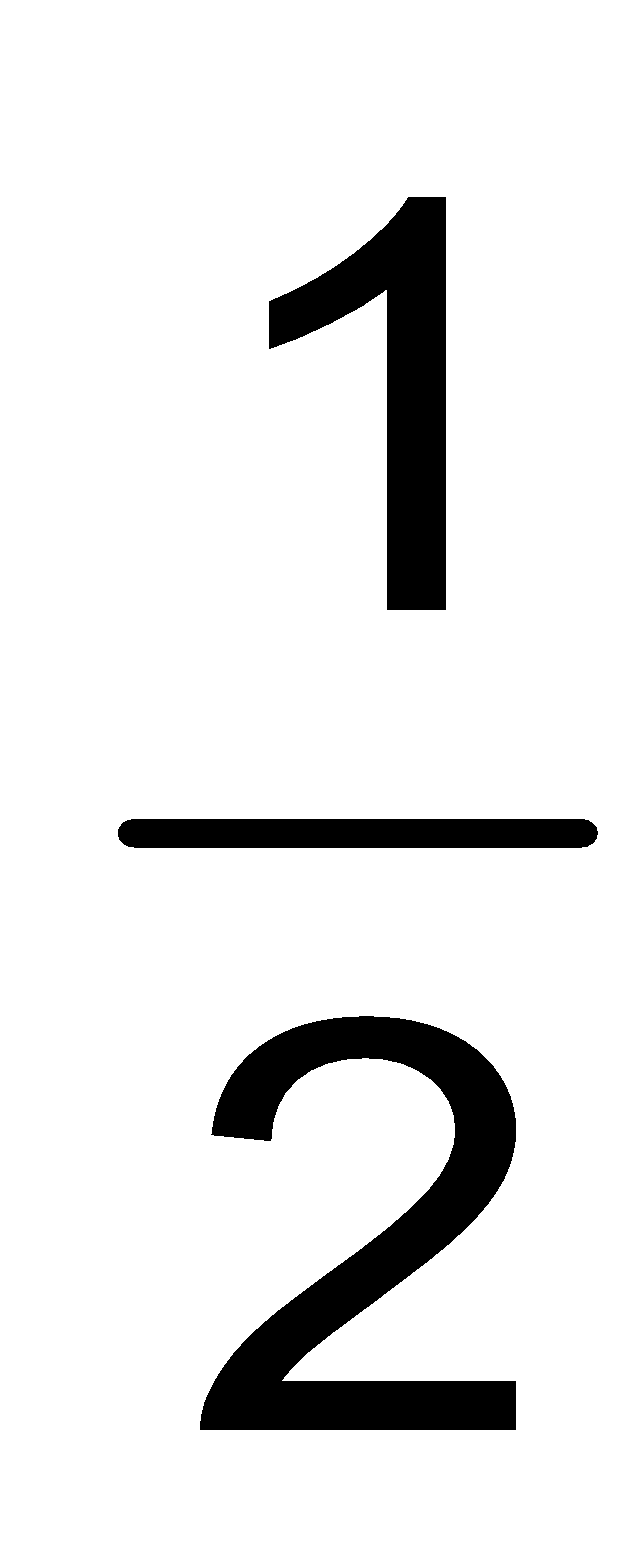
$$ s_2 = v \cdot t + \frac{1}{2} a t^2 $$
$$ s_2 = (0.9 \text{ m/s}) \cdot 60 + \frac{1}{2} \cdot (3.0 \times 10^{-2}) \cdot (60)^2 $$
The first term is: $$ 0.9 \cdot 60 = 54 ext{ m} $$, and the second term is:
$$ \frac{1}{2} \cdot (3.0 \times 10^{-2}) \cdot 3600 = 54 ext{ m} $$
So,
$$ s_2 = 54 + 54 = 108 ext{ m} $$

Step 3: Calculate the total distance from the position of event 1 to event 2.
The total distance traveled by the train from the start until event 2 is:
$$ s_{total} = s_1 + s_2 = 13.5 + 108 = 121.5 ext{ m} $$

Step 4: Finding the relative motion for the frames.
To analyze how reference frame K moves such that events 1 and 2 occur at the same location, we equate the distances calculated in both frames:
$$ V = \frac{s_{total}}{(t_1 + t_2)} = \frac{121.5 ext{ m}}{90 ext{ s}} = 1.35 ext{ m/s} $$

Final Answer:
The distance between the two events in the Earth’s frame is 121.5 m, and the velocity V at which frame K must move relative to the Earth is 1.35 m/s.

Prepare Smarter with CGP Edu

Get practice questions, solutions, and test series in one place.

Write a Review

Share your experience with this question and solution.

Commentary

Send your comment, doubt, correction, or feedback to admin.

Student Reviews

What students say about this solution

No reviews yet. Be the first to write a review.

Similar Questions

Explore conceptually related problems

CG
CGP Question Assistant Question Bank + AI Help
Hi! Type your question or upload one screenshot. First I will search related questions from CGP Edu Question Bank. If none match, type YES and I will solve it with AI.
Upload only one screenshot at a time. Flow: Question Bank first → If not matched, type YES for AI solution.