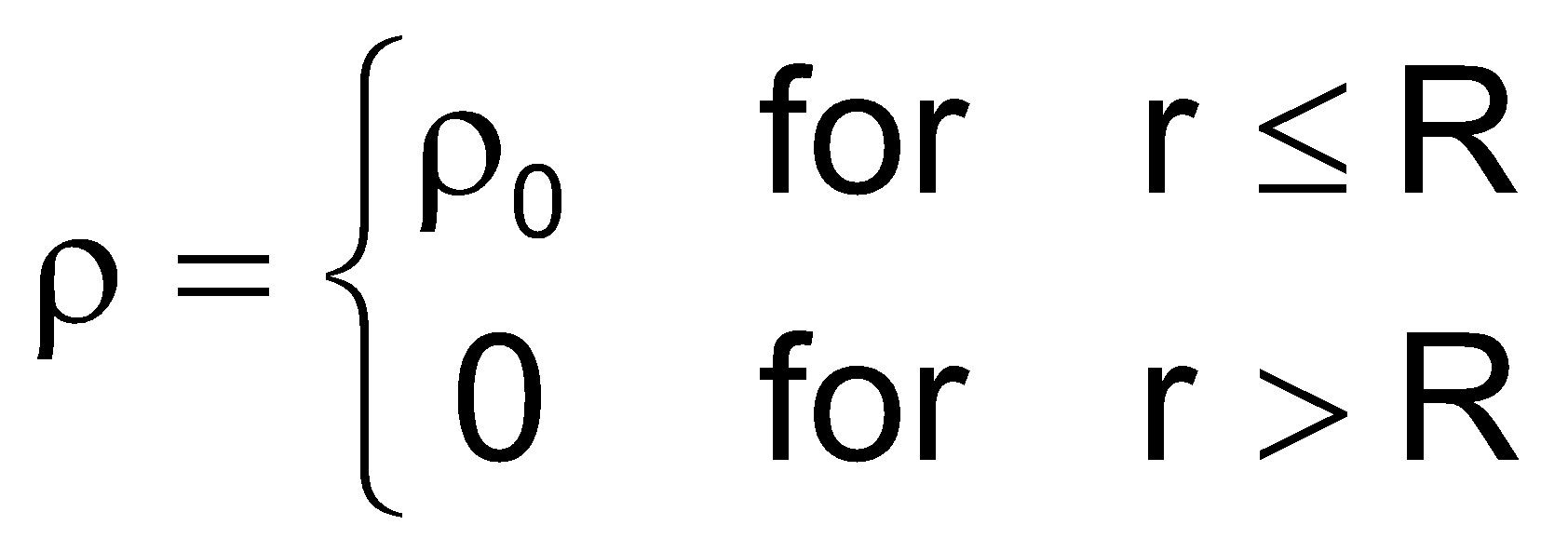
A spherically symmetric gravitational system of particles has a mass density
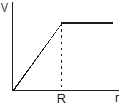
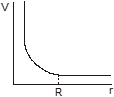
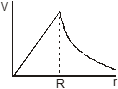
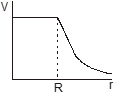
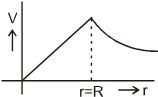
where ρ 0 is a constant. A test mass can undergo circular motion under the influence of the gravitational field of particles. Its speed V as a function of distance r (0 < r < ∞) from the center of the system is represented by
A
B
C
D
Text Solution
Verified by ExpertsThe correct answer is:
C
ρ = ρ 0 , r < R
= 0, r > R
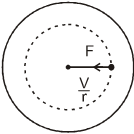
Case I: r < R
F C = 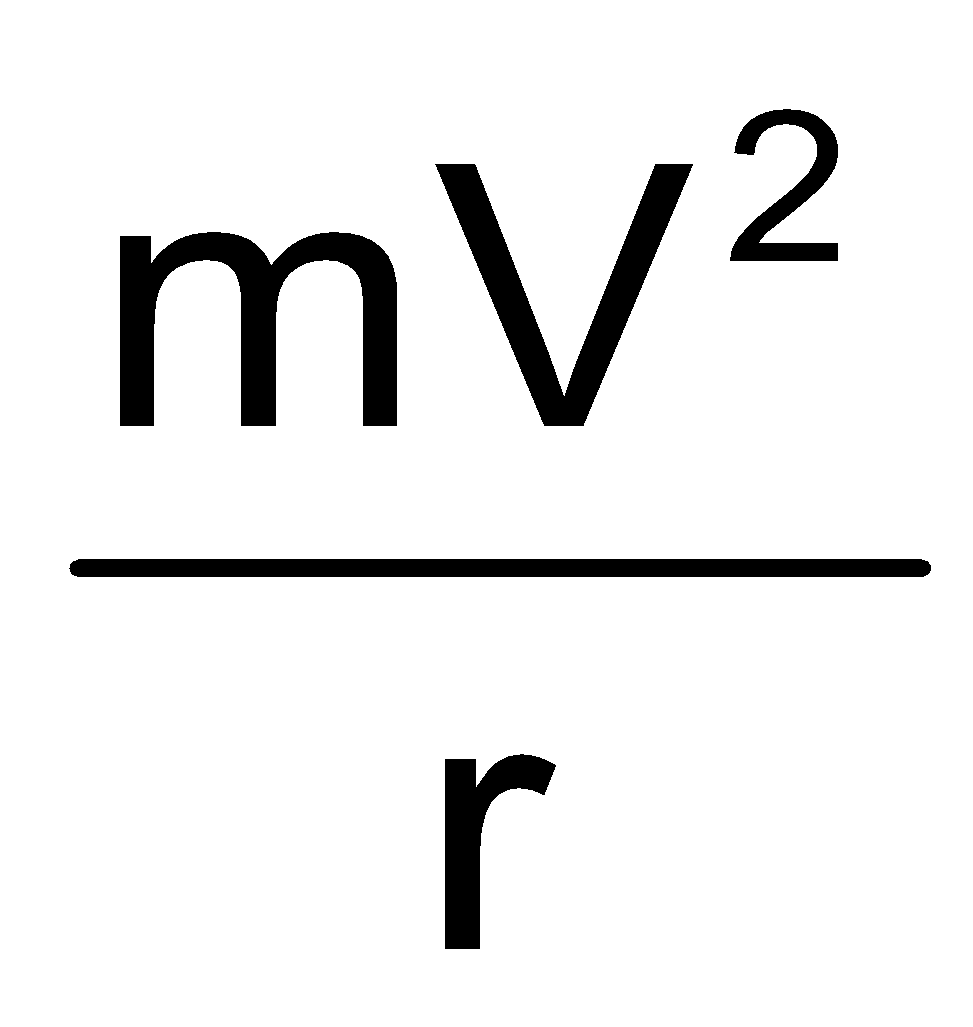
mg 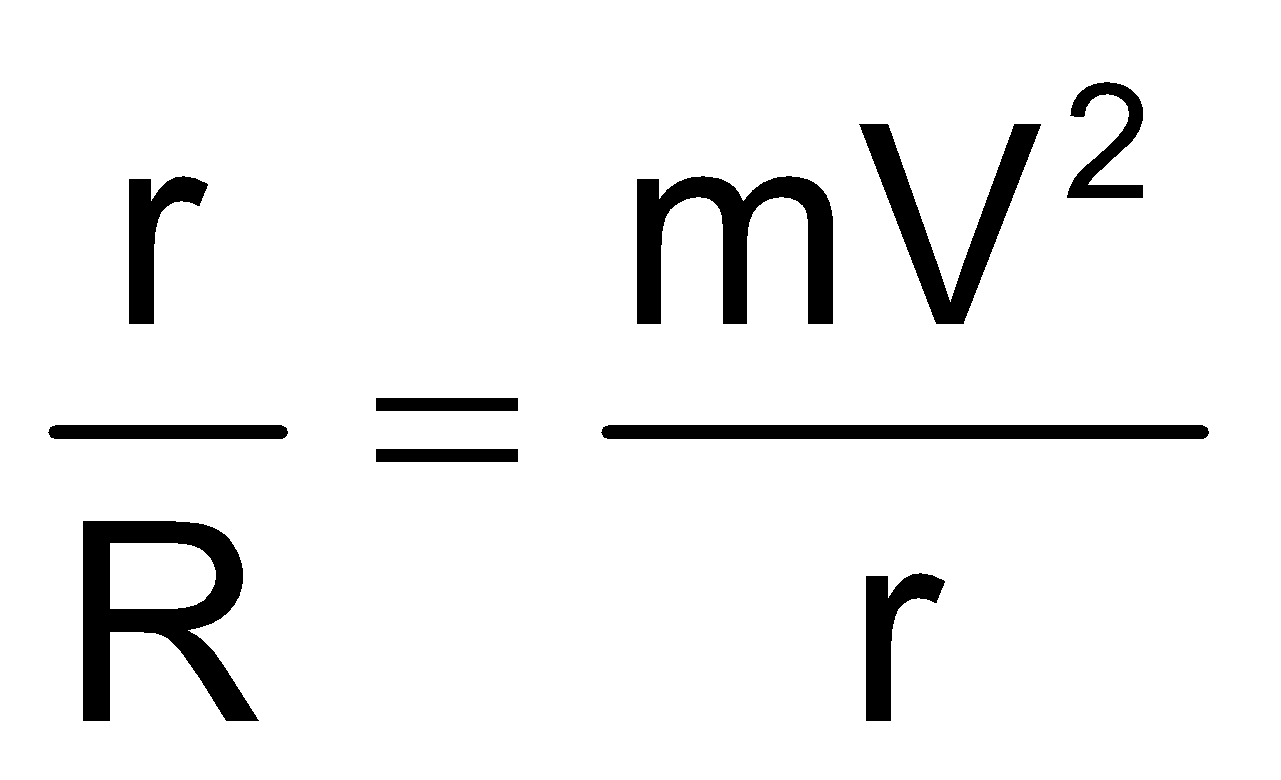 (g = acceleration due to gravity at surface of sphere)
V = 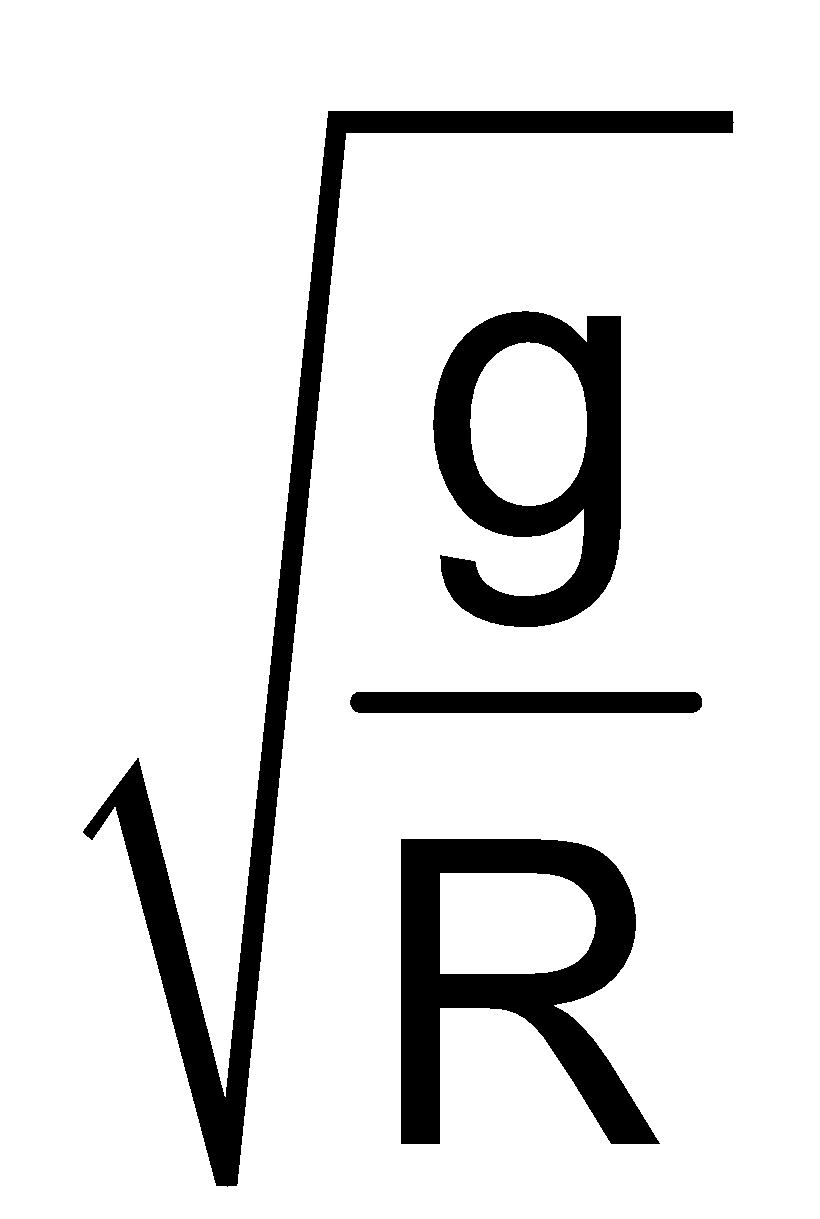 r for r < R
Case II: r > R
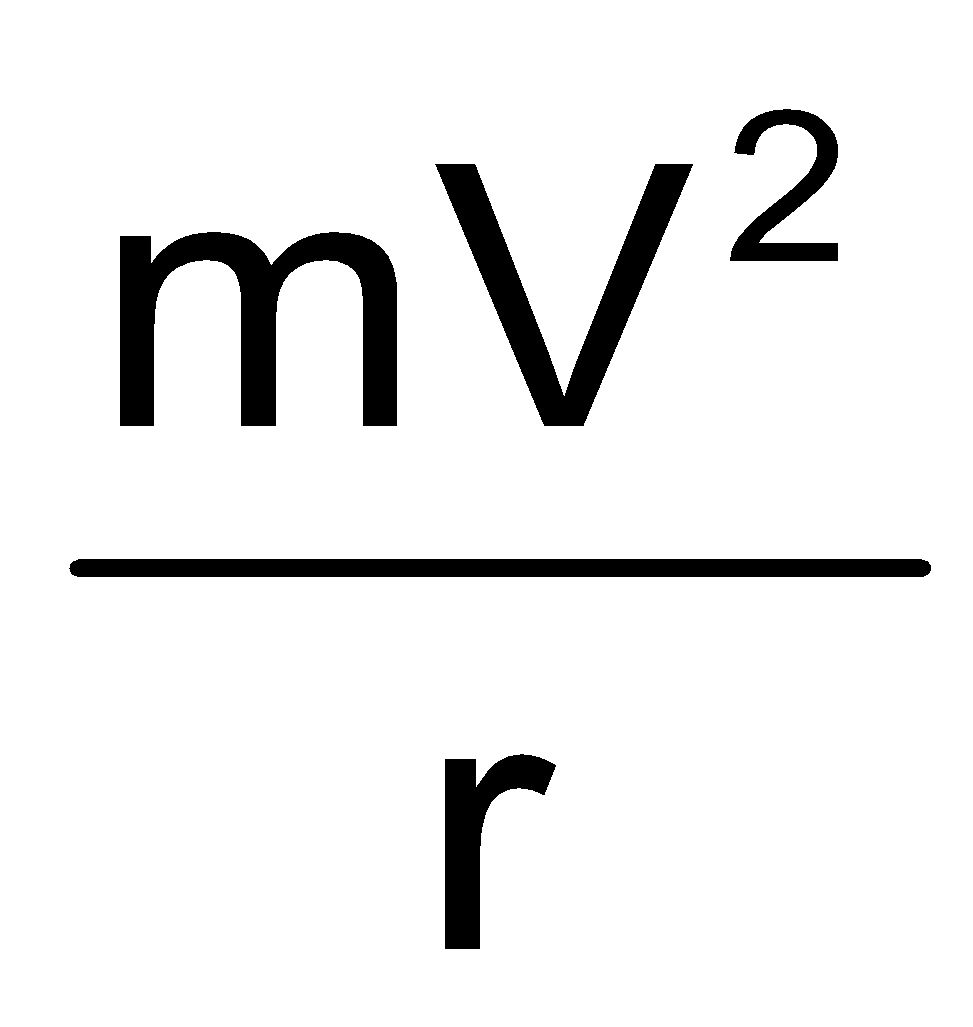
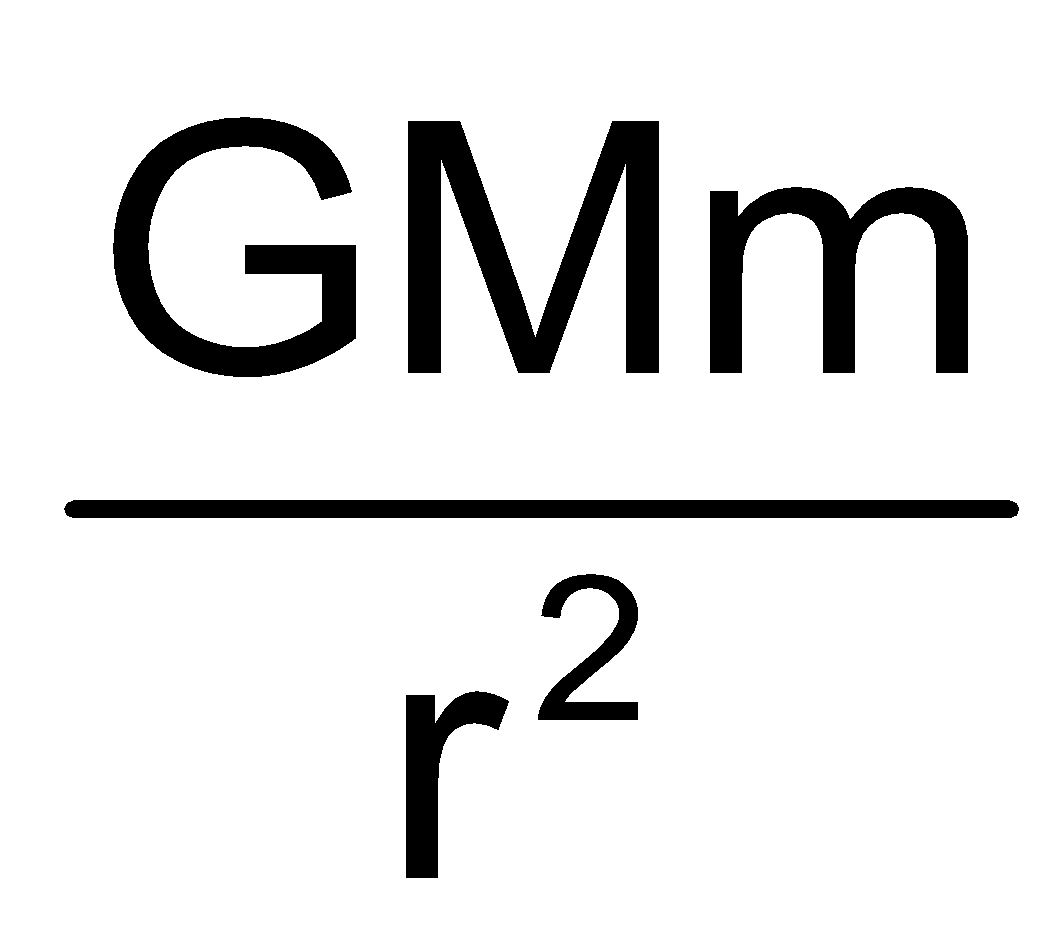 =
= 
V = 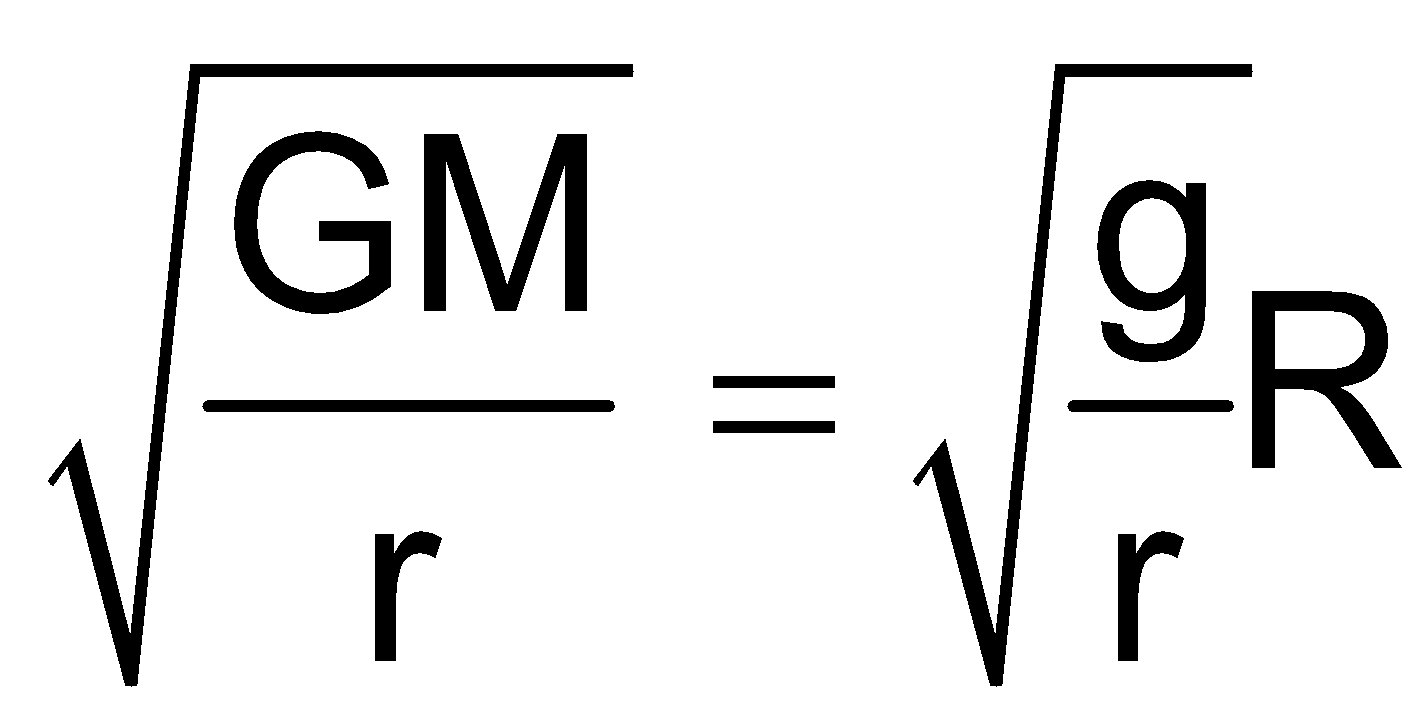 So
So
Prepare Smarter with CGP Edu
Get practice questions, solutions, and test series in one place.
Write a Review
Share your experience with this question and solution.
Commentary
Send your comment, doubt, correction, or feedback to admin.
Similar Questions
Explore conceptually related problems
A thin uniform annular disc (see figure) of mass M has outer radius 4R and inner radius 3R. The wor…
Gravitational acceleration on the surface of a planet is g, where g is the gravitational accelerat…
Two spherical planets P and Q have the same uniform density ρ , masses M P and M Q , with surface a…
Two bodies, each of mass M, are kept fixed with a separation 2L. A particle of mass m is projected …
A planet of radius R = × (radius of Earth) has the same mass density as Earth. Scientists dig a we…
A Bullet is fired vertically upwards with velocity v from the surface of a spherical planet. When i…