Three force of equal magnitude P acts on a particle. If their directions are parallel to sides BC, CA, AB of a triangle ABC. Show that magnitude of resultant is 
Text Solution
Verified by ExpertsThe correct answer is:
CHECK THE SOLUTION
Sol. Assume unit vectors 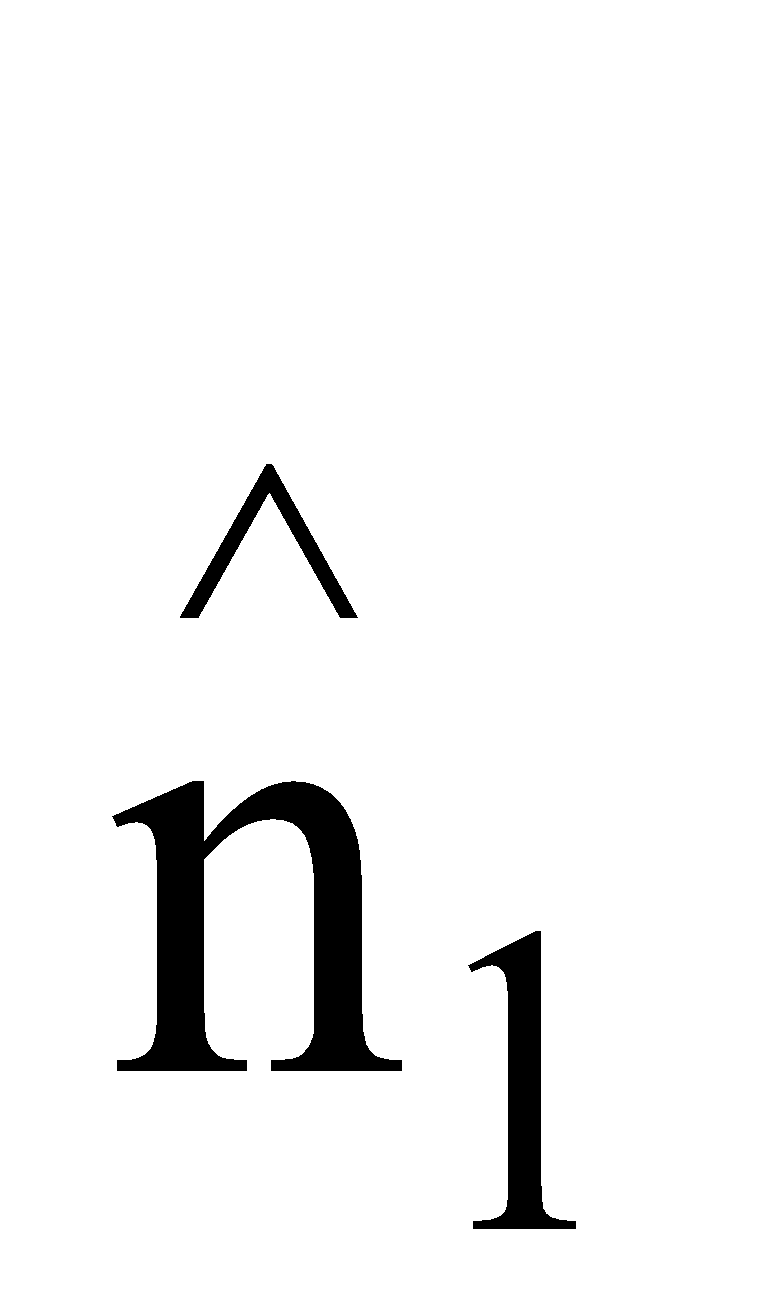 along BC,
 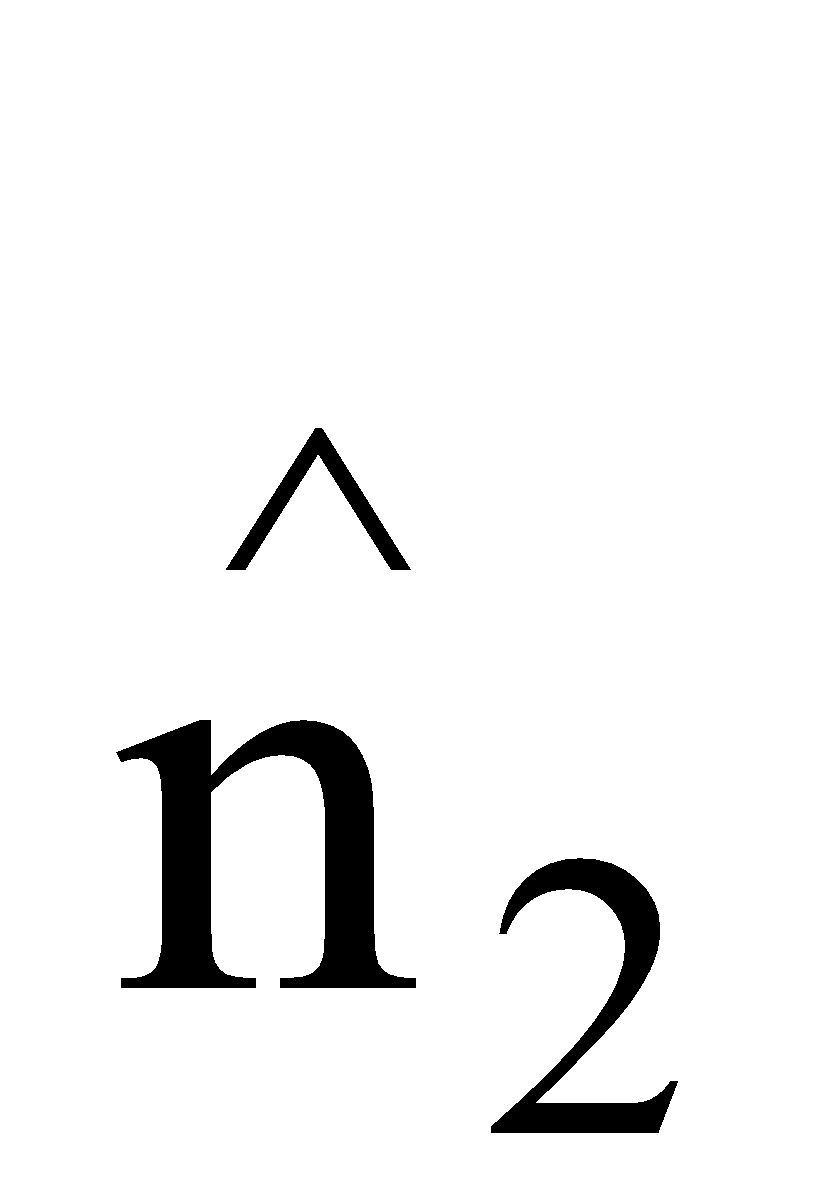 along CA and
 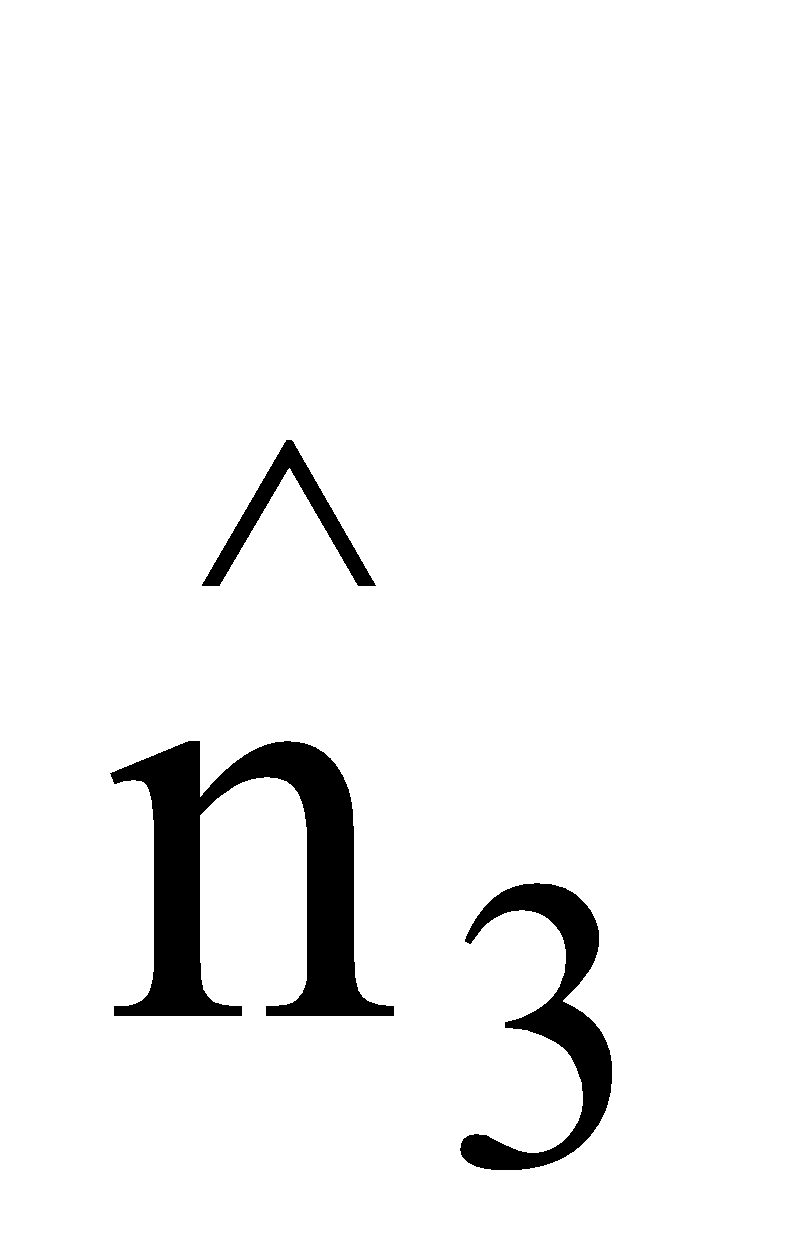 along AB them,
 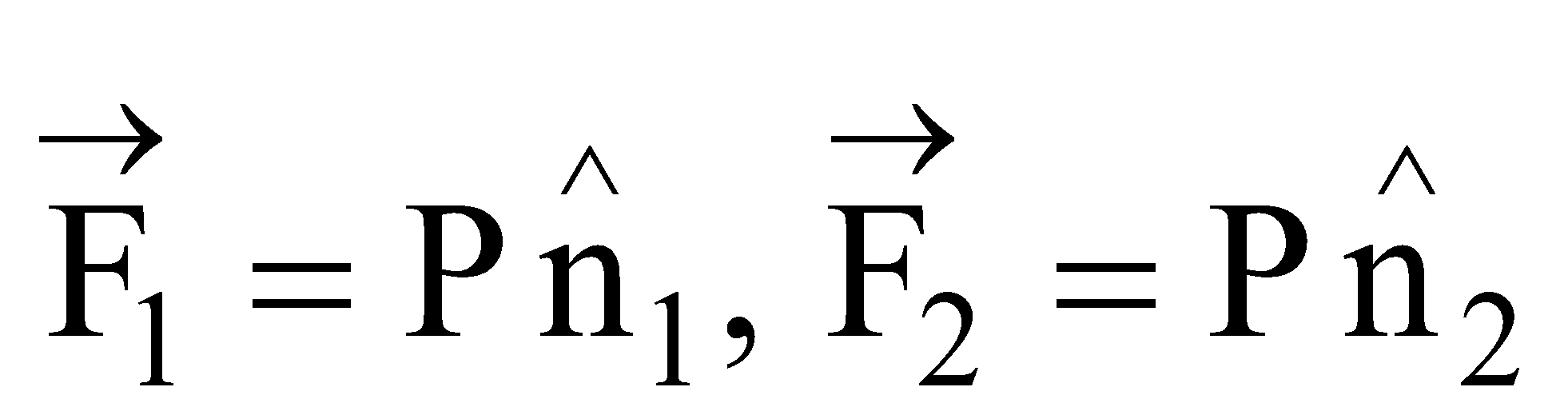 and
and 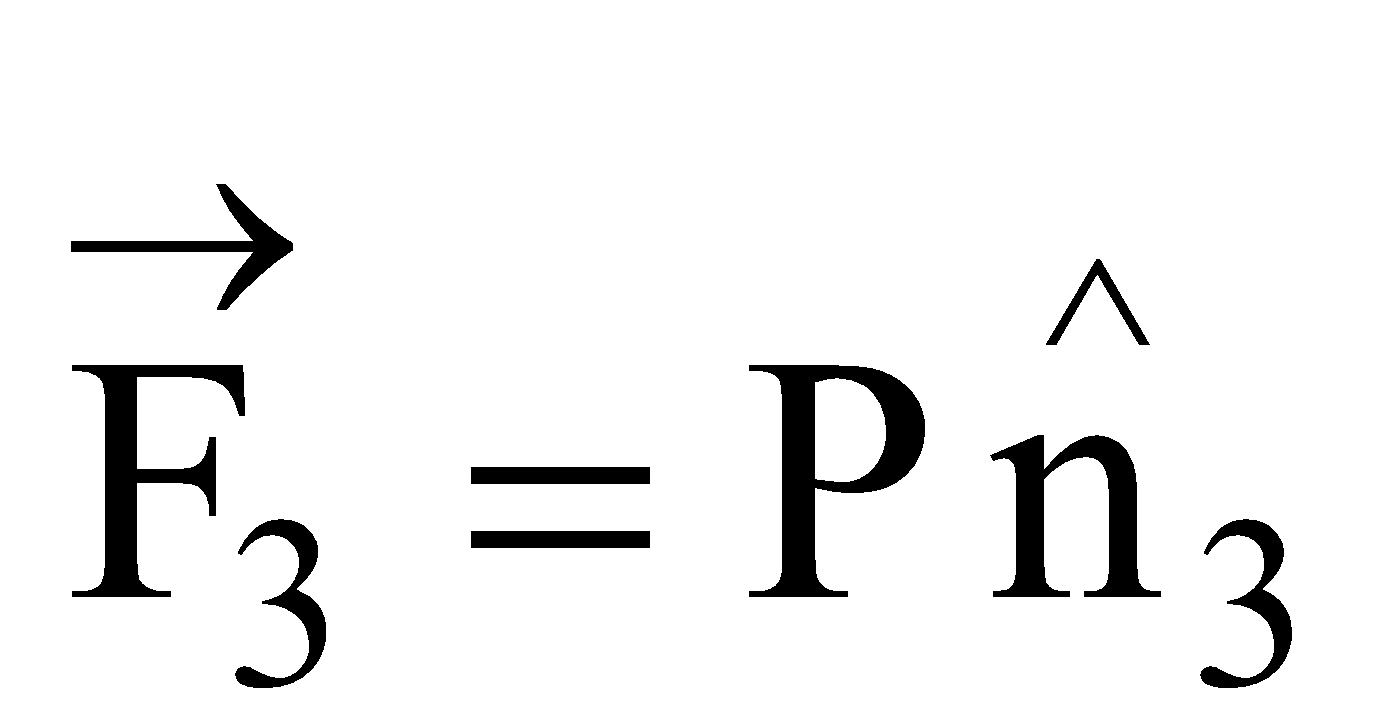 Now find resultant
Prepare Smarter with CGP Edu
Get practice questions, solutions, and test series in one place.
Write a Review
Share your experience with this question and solution.
Commentary
Send your comment, doubt, correction, or feedback to admin.
Similar Questions
Explore conceptually related problems
If a vector making angles a , b , and g respectively with the X, Y and Z axes respectively. …
If the resultant of n forces of different magnitudes acting at a point is zero, then the minimum va…
Can the resultant of 2 vectors be zero
The sum of the magnitudes of two forces acting at point is 18 and the magnitude of their resultant …
A vector is turned without a change in its length through a small angle The value of and are re…
Find the resultant of three vectors and shown in the following figure. Radius of the circle is R.