Published by:
CGP EDU Academic Team
Published on: September 12, 2026
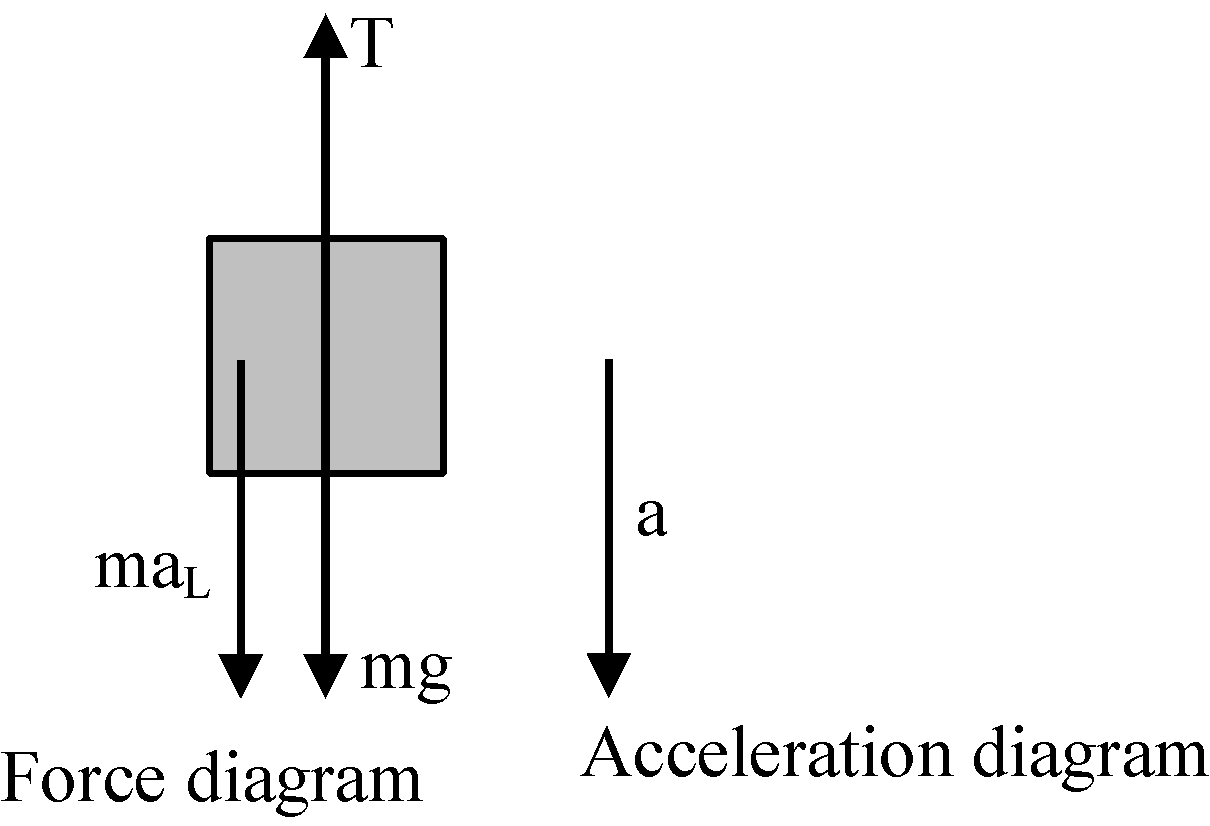
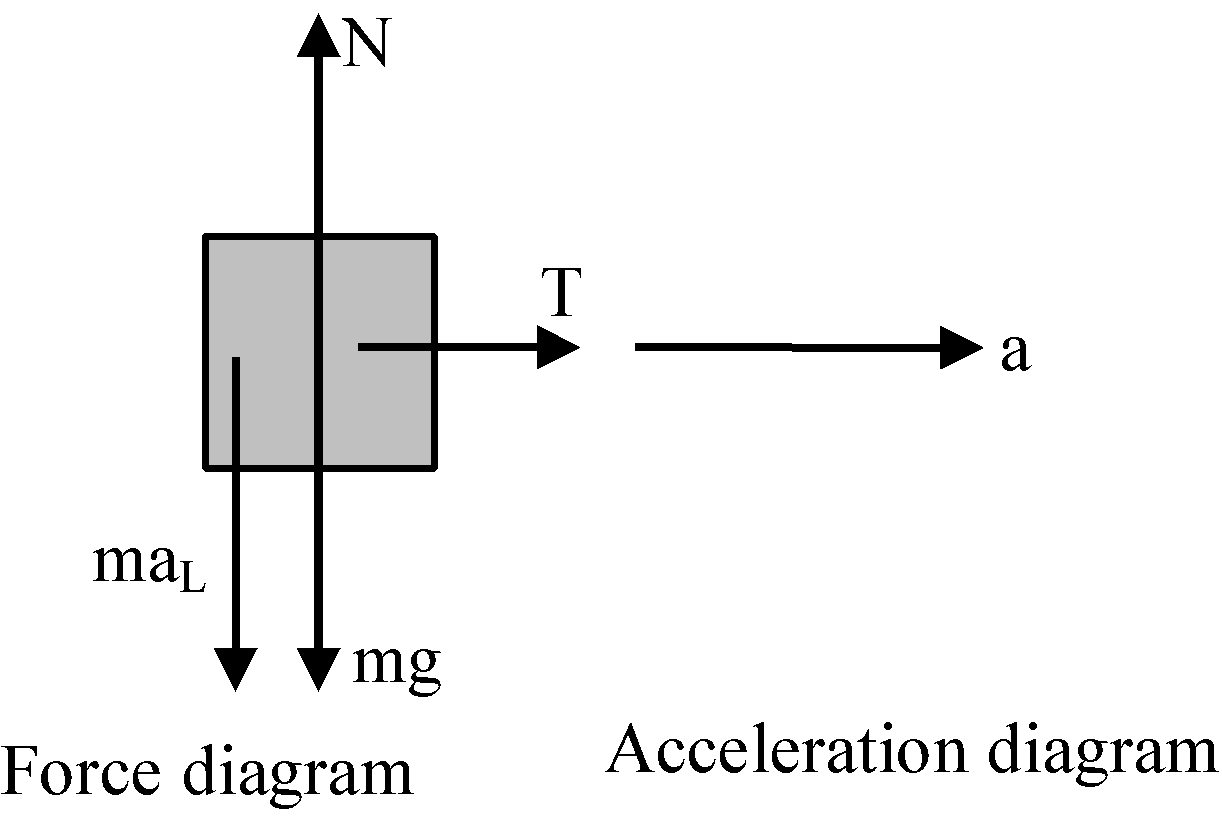
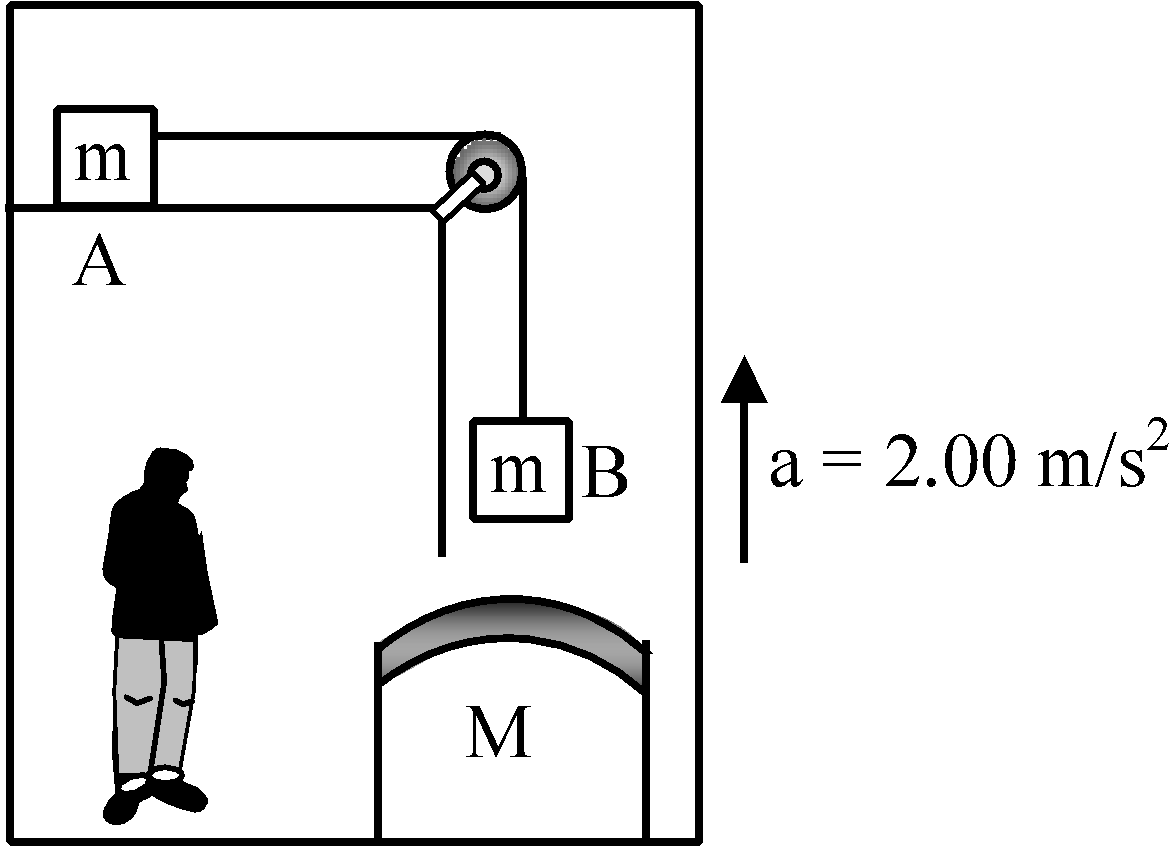
Consider the situation shown in fig. The elevator is going up with an acceleration of 2.00 m/s 2 and the focal length of the mirror is 12.0 cm. All the surfaces are smooth and the pulley is light. The mass-pulley system is released from rest (with respect to the elevator) at t = 0 when the distance of B from the mirror is 42.0 cm. Find the distance between the image of the block B and the mirror at t = 0.200 s. Take g = 10 m/s 2 .
Text Solution
Verified by ExpertsThe correct answer is:
C
Step 1: The initial distance of B from the mirror is given as 42.0 cm.
Step 2: The acceleration of the elevator is 2.00 m/s² upwards. Therefore, the effective acceleration of block B, when released, is g - a = 10 m/s² - 2 m/s² = 8 m/s² downwards.
Step 3: Use the equation of motion to find the distance fallen by the block after t = 0.200 s.
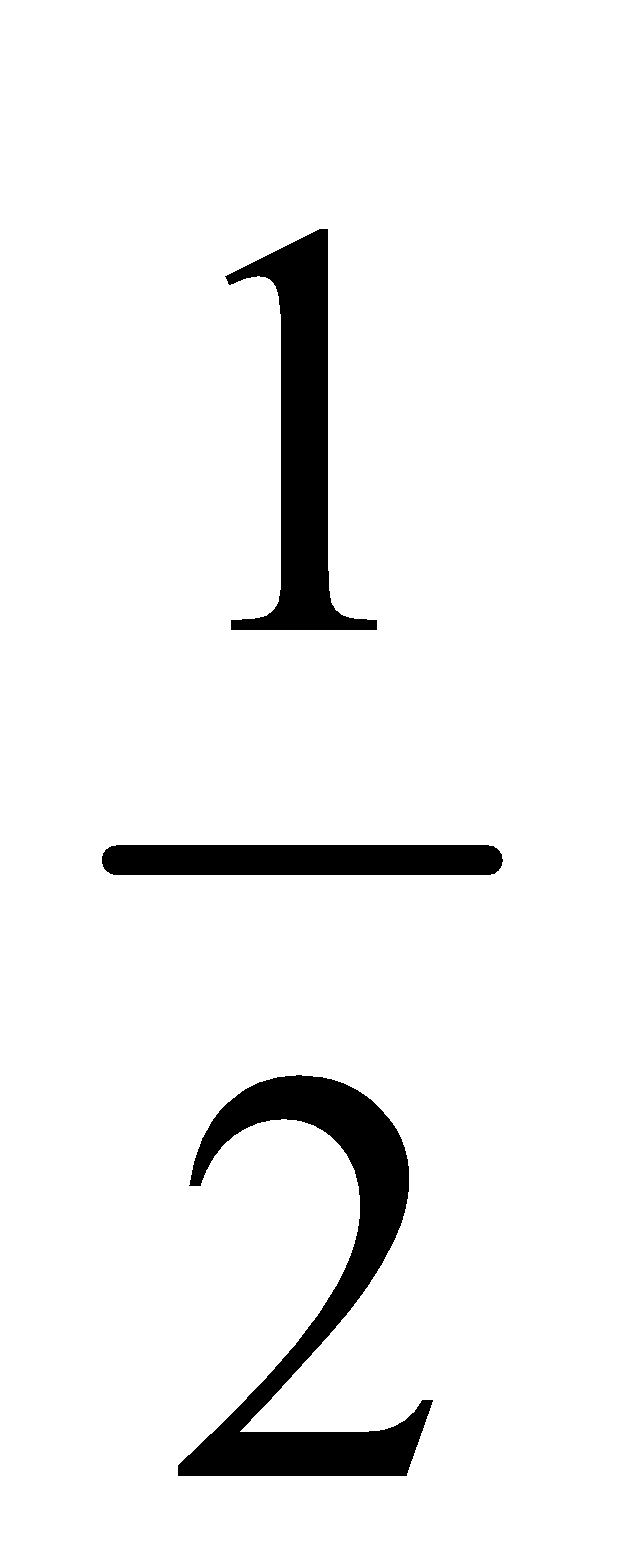
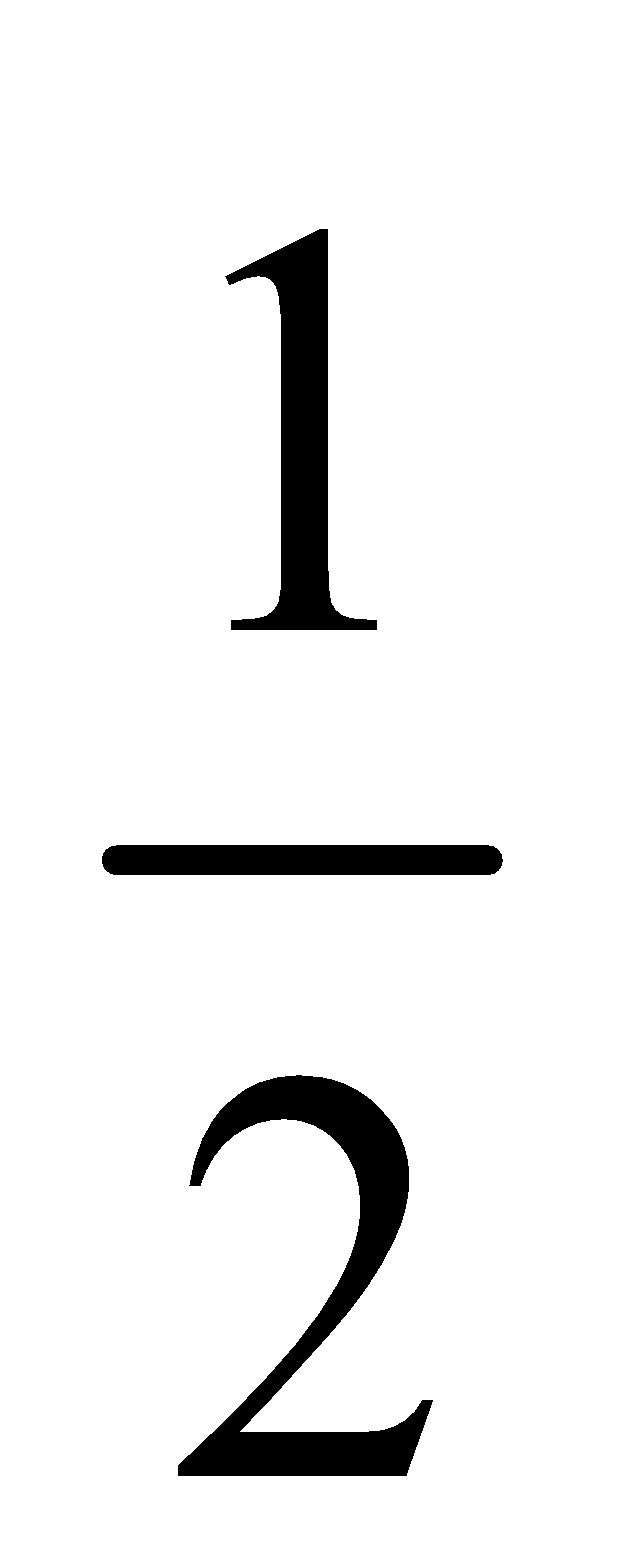
The equation is: \( s = ut + \frac{1}{2} a t^2 \)
Where:
\( u = 0 \) (initial velocity), \( a = 8 \, \text{m/s}^2 \), \( t = 0.200 \text{ s} \)
Thus, \( s = 0 + \frac{1}{2} \cdot 8 \cdot (0.200)^2 \) = \( 0.5 \cdot 8 \cdot 0.04 \) = 0.16 m = 16 cm.
Step 4: The new distance of block B from the mirror after 0.200 s is: 42.0 cm - 16 cm = 26.0 cm.
Step 5: The distance between the image of block B and the mirror:
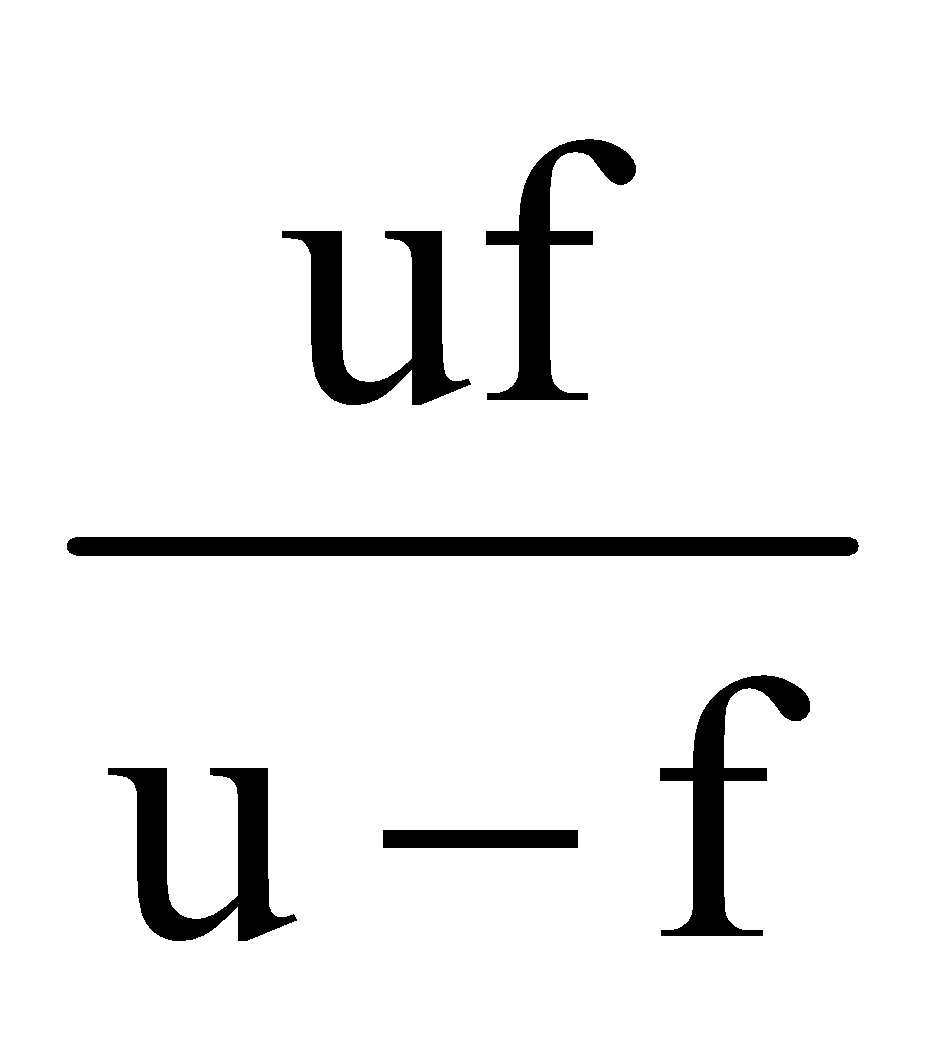
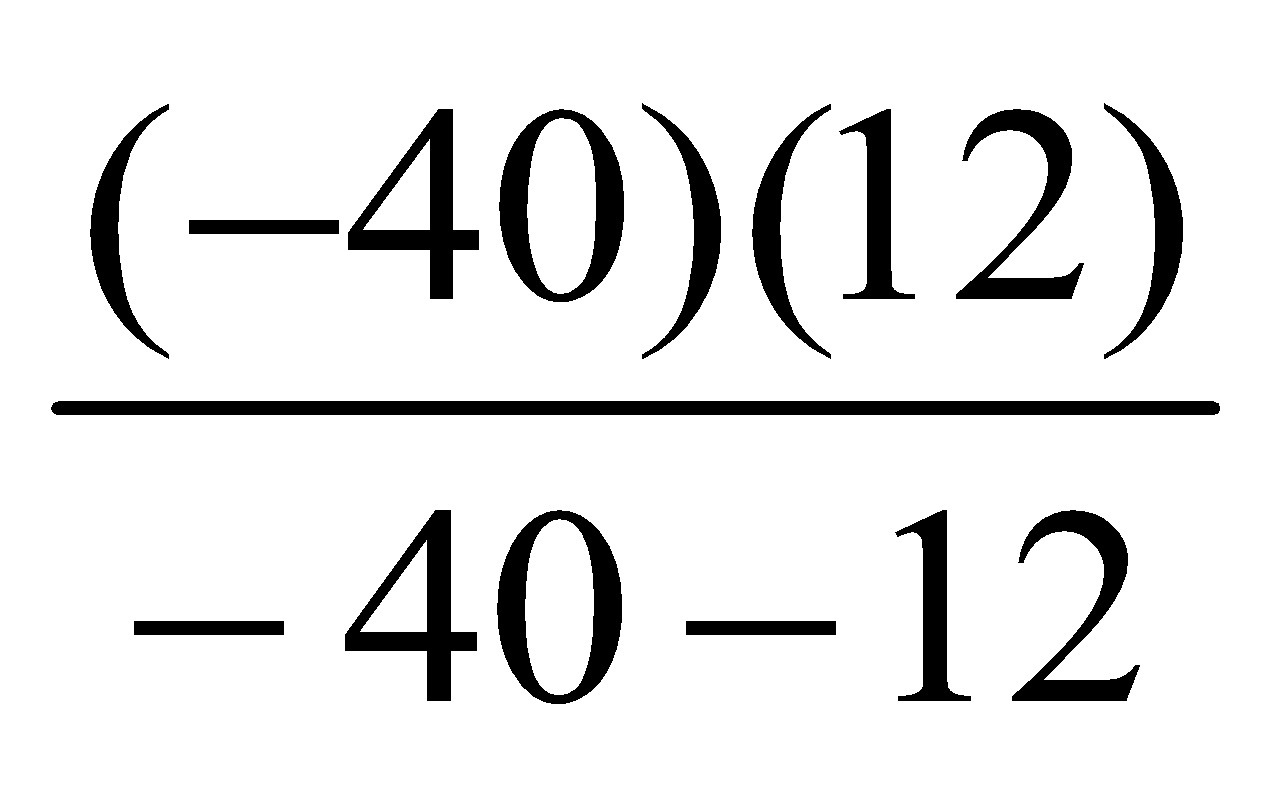
The image distance \( v \) can be calculated using the mirror formula, \( \frac{1}{f} = \frac{1}{v} + \frac{1}{u} \). Here, \( u = -26 \) cm (object distance is taken negative in mirror formula), and \( f = 12.0 \) cm.
Rearranging the formula, we get \( \frac{1}{v} = \frac{1}{12} + \frac{1}{-26} = \frac{13 - 6}{78} = \frac{7}{78}. \)
Thus, \( v = \frac{78}{7} \approx 11.14 \) cm.
The image distance from the mirror will be the absolute value since it will be in the same direction as the object relative to the mirror.
Step 6: Final distance between the image of block B and the mirror is approximately 11.14 cm.
Step 2: The acceleration of the elevator is 2.00 m/s² upwards. Therefore, the effective acceleration of block B, when released, is g - a = 10 m/s² - 2 m/s² = 8 m/s² downwards.
Step 3: Use the equation of motion to find the distance fallen by the block after t = 0.200 s.
The equation is: \( s = ut + \frac{1}{2} a t^2 \)
Where:
\( u = 0 \) (initial velocity), \( a = 8 \, \text{m/s}^2 \), \( t = 0.200 \text{ s} \)
Thus, \( s = 0 + \frac{1}{2} \cdot 8 \cdot (0.200)^2 \) = \( 0.5 \cdot 8 \cdot 0.04 \) = 0.16 m = 16 cm.
Step 4: The new distance of block B from the mirror after 0.200 s is: 42.0 cm - 16 cm = 26.0 cm.
Step 5: The distance between the image of block B and the mirror:
The image distance \( v \) can be calculated using the mirror formula, \( \frac{1}{f} = \frac{1}{v} + \frac{1}{u} \). Here, \( u = -26 \) cm (object distance is taken negative in mirror formula), and \( f = 12.0 \) cm.
Rearranging the formula, we get \( \frac{1}{v} = \frac{1}{12} + \frac{1}{-26} = \frac{13 - 6}{78} = \frac{7}{78}. \)
Thus, \( v = \frac{78}{7} \approx 11.14 \) cm.
The image distance from the mirror will be the absolute value since it will be in the same direction as the object relative to the mirror.
Step 6: Final distance between the image of block B and the mirror is approximately 11.14 cm.
Prepare Smarter with CGP Edu
Get practice questions, solutions, and test series in one place.
Write a Review
Share your experience with this question and solution.
Commentary
Send your comment, doubt, correction, or feedback to admin.
Similar Questions
Explore conceptually related problems
A student can distinctly see the object upto a distance 15 cm . He wants to see the black board at …
Two plane mirrors. A and B are aligned parallel to each other, as shown in the figure. A light ray …
A concave mirror of focal length is used to obtain the image of the sun which subtends an angle of…
A square of side is placed at a distance of from a concave mirror of focal length The centre of …
A thin rod of length lies along the axis of a concave mirror of focal length One end of its magni…
A ray of light falls on the surface of a spherical glass paper weight making an angle with the nor…