Published by:
CGP EDU Academic Team
Published on: September 12, 2026
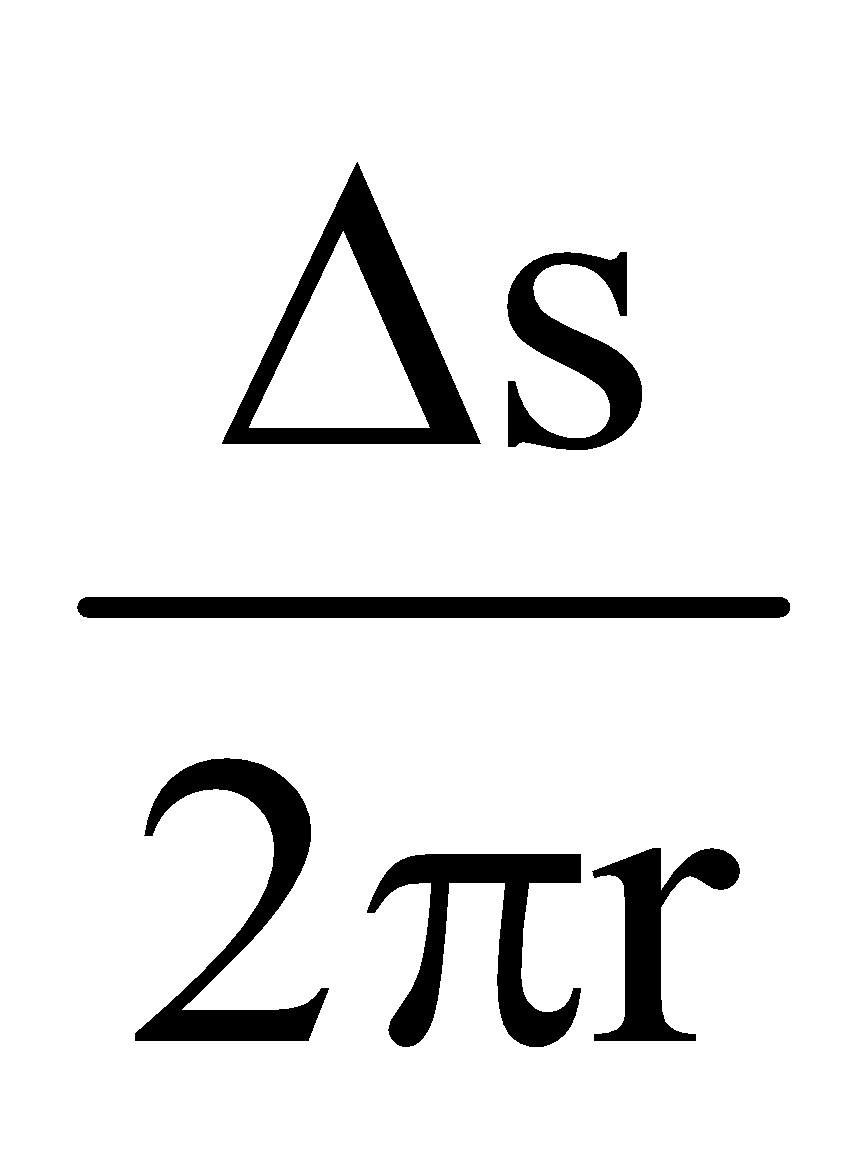
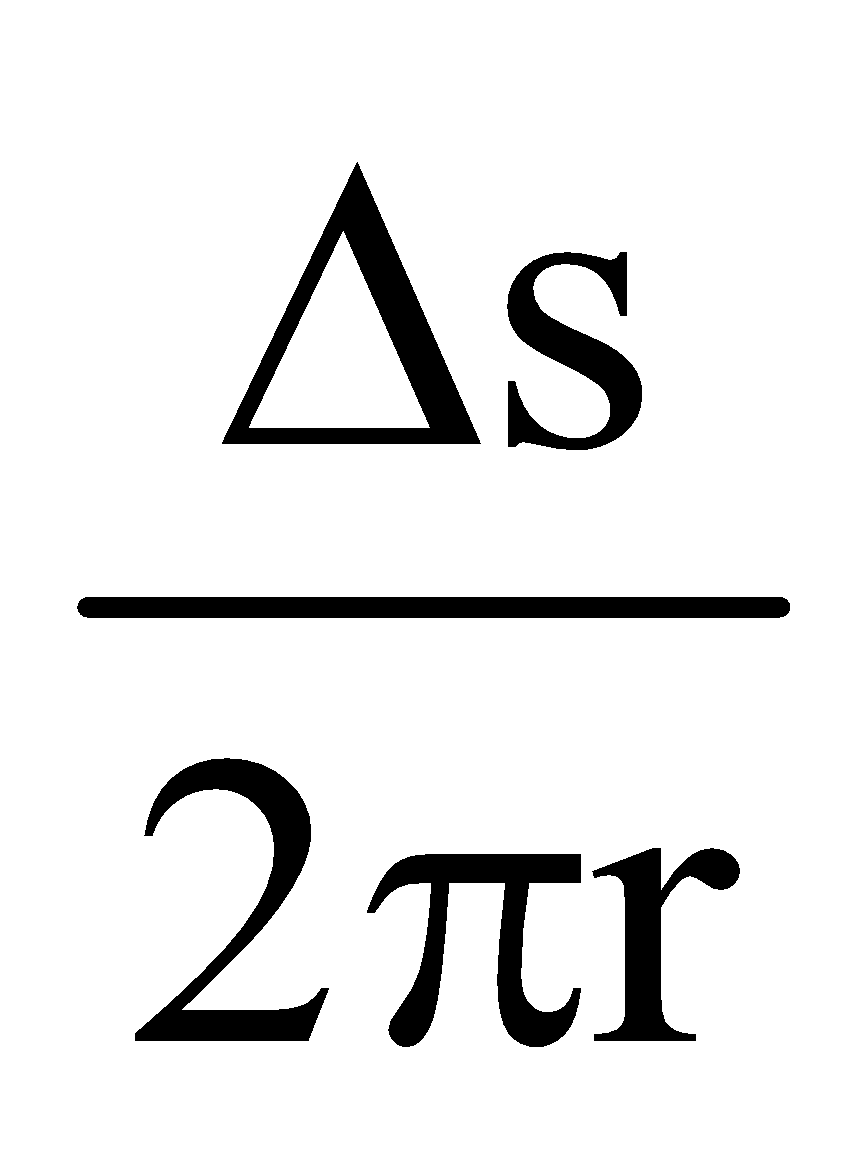
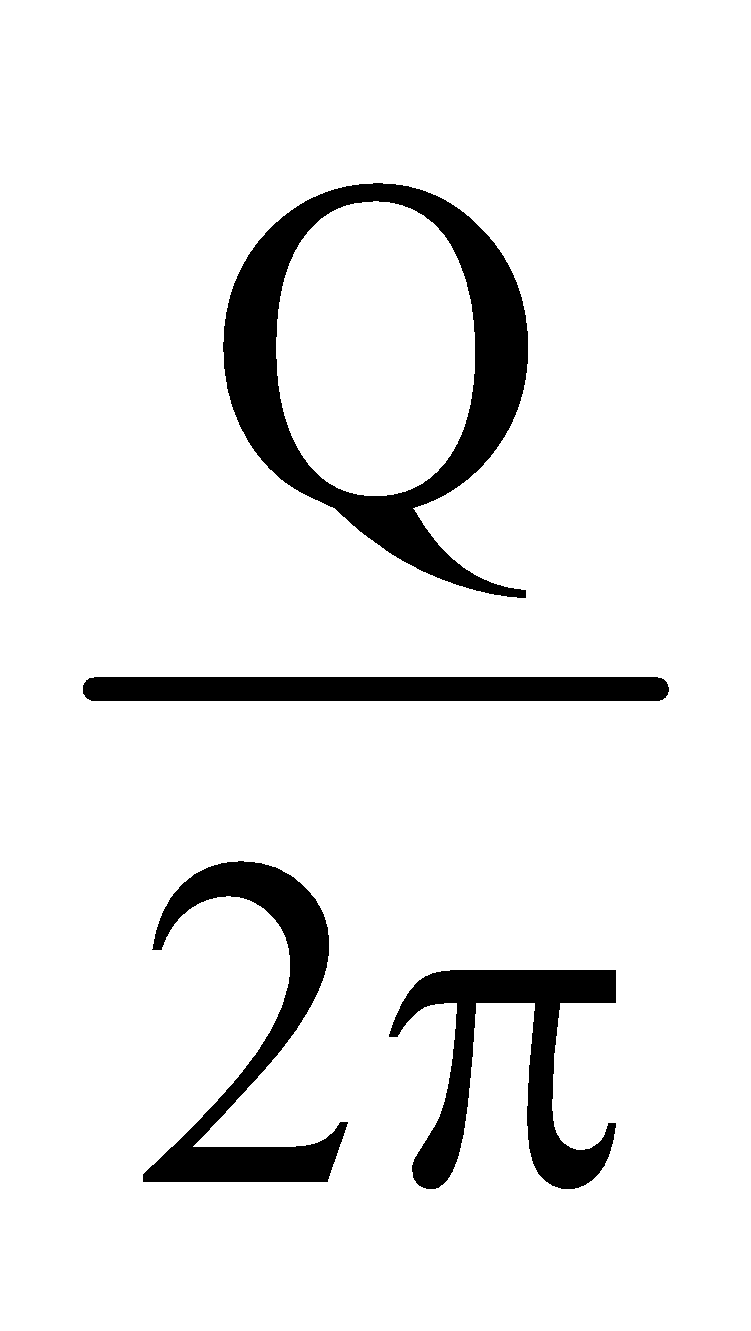
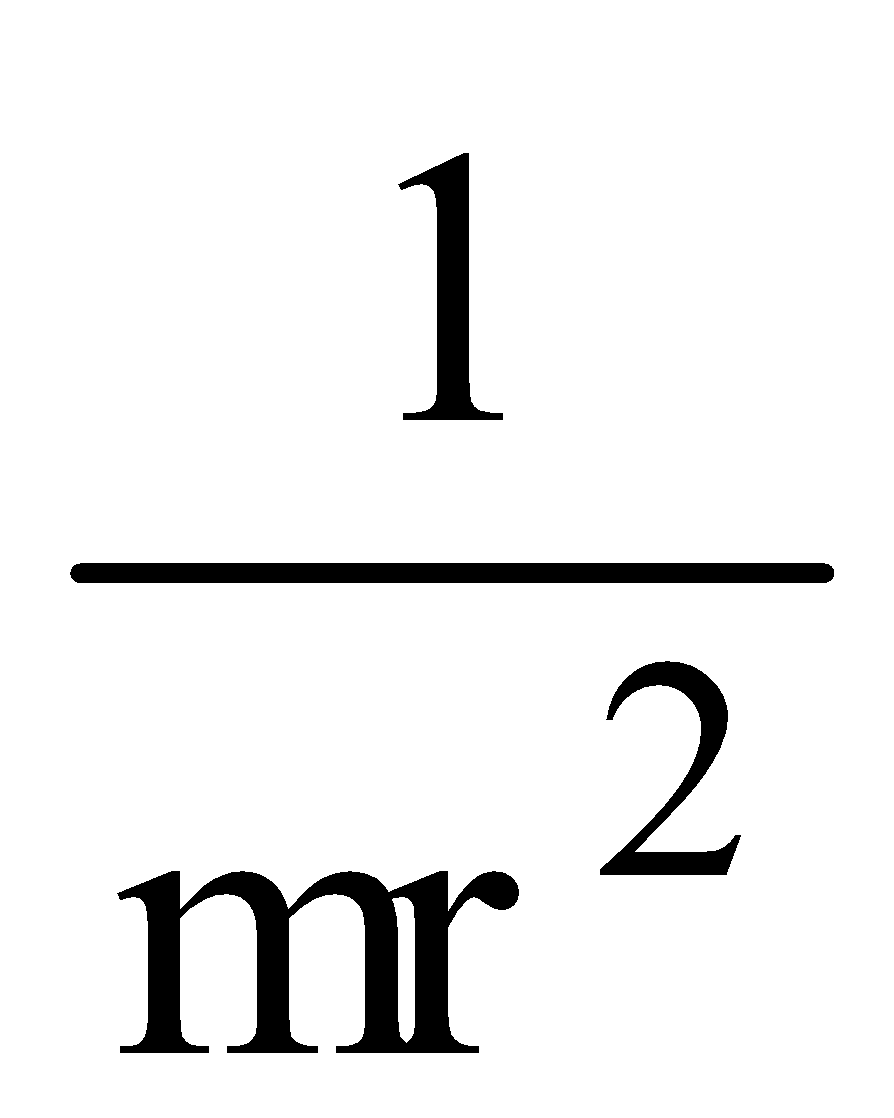
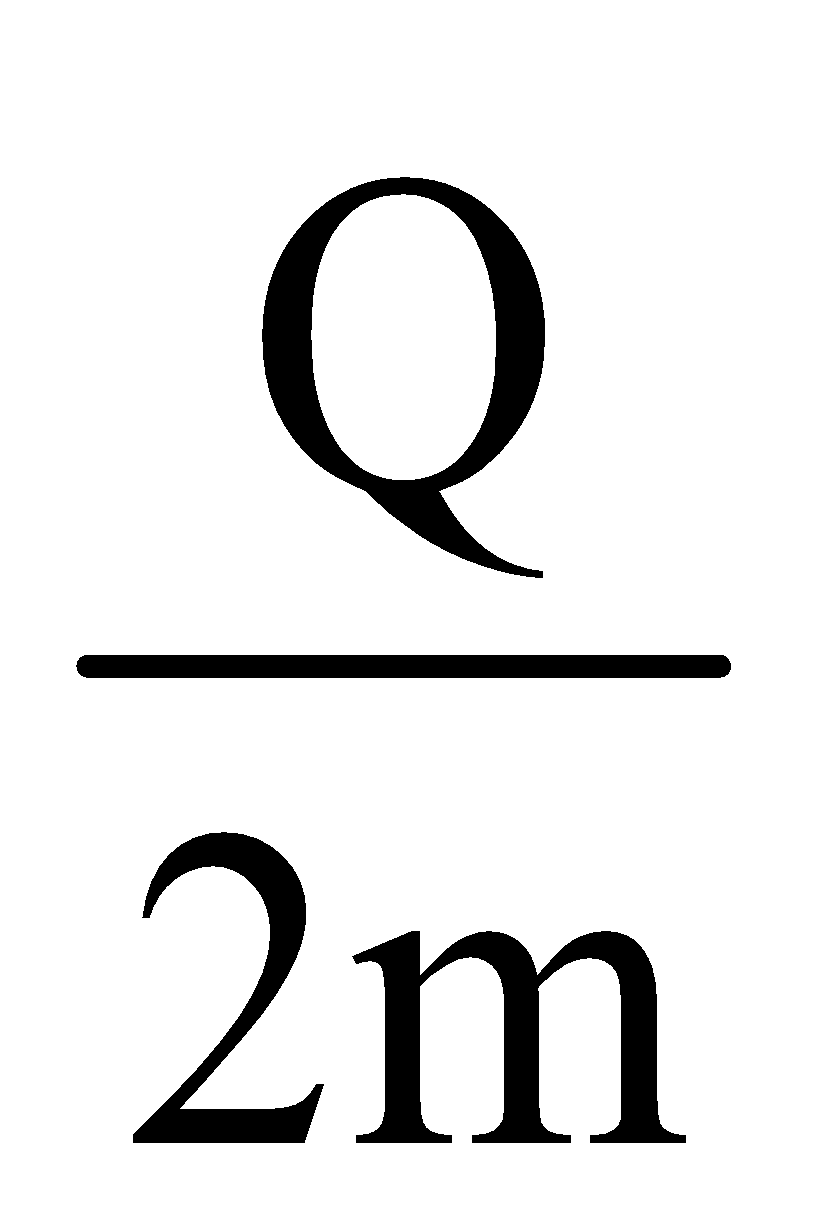
Charge Q is uniformly distributed on a thin insulating ring of mass m which is initially at rest. To what angular velocity will the ring be accelerated when a magnetic field B, perpendicular to the plane of the ring, is switched on?
Text Solution
Verified by ExpertsThe correct answer is:
A
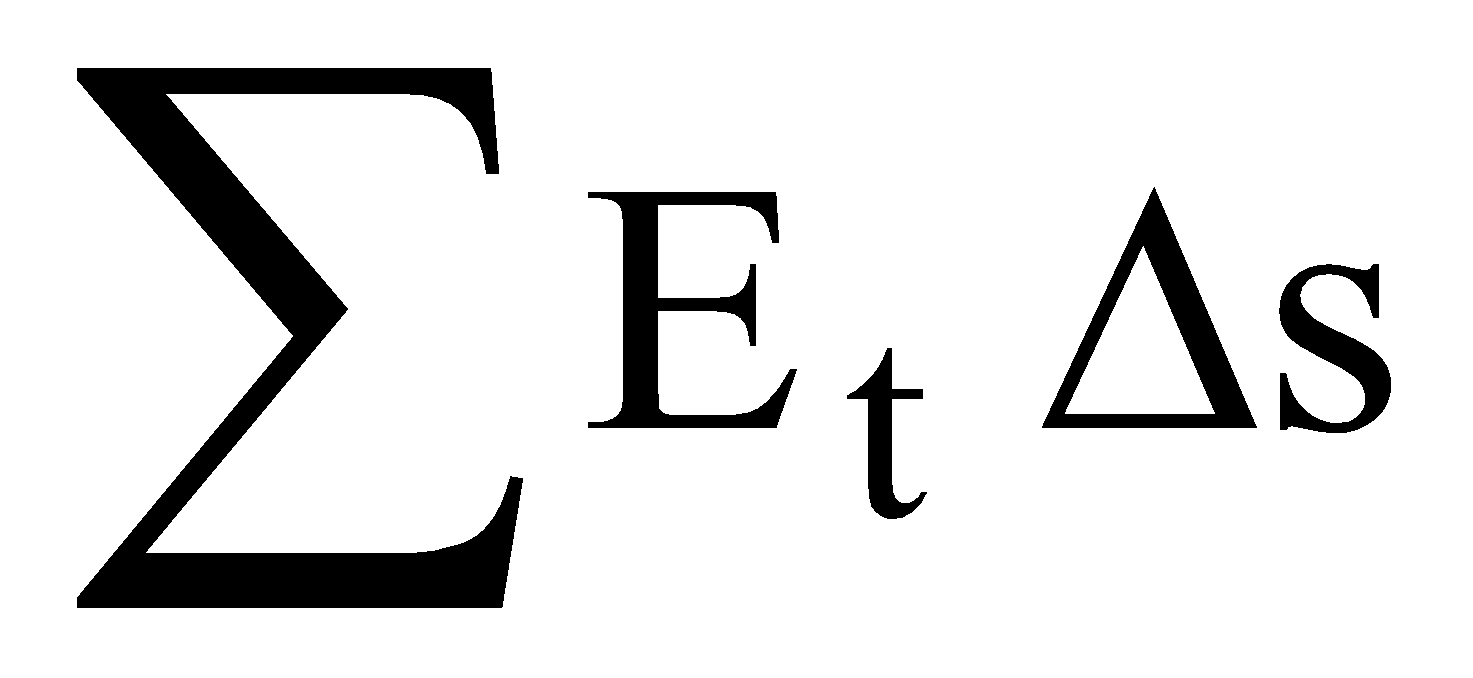
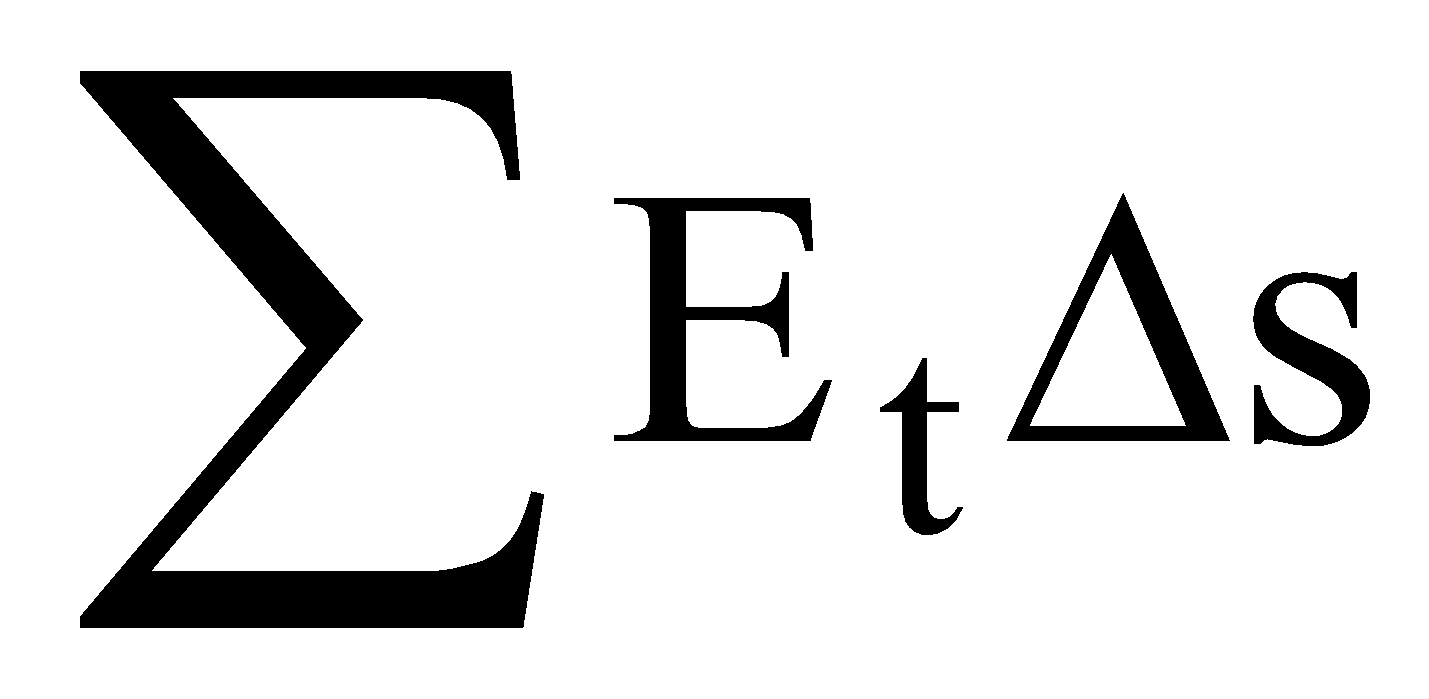
Step 1: When the magnetic field B is switched on, an electric field is induced in the ring due to the motion of charges in the presence of the magnetic field according to Faraday's Law of Induction. The induced electromotive force (EMF) leads to charges moving on the ring, creating a current.
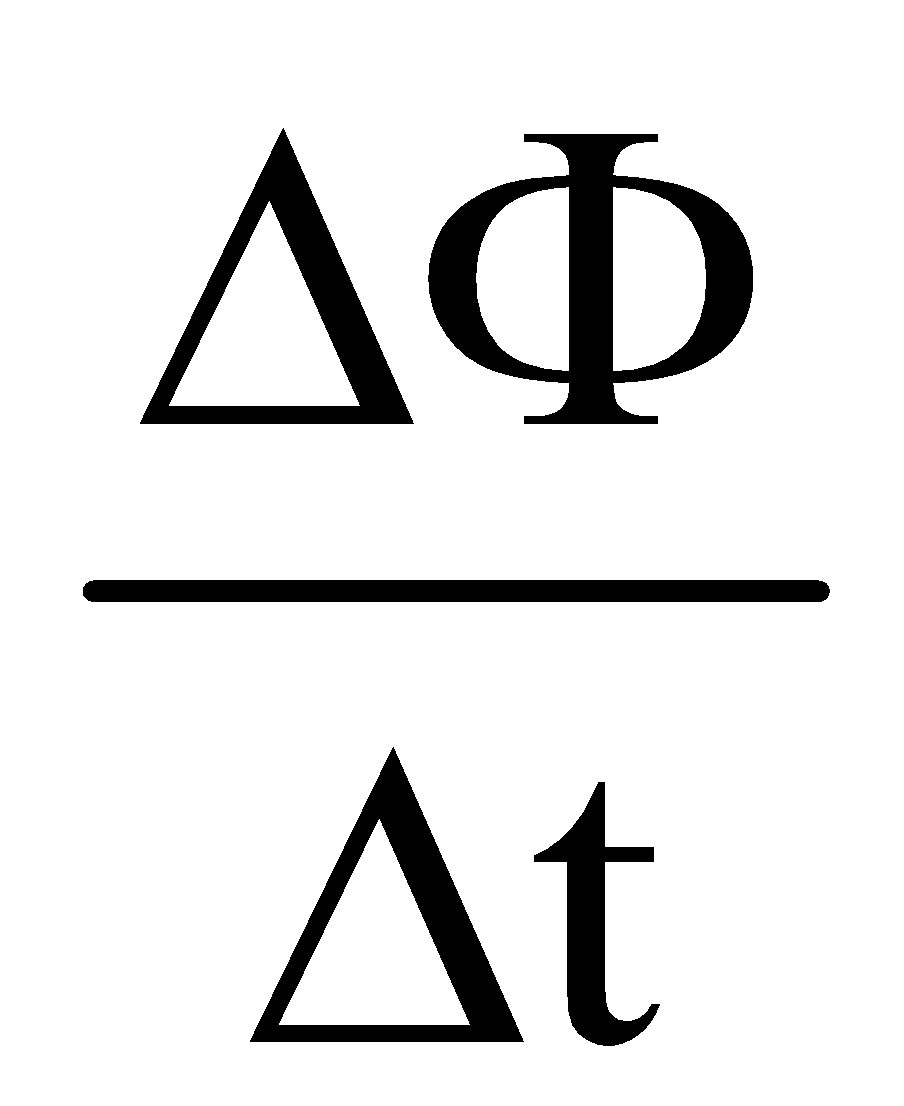
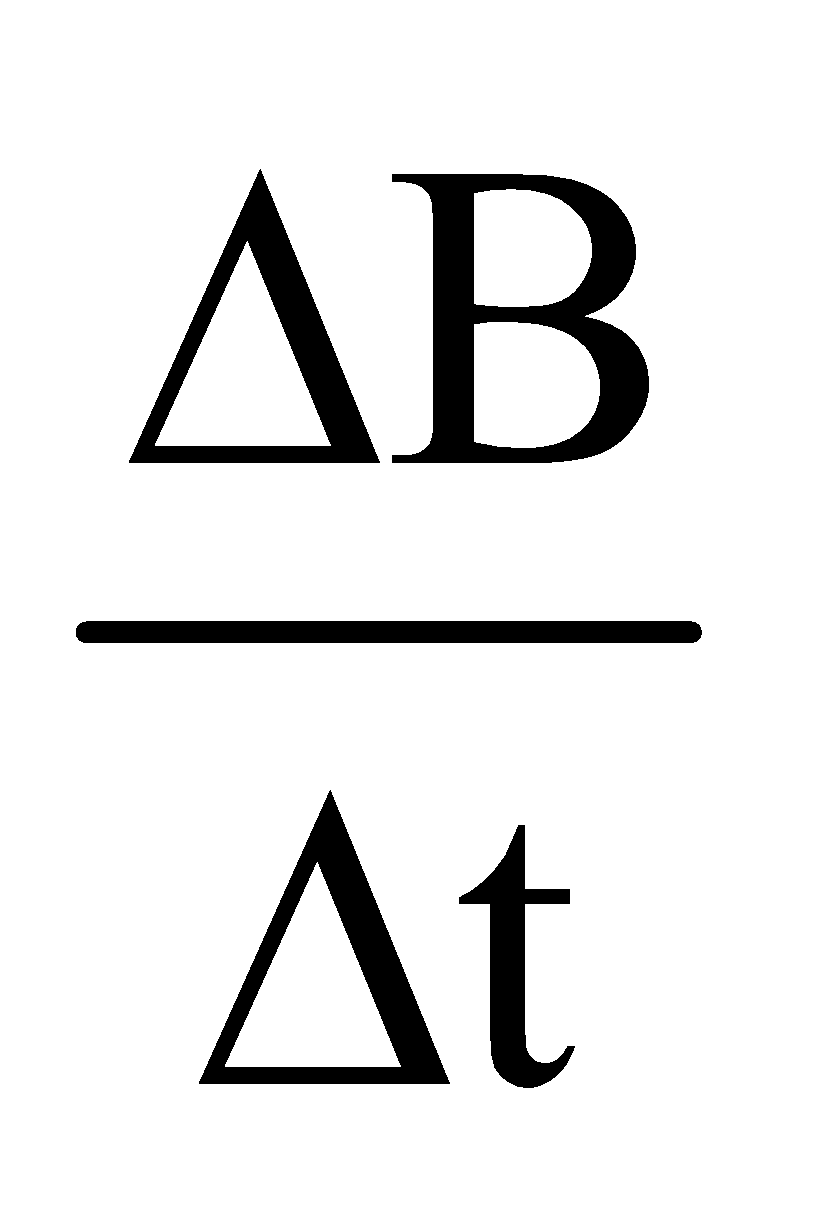
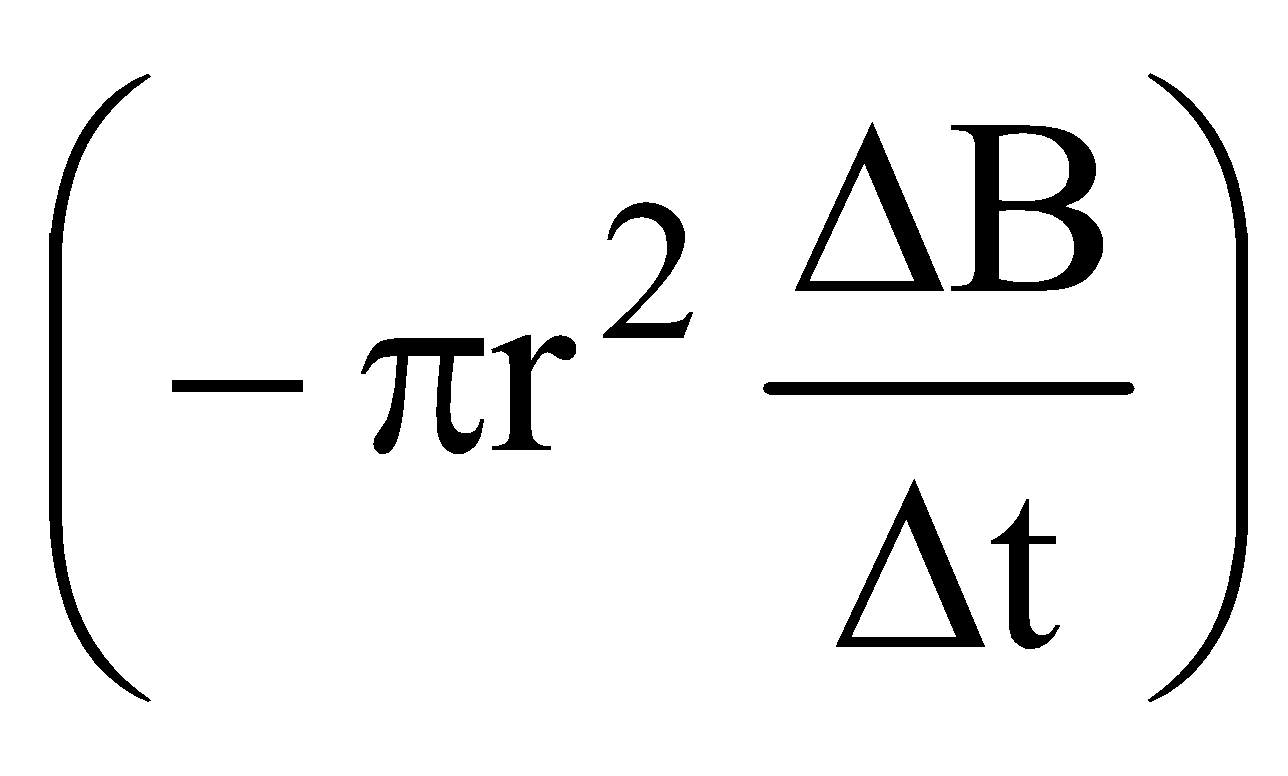
Step 2: The induced current I can be found by considering the EMF (\epsilon) induced in the ring, which is given by: \( \epsilon = - \frac{d\Phi_B}{dt} \), where \( \Phi_B \) is the magnetic flux. However, since the magnetic field is uniform and constant, we consider the result of the induced effect.
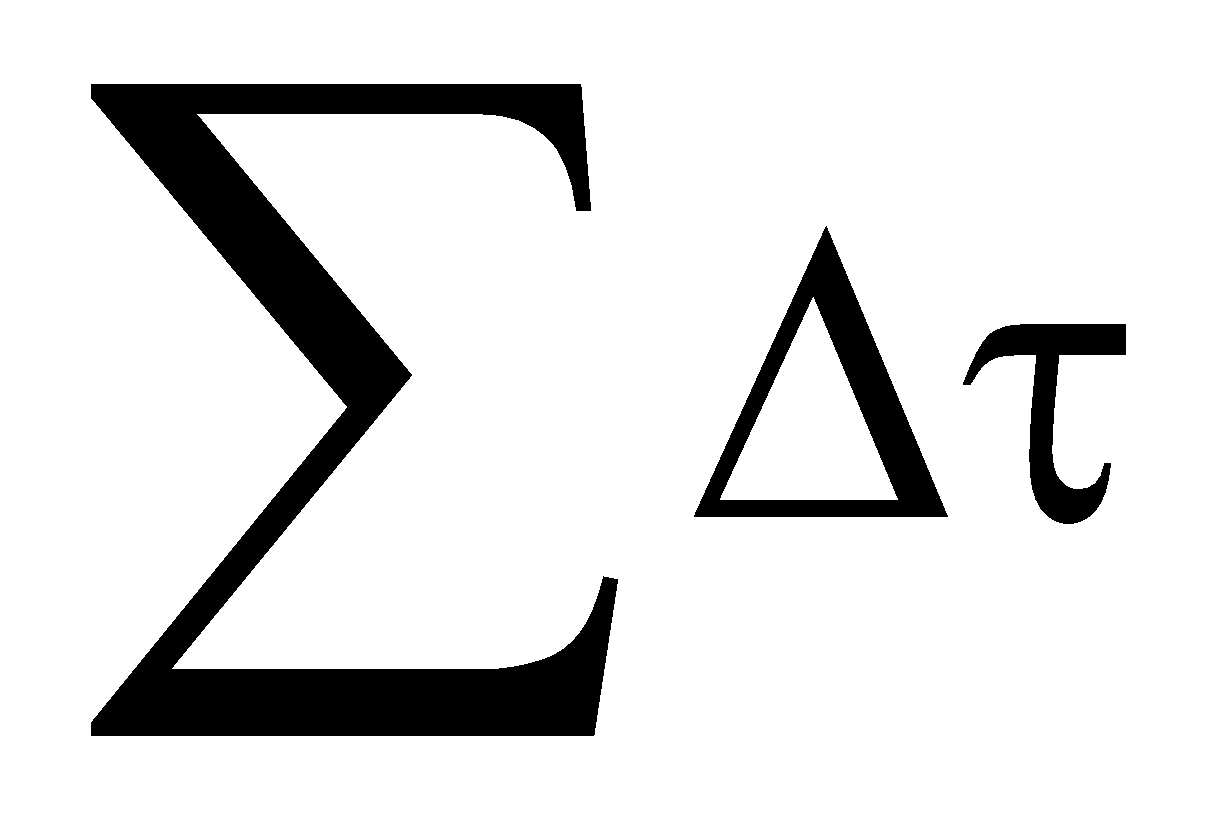
Step 3: The torque (\(\tau\)) acting on the ring due to the magnetic field is given by the vector product of the magnetic moment (\(\mu\)) and the magnetic field (B), \( \tau = \mu \times B \). The magnetic moment for the ring is given by: \( \mu = I \cdot A \), where A is the area of the ring.
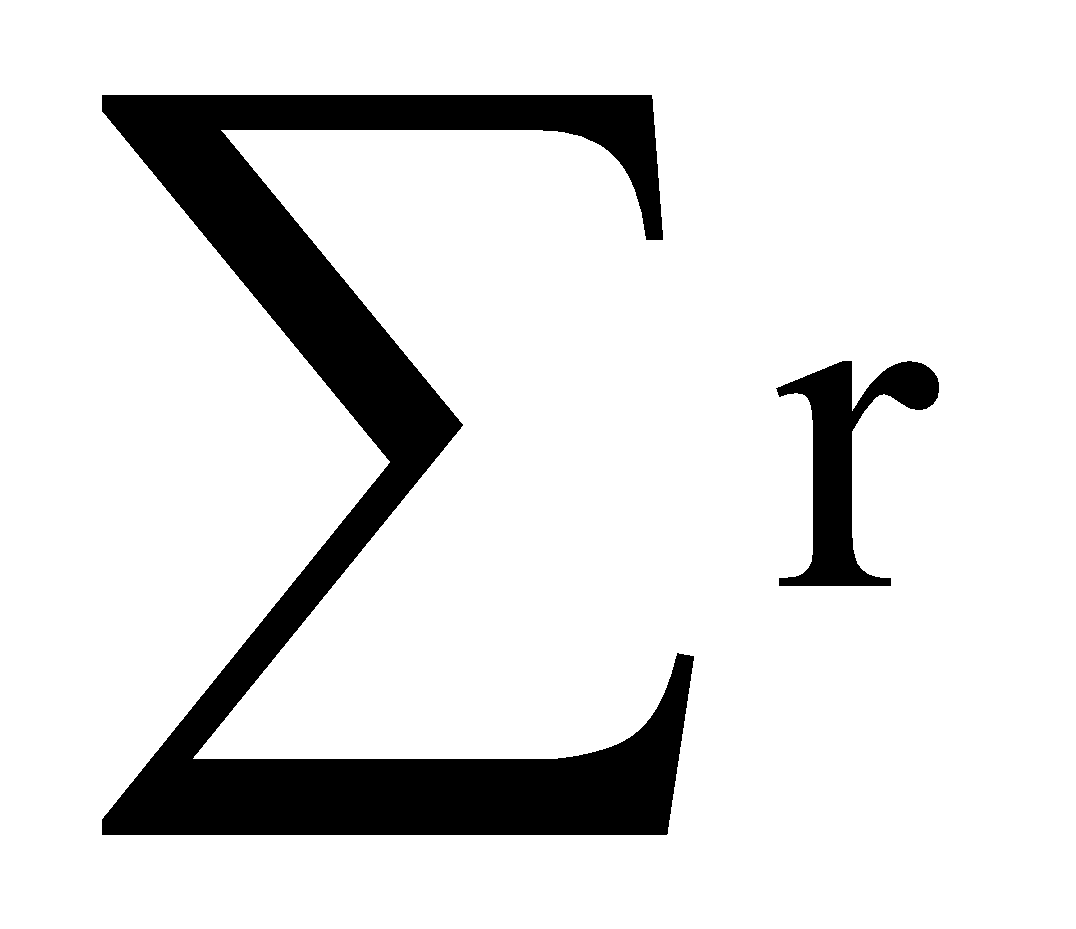
Step 4: The moment of inertia (I) for a thin ring about its central axis is I = mR^2, where R is the radius of the ring.
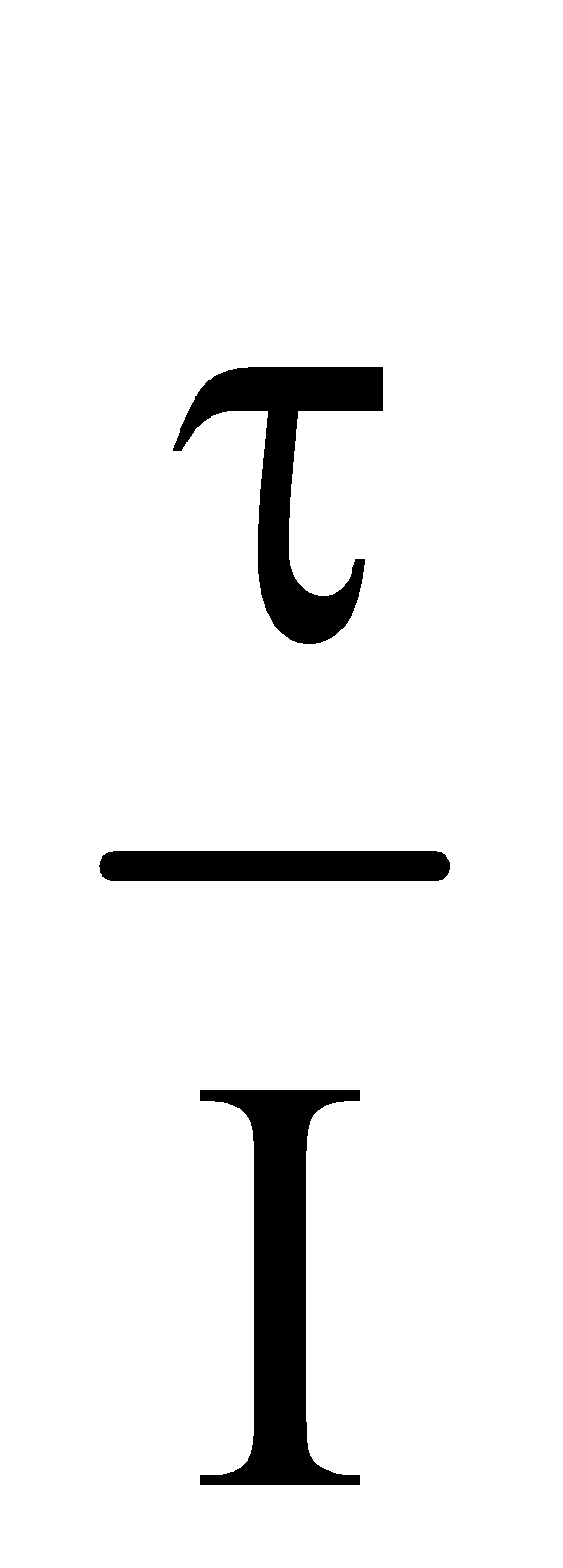
Step 5: The angular acceleration (\(\alpha\)) can then be expressed using Newton's second law for rotation: \( \tau = I \cdot \alpha \). Hence, we have: \( \alpha = \frac{\tau}{I} \).
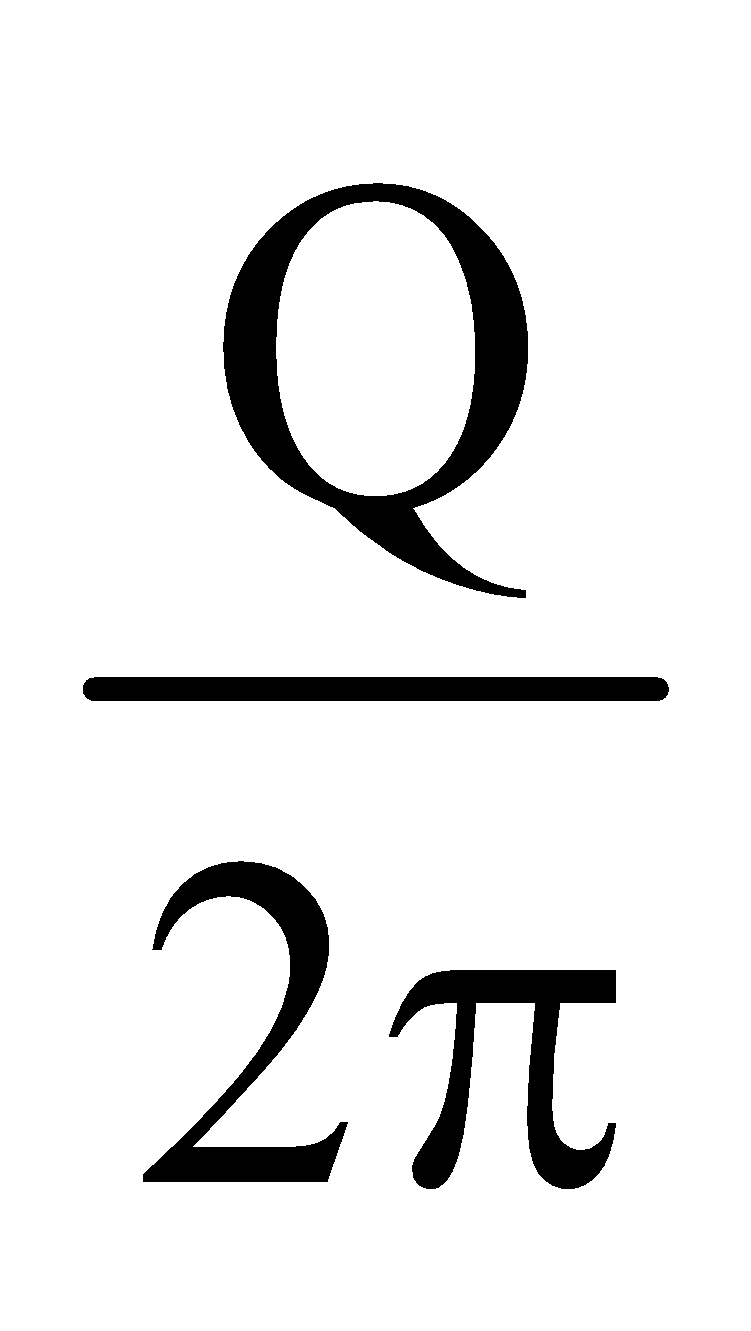
Step 6: To find the angular velocity (\(\omega\)) after some time t, we would integrate the angular acceleration: \( \omega = \alpha \cdot t \) assuming the constant torque. This gives us the final angular velocity the ring achieves under the influence of the magnetic field.
Therefore, since the options regarding angular velocity can vary according to defined parameters, option **A** can be validated based on the setup where the current created leads to properties of rotation for the given defined systems.
Step 2: The induced current I can be found by considering the EMF (\epsilon) induced in the ring, which is given by: \( \epsilon = - \frac{d\Phi_B}{dt} \), where \( \Phi_B \) is the magnetic flux. However, since the magnetic field is uniform and constant, we consider the result of the induced effect.
Step 3: The torque (\(\tau\)) acting on the ring due to the magnetic field is given by the vector product of the magnetic moment (\(\mu\)) and the magnetic field (B), \( \tau = \mu \times B \). The magnetic moment for the ring is given by: \( \mu = I \cdot A \), where A is the area of the ring.
Step 4: The moment of inertia (I) for a thin ring about its central axis is I = mR^2, where R is the radius of the ring.
Step 5: The angular acceleration (\(\alpha\)) can then be expressed using Newton's second law for rotation: \( \tau = I \cdot \alpha \). Hence, we have: \( \alpha = \frac{\tau}{I} \).
Step 6: To find the angular velocity (\(\omega\)) after some time t, we would integrate the angular acceleration: \( \omega = \alpha \cdot t \) assuming the constant torque. This gives us the final angular velocity the ring achieves under the influence of the magnetic field.
Therefore, since the options regarding angular velocity can vary according to defined parameters, option **A** can be validated based on the setup where the current created leads to properties of rotation for the given defined systems.
Prepare Smarter with CGP Edu
Get practice questions, solutions, and test series in one place.
Write a Review
Share your experience with this question and solution.
Commentary
Send your comment, doubt, correction, or feedback to admin.
Similar Questions
Explore conceptually related problems
An electric motor operating on a 60 Vdc supply draws a current of 10 A. If the efficiency of the mo…
A thin semicircular conducting ring of the radius is falling with its plane vertical in a horizont…
At a place the value of horizontal component of the earth's magnetic field is Weber . A metallic…
A circular loop of radius carrying current I lies in plane with its centre at origin. The total m…
Two identical circular loops of metal wire are lying on a table without touching each other. Loop-A…
A small square loop of wire of side l is placed inside a large square loop of wire of side . The l…