Published by:
CGP EDU Academic Team
Published on: September 12, 2026
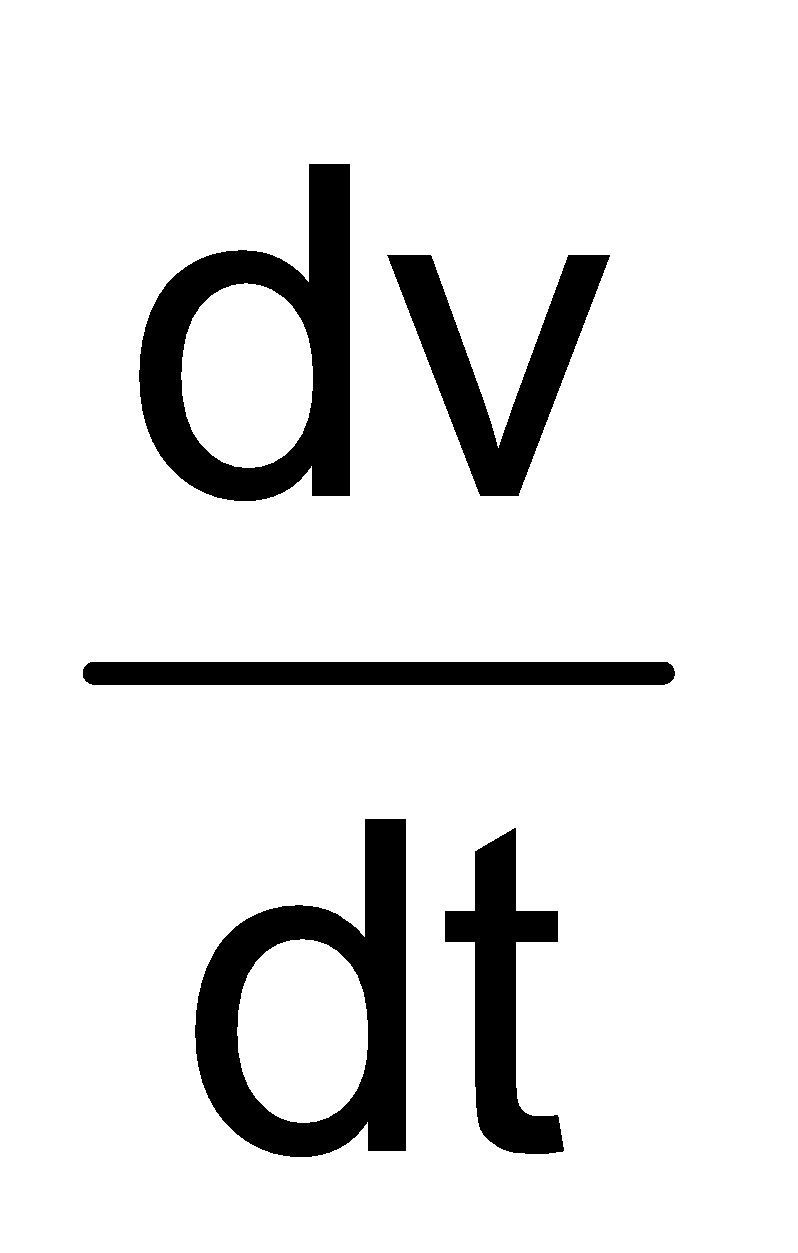
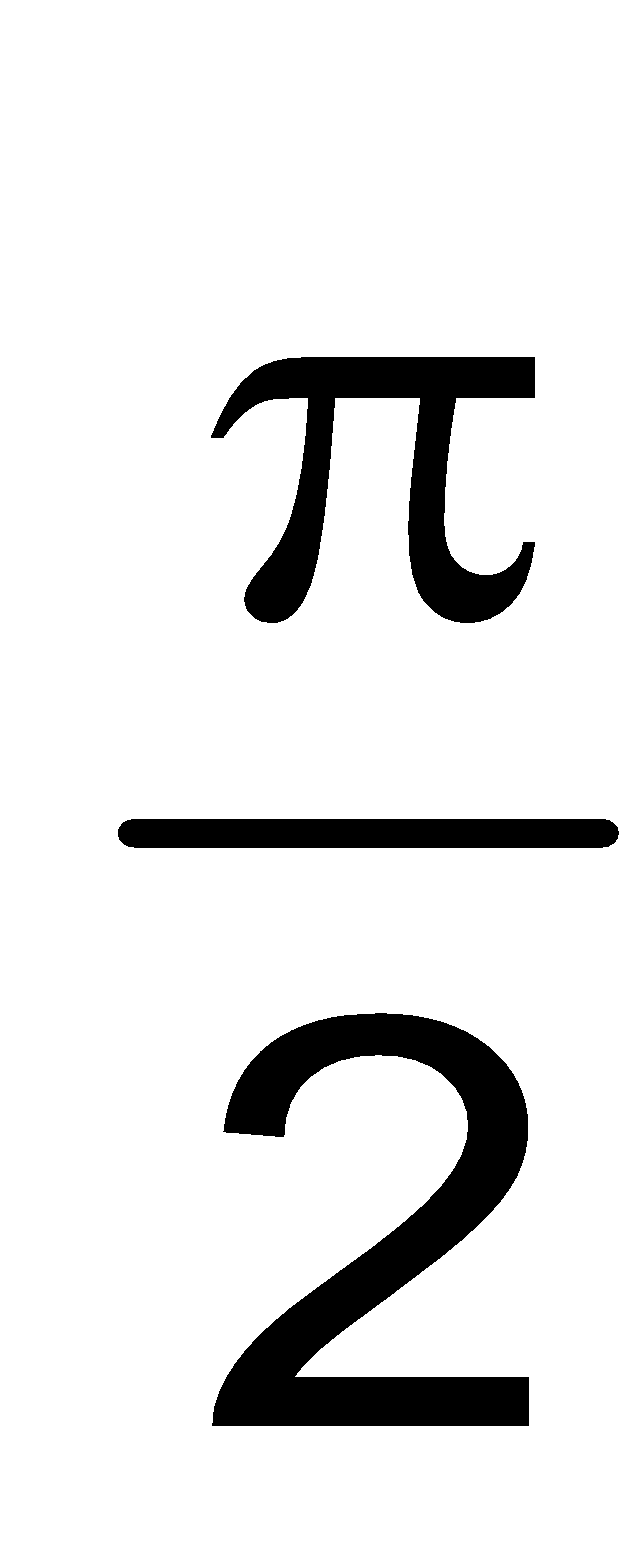
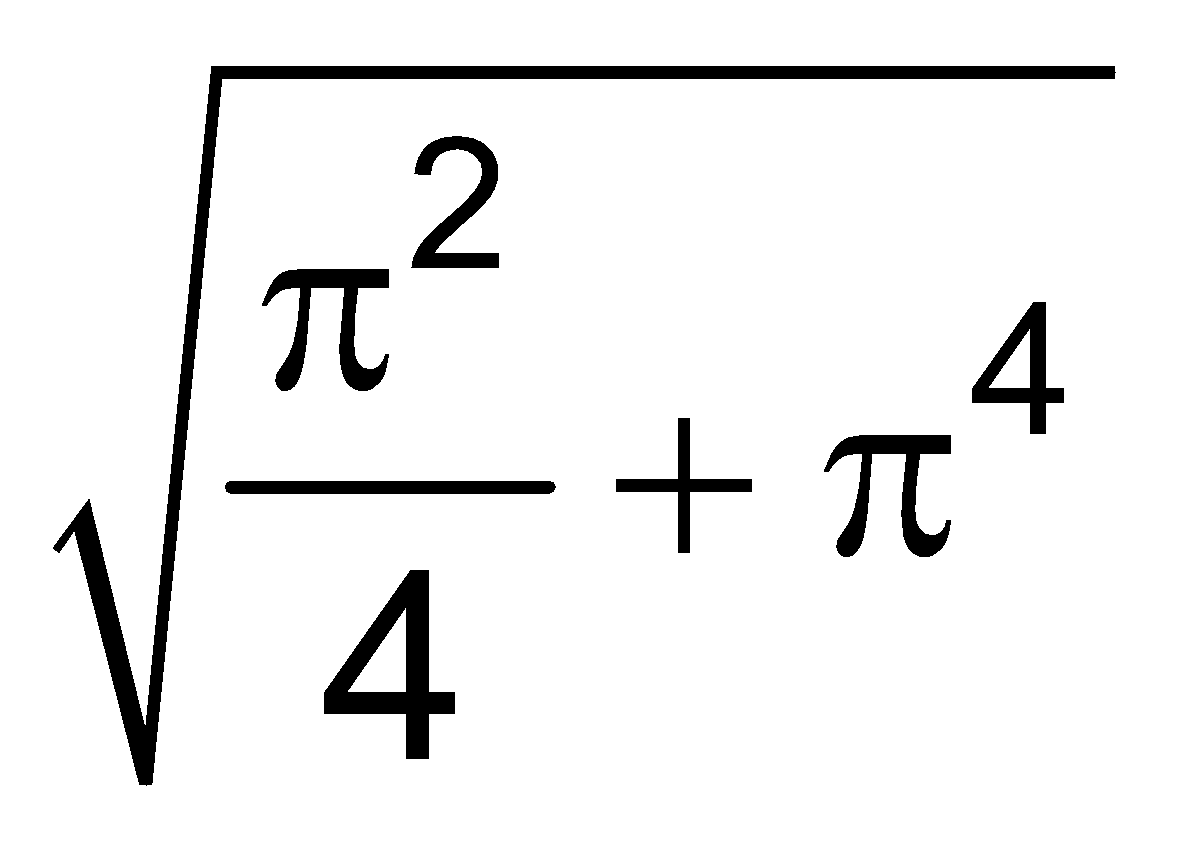
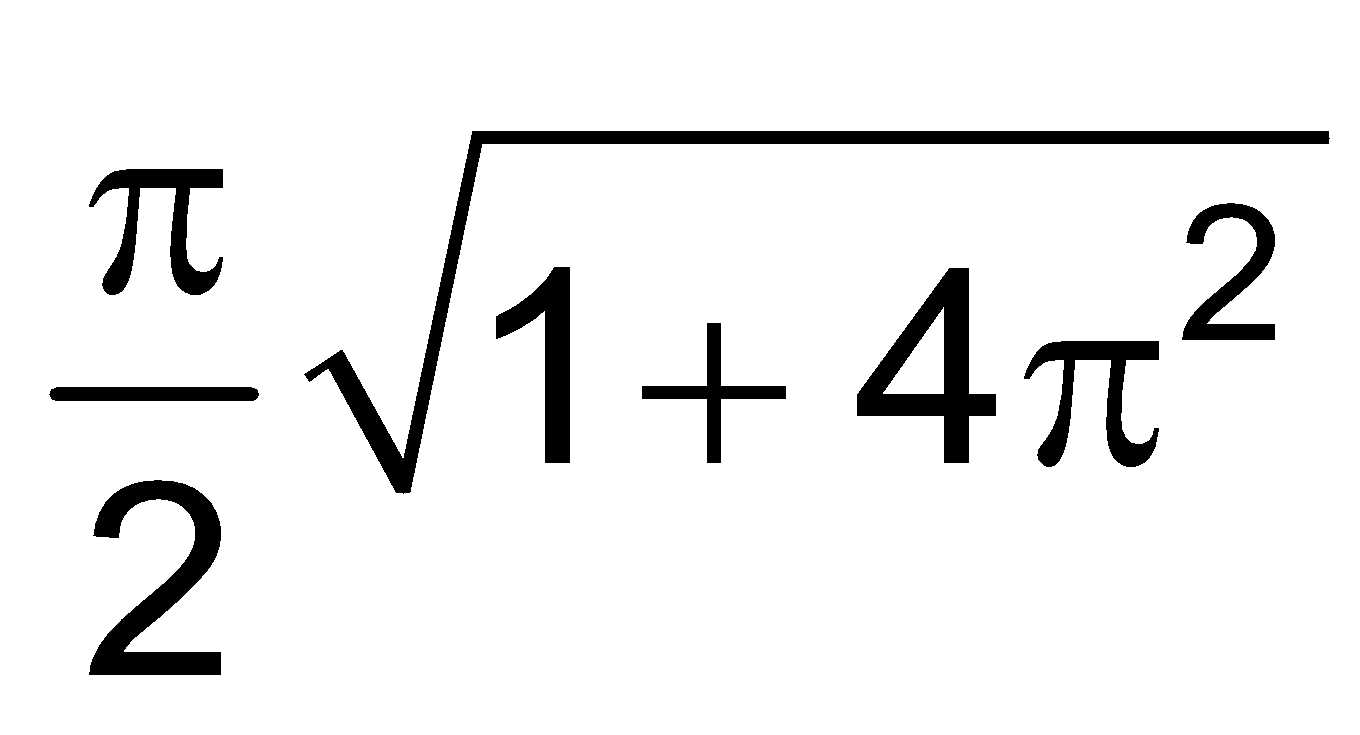
A particle moves clockwise in a circle of radius 1 m with center at (x, y) = (1m, 0). It starts at rest at the origin at time t = 0. Its speed increases at the constant rate of
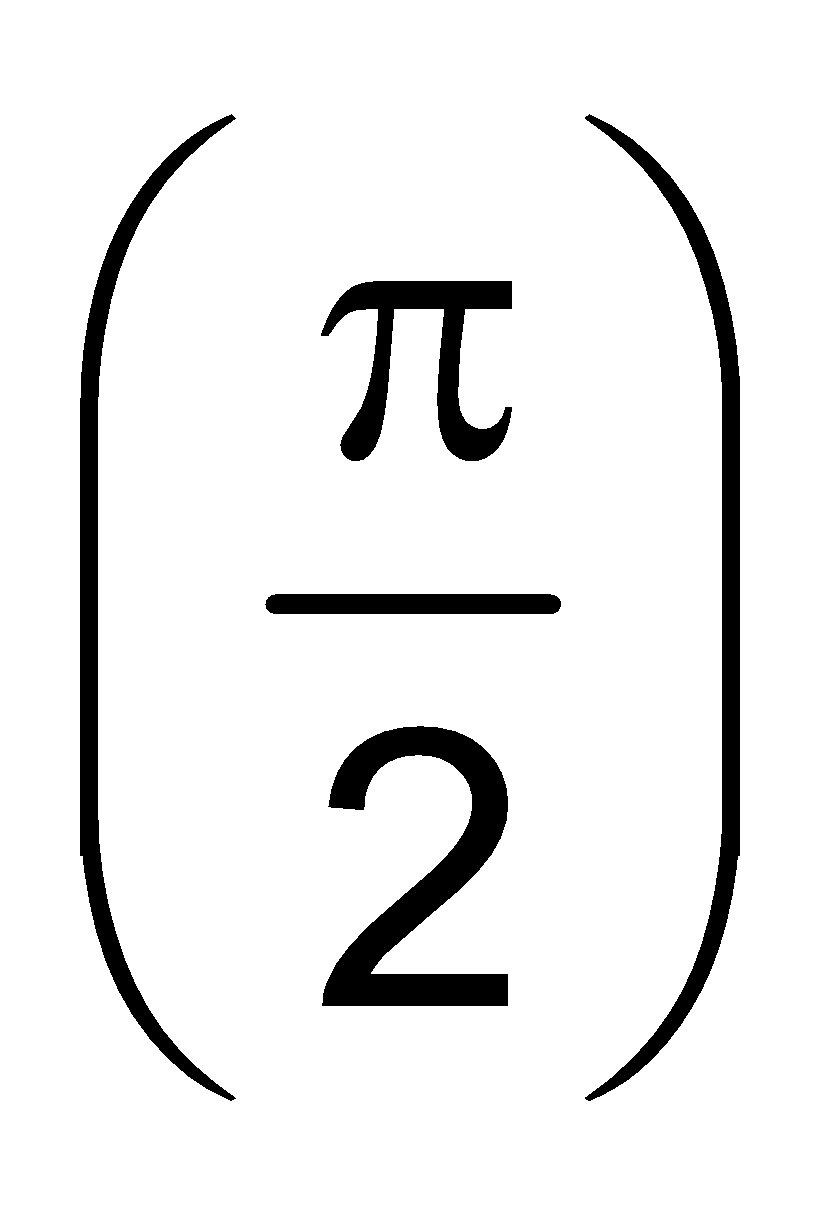
m/s 2 . If the net acceleration at t = 2 sec is
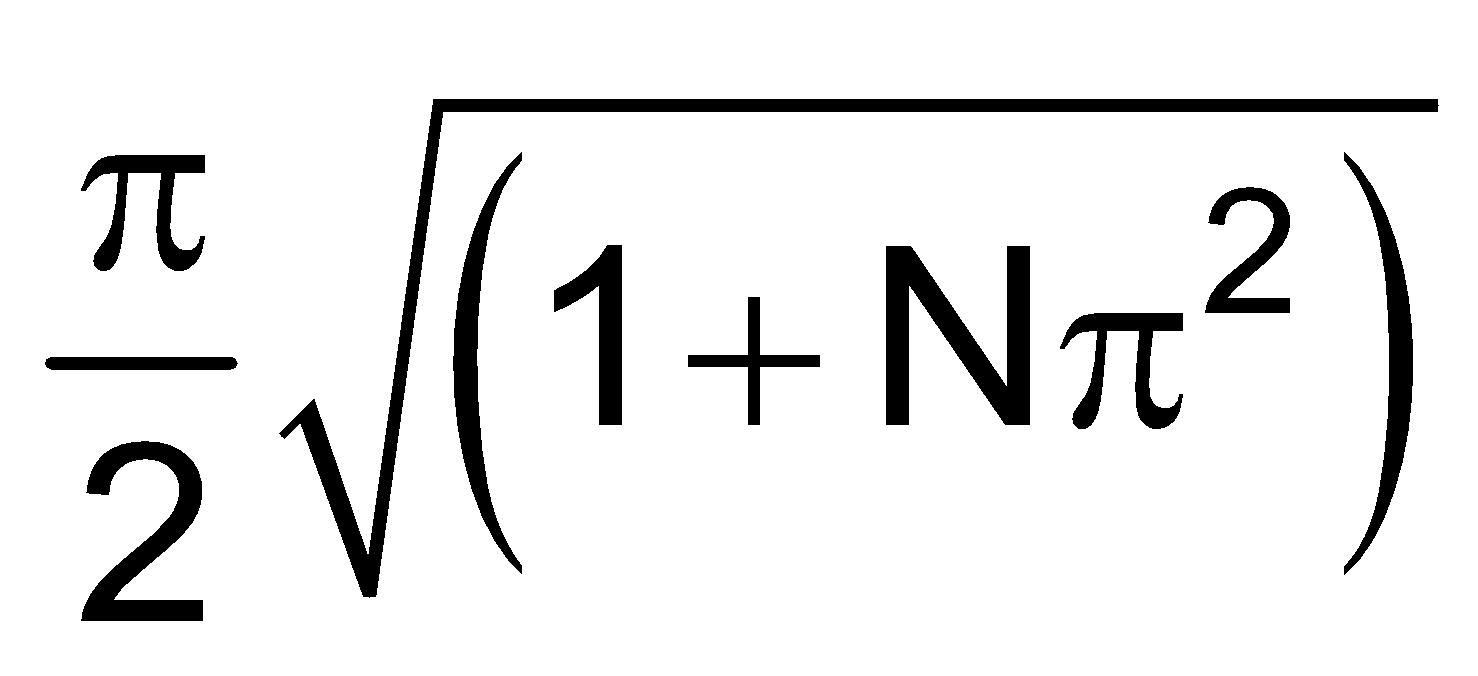
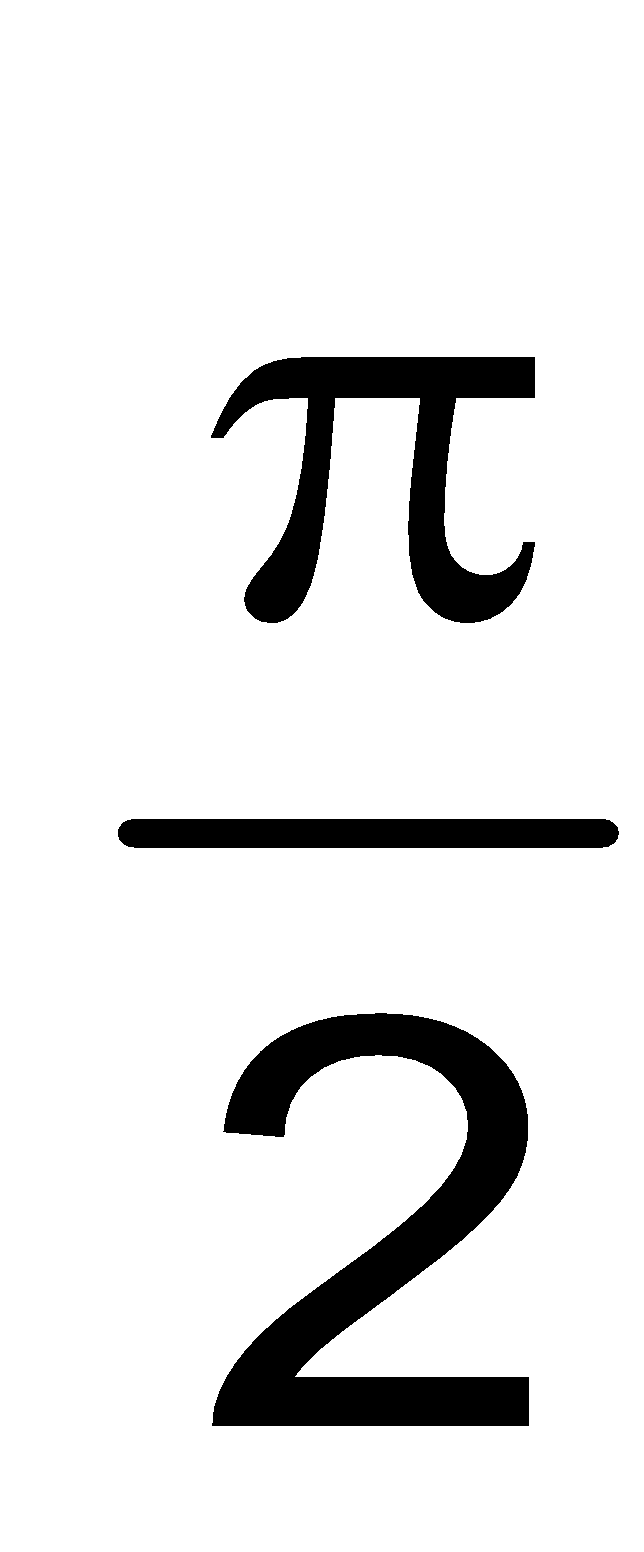
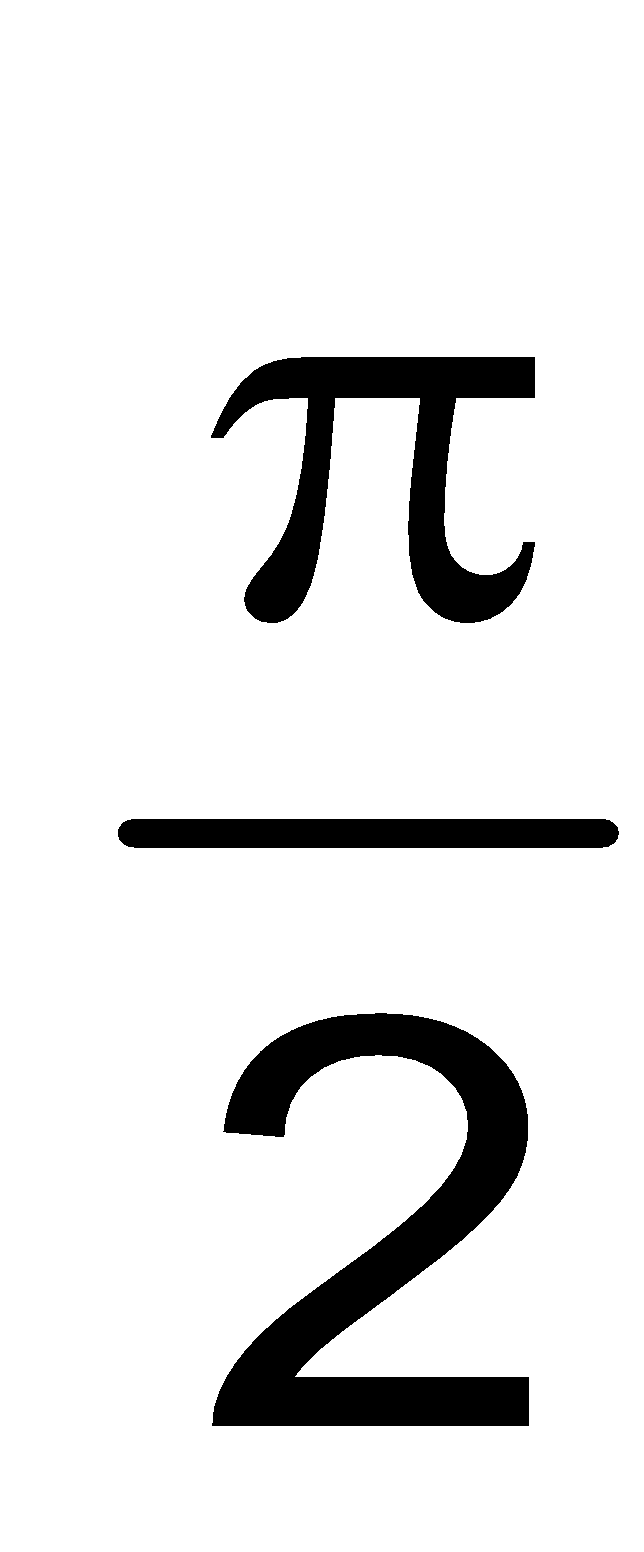
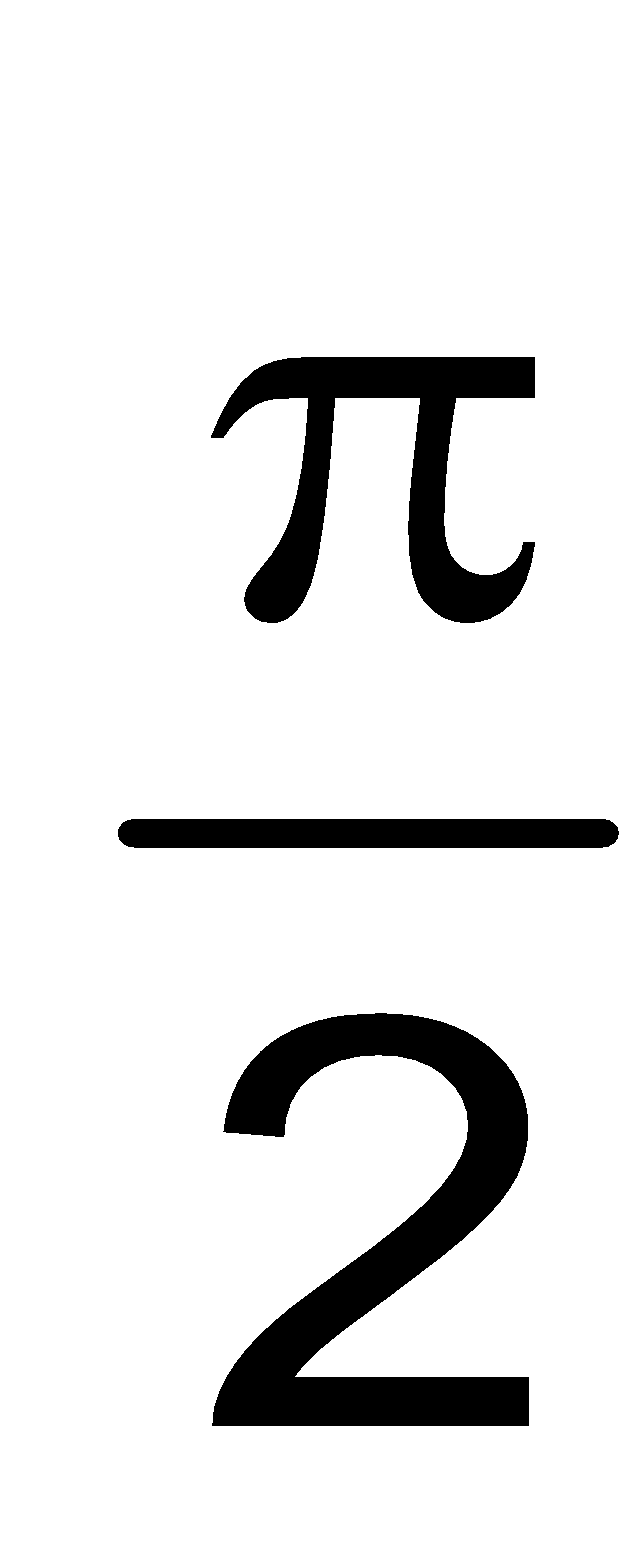
then what is the value of N?
Text Solution
Verified by ExpertsThe correct answer is:
B
Step 1: Identify the radial acceleration (centripetal acceleration) and tangential acceleration.
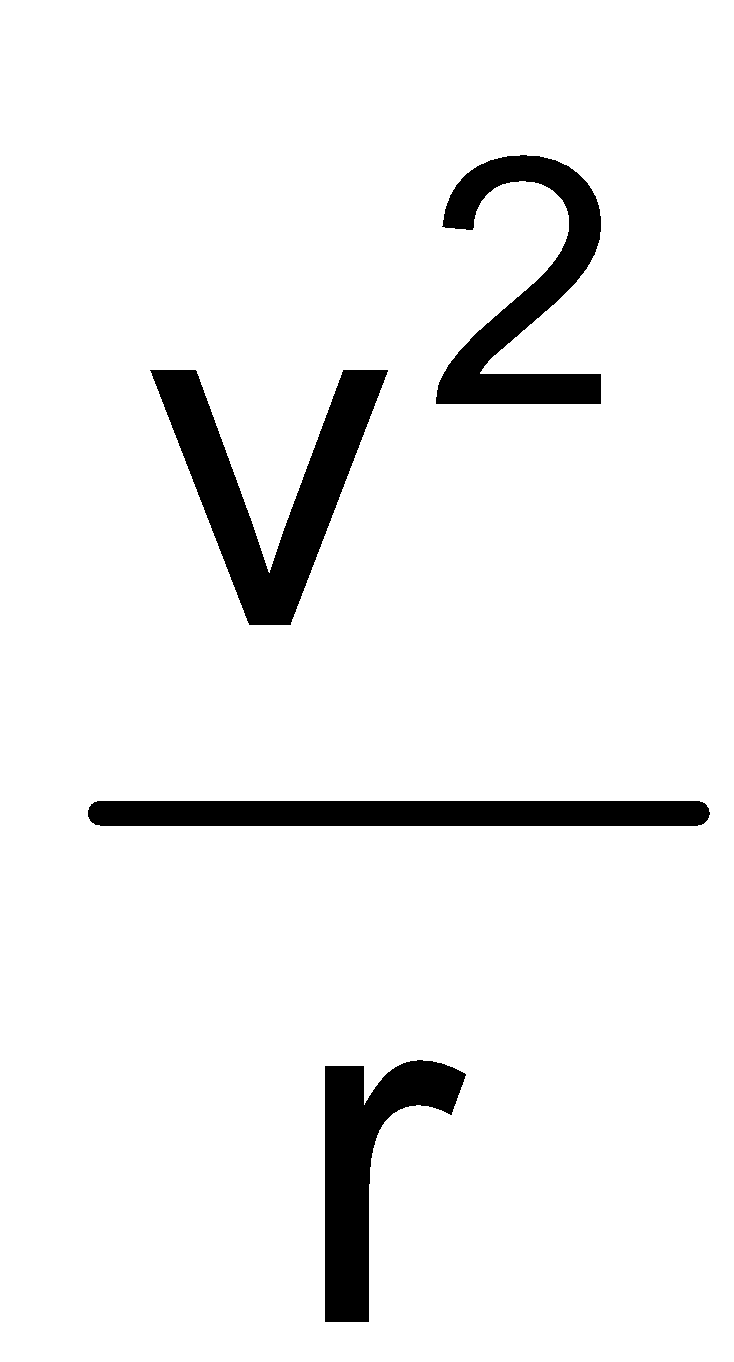
The radial acceleration at any point in circular motion is given by \( a_r = \frac{v^2}{r} \), where \( v \) is the speed and \( r \) is the radius.
Step 2: Determine the linear speed at \( t = 2 \) seconds. Since the particle starts from rest and accelerates at a constant rate of \( 2 \, \text{m/s}^2 \), we can find the speed using the equation \( v = a t = 2 \times 2 = 4 \, \text{m/s} \).
Step 3: Calculate the radial acceleration: \( a_r = \frac{v^2}{r} = \frac{(4)^2}{1} = 16 \, \text{m/s}^2 \).
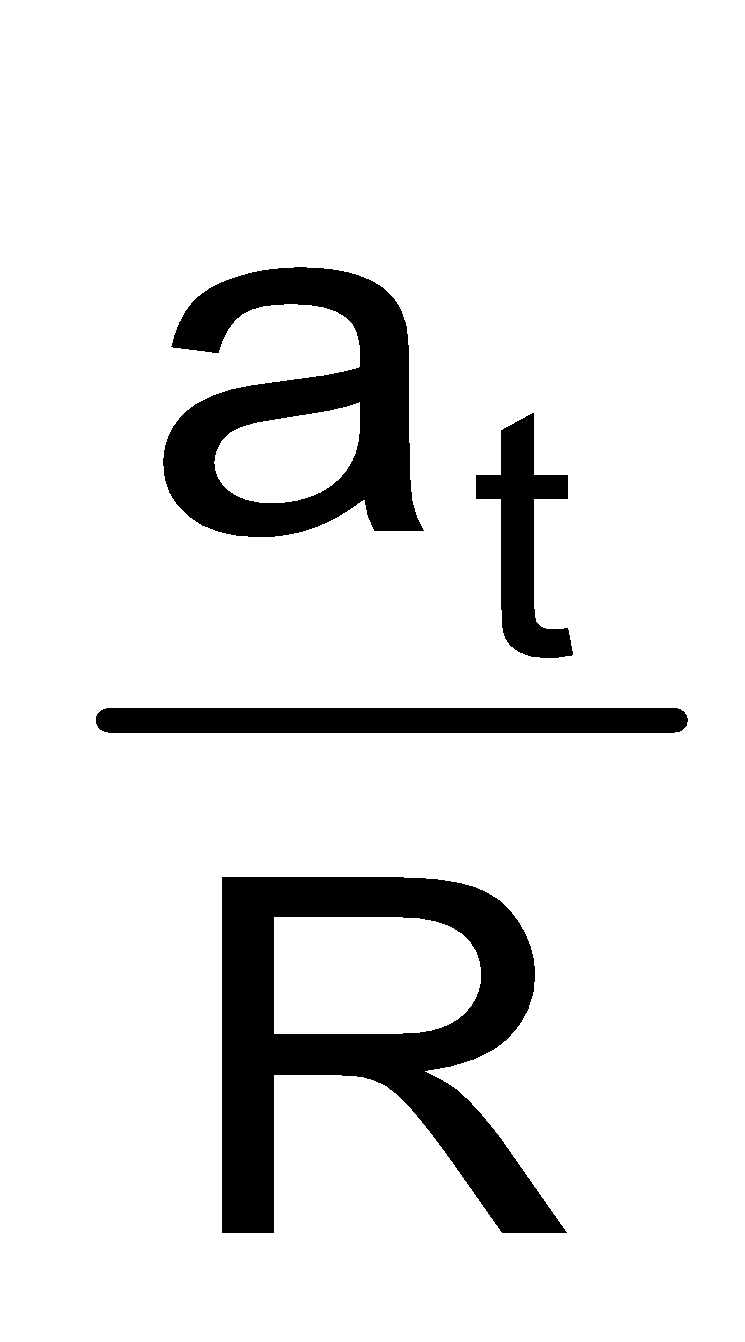
Step 4: The tangential acceleration \( a_t \) is the rate of increase of speed, which is given as \( 2 \, \text{m/s}^2 \).
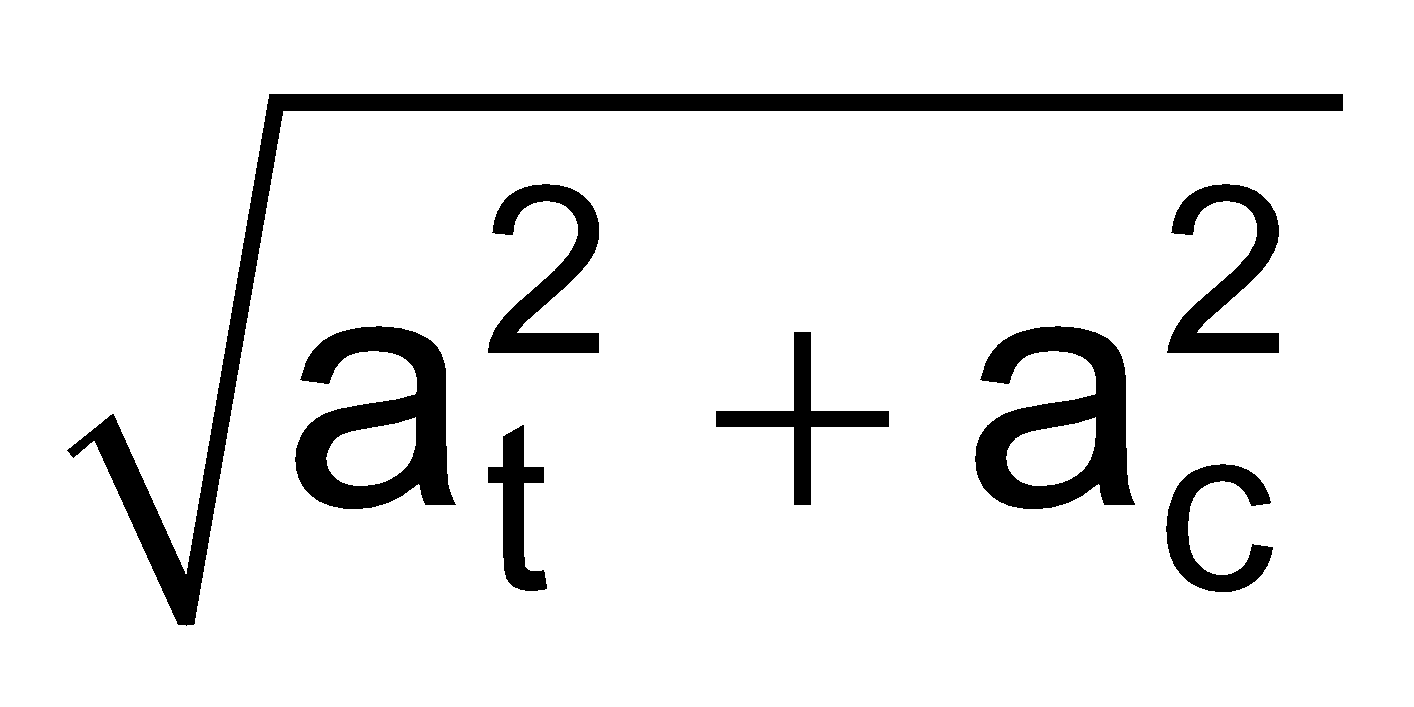
Step 5: The net acceleration is the vector sum of radial and tangential accelerations given by \( a = \sqrt{a_r^2 + a_t^2} = \sqrt{16^2 + 2^2} = \sqrt{256 + 4} = \sqrt{260} = 16.12 \, \text{m/s}^2 \).
Since the net acceleration is provided in the question as \( N \, \text{m/s}^2 \), we conclude \( N = 16.12 \). Therefore, the answer is B.
The radial acceleration at any point in circular motion is given by \( a_r = \frac{v^2}{r} \), where \( v \) is the speed and \( r \) is the radius.
Step 2: Determine the linear speed at \( t = 2 \) seconds. Since the particle starts from rest and accelerates at a constant rate of \( 2 \, \text{m/s}^2 \), we can find the speed using the equation \( v = a t = 2 \times 2 = 4 \, \text{m/s} \).
Step 3: Calculate the radial acceleration: \( a_r = \frac{v^2}{r} = \frac{(4)^2}{1} = 16 \, \text{m/s}^2 \).
Step 4: The tangential acceleration \( a_t \) is the rate of increase of speed, which is given as \( 2 \, \text{m/s}^2 \).
Step 5: The net acceleration is the vector sum of radial and tangential accelerations given by \( a = \sqrt{a_r^2 + a_t^2} = \sqrt{16^2 + 2^2} = \sqrt{256 + 4} = \sqrt{260} = 16.12 \, \text{m/s}^2 \).
Since the net acceleration is provided in the question as \( N \, \text{m/s}^2 \), we conclude \( N = 16.12 \). Therefore, the answer is B.
Prepare Smarter with CGP Edu
Get practice questions, solutions, and test series in one place.
Write a Review
Share your experience with this question and solution.
Commentary
Send your comment, doubt, correction, or feedback to admin.
Similar Questions
Explore conceptually related problems
A particle moves in a circle of radius 1.0 cm at a speed given by v= 2.0 t where v is in cm/s and t…
A particle is moving along a circular path of radius 5 m with a uniform speed 5 ms – 1 . What is th…
On horizontal smooth surface a mass of 2 kg is whirled in a horizontal circle by means of a string …
Consider a case in which, the driver of a car travelling at a high speed suddenly sees a wall
at a …
A particle moves with deceleration along the circle of radius R so that at any
moment of time its t…
A particle A moves along a circle of radius so that its radius vector
relative to the fixed point…