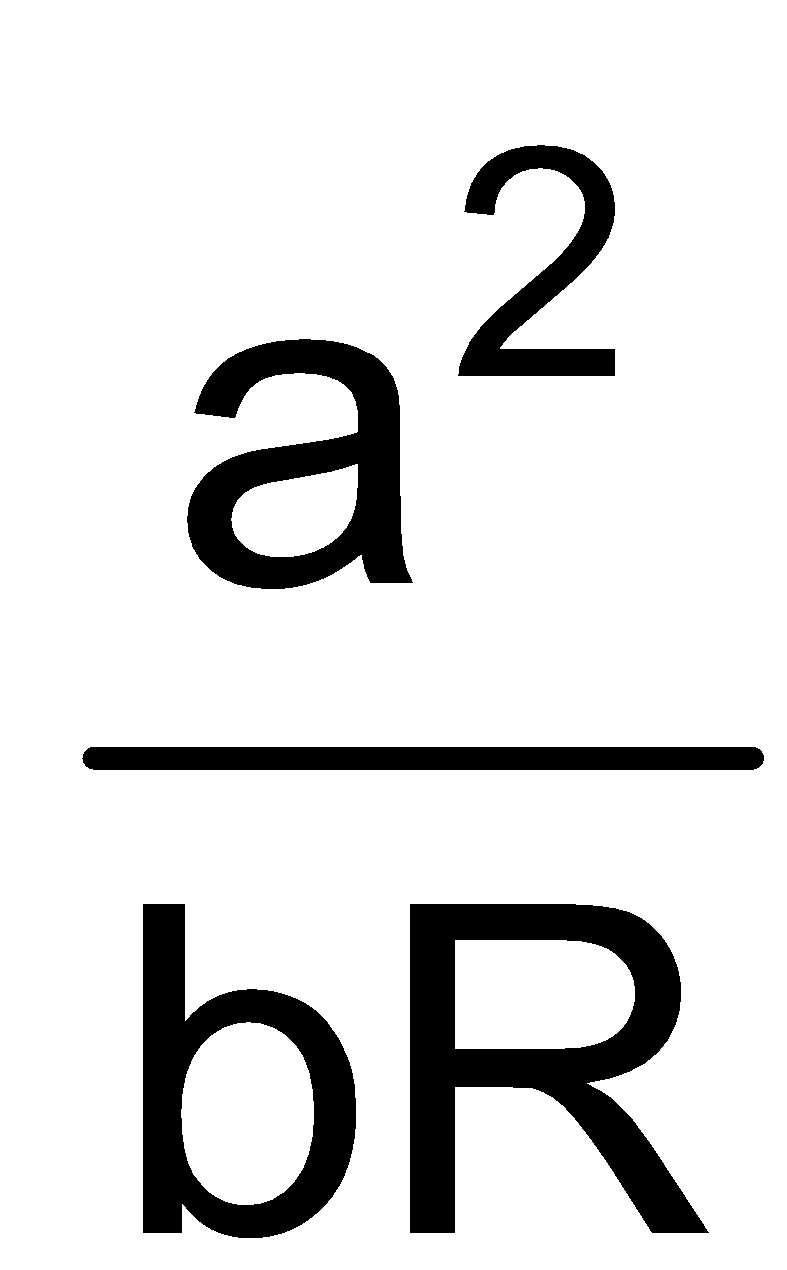
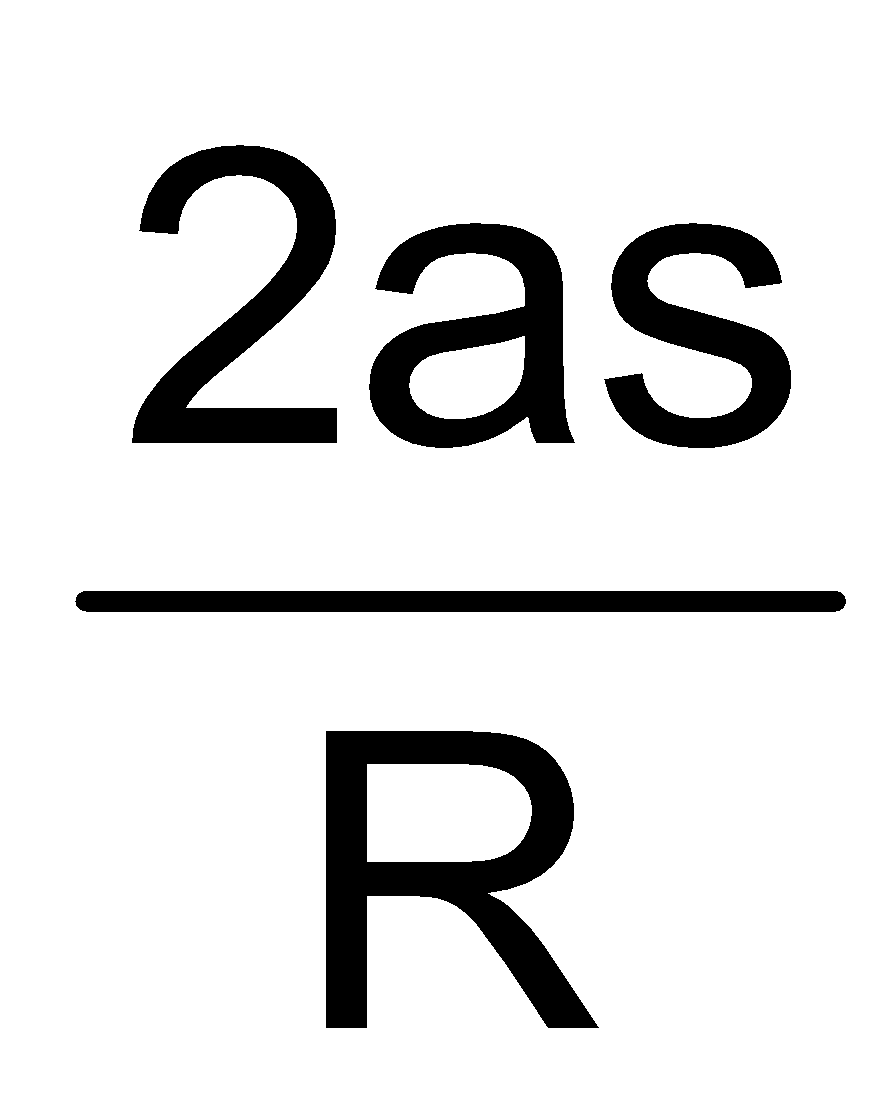
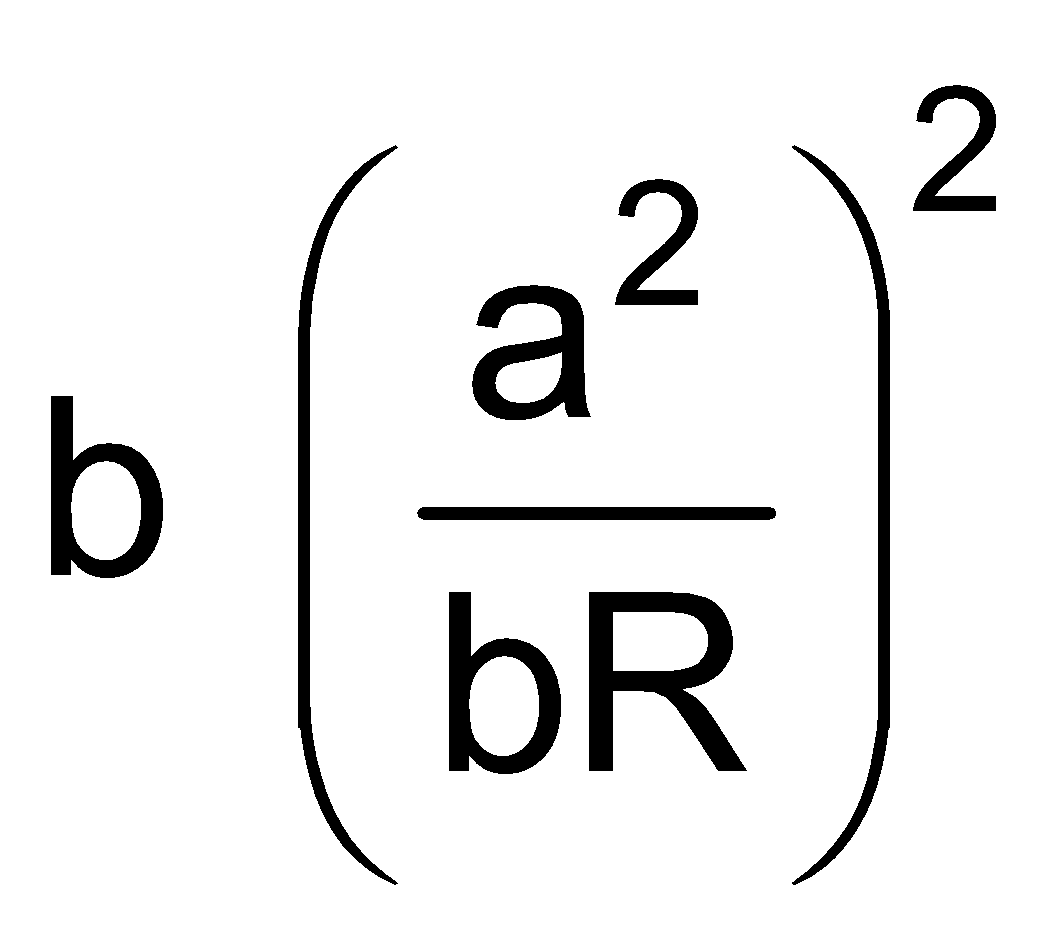
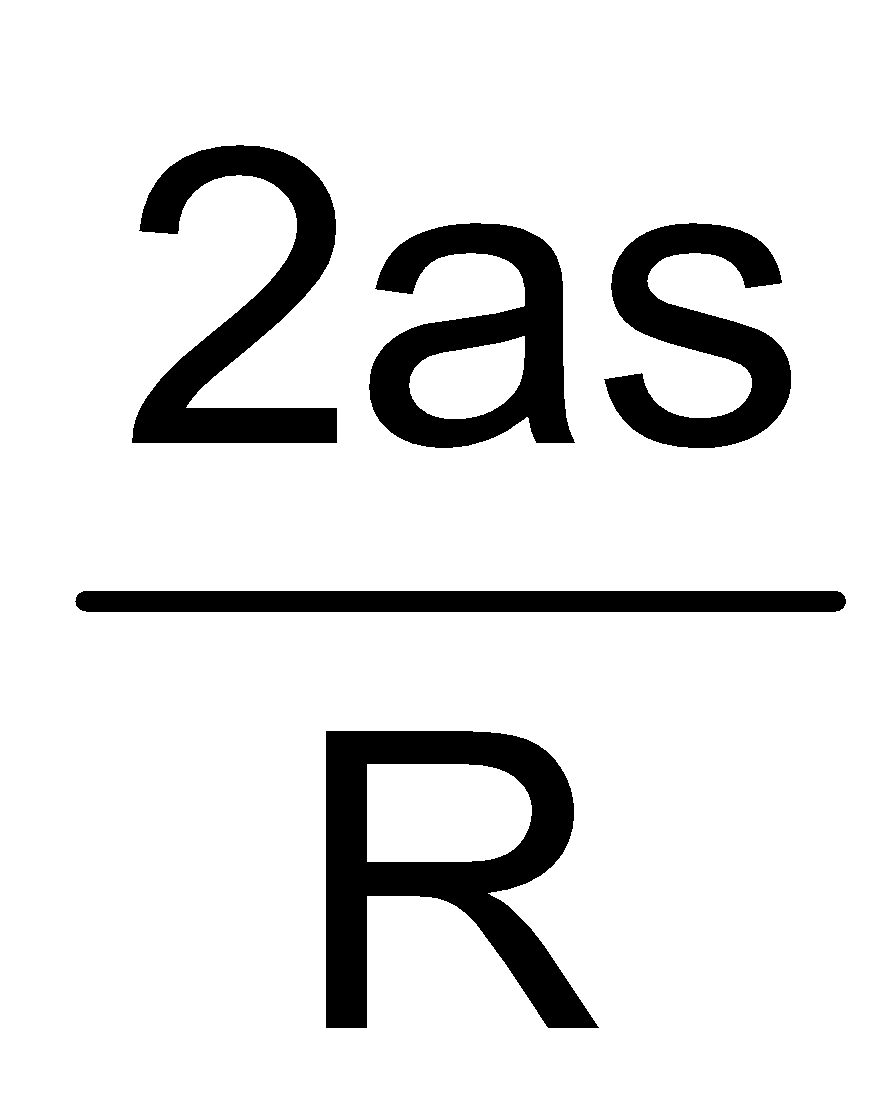
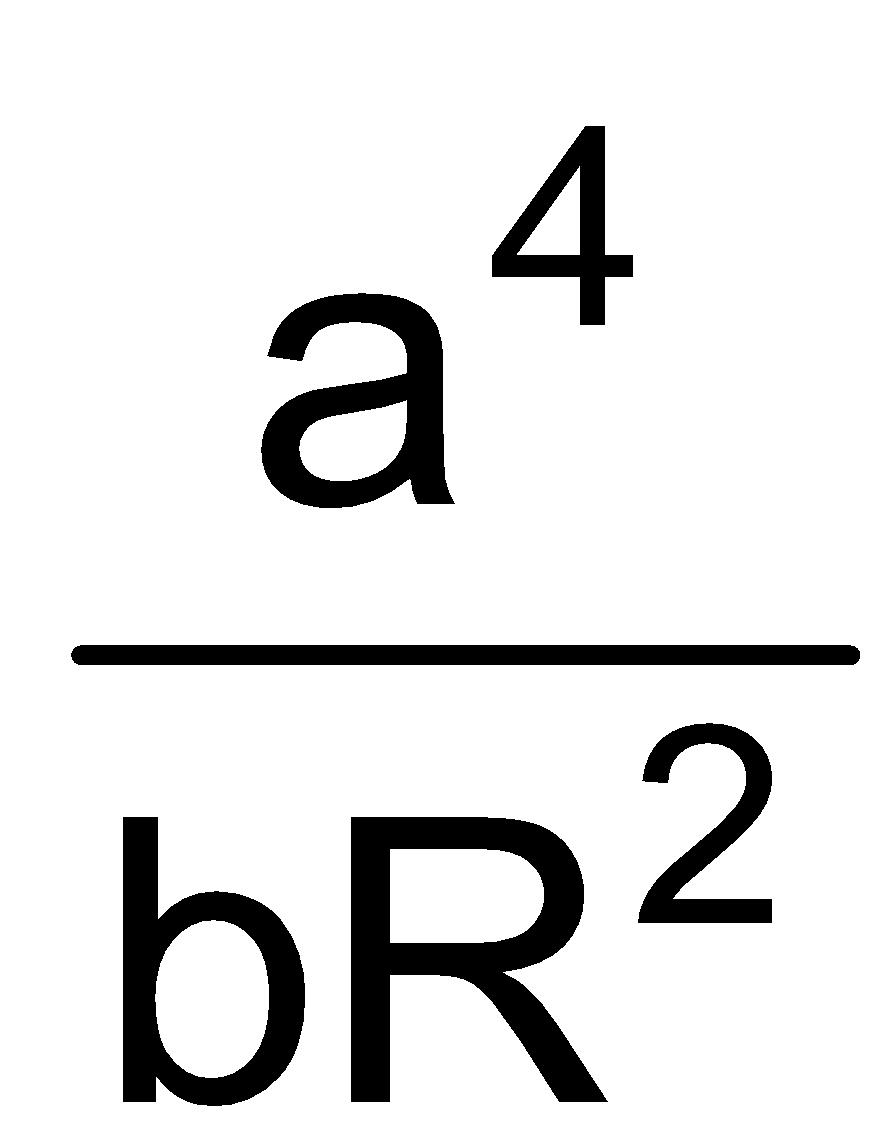
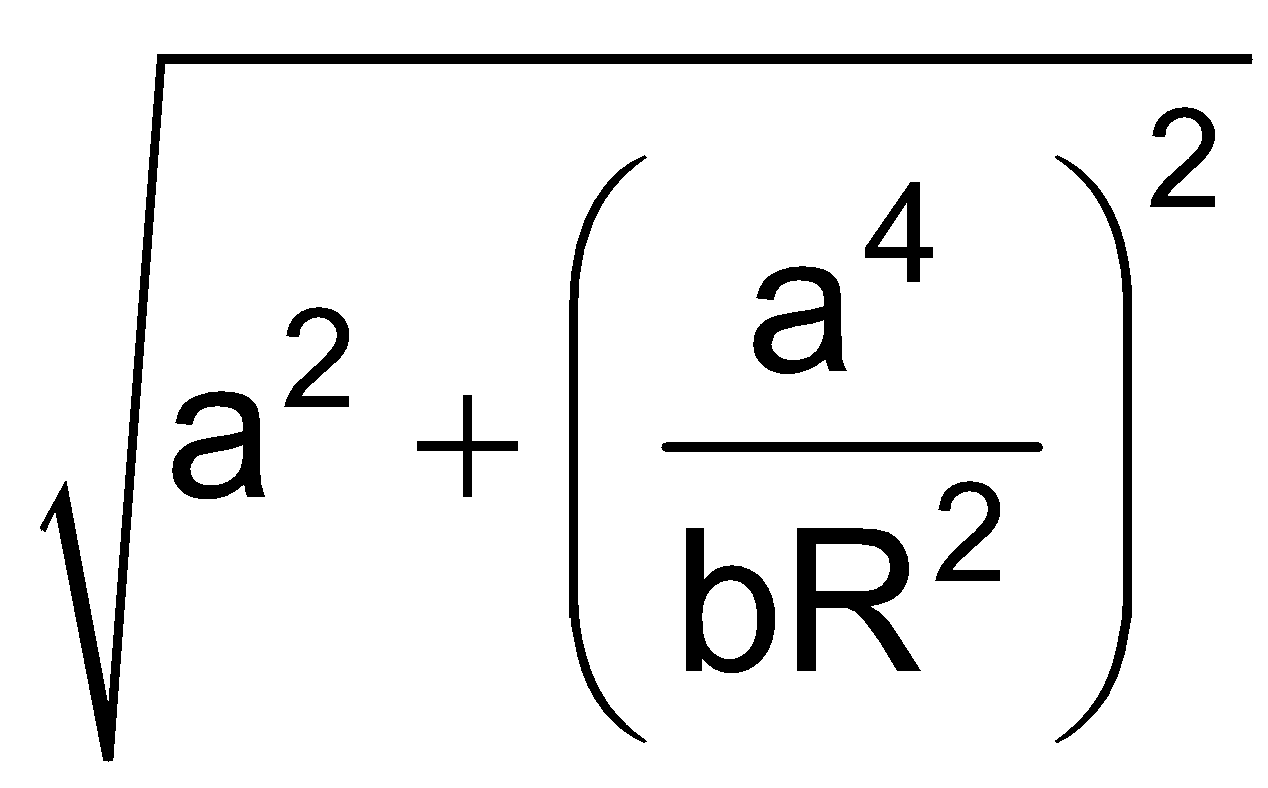
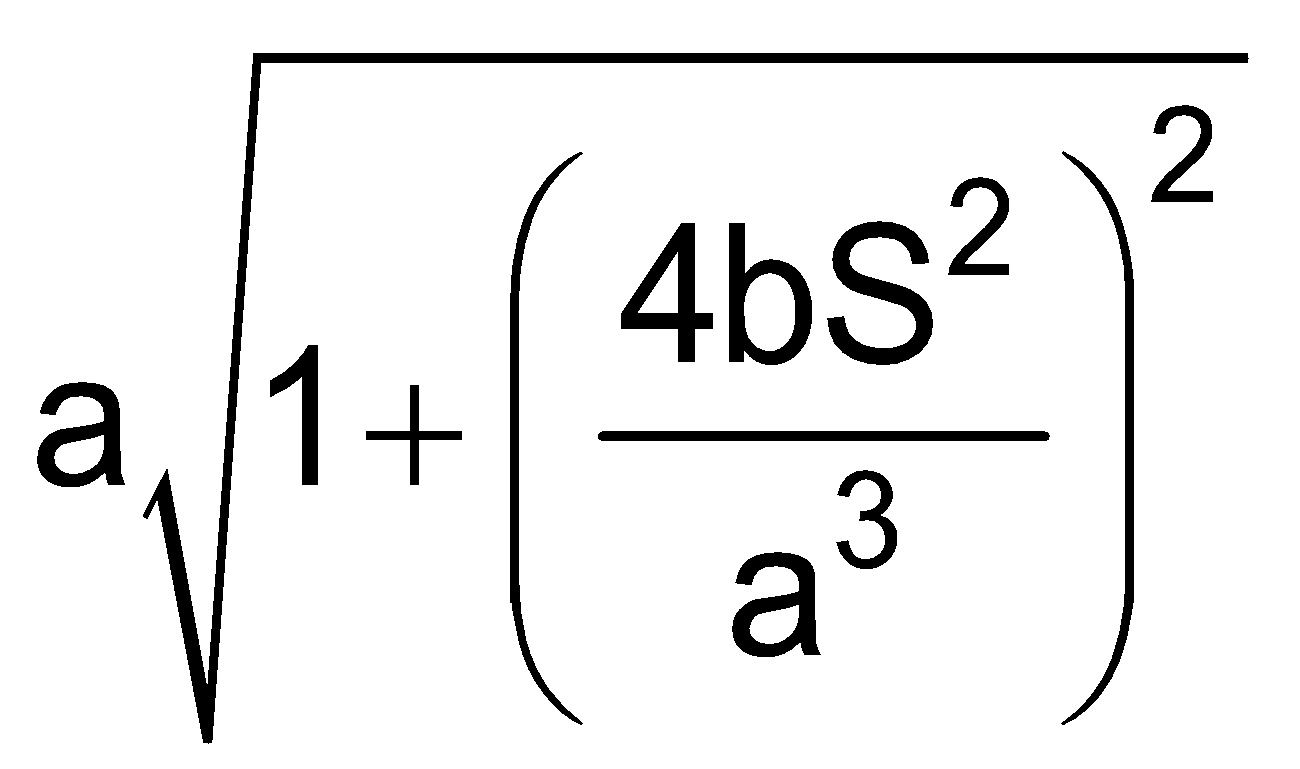
Published by:
CGP EDU Academic Team
Published on: September 12, 2026
A point moves in the plane so that its tangential acceleration
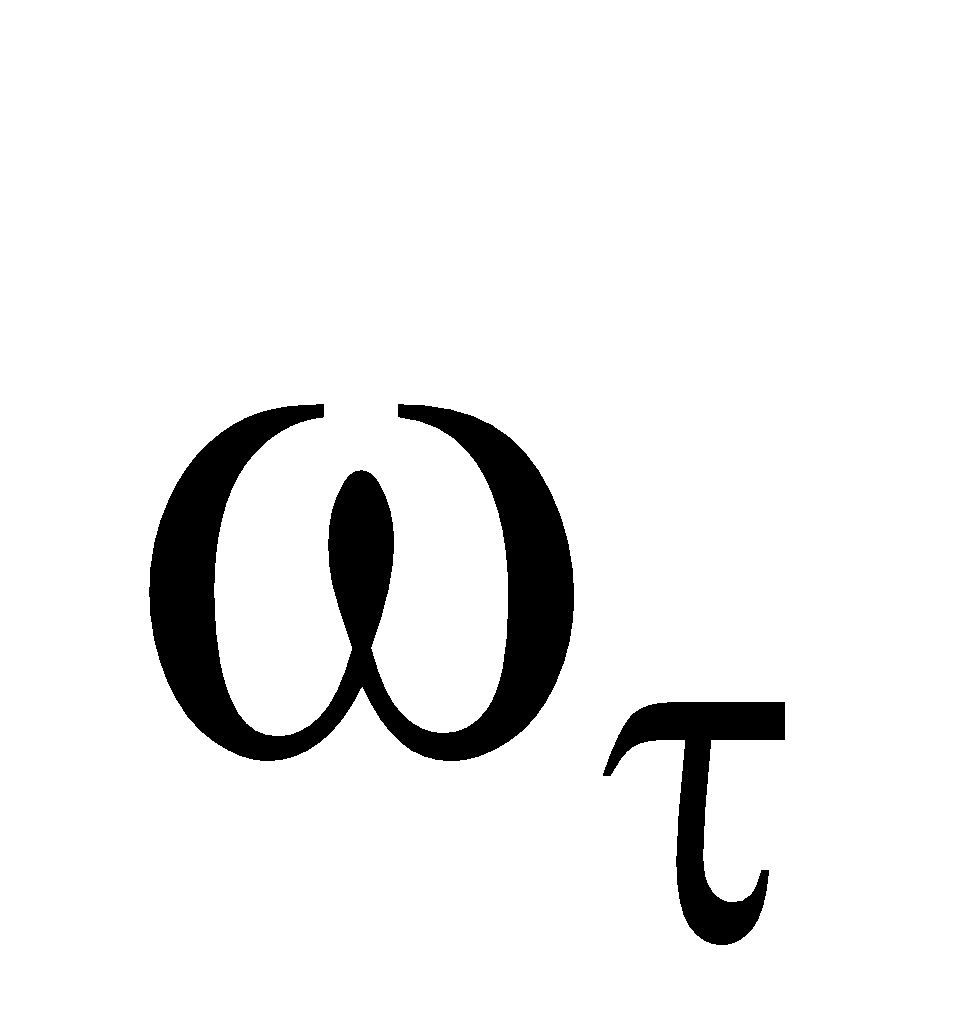
= a, and its normal acceleration
n = bt 4 , where a and b are positive constants, and t is time. At the moment t = 0, the point was at rest. Find how the curvature radius R of the point ’ s trajectory and the total acceleration
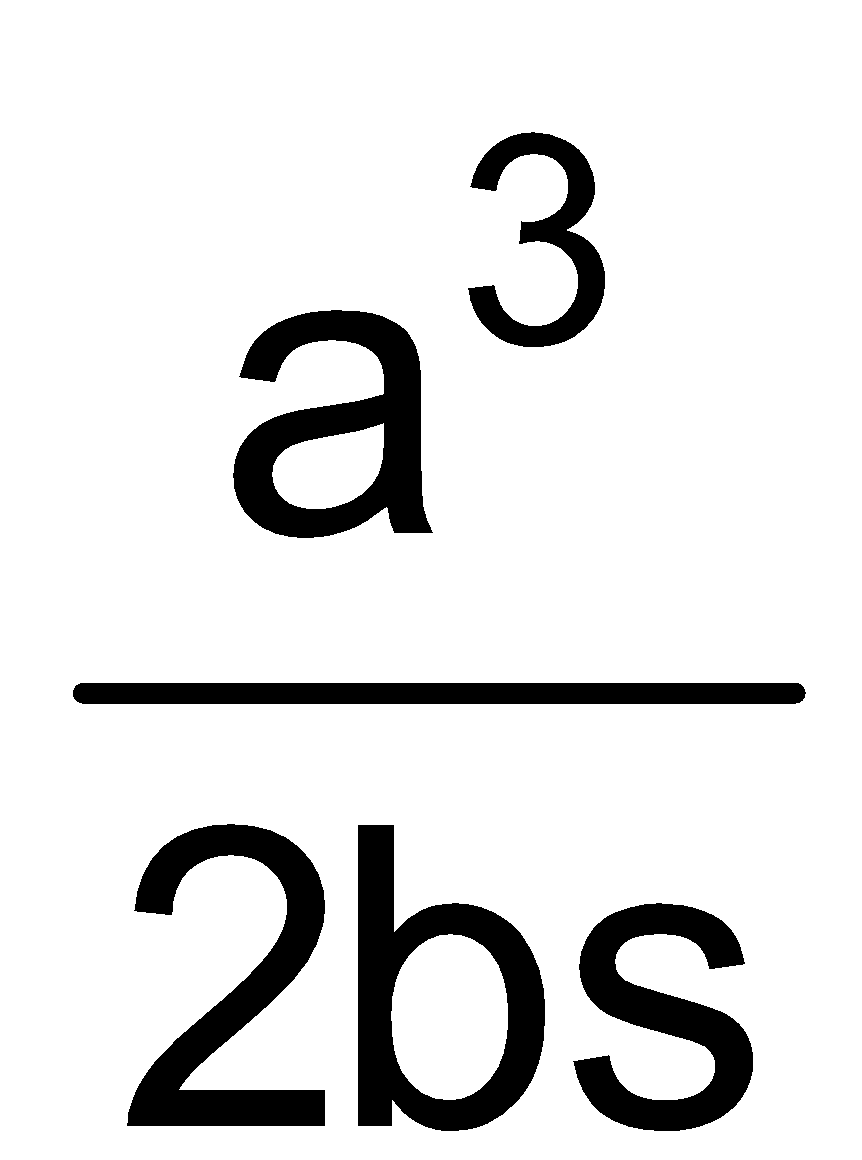
depend on the distance covered s.
Text Solution
Verified by ExpertsThe correct answer is:
A
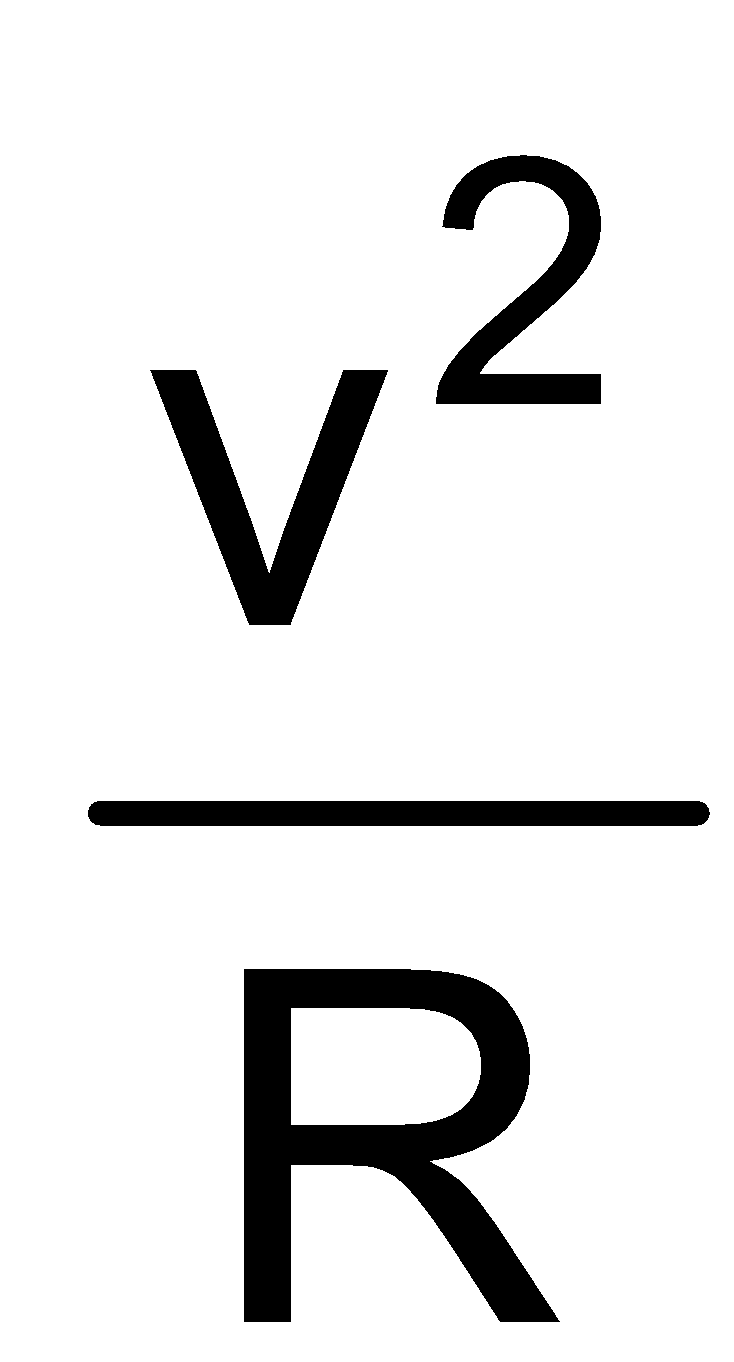
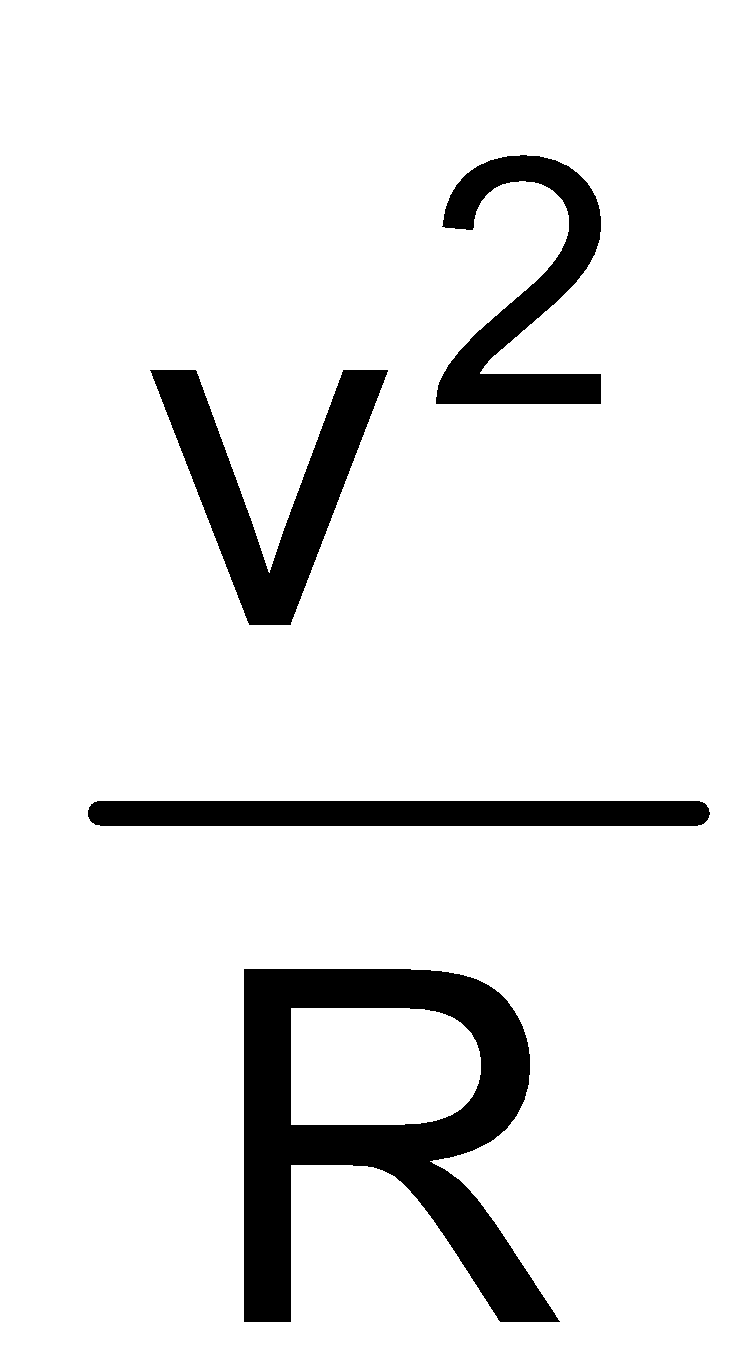
Step 1: For a point in circular motion, the normal acceleration is given by \( n = \frac{v^2}{R} \) and tangential acceleration is given by \( a = \frac{dv}{dt} \).
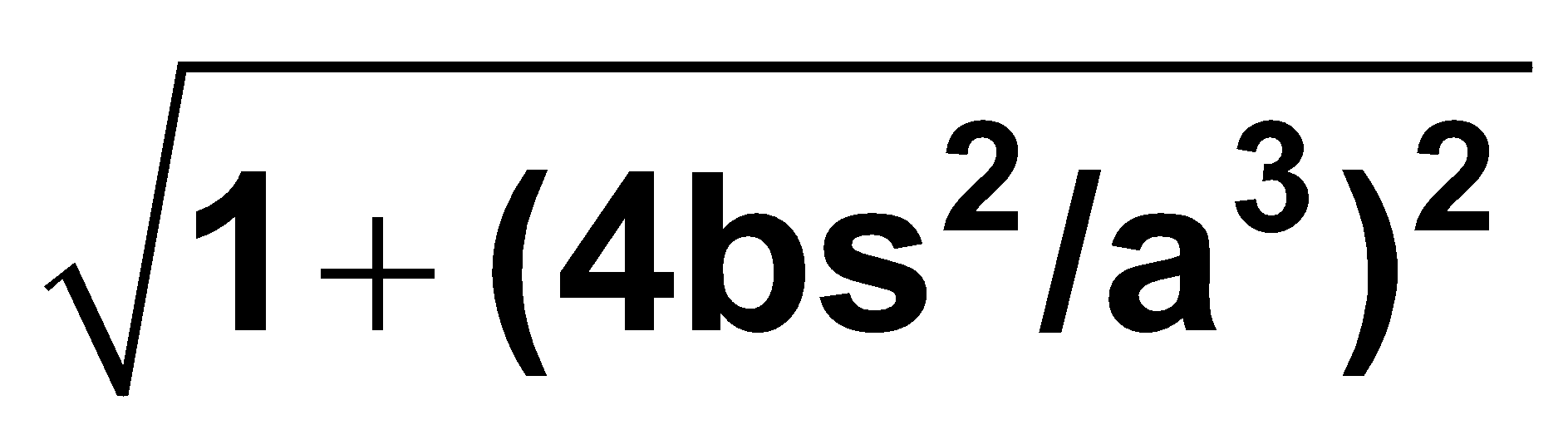
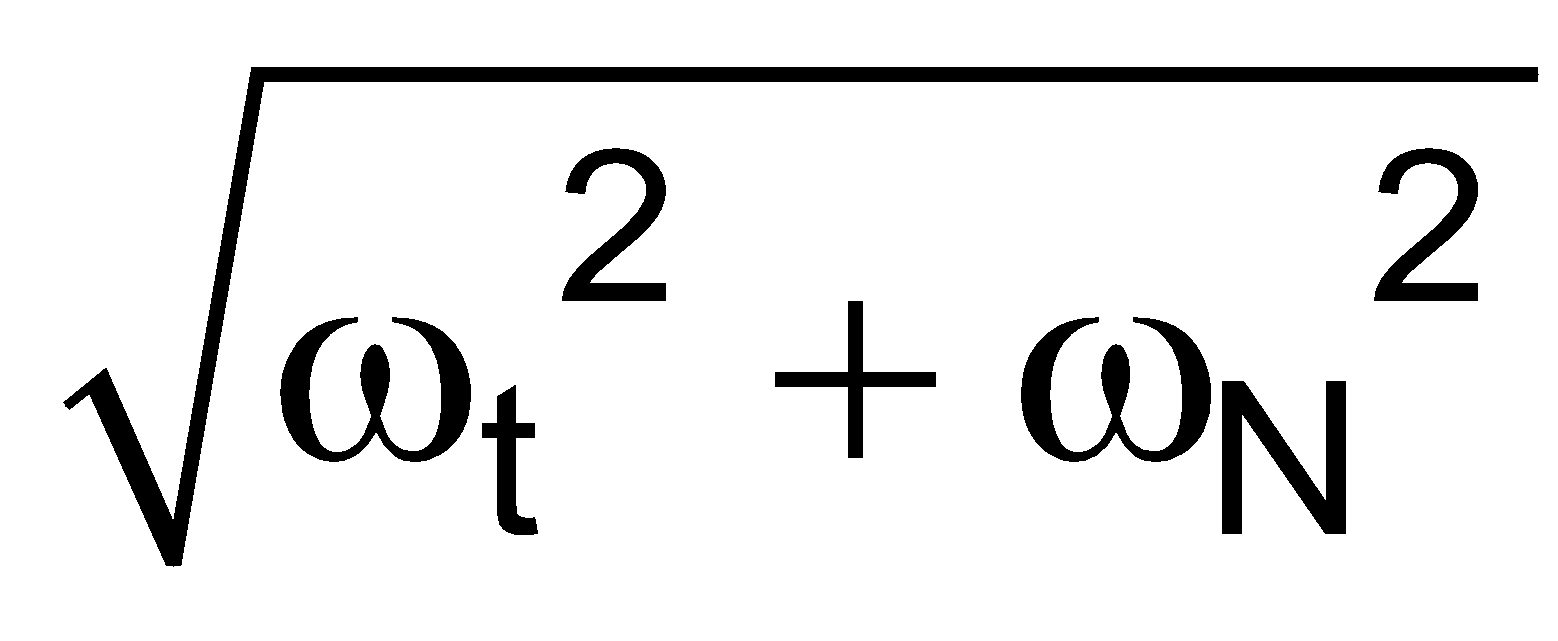
Step 2: We're given that \( a = a \) (constant) and \( n = bt^4 \). Since normal acceleration depends on velocity and the radius of curvature, we can relate this to the tangential acceleration via the equation for total acceleration: \( A = \sqrt{a^2 + n^2} \).
Step 3: Integrate the tangential acceleration to find the velocity function. From \( a = a \), we have \( v(t) = at \) (given that it starts from rest).
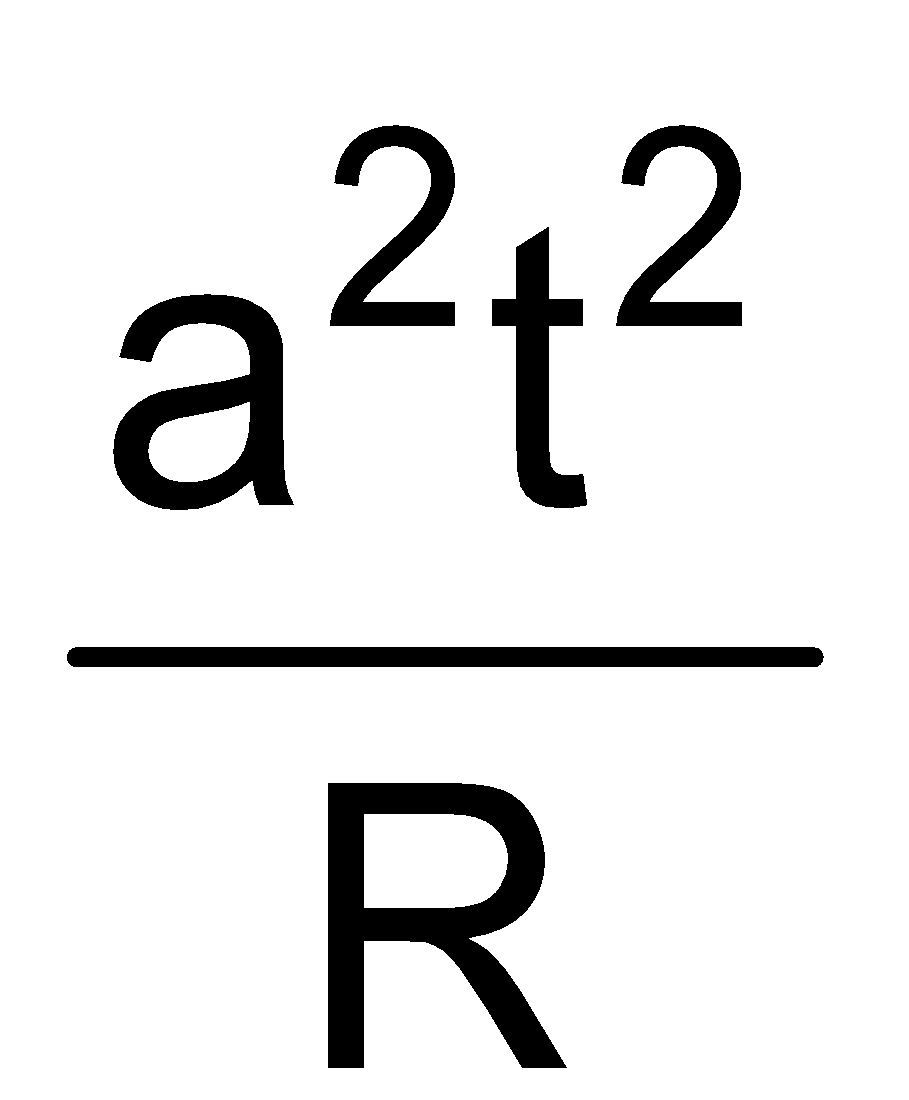
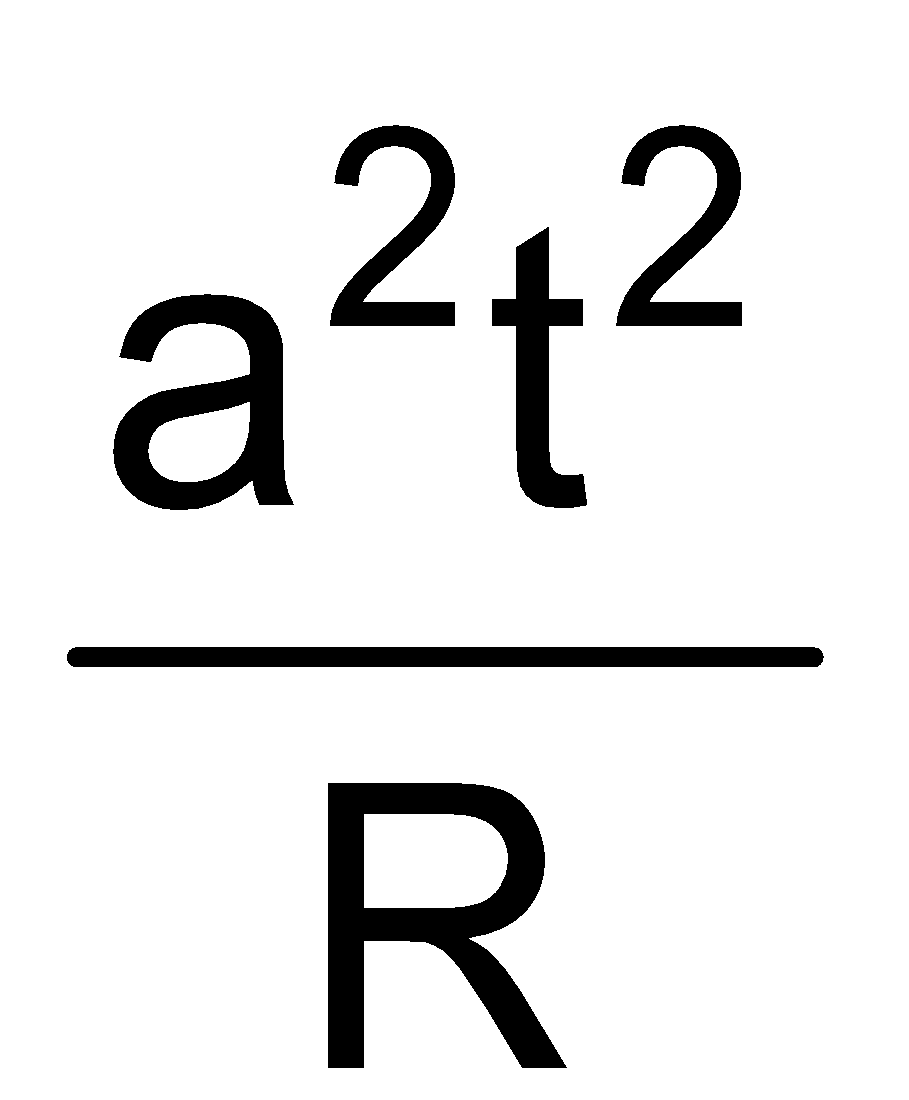
Step 4: Substitute velocity into the normal acceleration and solve for \( R \): \( R = \frac{(at)^2}{bt^4} = \frac{a^2}{b} t^{-2} \).
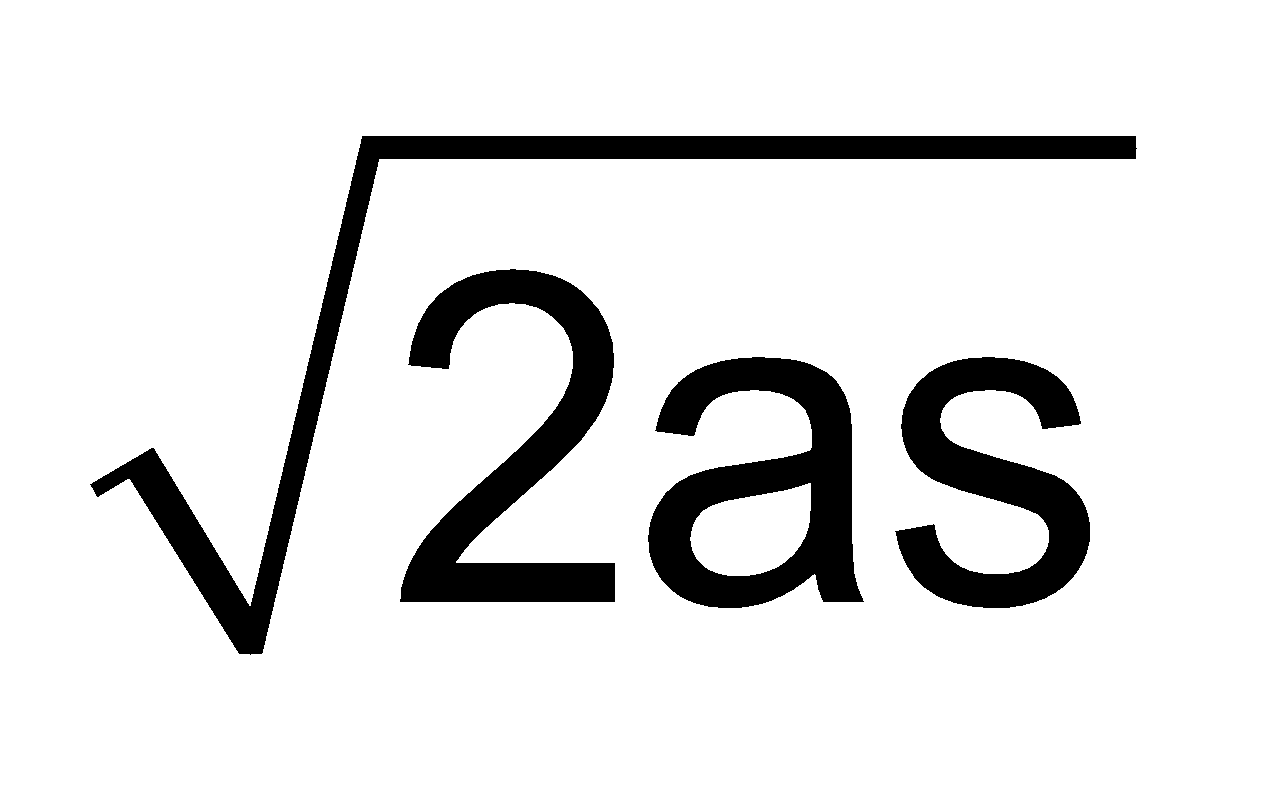
Finally, consider the total acceleration \( A = \sqrt{a^2 + n^2} \) to express it in terms of distance \( s \) which can be obtained from \( s = \int v(t) dt = \int at dt = \frac{1}{2} a t^2 \). Thus, express \( t \) in terms of \( s \): \( t = \sqrt{\frac{2s}{a}} \). Substitute it back to get expressions for both \( R \) and \( A \) in terms of \( s \).
Therefore, the answers will vary with distance covered \( s \), and thus option A (as suggested) captures the dependency.
Step 2: We're given that \( a = a \) (constant) and \( n = bt^4 \). Since normal acceleration depends on velocity and the radius of curvature, we can relate this to the tangential acceleration via the equation for total acceleration: \( A = \sqrt{a^2 + n^2} \).
Step 3: Integrate the tangential acceleration to find the velocity function. From \( a = a \), we have \( v(t) = at \) (given that it starts from rest).
Step 4: Substitute velocity into the normal acceleration and solve for \( R \): \( R = \frac{(at)^2}{bt^4} = \frac{a^2}{b} t^{-2} \).
Finally, consider the total acceleration \( A = \sqrt{a^2 + n^2} \) to express it in terms of distance \( s \) which can be obtained from \( s = \int v(t) dt = \int at dt = \frac{1}{2} a t^2 \). Thus, express \( t \) in terms of \( s \): \( t = \sqrt{\frac{2s}{a}} \). Substitute it back to get expressions for both \( R \) and \( A \) in terms of \( s \).
Therefore, the answers will vary with distance covered \( s \), and thus option A (as suggested) captures the dependency.
Prepare Smarter with CGP Edu
Get practice questions, solutions, and test series in one place.
Write a Review
Share your experience with this question and solution.
Commentary
Send your comment, doubt, correction, or feedback to admin.
Similar Questions
Explore conceptually related problems
A man swings a stone tied to a string of length in a vertical plane. The string remains stretched …
The driver of a car traveling at velocity v suddenly sees a broad wall in front of him at distance …
To anticipate the dip and hump in the road the driver of a car applies her brakes to produce a unif…
A certain rocket maintains a horizontal attitude of its axis during the powered phase of its fligh…
The turning of a car must be produced by an external force acting at an angle to the line of motion…
A body slips down a chute which is in the form of a loop as in fig. It starts from the lowest admis…