A particle moving along x-axis has acceleration f, at time t, given by f = f 0 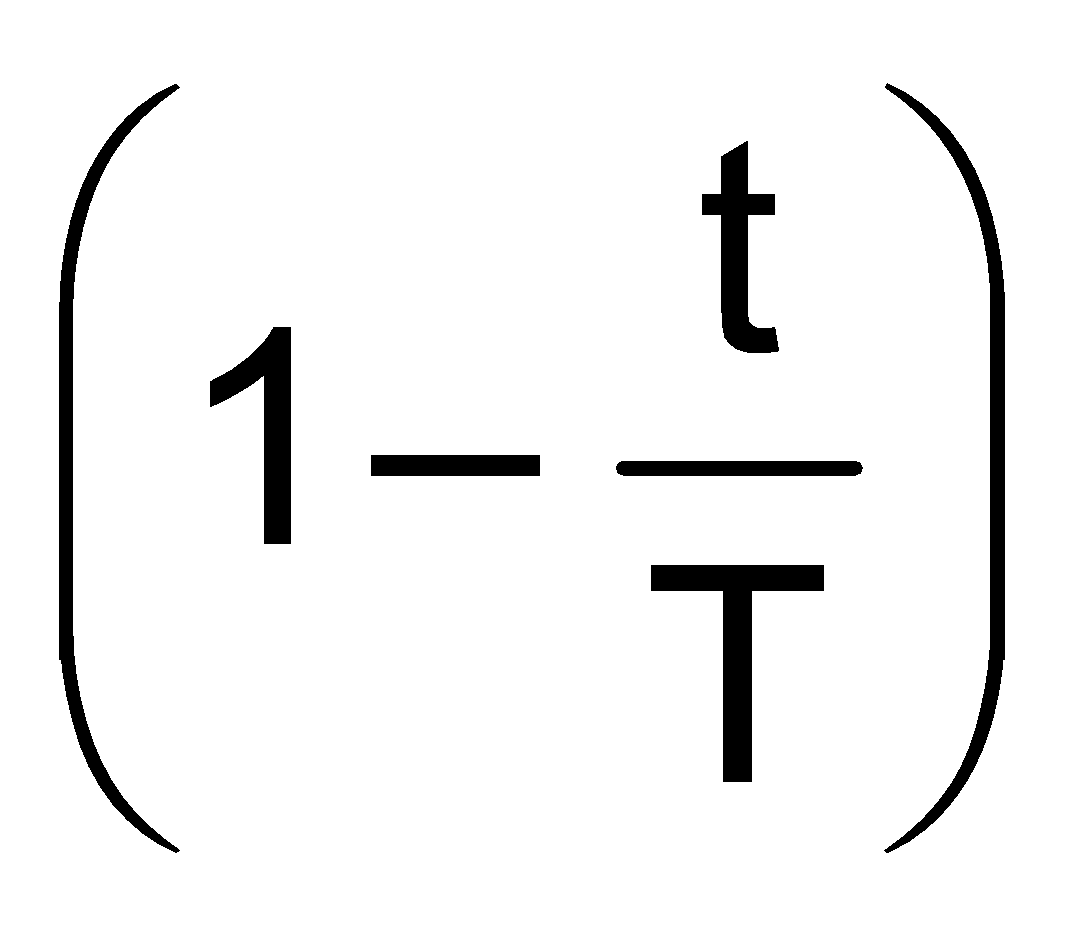 , where f 0 and T are constants. The particle at t = 0 has zero velocity, the instant when f = 0, the particle's velocity (v x ) will be:
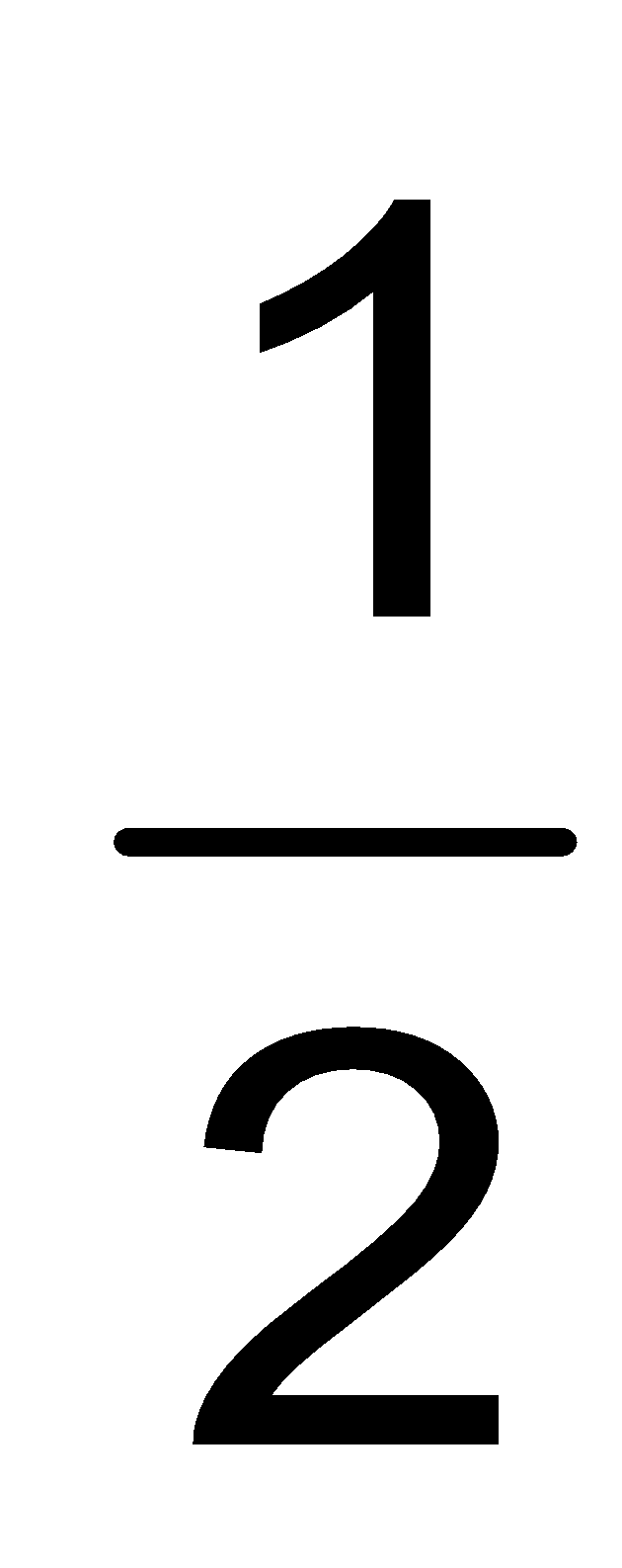 f 0 T 2
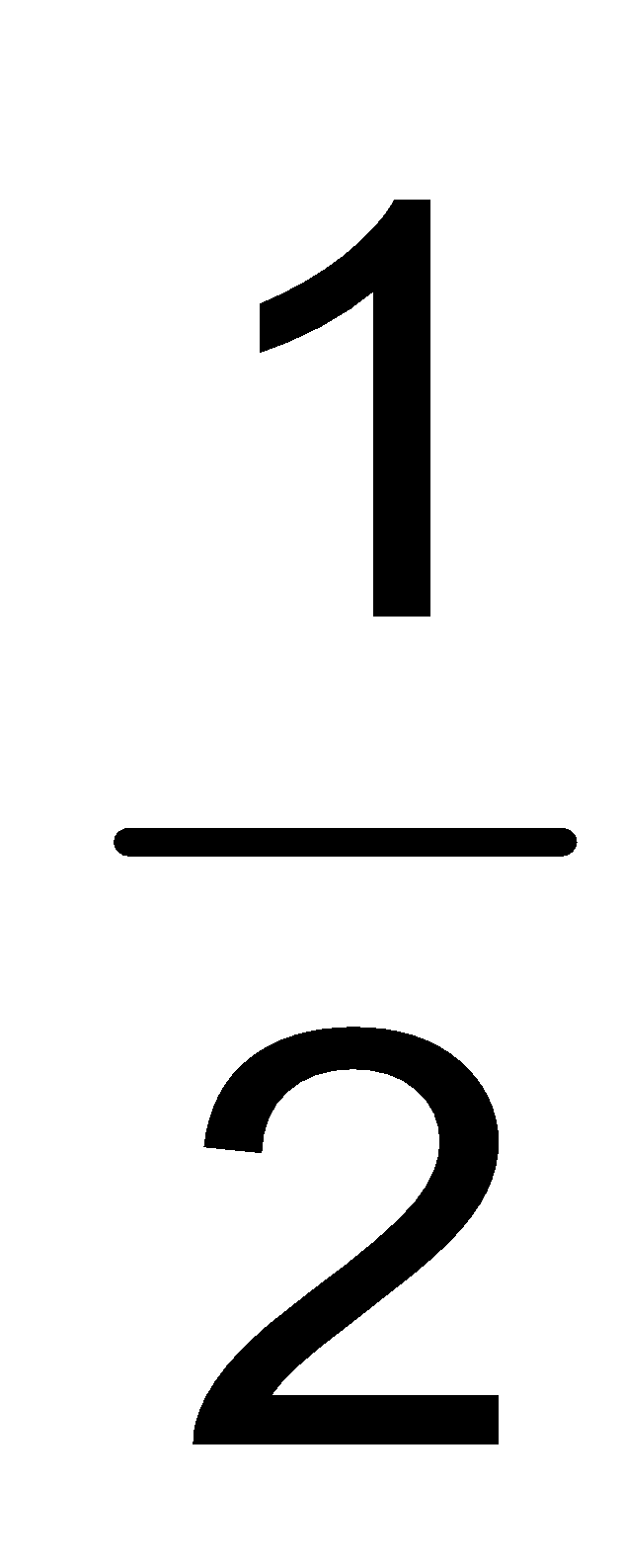 f 0 T
f 0 T
Text Solution
Verified by ExpertsD
Acceleration
f = f 0 
or f = 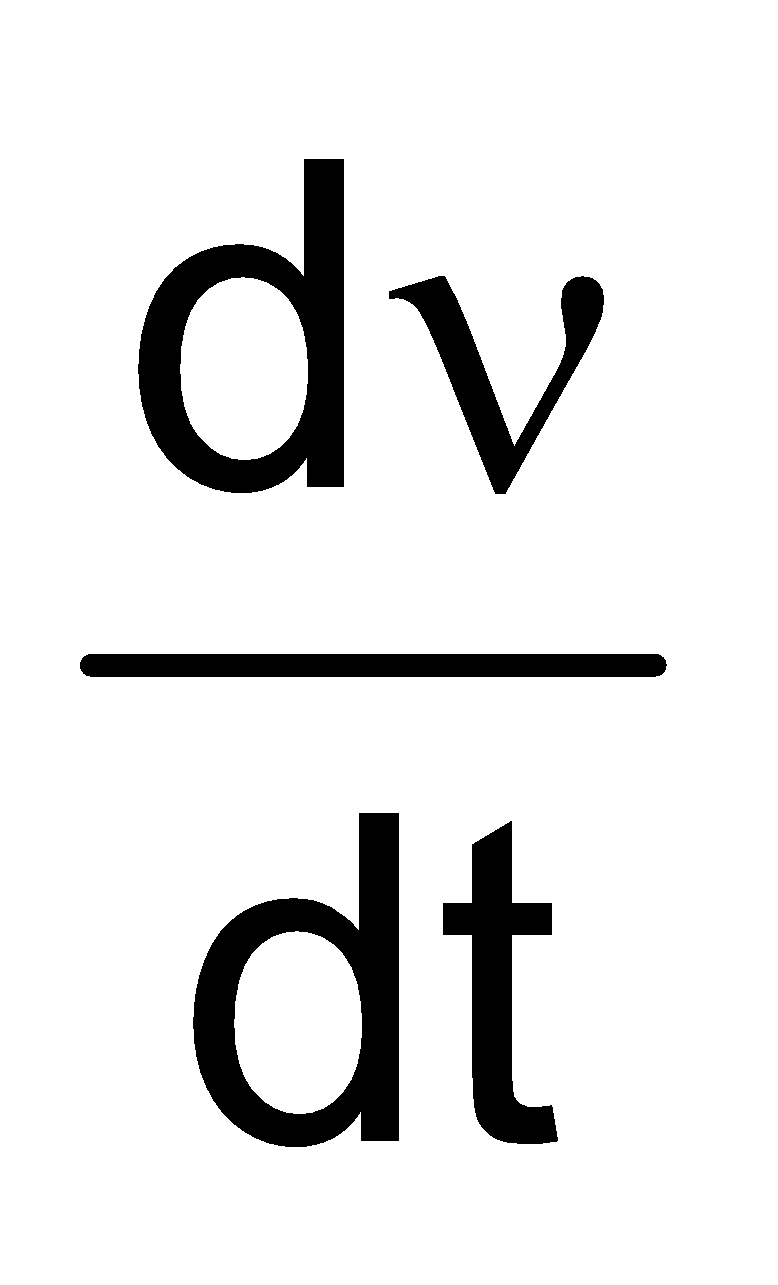 = f 0
= f 0 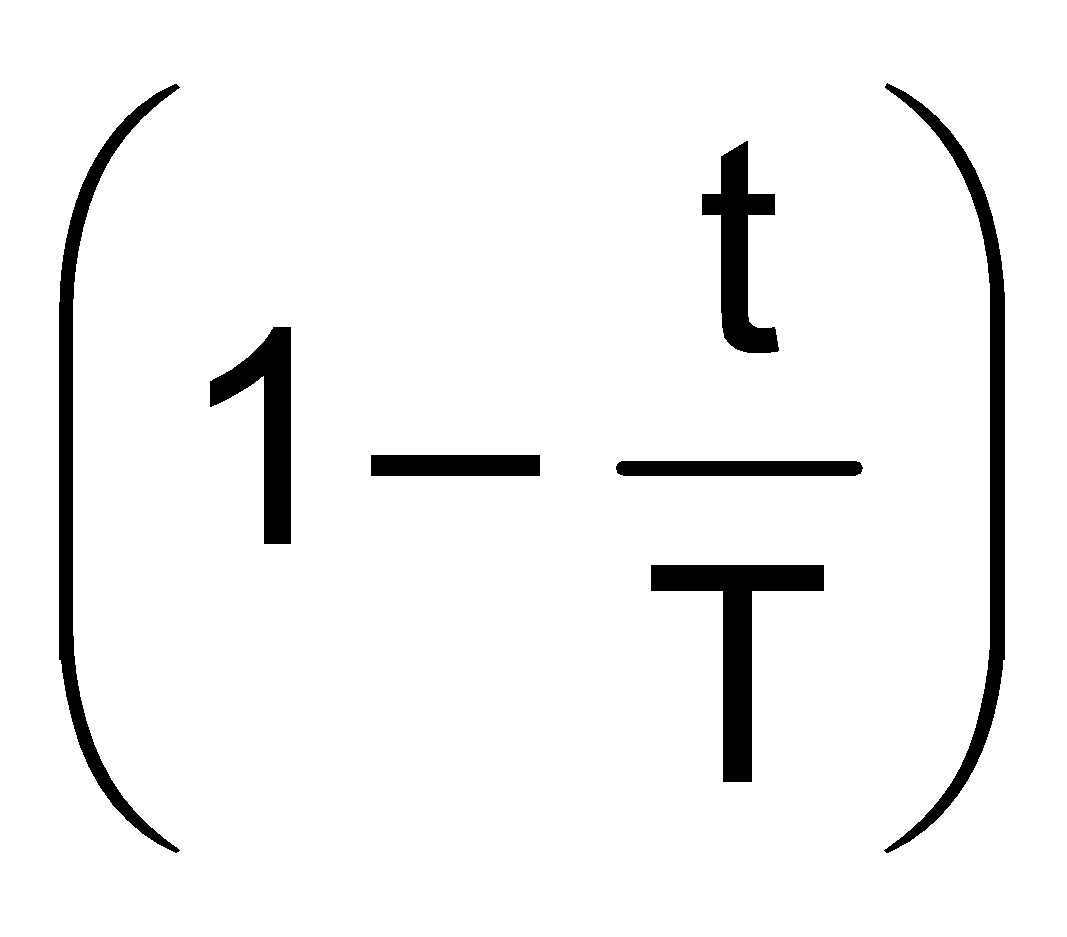
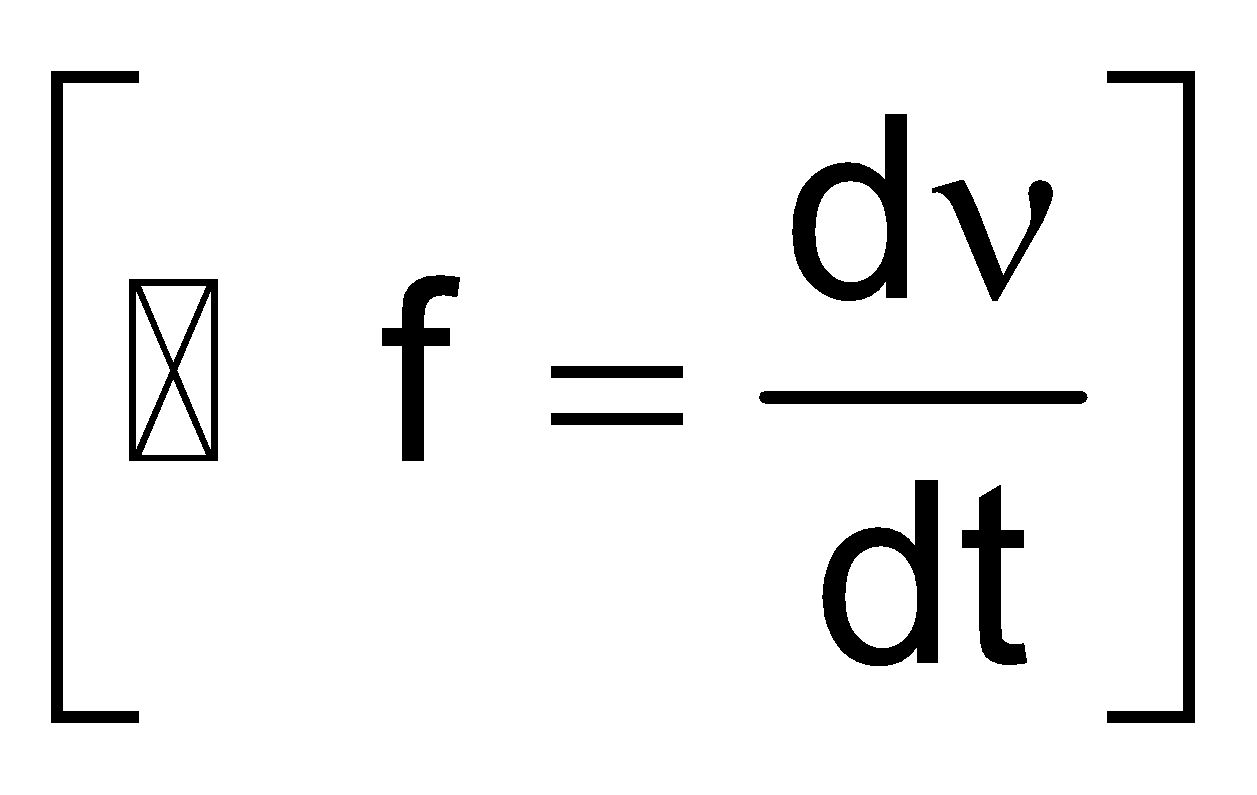
or dv = f 0 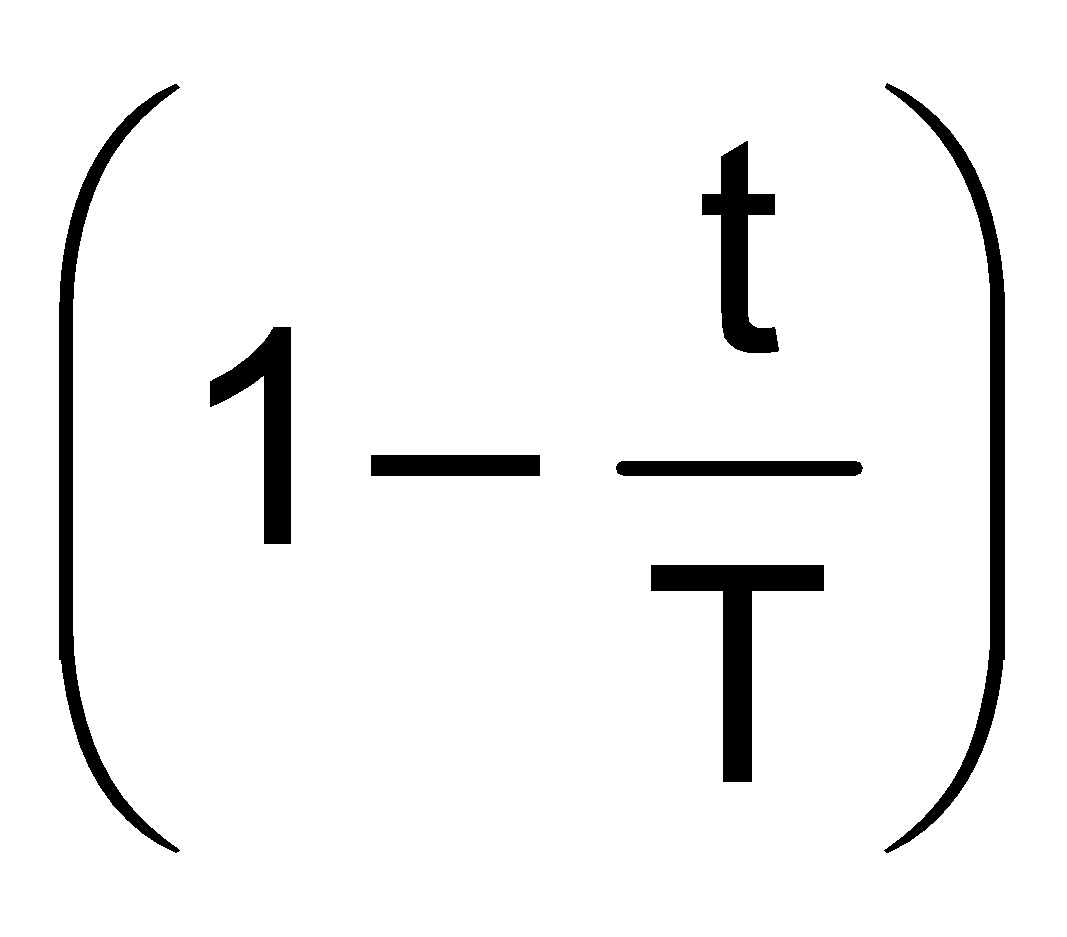 dt … (i)
Integrating Eq. (i) on both sides,
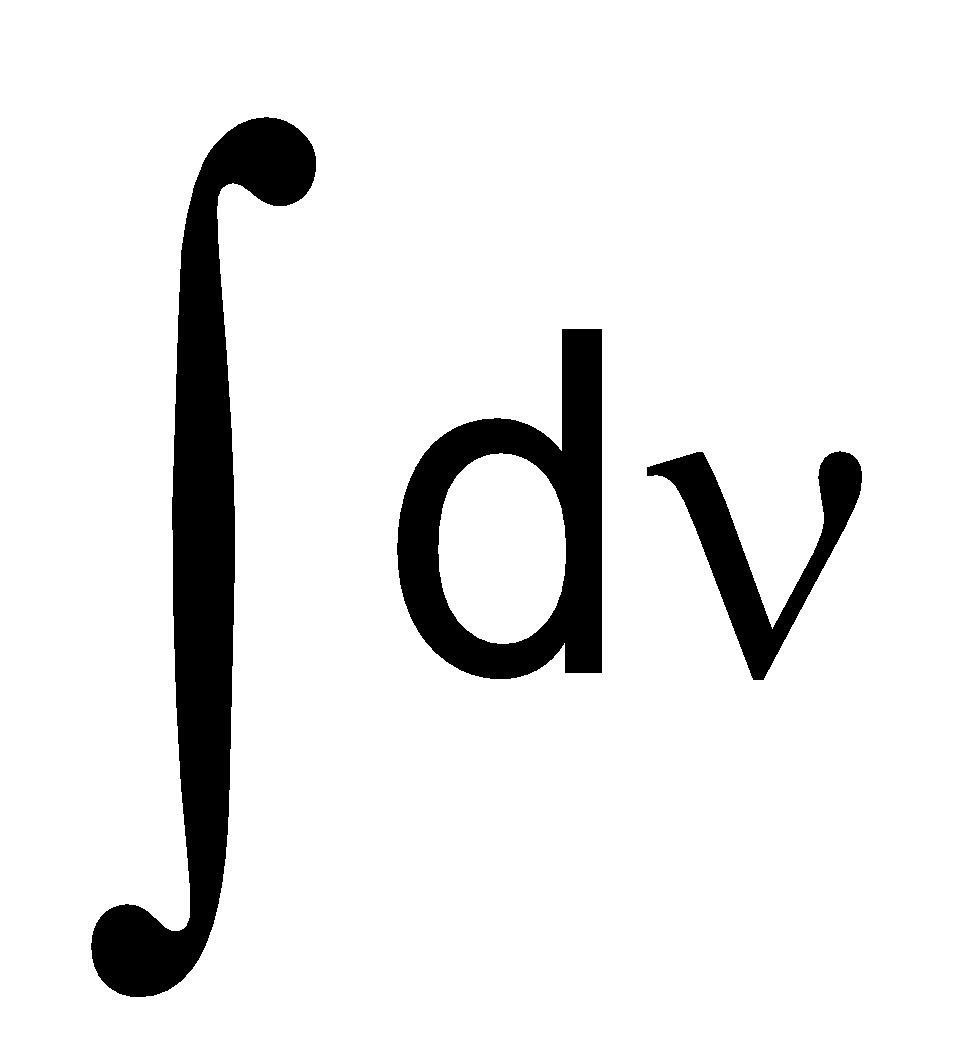 =
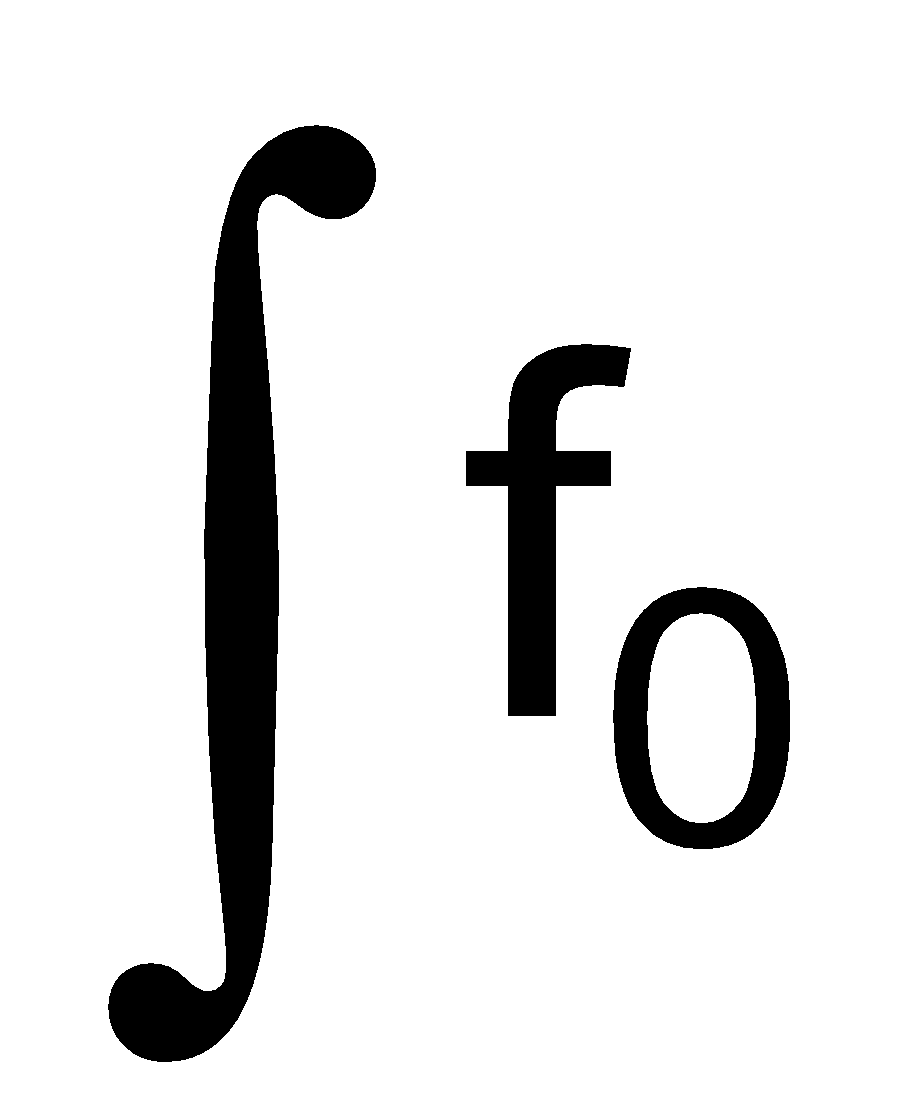
= 
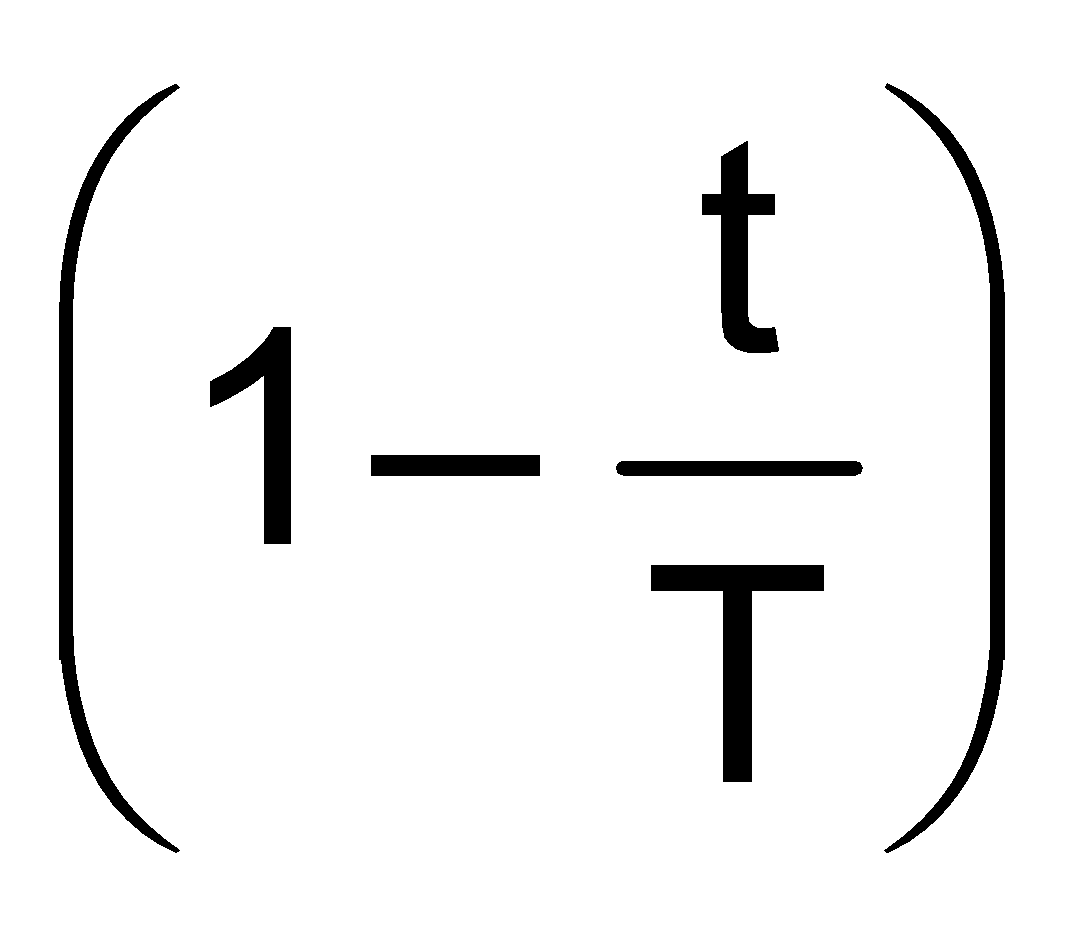 dt
dt
∴ v = f 0 t – 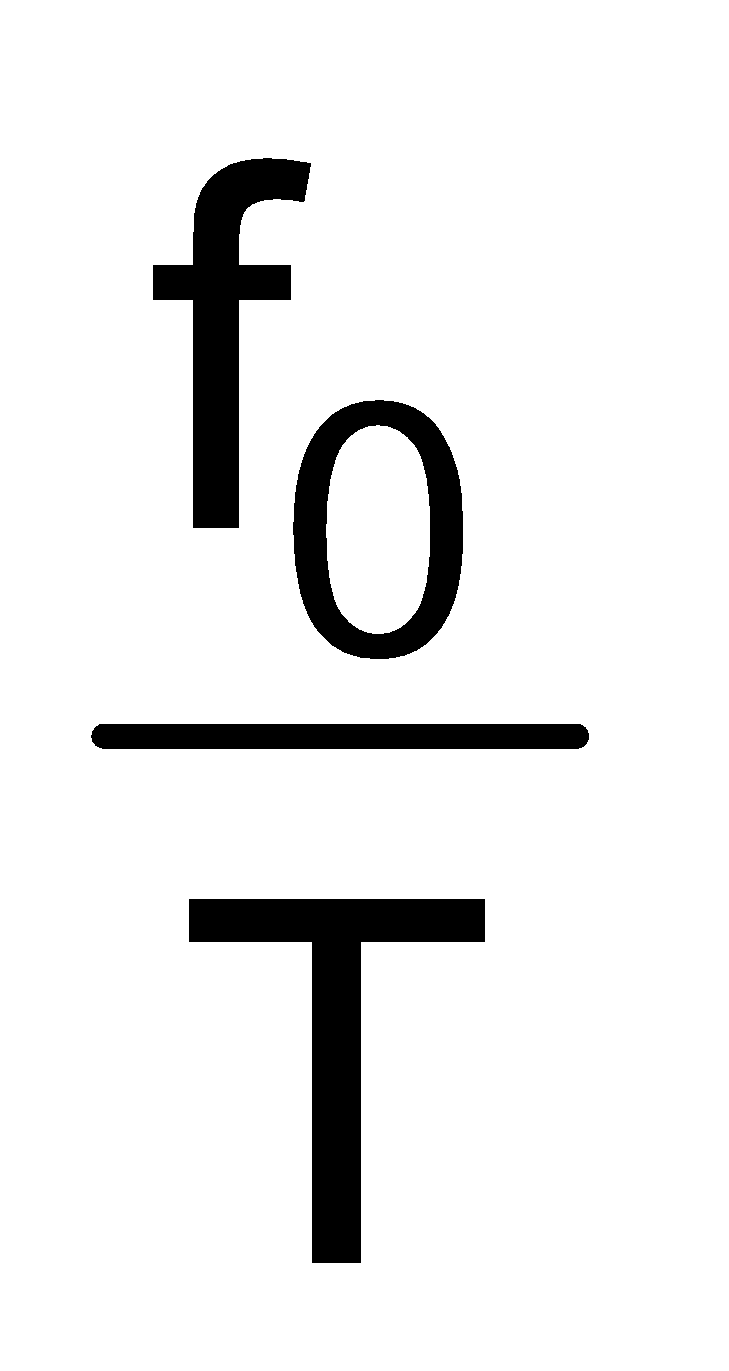 .
. 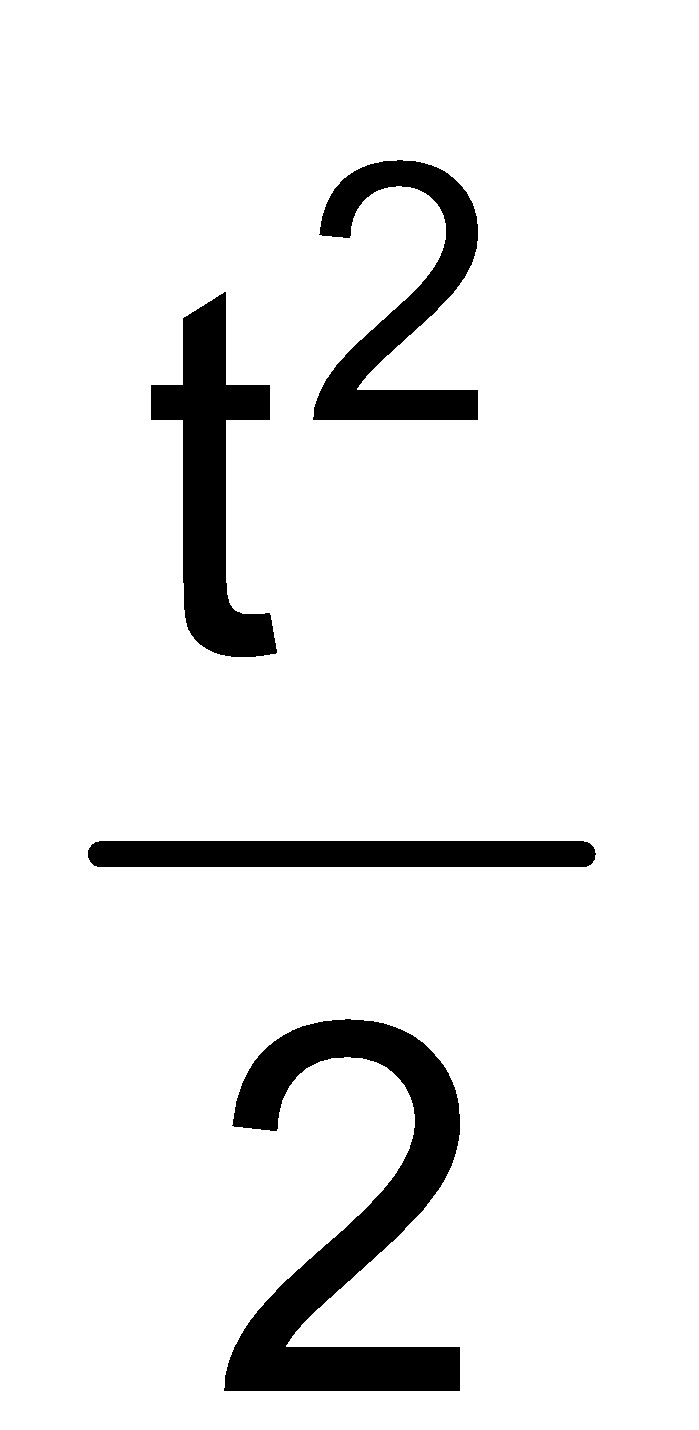 + C … (ii)
where C is constant of integration.
Now, when t = 0, v = 0.
similarly from Eq.(ii), we get C = 0
∴ v = f 0 t – 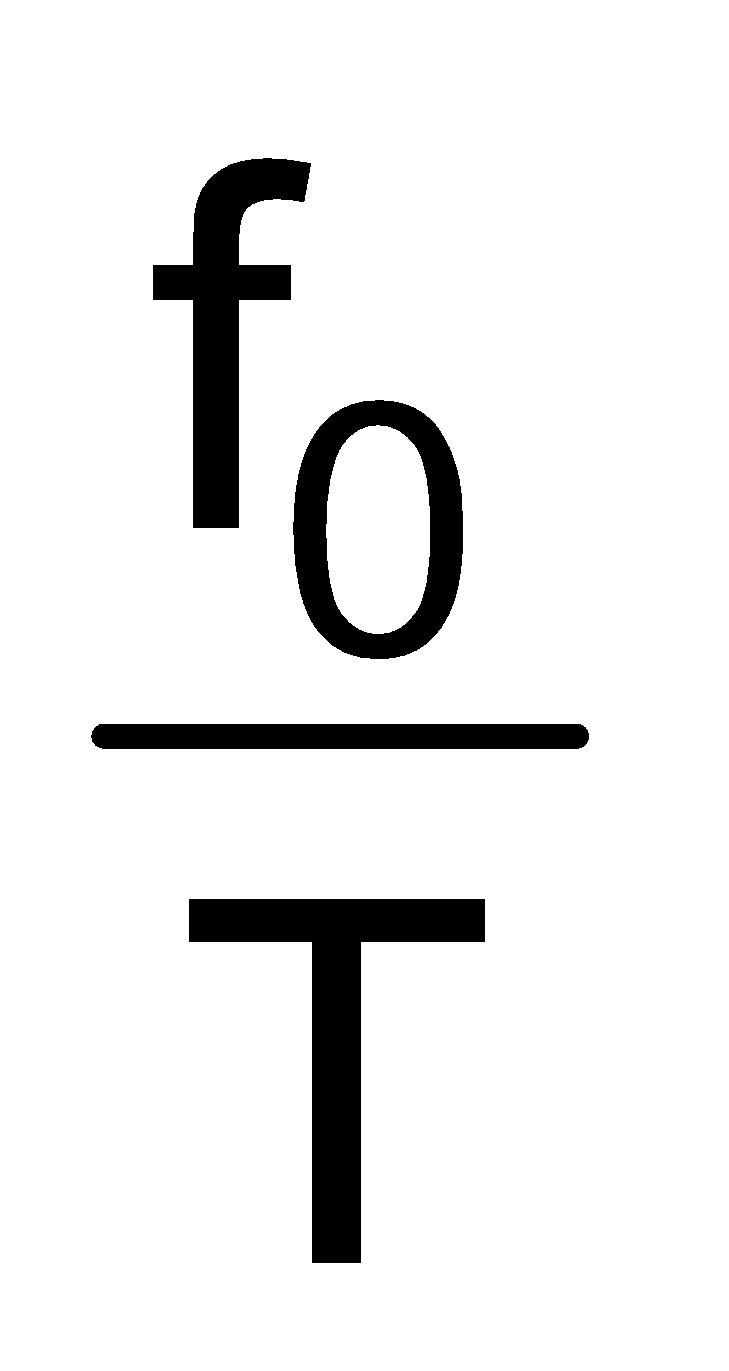 .
. 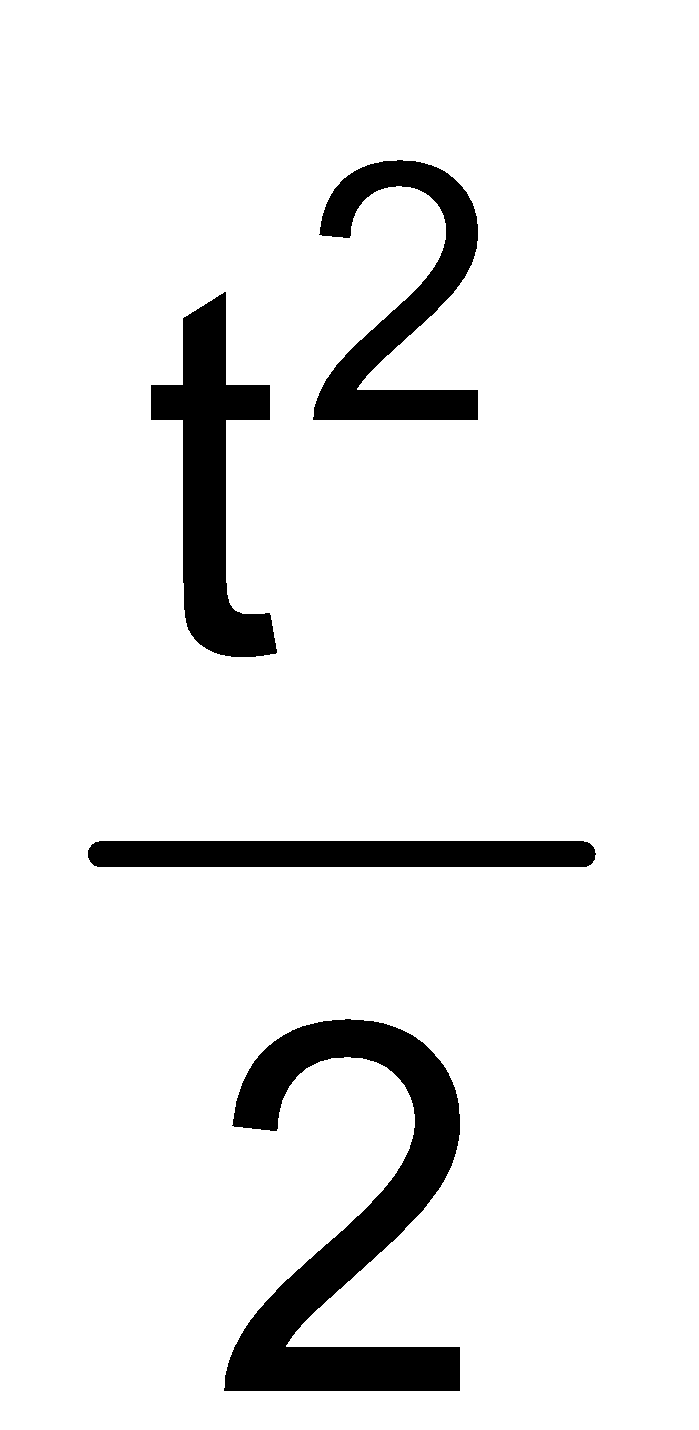 …(iii)
As f = f 0 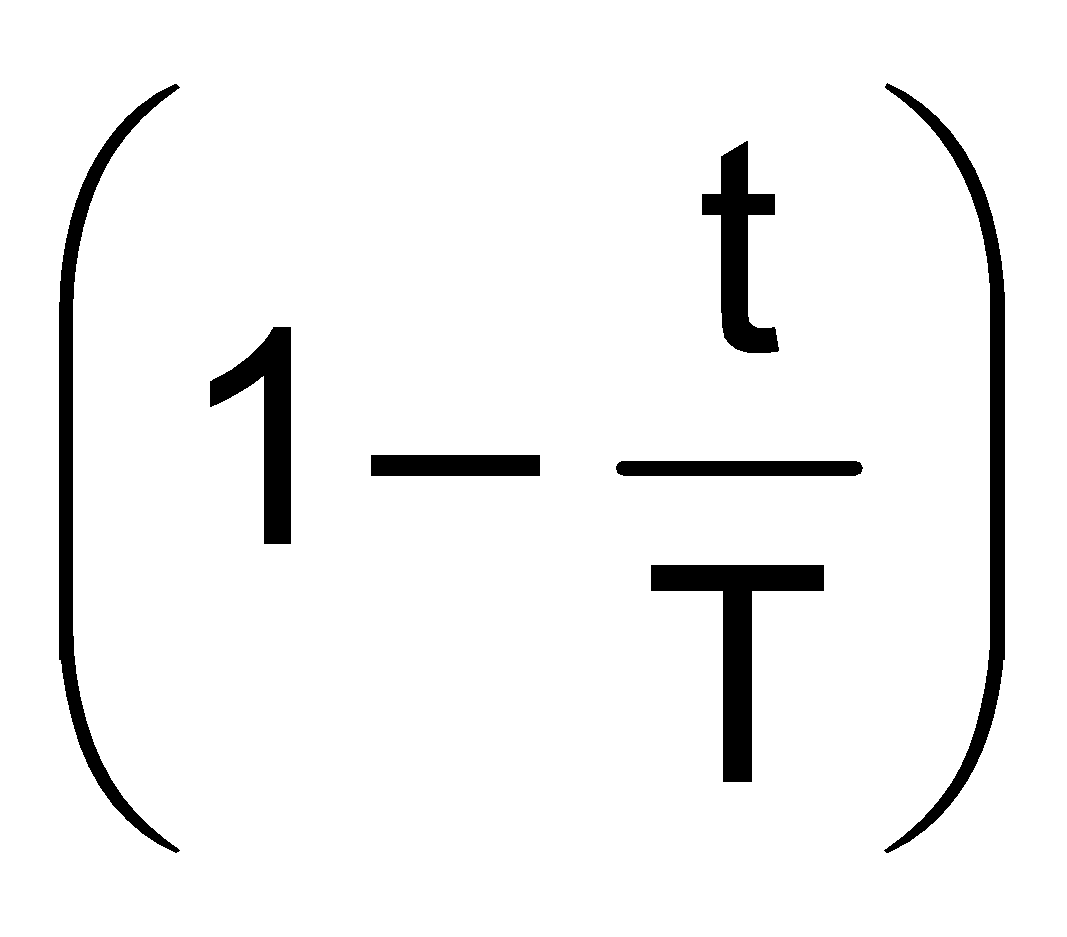
when f = 0, 0 = f 0 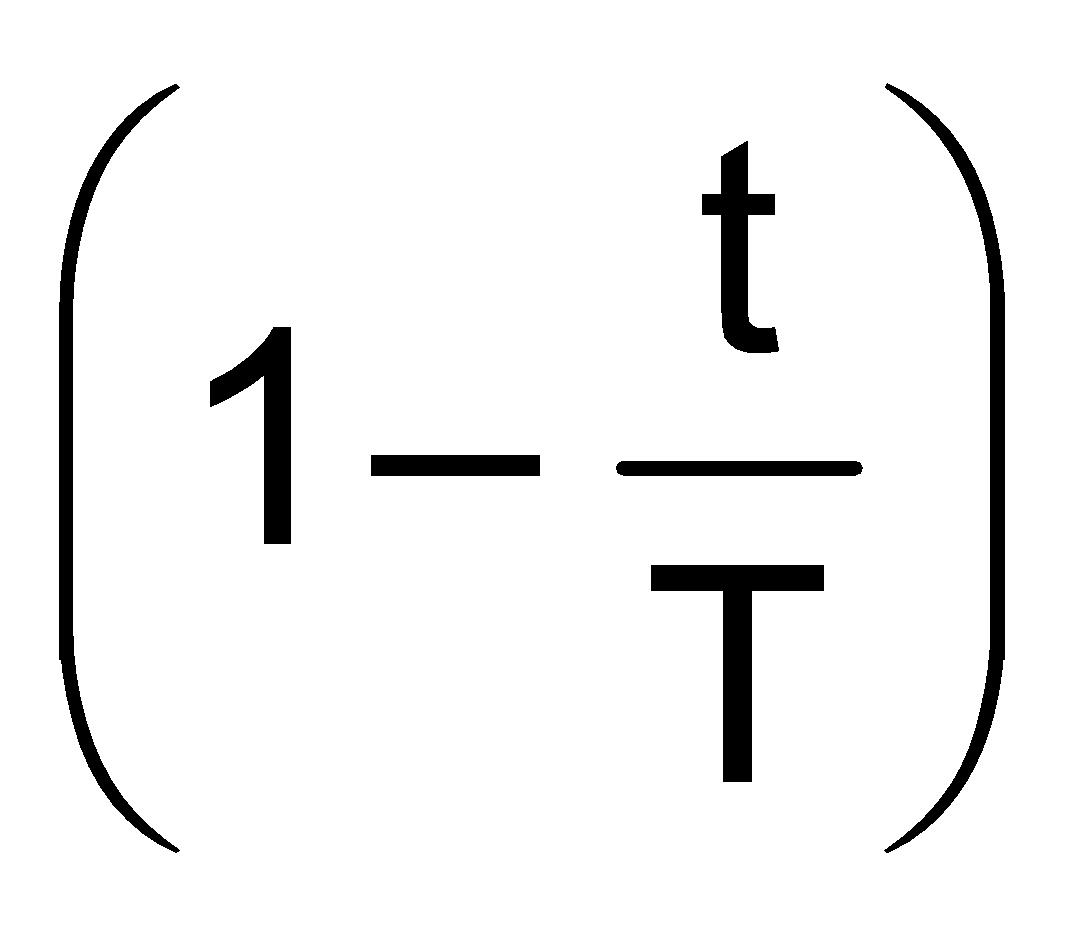
Substituting, t = T in Eq. (iii), then velocity
v x = f 0 T – 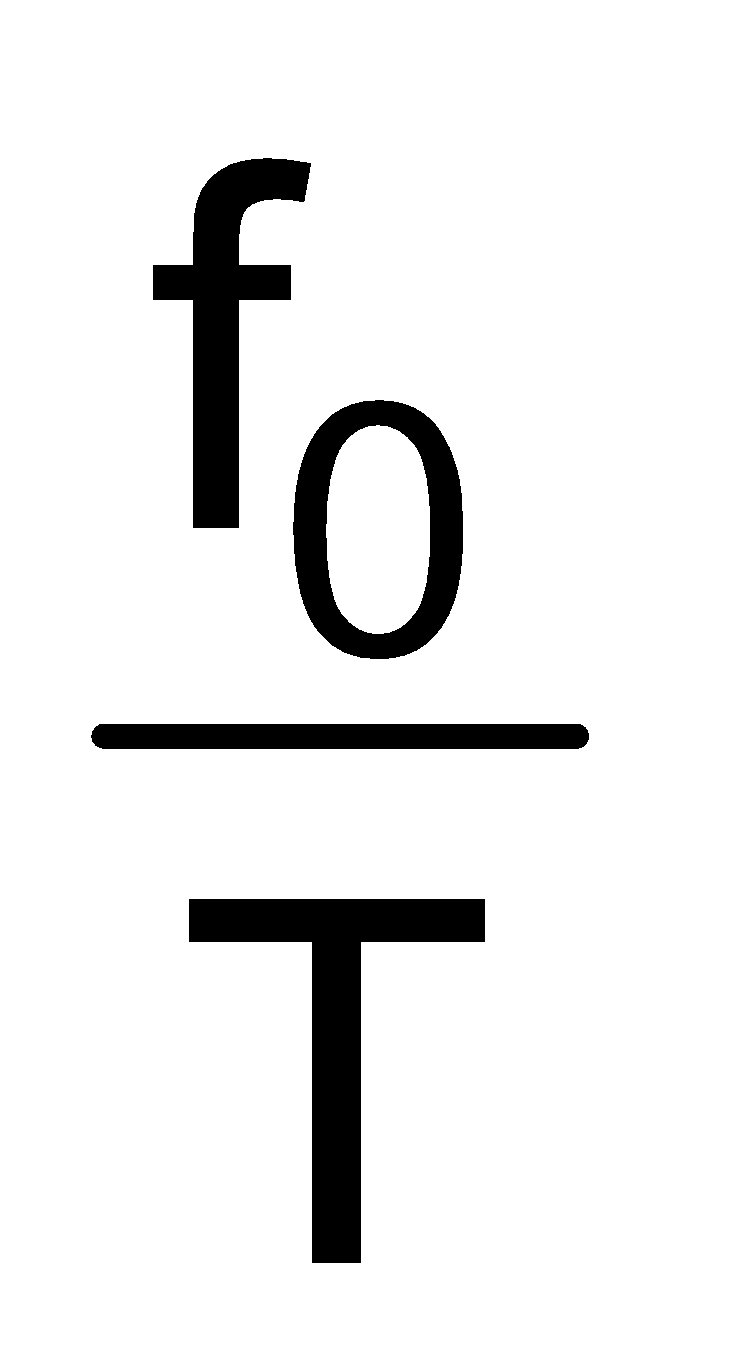 .
. 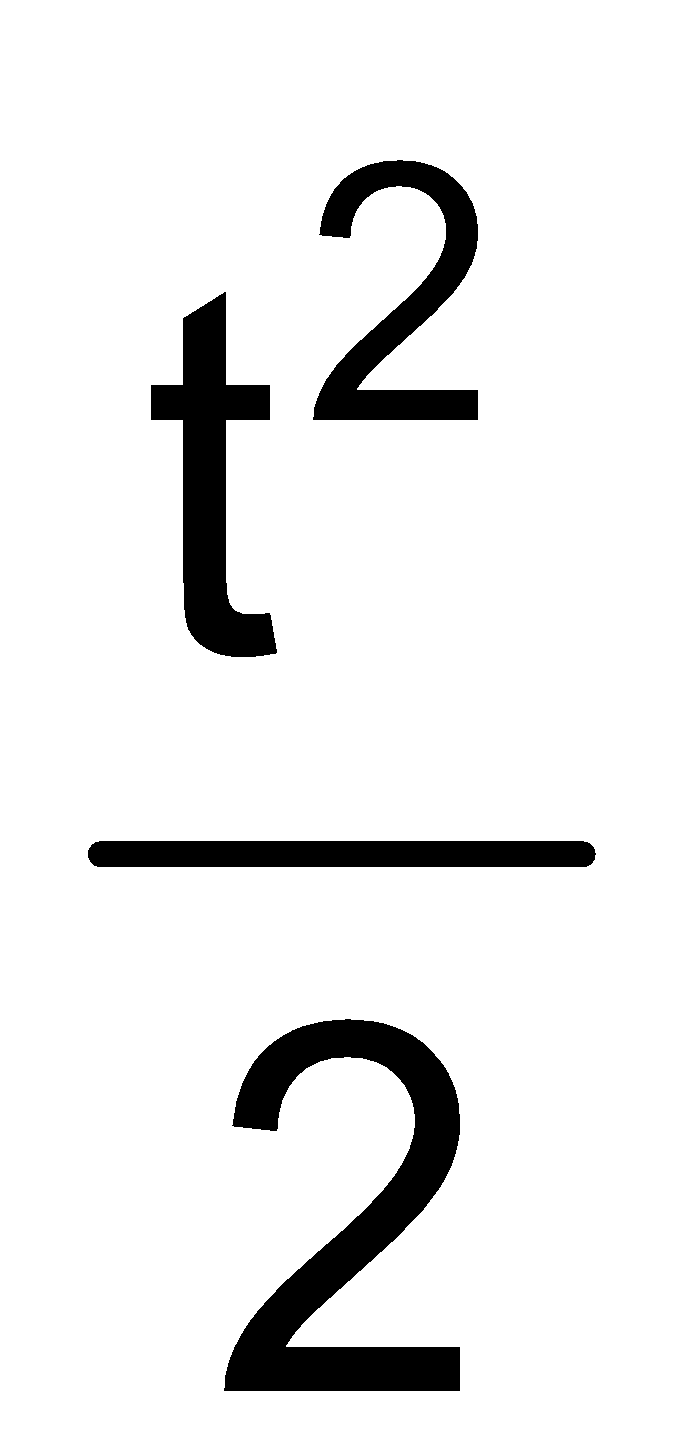 = f 0 T –
 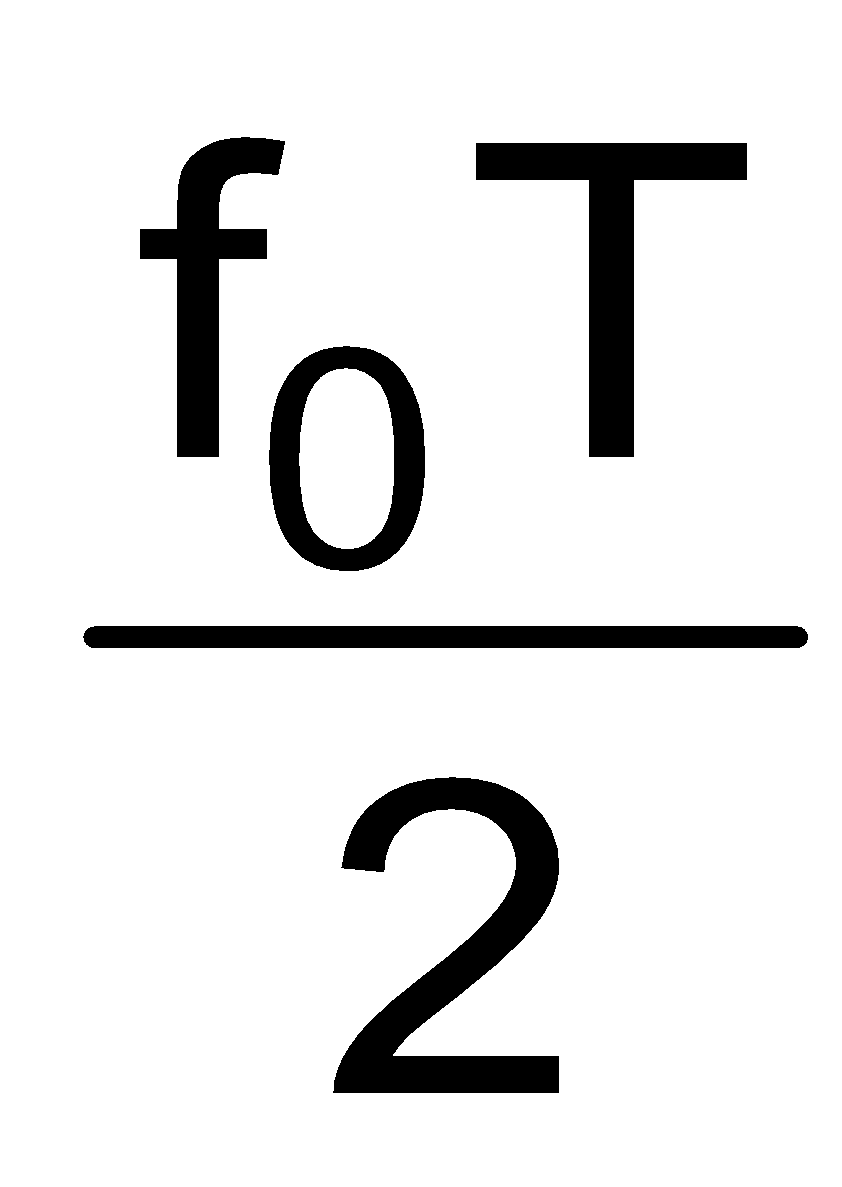 =
= 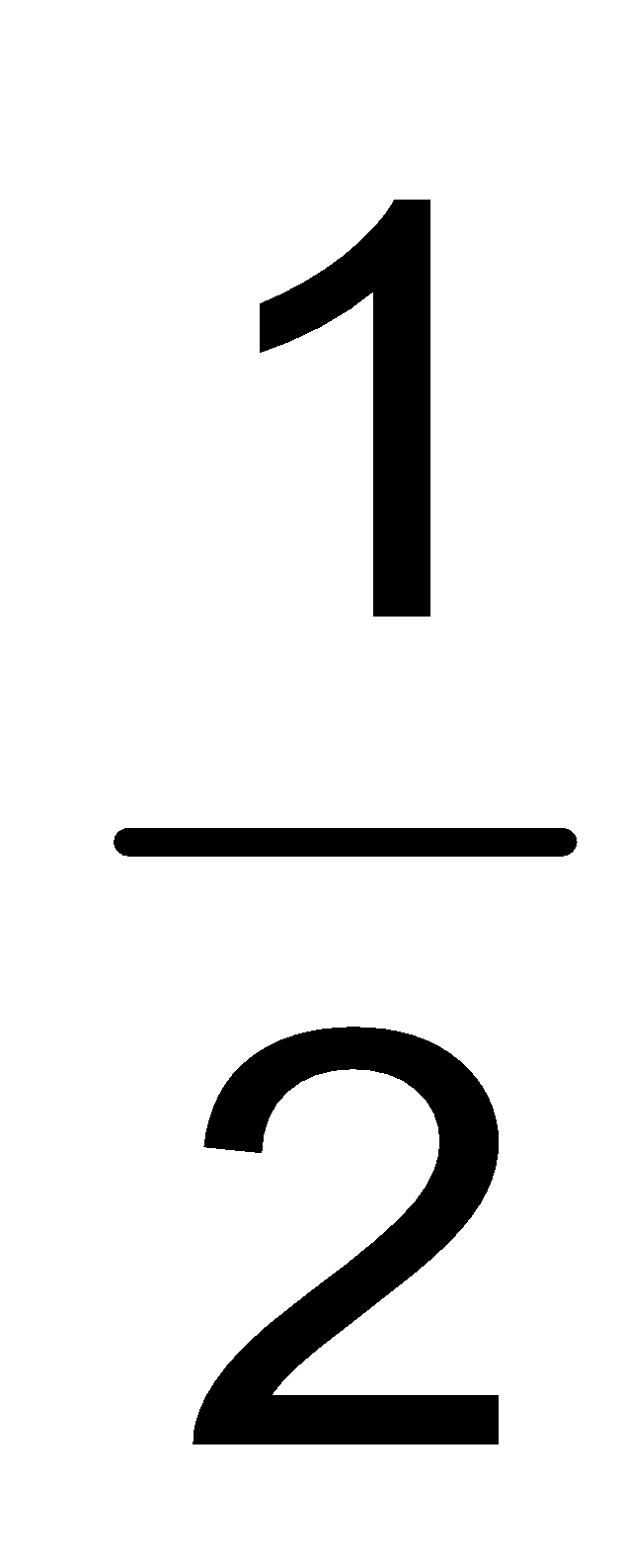 f 0 T
f 0 T
Prepare Smarter with CGP Edu
Get practice questions, solutions, and test series in one place.
Write a Review
Share your experience with this question and solution.
Commentary
Send your comment, doubt, correction, or feedback to admin.
Similar Questions
Explore conceptually related problems