Published by:
CGP EDU Academic Team
Published on: September 12, 2026
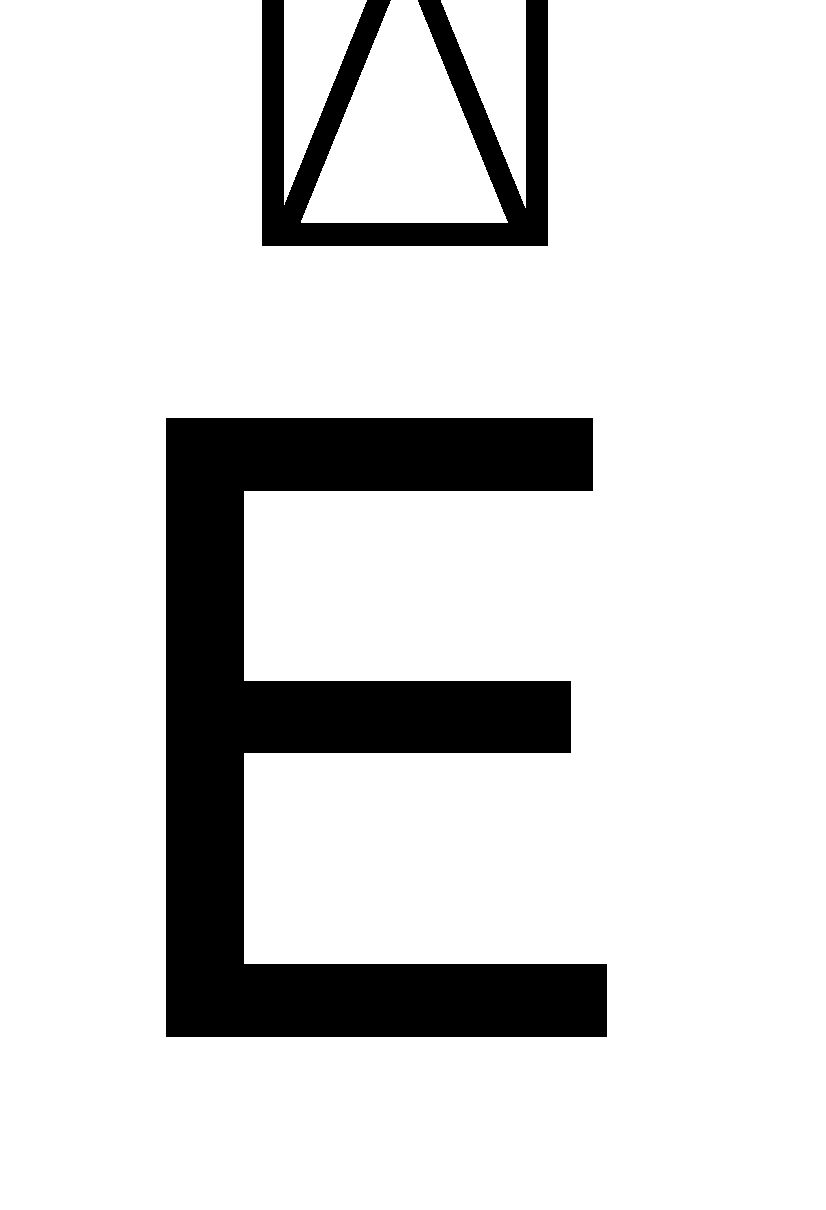
The gravitational potential in a region is given by V = (20x + 40y) J/kg. Find out the gravitational field (in newton / kg) at a point having co-ordinates (2, 4). Also find out the magnitude of the gravitational force on a particle of 0.250 kg placed at the point (2, 4).
Text Solution
Verified by ExpertsThe correct answer is:
A
Step 1: Understand that the gravitational field \( \mathbf{g} \) is related to the gravitational potential \( V \) by the equation:
\( \mathbf{g} = -\nabla V \)
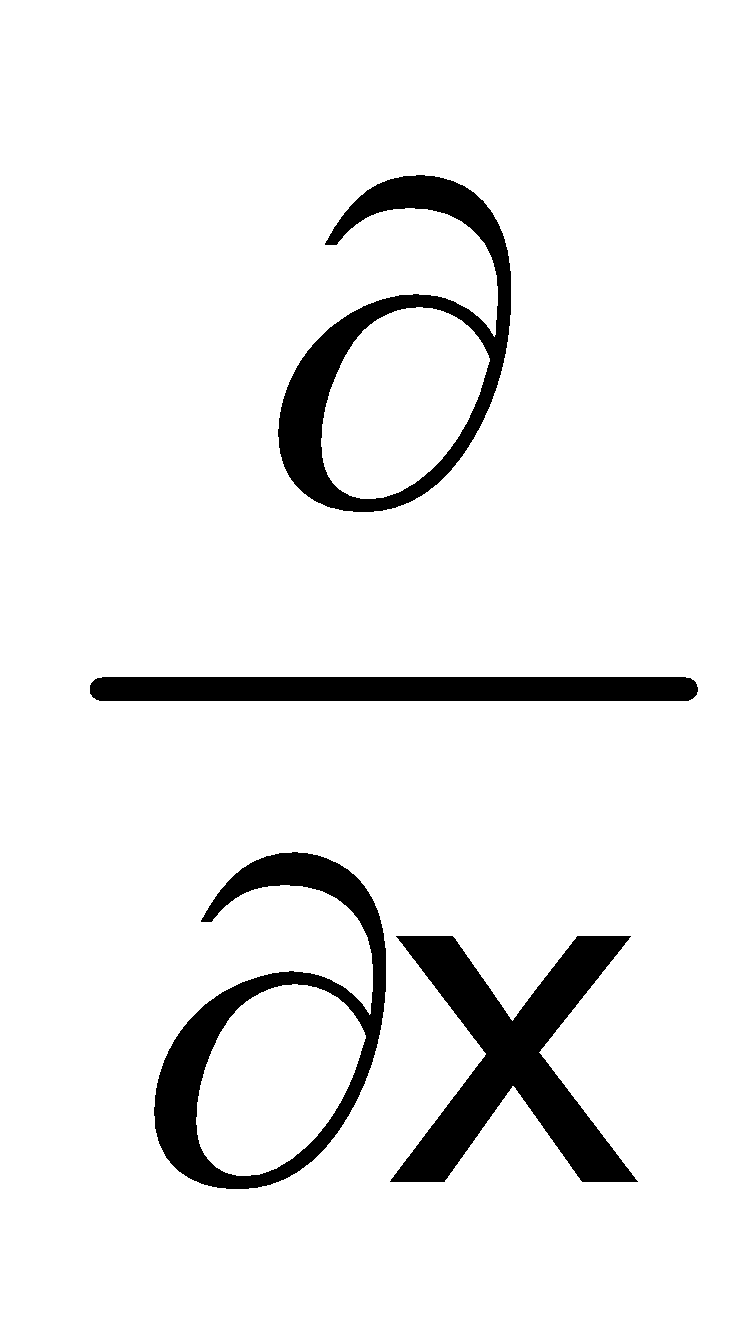
This means that the gravitational field is the negative gradient of the potential. We can compute the gradient in terms of its components as follows:
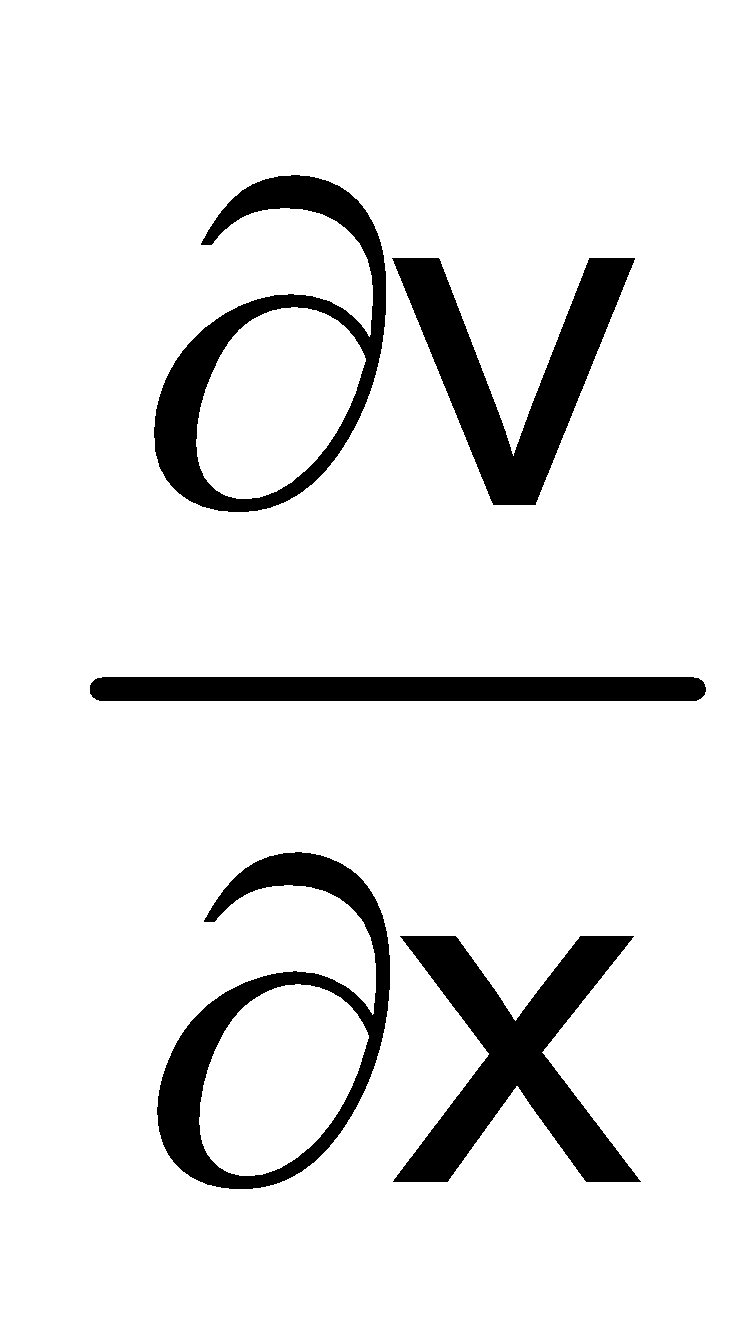
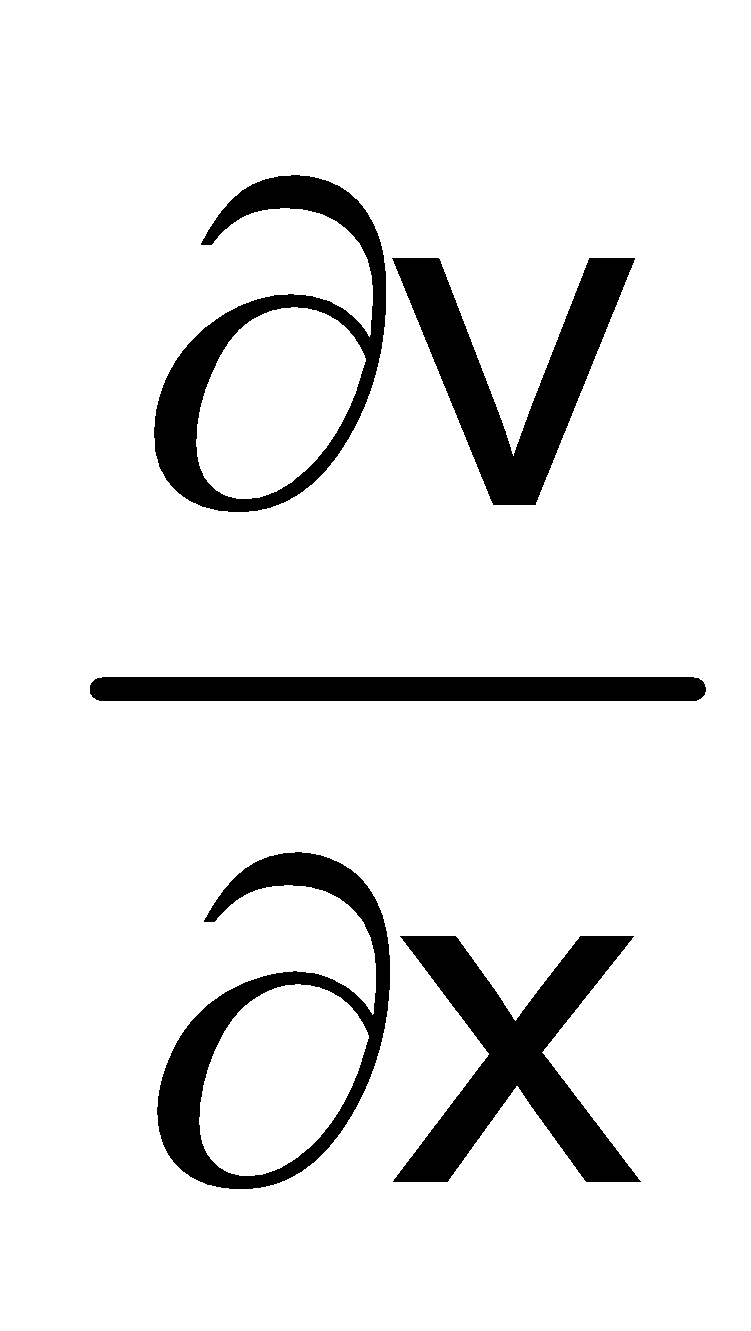
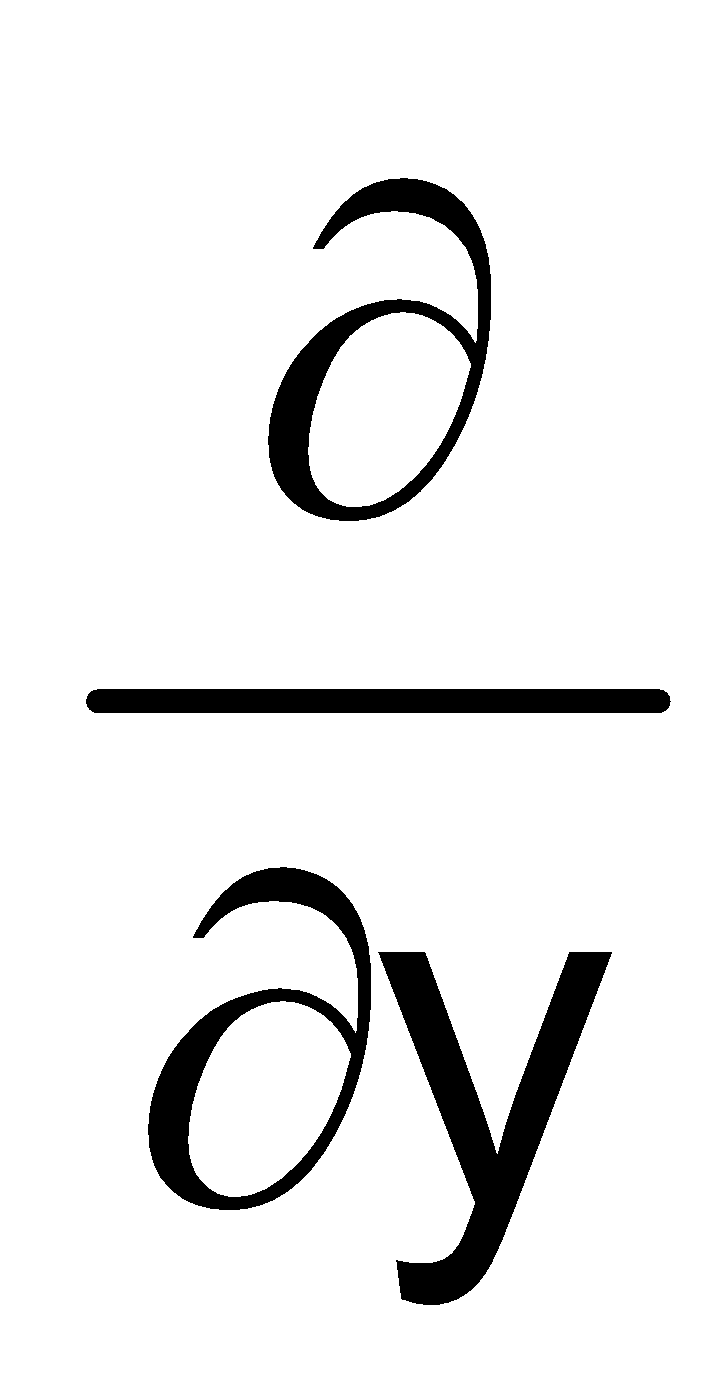
\( g_x = -\frac{\partial V}{\partial x} = -20 \) and \( g_y = -\frac{\partial V}{\partial y} = -40 \)
Therefore, the gravitational field vector is:
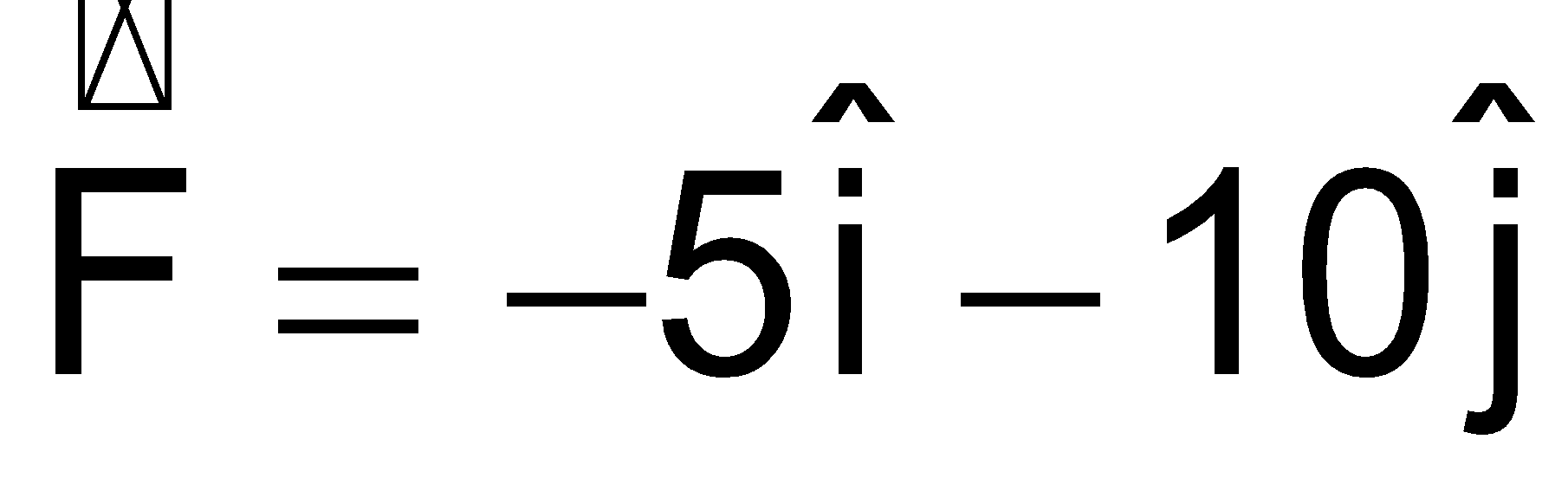
\( \mathbf{g} = (-20, -40) \) N/kg.
Step 3: Now calculate the magnitude of the gravitational field:
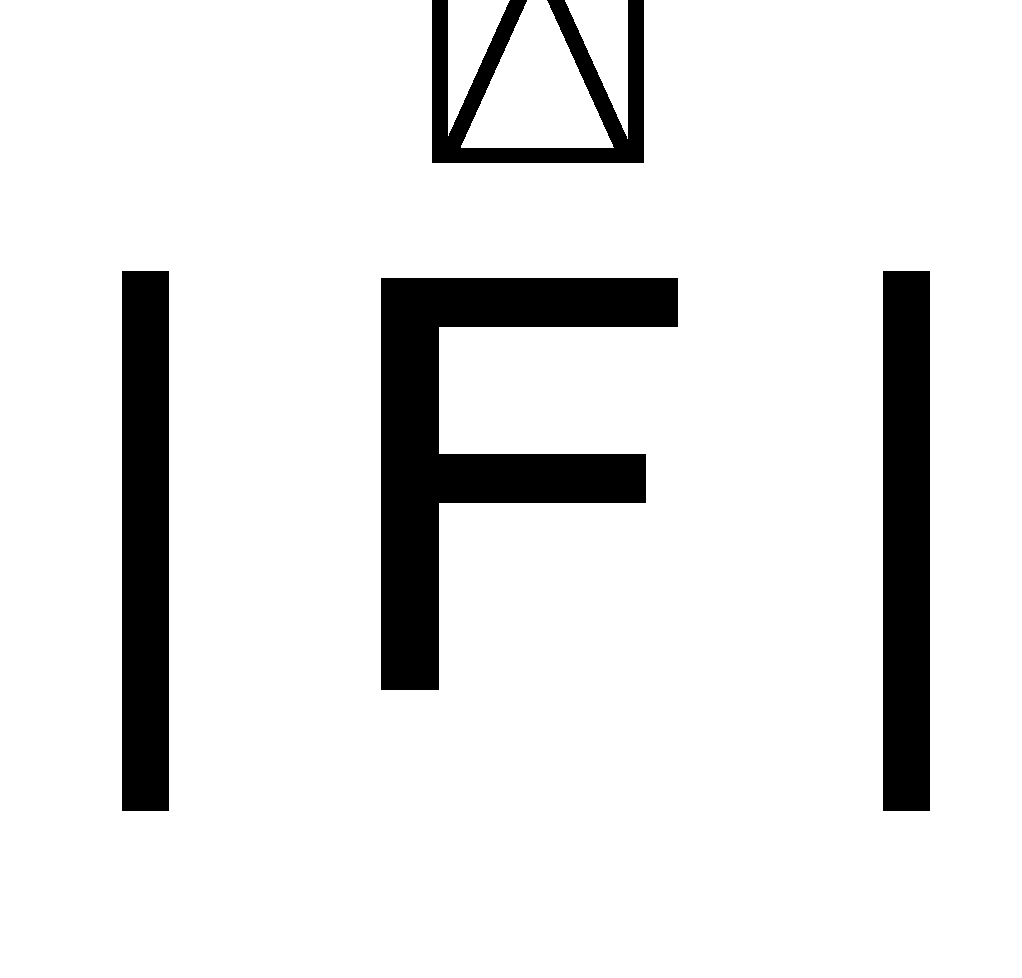
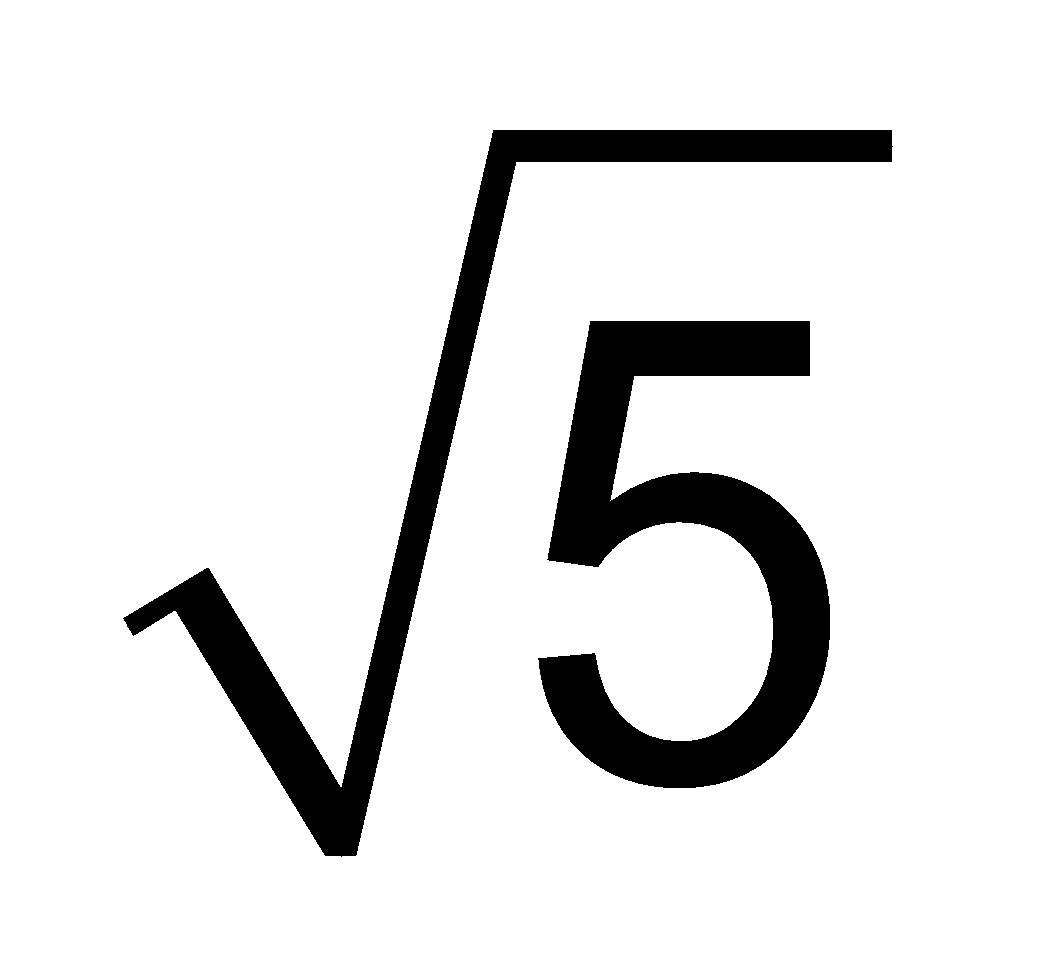
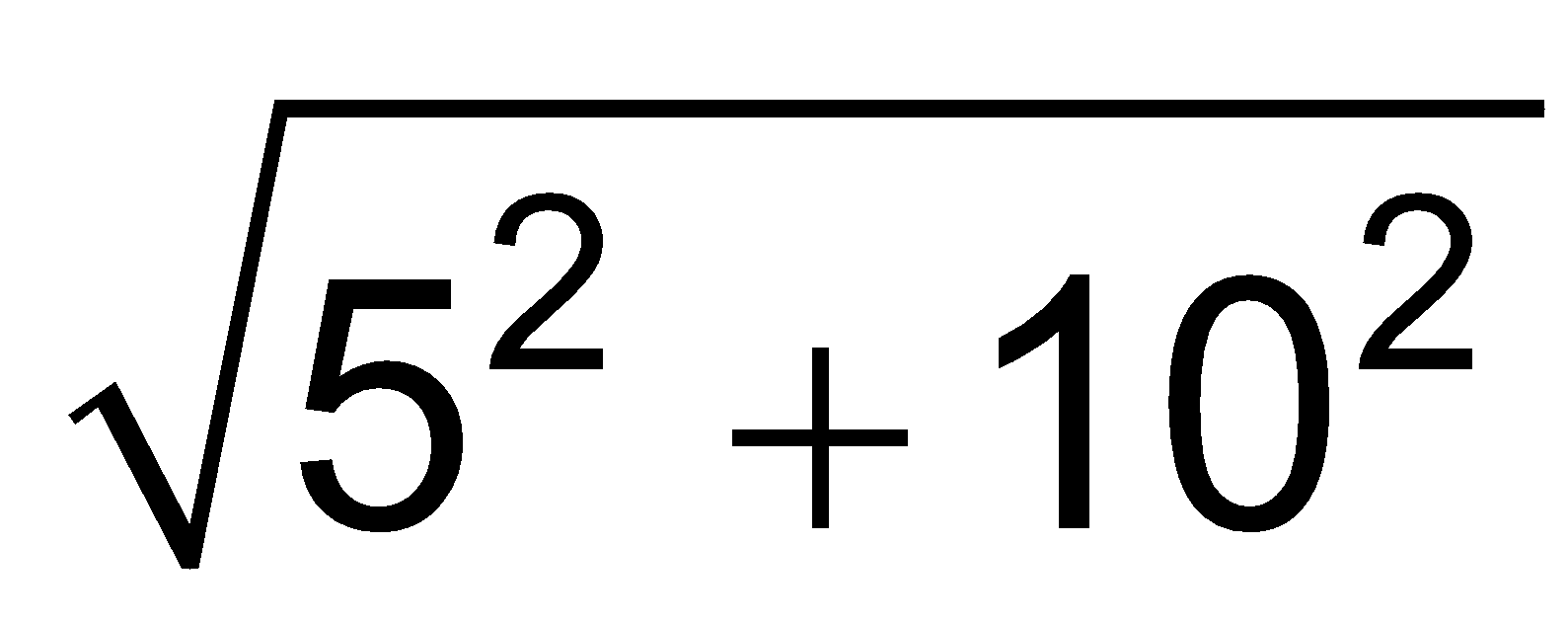
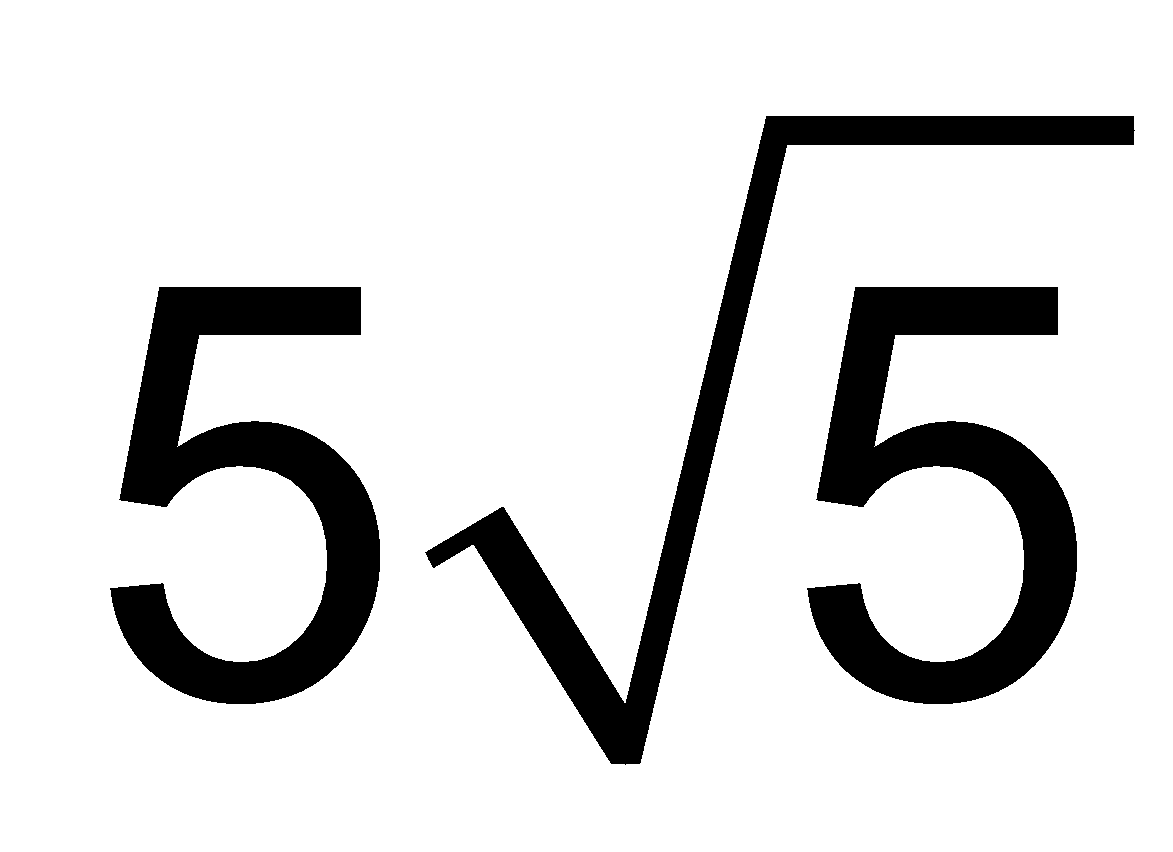
\( |\mathbf{g}| = \sqrt{(-20)^2 + (-40)^2} = \sqrt{400 + 1600} = \sqrt{2000} = 20\sqrt{5} \approx 44.72 \) N/kg.
Step 4: Now, find the gravitational force on a particle of mass 0.250 kg at the point (2, 4):
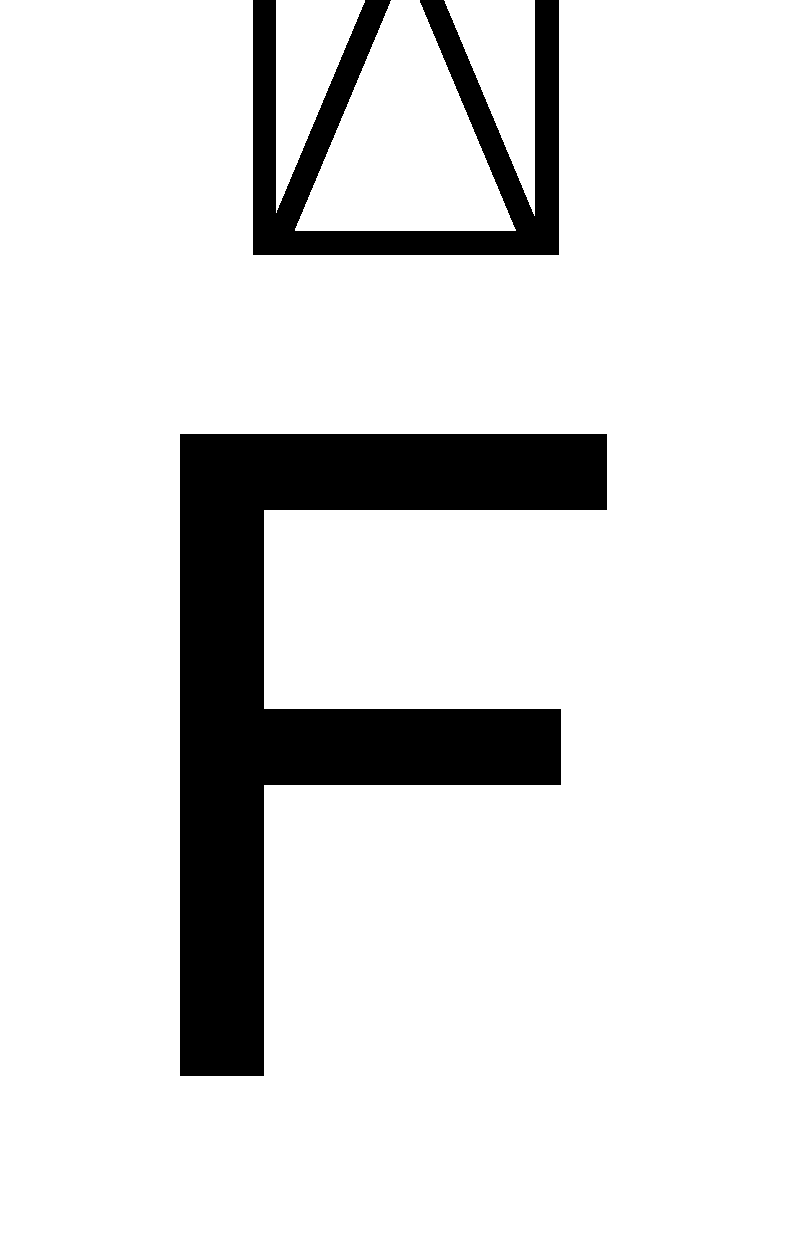
\( F = m \cdot g = 0.250 \times |\mathbf{g}| = 0.250 \times 20\sqrt{5} \approx 11.18 \) N.
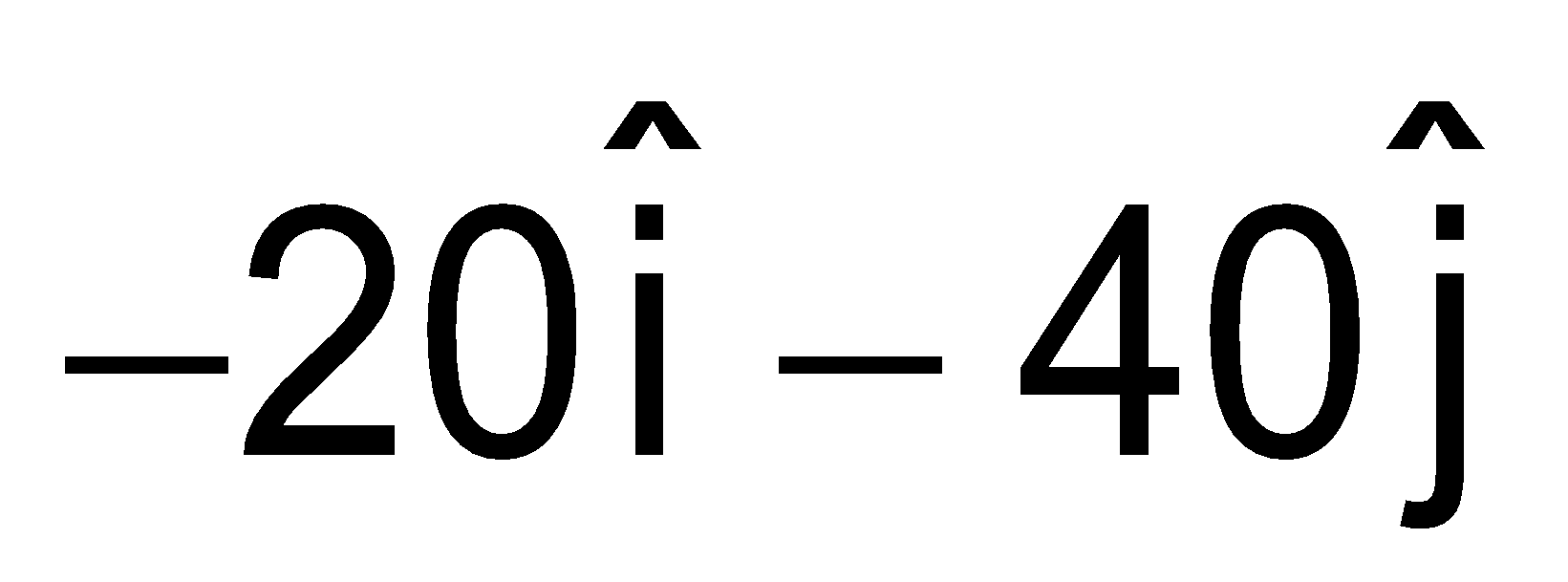
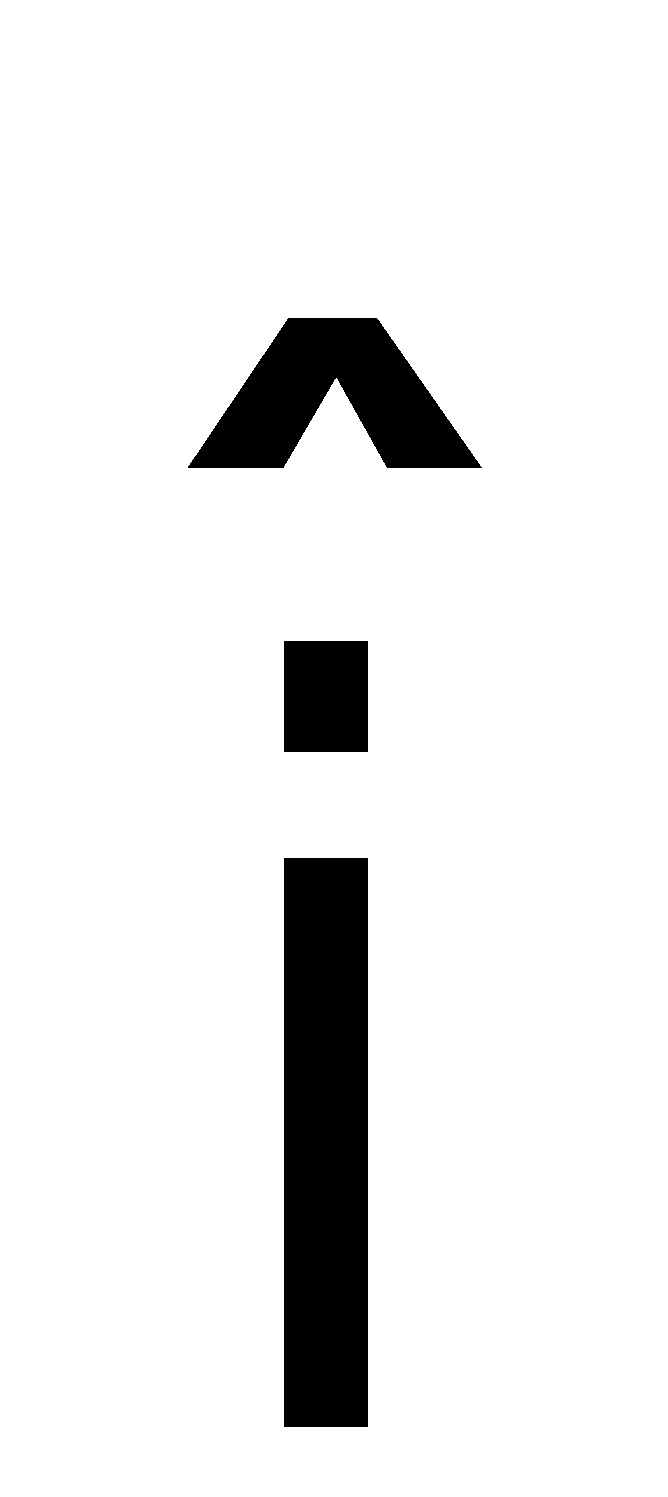
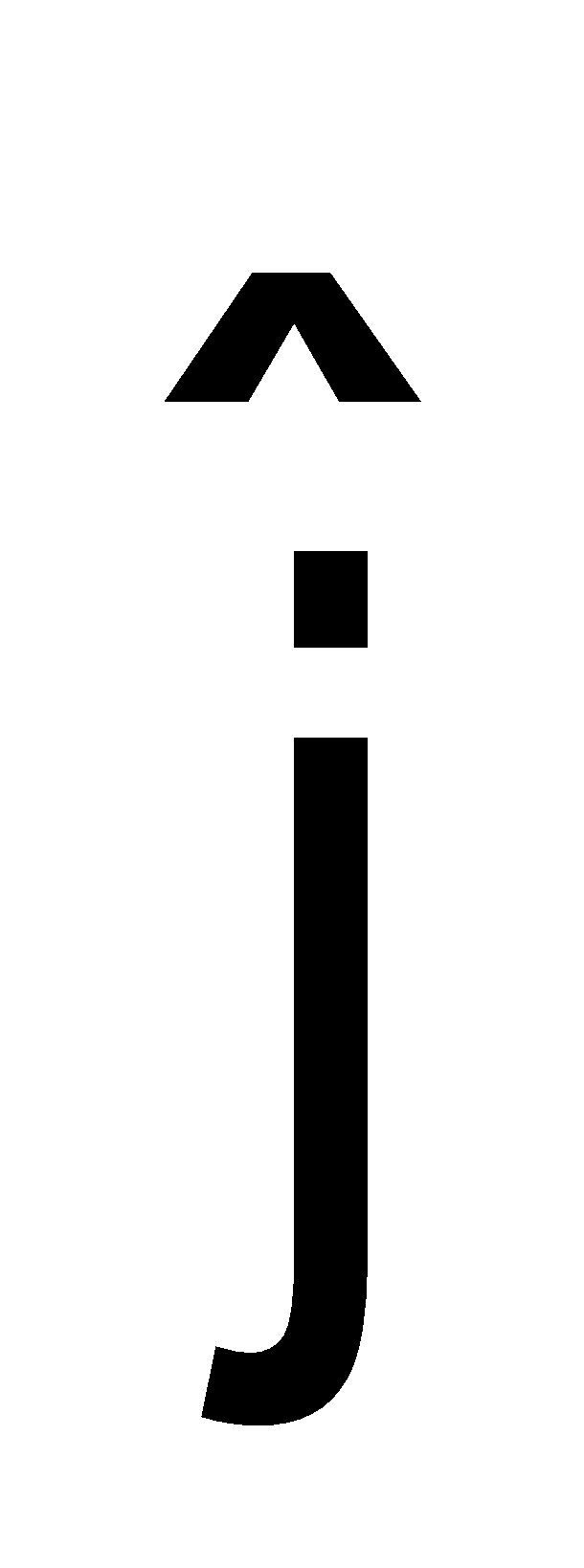
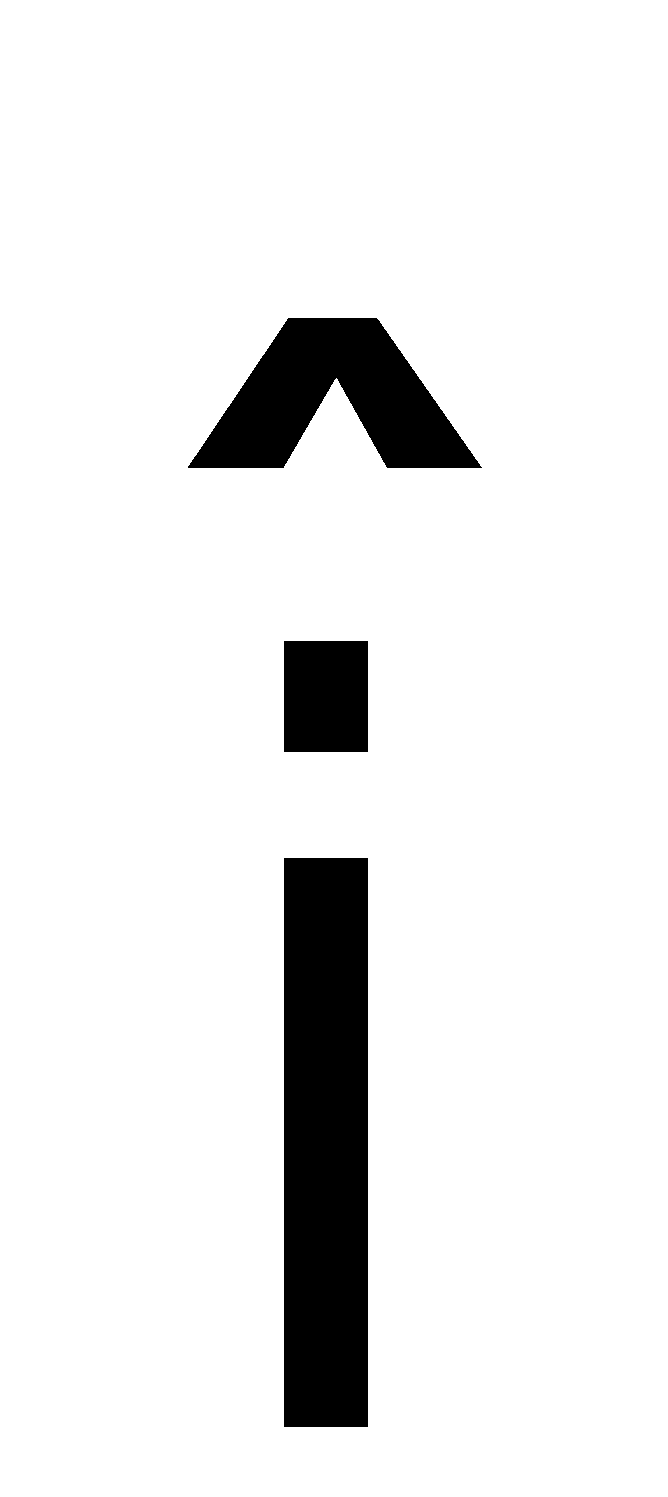
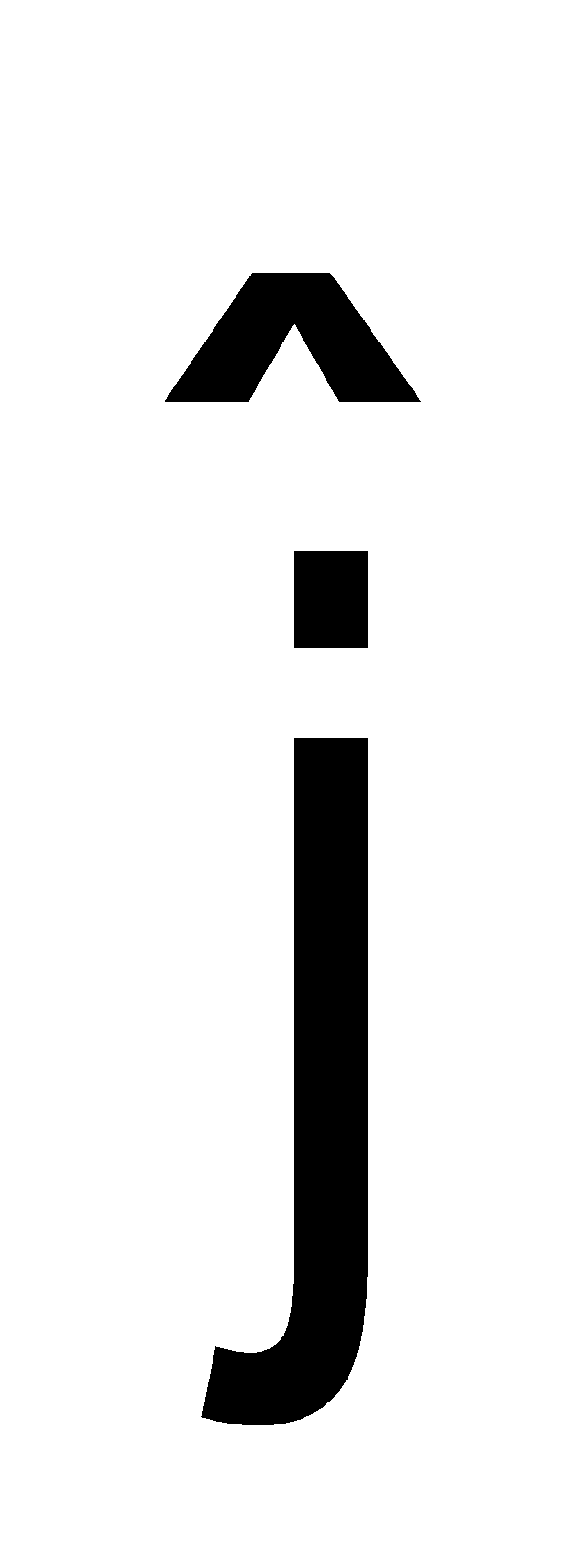
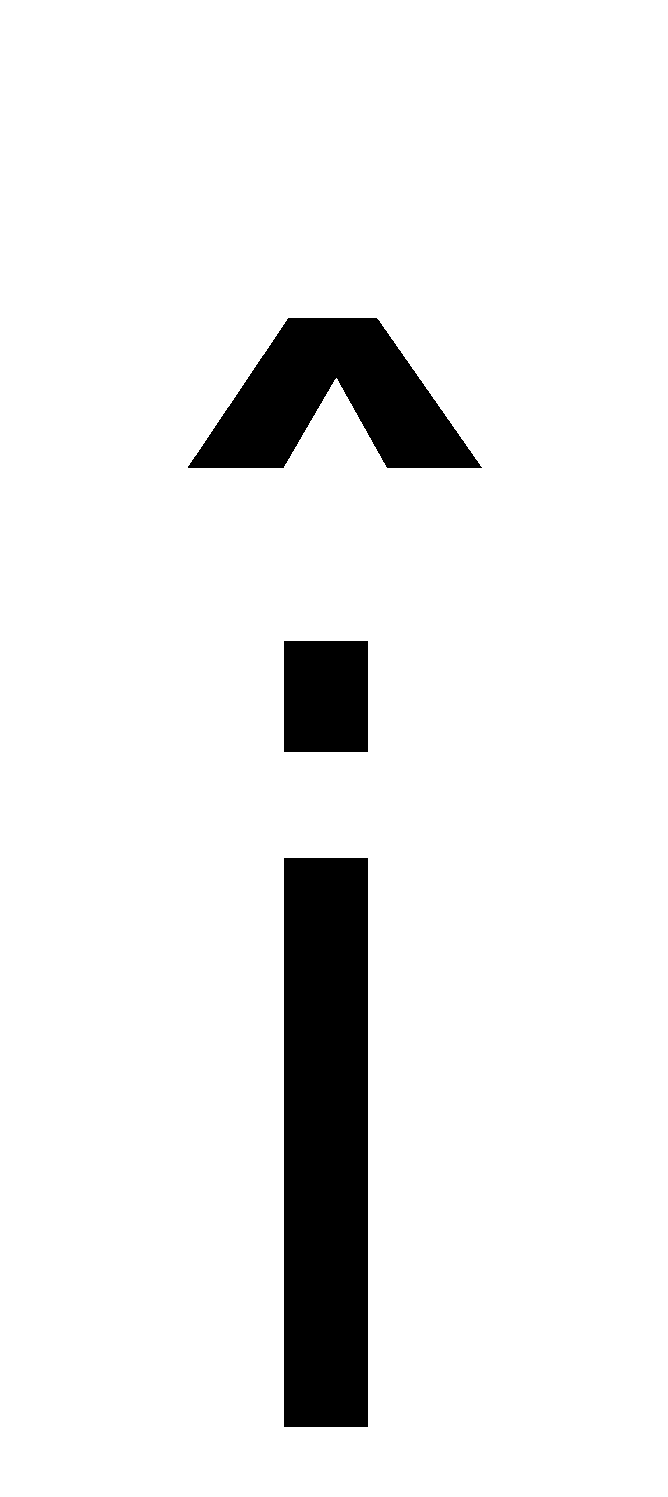
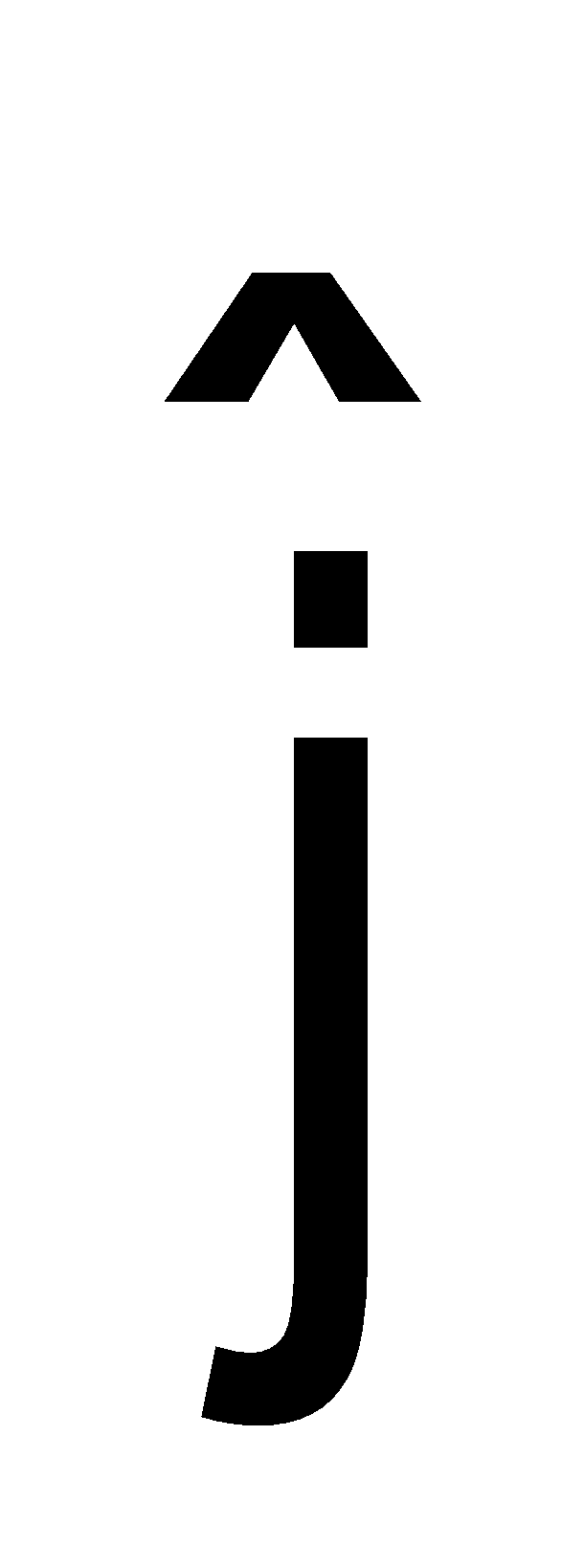
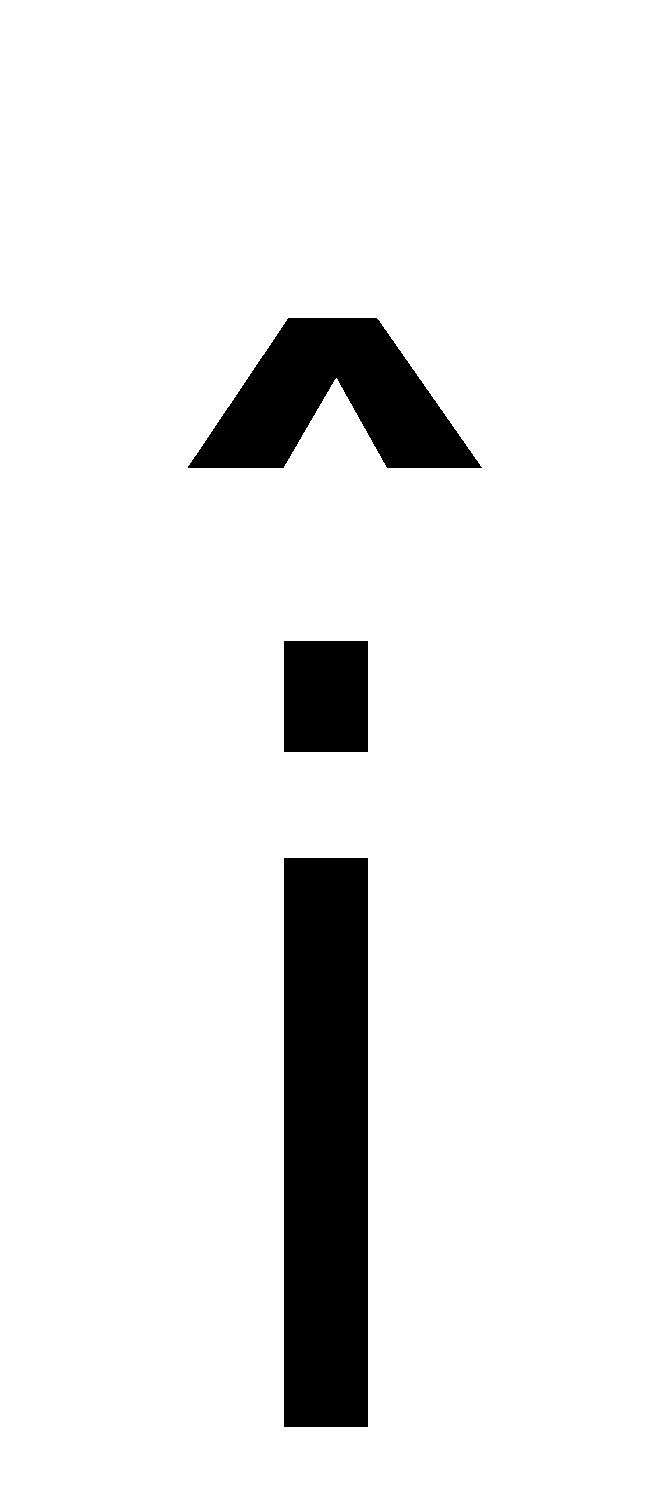
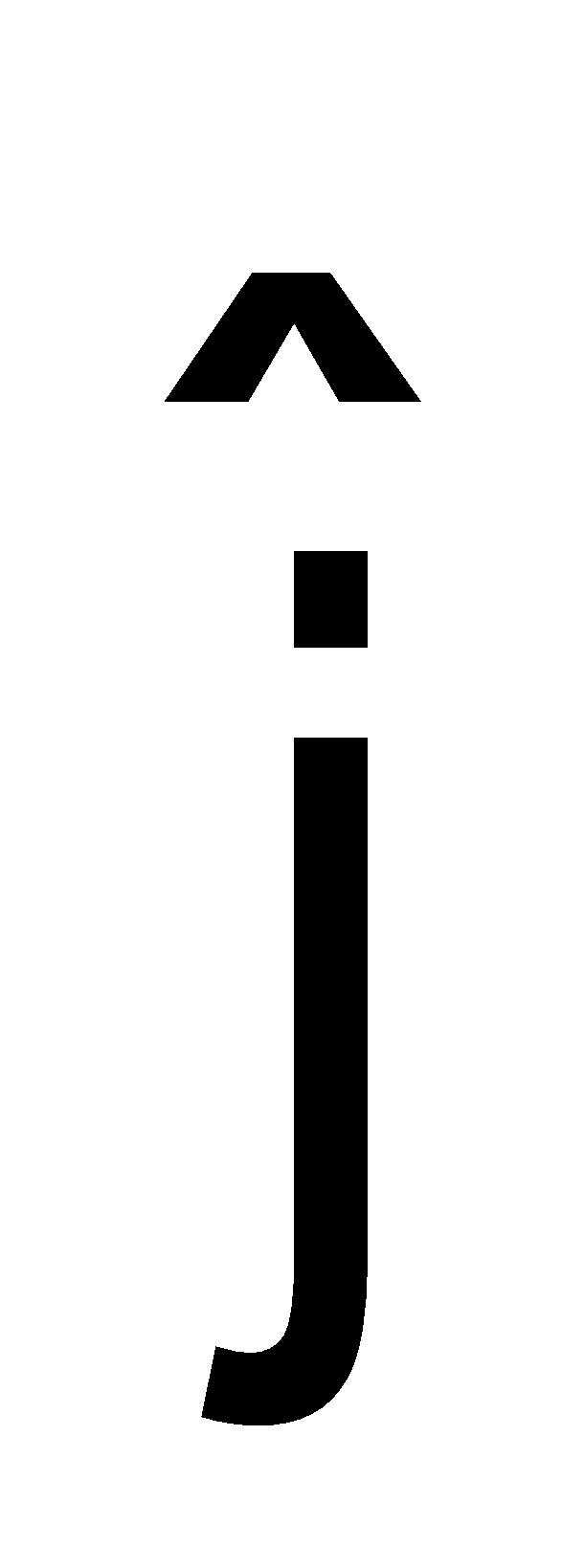
Therefore, the gravitational field at point (2, 4) is: \( -20 \, \mathbf{i} - 40 \, \mathbf{j} \) N/kg and the gravitational force on the particle is approximately 11.18 N.
\( \mathbf{g} = -\nabla V \)
This means that the gravitational field is the negative gradient of the potential. We can compute the gradient in terms of its components as follows:
- \( \frac{\partial V}{\partial x} = 20 \)
- \( \frac{\partial V}{\partial y} = 40 \)
\( g_x = -\frac{\partial V}{\partial x} = -20 \) and \( g_y = -\frac{\partial V}{\partial y} = -40 \)
Therefore, the gravitational field vector is:
\( \mathbf{g} = (-20, -40) \) N/kg.
Step 3: Now calculate the magnitude of the gravitational field:
\( |\mathbf{g}| = \sqrt{(-20)^2 + (-40)^2} = \sqrt{400 + 1600} = \sqrt{2000} = 20\sqrt{5} \approx 44.72 \) N/kg.
Step 4: Now, find the gravitational force on a particle of mass 0.250 kg at the point (2, 4):
\( F = m \cdot g = 0.250 \times |\mathbf{g}| = 0.250 \times 20\sqrt{5} \approx 11.18 \) N.
Therefore, the gravitational field at point (2, 4) is: \( -20 \, \mathbf{i} - 40 \, \mathbf{j} \) N/kg and the gravitational force on the particle is approximately 11.18 N.
Prepare Smarter with CGP Edu
Get practice questions, solutions, and test series in one place.
Write a Review
Share your experience with this question and solution.
Commentary
Send your comment, doubt, correction, or feedback to admin.
Similar Questions
Explore conceptually related problems
A body of mass m rises to height h = R/5 from the earth's surface, where R is earth's radius. If g …
In a gravitational field, at a point where the gravitational potential is zero
The gravitational field due to a mass distribution is in the x-direction. (K is a constant). Takin…
The mass of the earth is and that of the moon is . The constant of gravitation . The potential e…
The change in potential energy, when a body of mass m is raised to a height nR from the earth's sur…
The masses and radii of the earth and moon are and respectively. Their centers are distance d apa…