Published by:
CGP EDU Academic Team
Published on: September 12, 2026
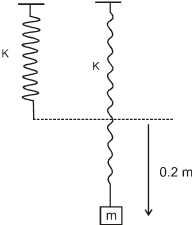
There is a vertically suspended spring, mass system. When block of mass 10 kg is suspended from lower end of the spring, it is stretched by 20 cm under the load of block at equilibrium position. When an upward speed of 4 m/s is imparted to the block by giving a sharp impulse from below, how much high will it rise from equilibrium position.
Text Solution
Verified by ExpertsThe correct answer is:
A
Step 1: Determine the spring constant, k. The force due to the weight of the block is given by \( F = mg \), where \( m = 10 \text{ kg} \) and \( g = 9.8 \, \text{m/s}^2 \). Therefore, \( F = 10 \times 9.8 = 98 \, \text{N} \).
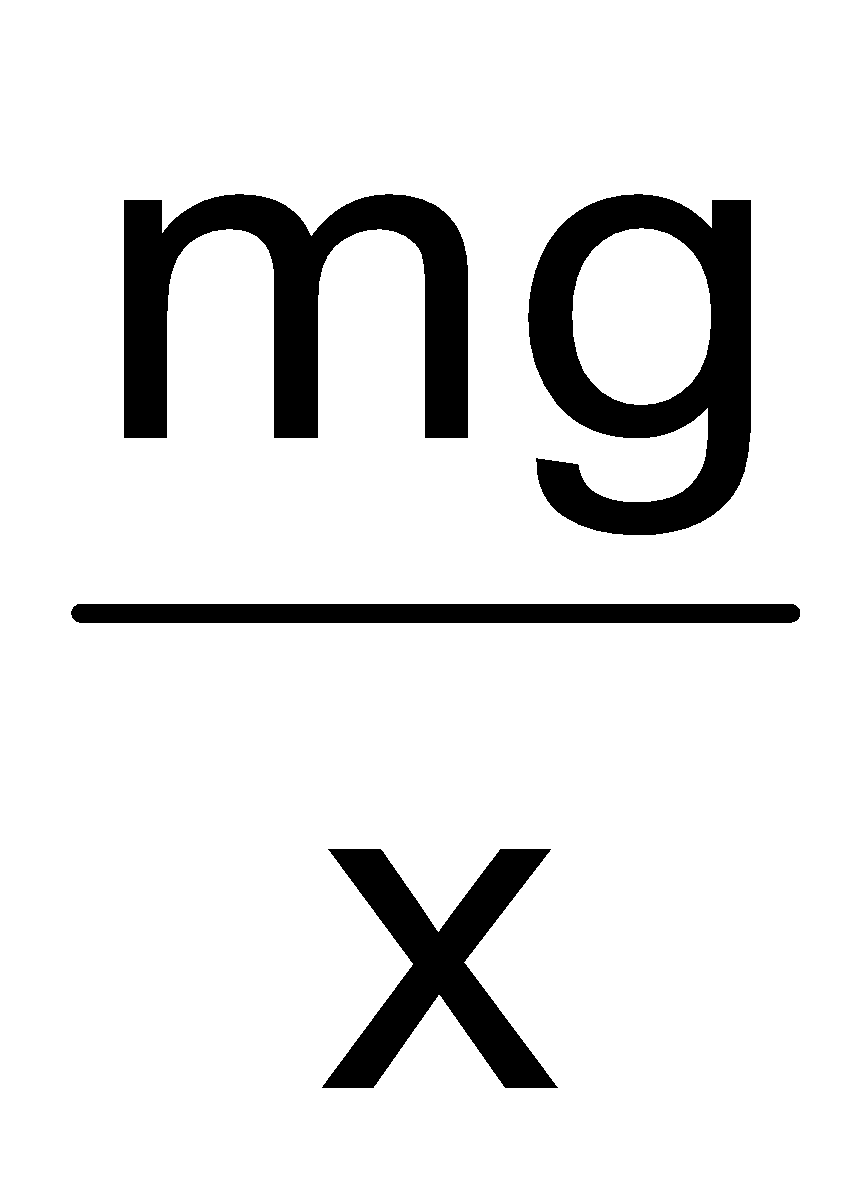
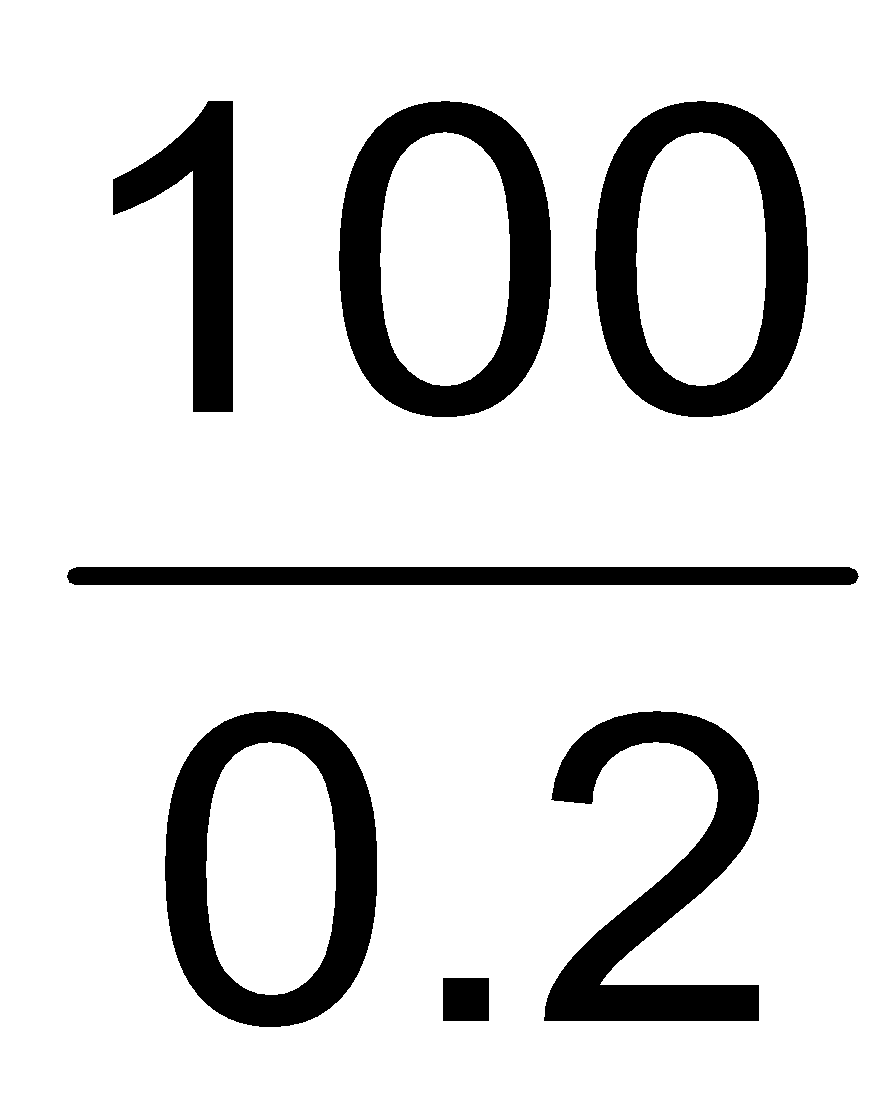
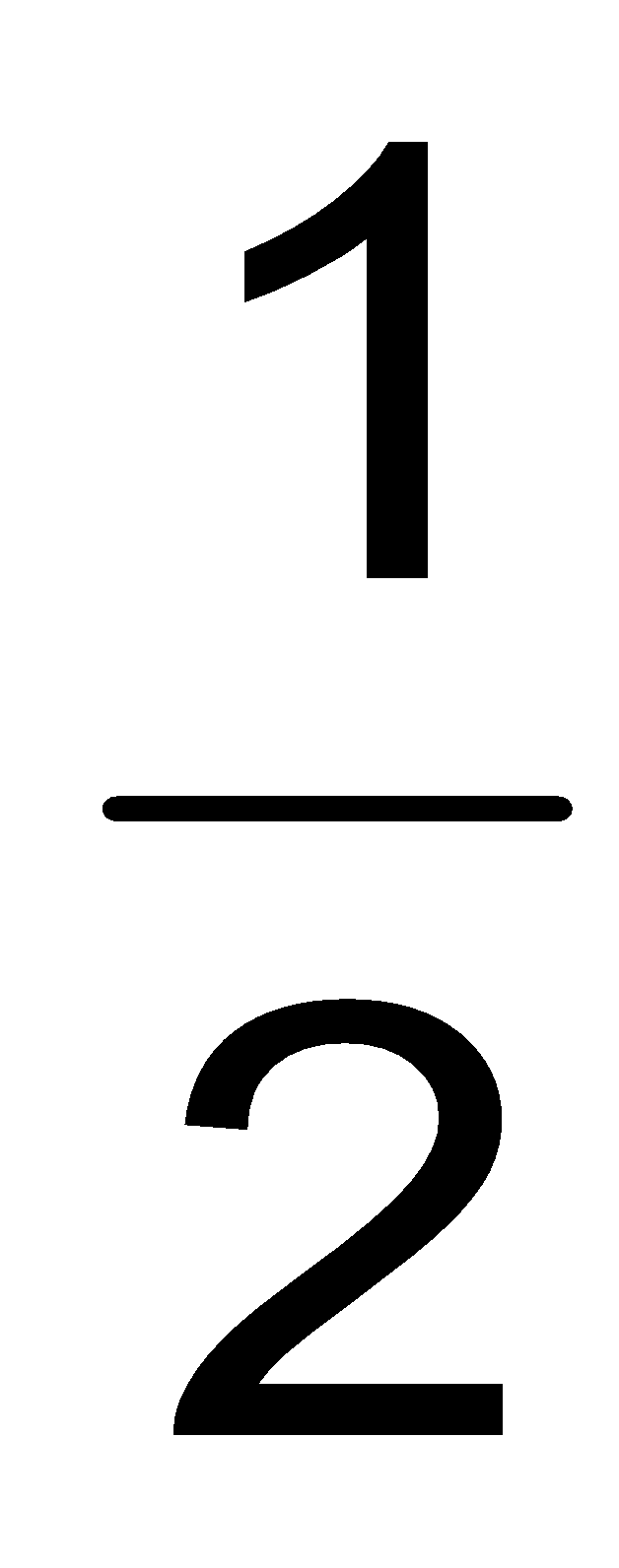
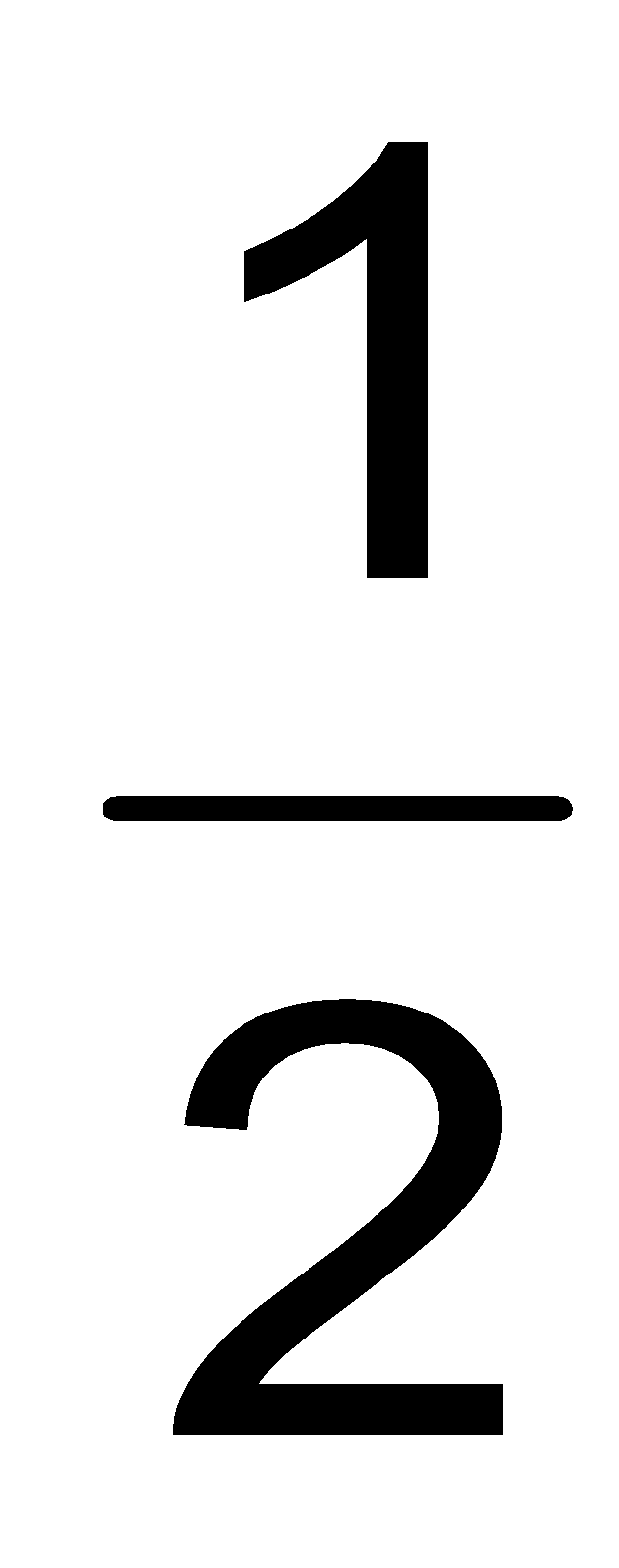
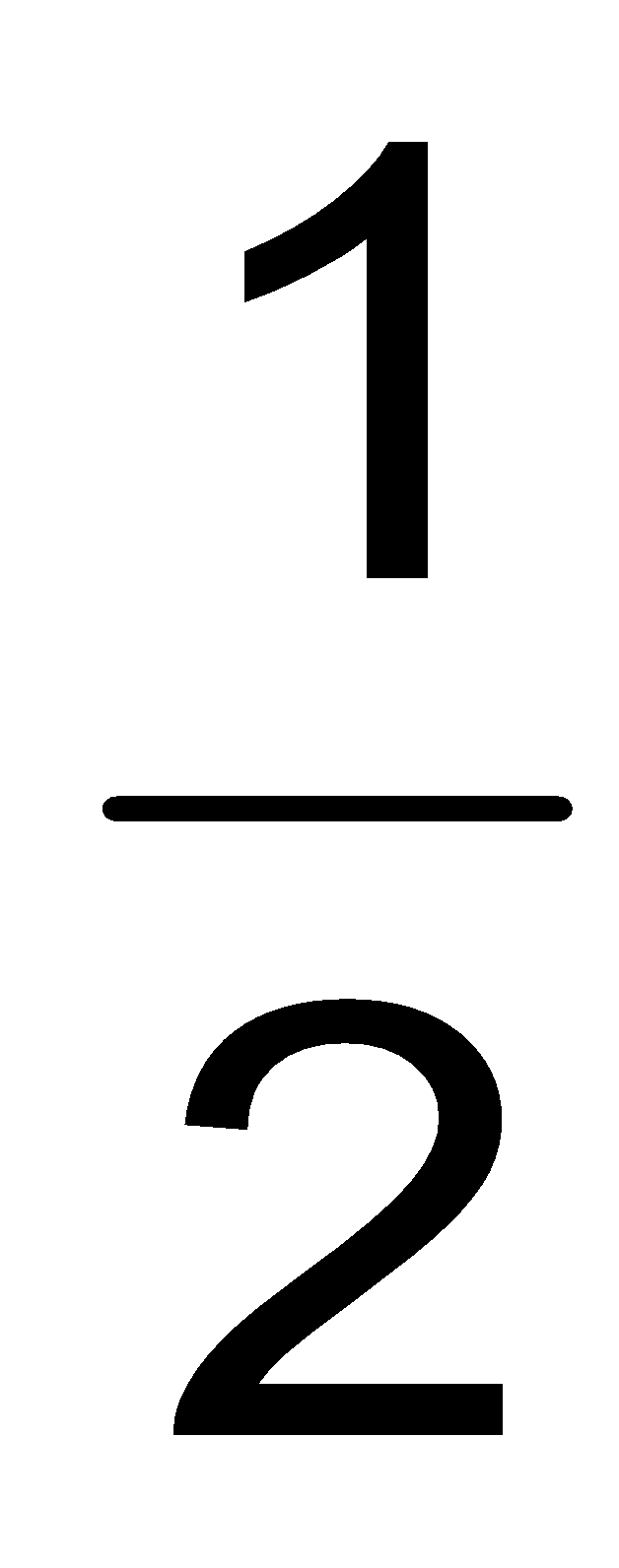
Step 2: At equilibrium, the force exerted by the spring is equal to the weight of the block. By Hooke's Law, \( F = k \Delta x \), where \( \Delta x = 0.2 \, \text{m} \). Thus, \( k \times 0.2 = 98 \) which gives \( k = \frac{98}{0.2} = 490 \, \text{N/m} \).
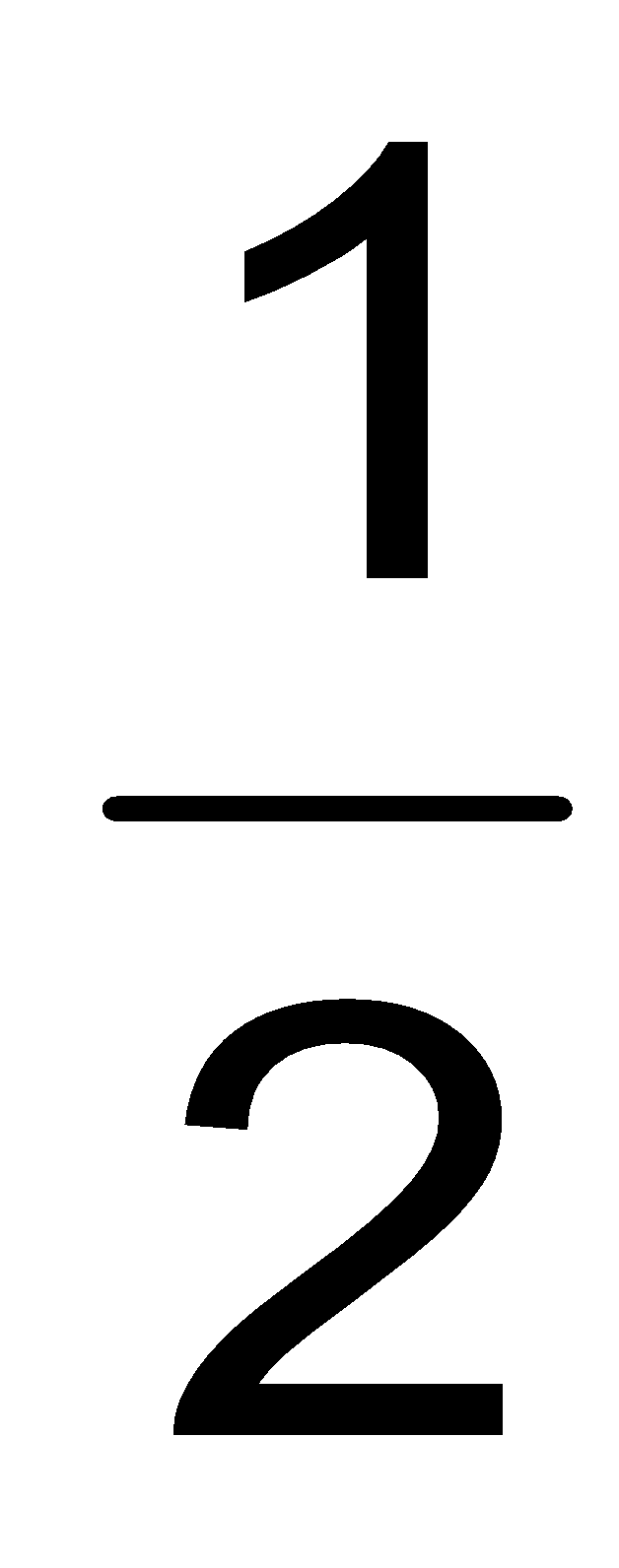
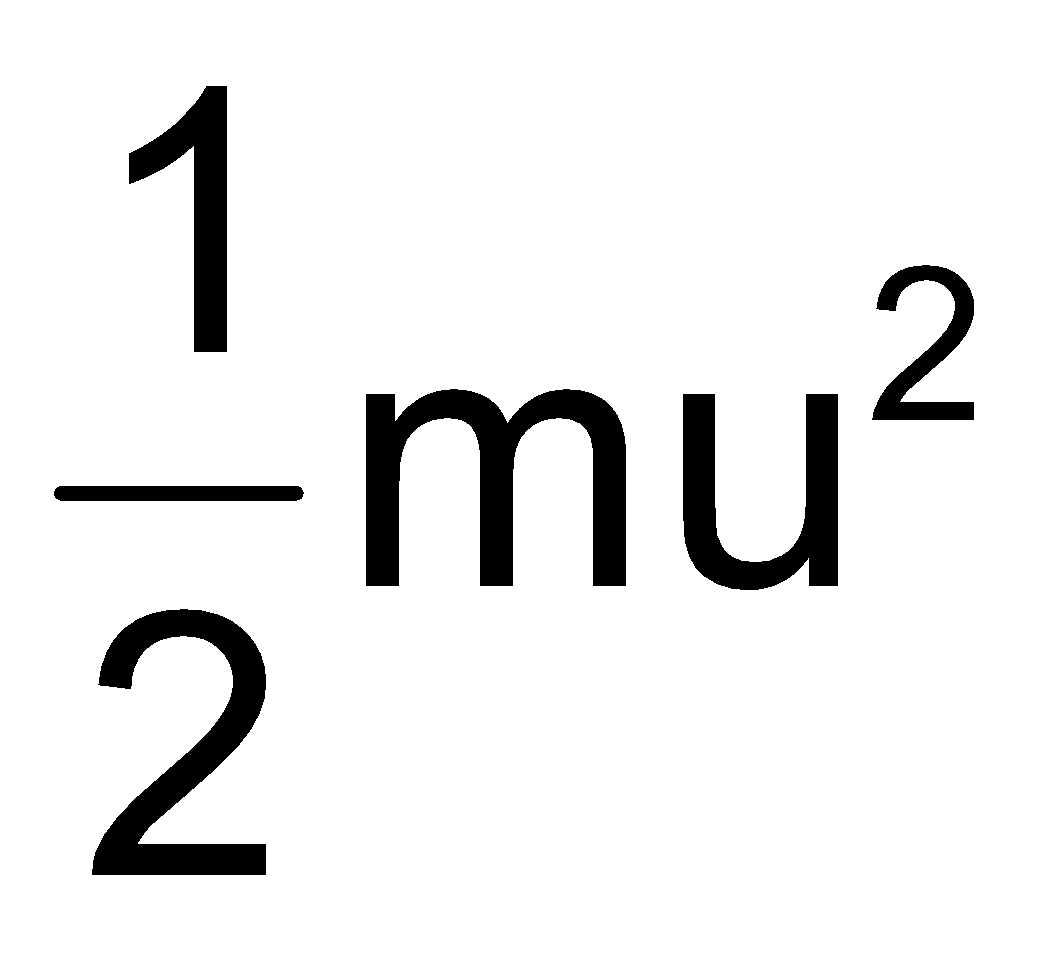
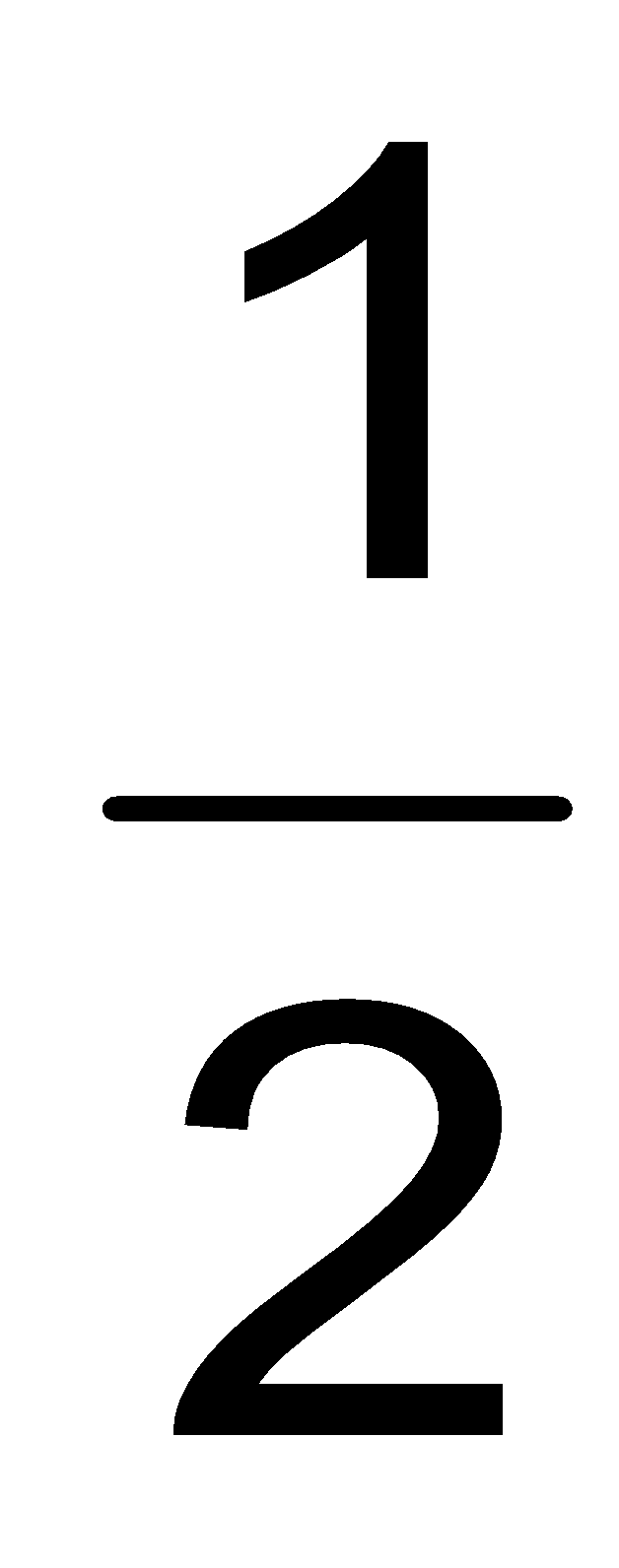
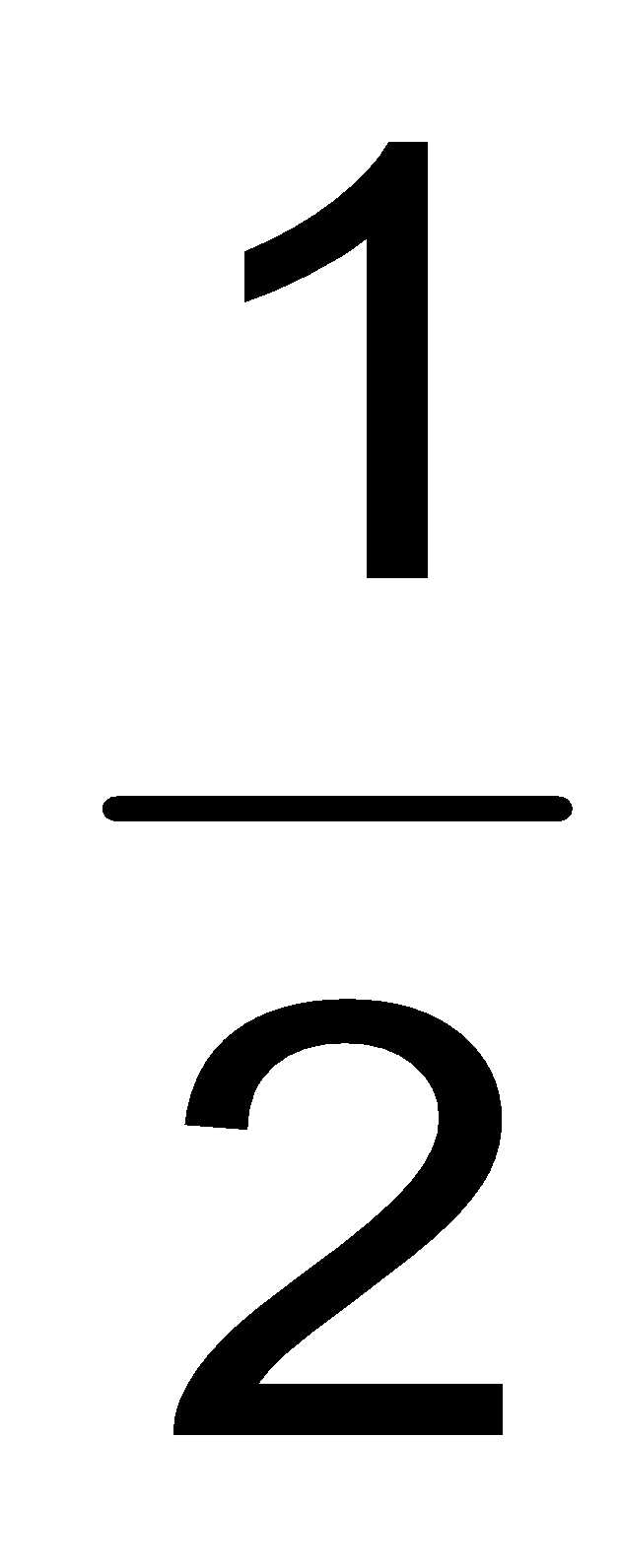
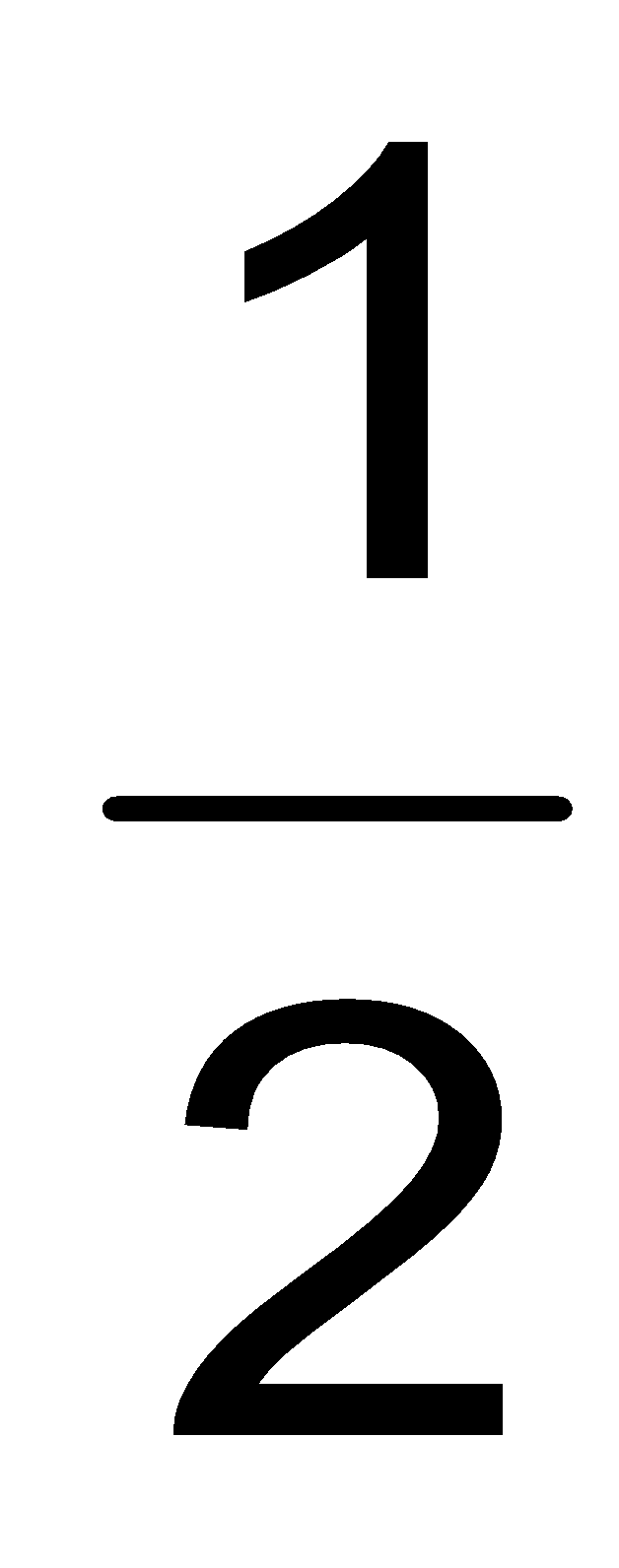
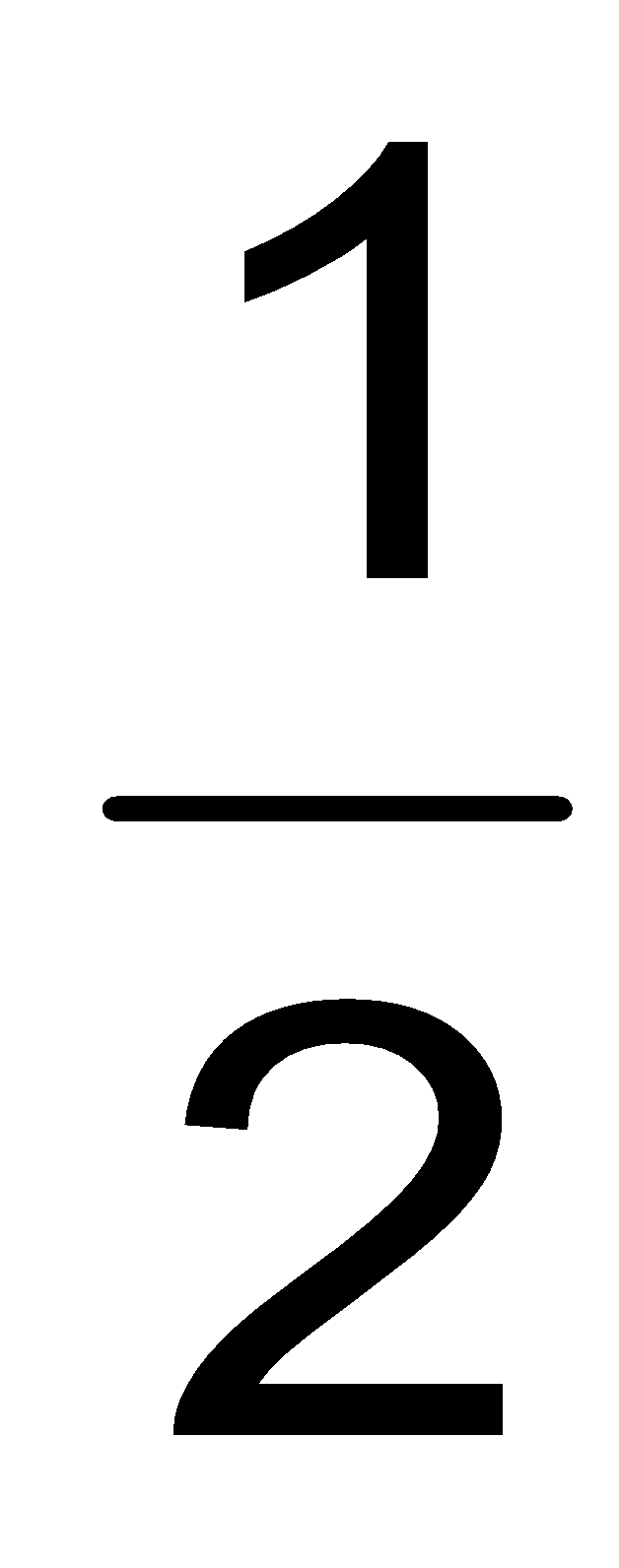
Step 3: When the block is given an upward speed of 4 m/s, we calculate the maximum height it reaches above the equilibrium position using the conservation of energy. The initial kinetic energy is given by \( KE = \frac{1}{2} mv^2 = \frac{1}{2} \times 10 \times (4^2) = 80 \, \text{J} \).
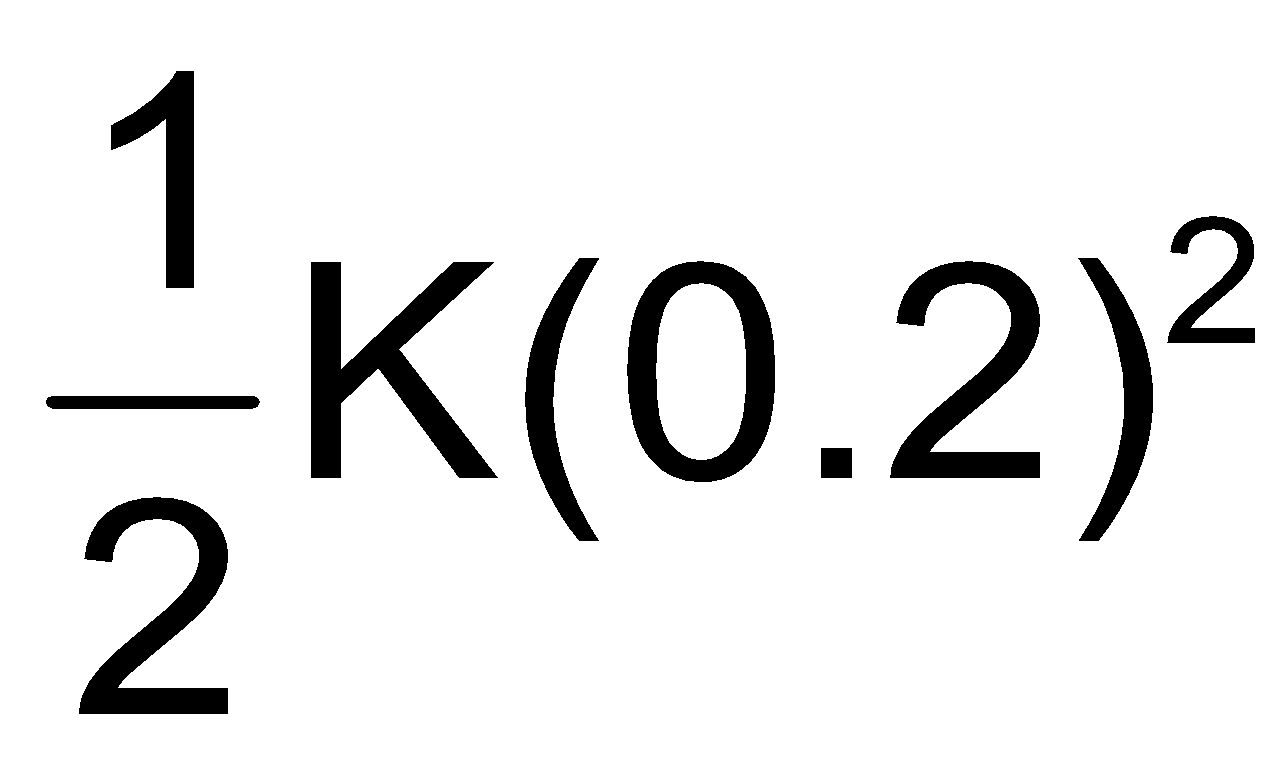
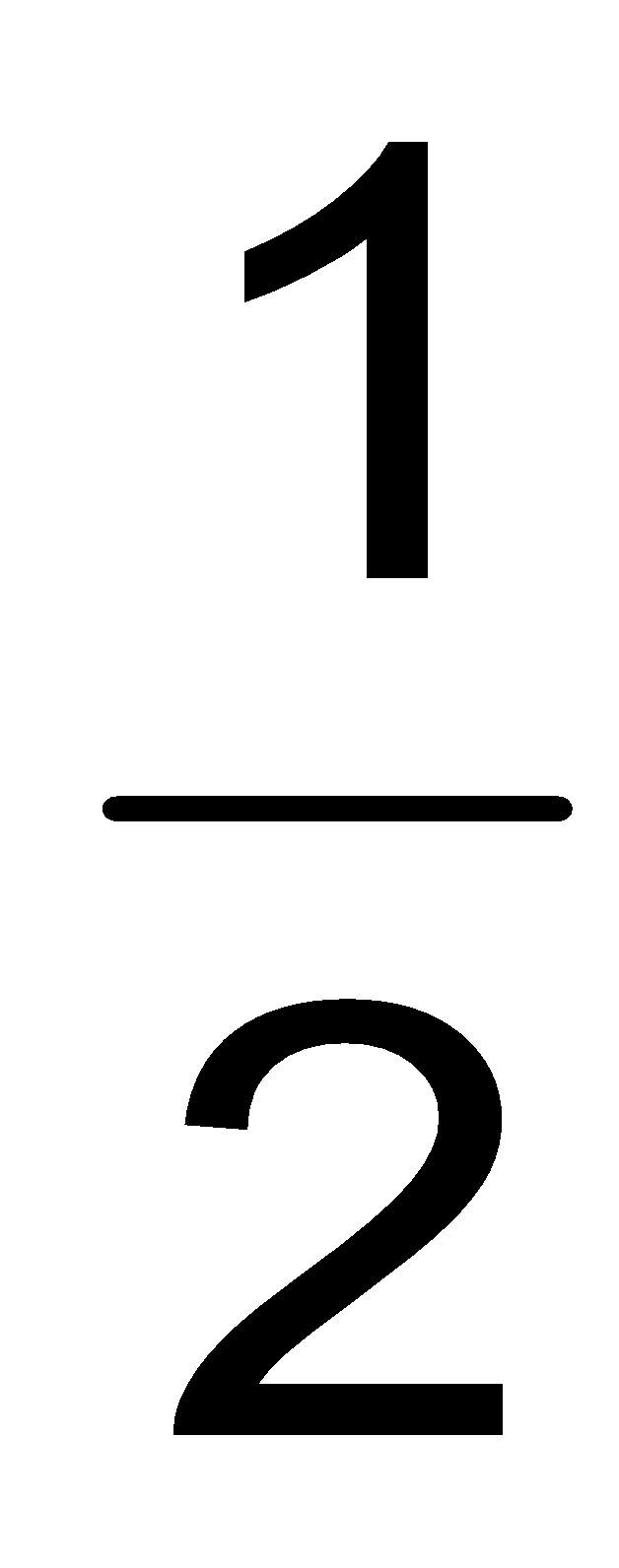
Step 4: At the maximum height, all kinetic energy is converted into potential energy stored in the spring, given by \( PE = \frac{1}{2} k x^2 \), where \( x \) is the stretch of the spring from the equilibrium position.
Equating the energies, we have:
\( 80 = \frac{1}{2} \times 490 \times x^2 \).
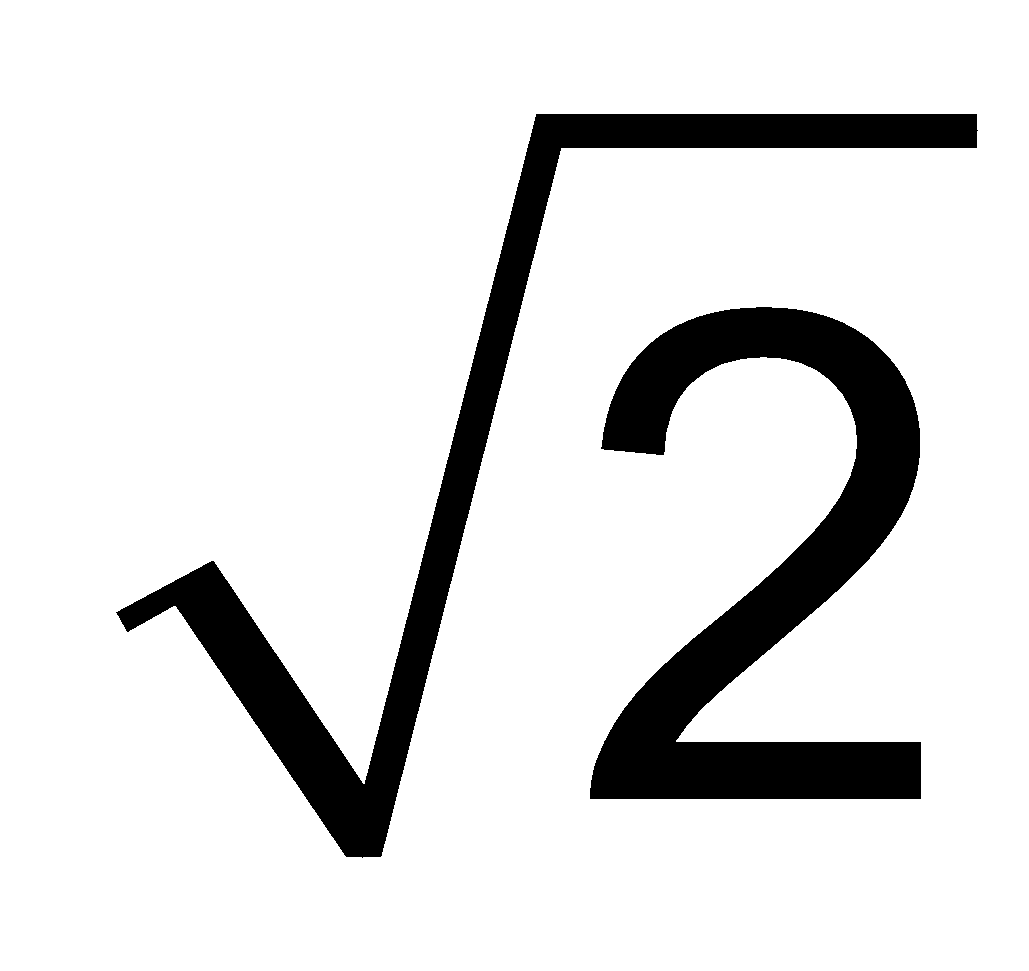
Step 5: Rearranging gives \( x^2 = \frac{160}{490} \), and taking the square root gives \( x = \sqrt{\frac{160}{490}} \approx 0.569 \, \text{m} \) or 56.9 cm.
Therefore, the maximum height the block will rise from the equilibrium position is approximately 0.569 m.
Thus, the answer is A.
Step 2: At equilibrium, the force exerted by the spring is equal to the weight of the block. By Hooke's Law, \( F = k \Delta x \), where \( \Delta x = 0.2 \, \text{m} \). Thus, \( k \times 0.2 = 98 \) which gives \( k = \frac{98}{0.2} = 490 \, \text{N/m} \).
Step 3: When the block is given an upward speed of 4 m/s, we calculate the maximum height it reaches above the equilibrium position using the conservation of energy. The initial kinetic energy is given by \( KE = \frac{1}{2} mv^2 = \frac{1}{2} \times 10 \times (4^2) = 80 \, \text{J} \).
Step 4: At the maximum height, all kinetic energy is converted into potential energy stored in the spring, given by \( PE = \frac{1}{2} k x^2 \), where \( x \) is the stretch of the spring from the equilibrium position.
Equating the energies, we have:
\( 80 = \frac{1}{2} \times 490 \times x^2 \).
Step 5: Rearranging gives \( x^2 = \frac{160}{490} \), and taking the square root gives \( x = \sqrt{\frac{160}{490}} \approx 0.569 \, \text{m} \) or 56.9 cm.
Therefore, the maximum height the block will rise from the equilibrium position is approximately 0.569 m.
Thus, the answer is A.
Prepare Smarter with CGP Edu
Get practice questions, solutions, and test series in one place.
Write a Review
Share your experience with this question and solution.
Commentary
Send your comment, doubt, correction, or feedback to admin.
Similar Questions
Explore conceptually related problems
A block A of mass m kg lies on block B of mass m kg. B in turn lies on smooth horizontal plane. The…
A block of mass m lies on wedge of mass M. The wedge in turn lies on smooth horizontal surface. Fri…
A block having mass 4 kg is pushed down along an inclined plane of inclination 53° with a force of …
Ram and Ali are two friends. Both work in a factory. Ali uses a camel to transport the load within …
In the figure the variation of potential energy of a particle of mass m = 2kg is represented w.r.t.…
A block of mass ' m ' is pushed against a spring of spring constant ' k ' fixed at one end to a wal…